Source Anti Tarnish Jewelry Cleaner Cloth for Retailers, Jewelers, and Gift Shops
Source 30 Anti Tarnish Jewelry Cleaner Cloth options from verified Chinese manufacturers. Compare microfiber and velvet materials, custom logo capabilities, and bulk pricing to find the right cleaning solution for your inventory needs.
Key considerations
Products List
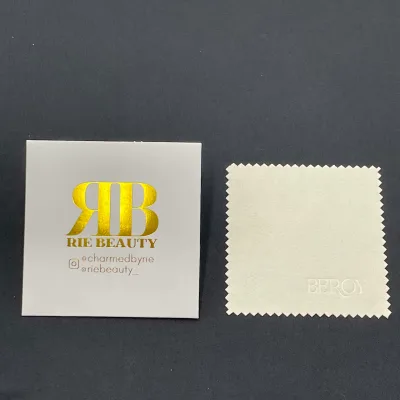
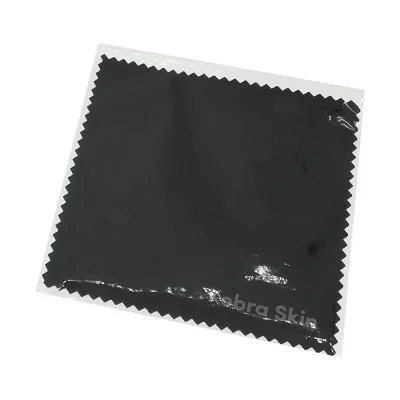


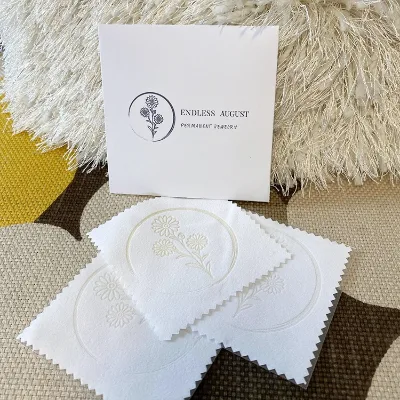
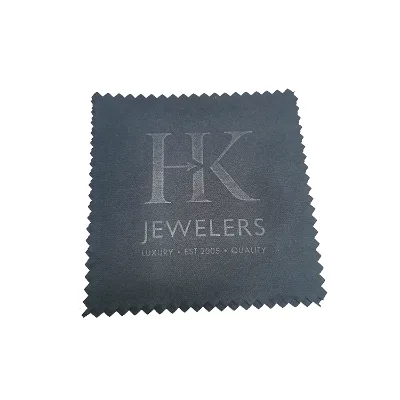


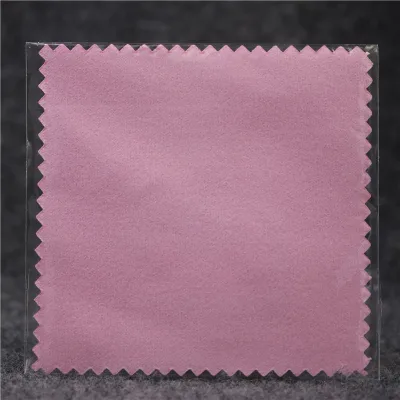
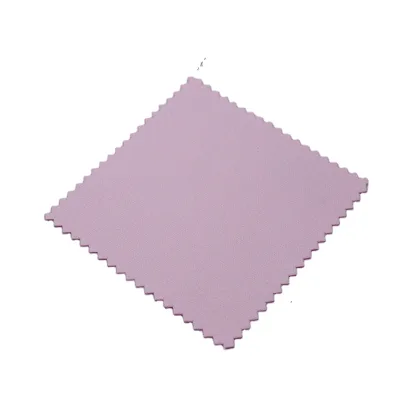
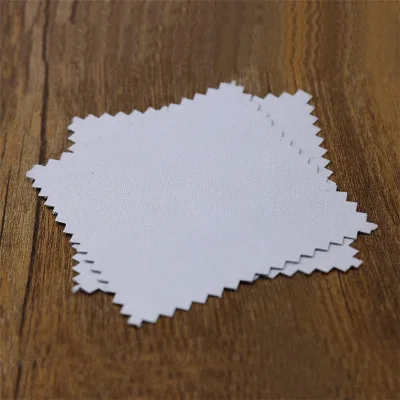
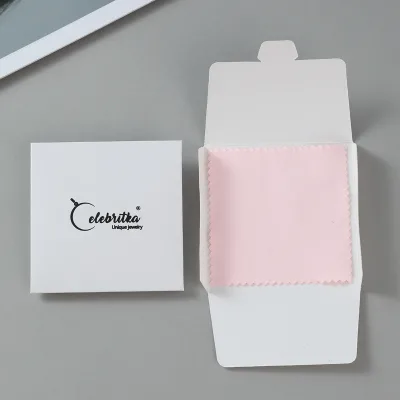
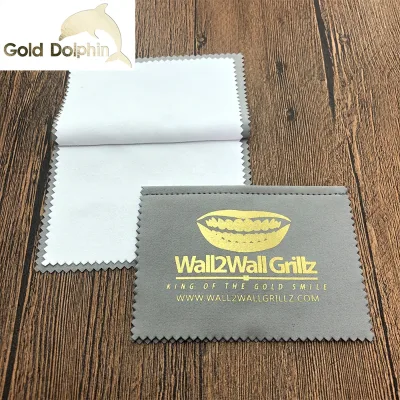
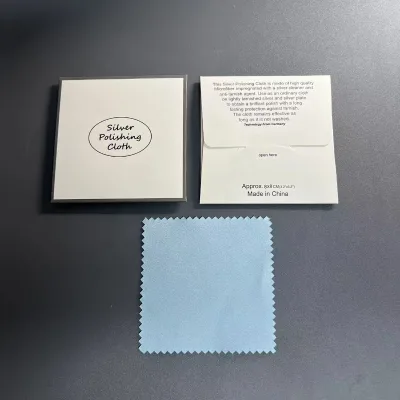
Custom Logo Size All Purpose Jewelry Polishing Cloth Silver Gold Cleaning Cloth
$0.08 - $0.09
MOQ: 500 pieces
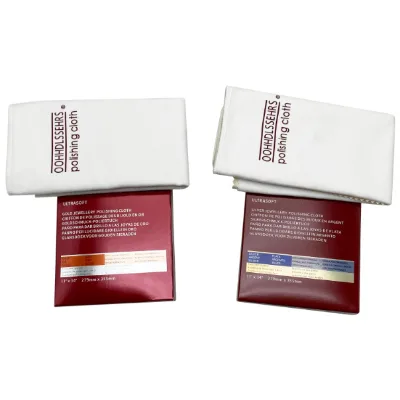
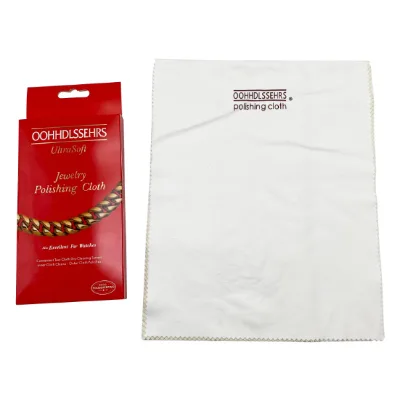

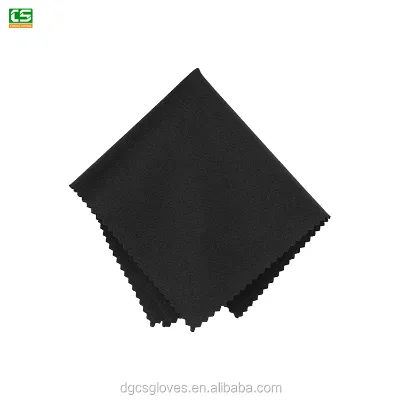


Comprehensive Sourcing Guide
Anti Tarnish Jewelry Cleaner Cloth Sourcing Guide
Sourcing anti-tarnish jewelry cleaner cloths requires a clear distinction between standard polishing materials and specialized protective textiles. These products serve a dual function in the jewelry industry: they are designed to gently remove surface oxidation and fingerprints from precious metals and gemstones while simultaneously providing a barrier against future tarnishing. Buyers must understand that the efficacy of these cloths depends heavily on the impregnation of anti-tarnish agents and the specific fiber composition of the cloth itself. The market offers a variety of options, ranging from simple microfiber polishing pads to more complex velvet or suede blends treated with volatile corrosion inhibitors.
Procurement decisions should be driven by the specific needs of the end-user, whether that is a jewelry manufacturer, a retailer, or a direct consumer. The observed market signals indicate a wide range of product attributes, including custom sizing, logo printing, and varied material compositions. Buyers need to evaluate not just the cleaning performance but also the packaging and branding capabilities of the supplier. Since these items are often given away as value-adds with jewelry purchases or sold as accessories, the aesthetic appeal and perceived quality of the cloth and its packaging are as critical as its functional properties.
Product Scope and Observed Listing Signals
The current market landscape for jewelry cleaning and protection cloths is diverse, with suppliers offering products that cater to different segments of the jewelry trade. Observed listings reveal a price range that suggests significant variation in material quality and branding options, with costs varying based on customization levels and order volumes. The minimum order quantities (MOQ) observed range from small trial orders of 2 pieces to bulk commercial orders of 1000 pieces, indicating flexibility for both small boutique brands and large-scale distributors. This variability allows buyers to test product quality before committing to larger production runs, which is a crucial step in mitigating supply chain risk.
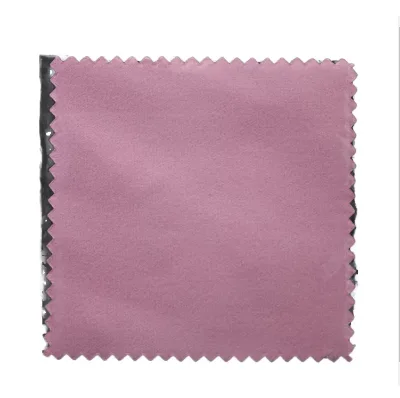
Product attributes observed in the market highlight several key differentiators that buyers should consider. Materials range from microfiber to velvet and suede, each offering different levels of abrasiveness and absorbency. For instance, microfiber is often preferred for its fine cleaning ability without scratching delicate surfaces, while velvet or suede may be used for a softer, more luxurious feel. Additionally, many suppliers offer custom sizes, such as 8x8 cm, 10x10 cm, or larger dimensions like 15x18 cm, allowing buyers to tailor the product to specific jewelry types. The availability of custom logos and packaging, such as OPP bags or cartons, further enhances the product's value as a branded merchandise item.
Technical Specifications to Verify
When evaluating technical specifications, the material composition of the cloth is the primary factor determining its performance and suitability. Buyers should verify whether the cloth is made from microfiber, velvet, suede, or a blend, as each material interacts differently with various jewelry metals and gemstones. Microfiber cloths are generally effective for general cleaning and polishing, while specialized anti-tarnish cloths may contain specific chemical treatments that need to be verified for compatibility with sensitive materials like silver, gold, or platinum. It is essential to confirm that the material does not leave lint or residue on the jewelry, which could compromise the final product's appearance.
Packaging and dimensional specifications are equally critical for logistics and end-user experience. The observed data indicates that single package sizes can be as small as 8x8x0.01 cm, with gross weights ranging from 0.020 kg to 0.030 kg per item. Buyers must verify the packaging details, such as whether items are packed in OPP bags or cartons, and the quantity per package, which can range from 100 to 400 pieces. Custom sizing options are available, but buyers should confirm the tolerances and whether the supplier can accommodate specific dimensions required for their packaging lines. Additionally, the edge type, such as zigzag or hemmed, should be specified to prevent fraying and ensure durability during use.
Compliance and Safety Documentation
Safety and compliance are paramount when sourcing products that come into direct contact with jewelry and, by extension, the skin of the wearer. Buyers must ensure that the anti-tarnish agents impregnated into the cloth are non-toxic and do not pose a risk of skin irritation or allergic reactions. While specific certification standards were not explicitly detailed in the observed listings, buyers should request documentation confirming that the chemicals used are compliant with relevant international safety standards, such as REACH in Europe or CPSIA in the United States. This is particularly important for products marketed towards children or elderly users, as indicated by the suitability attributes observed in the market.
Environmental considerations are also becoming increasingly important in the jewelry accessory market. Buyers should inquire about the eco-friendliness of the materials and the manufacturing process. Some suppliers highlight features such as being eco-friendly, which may refer to the use of biodegradable materials or sustainable manufacturing practices. It is advisable to request information on the recyclability of the packaging and the cloth itself. Additionally, buyers should verify if the supplier adheres to any environmental management standards, such as ISO 14001, to ensure that their sourcing practices align with corporate sustainability goals.
Cost Drivers and Commercial Terms
The cost of anti-tarnish jewelry cleaner cloths is influenced by several factors, including material quality, customization options, and order volume. The observed price range of 0.02 to 2.2 USD per unit reflects the disparity between basic microfiber cloths and premium, custom-branded products with specialized treatments. Buyers should be aware that lower prices may correlate with standard sizes and minimal customization, while higher prices often include custom logos, unique packaging, or higher-grade materials. Understanding these cost drivers is essential for budgeting and negotiating effectively with suppliers.
Commercial terms, such as MOQ and lead times, also play a significant role in the total cost of ownership. The observed MOQs range from 2 to 1000 pieces, with some suppliers offering free samples for logo printing to facilitate decision-making. Lead times vary, with some suppliers indicating a lead time of 4-6 workdays, which is relatively quick for customized orders. Buyers should clarify whether these lead times include production, quality control, and shipping, and whether there are additional costs for expedited shipping. Door-to-door service options are available, which can simplify logistics but may come at a premium.
Supplier Qualification and Quality Control
Supplier qualification is a critical step in ensuring the reliability and consistency of the supply chain. Buyers should verify the supplier's place of origin, with observed listings indicating origins in Anhui and Guangdong, China, which are known manufacturing hubs for textiles and accessories. It is advisable to conduct a thorough audit of the supplier's facilities, checking for proper quality control processes and production capacity. Suppliers that offer customization, such as custom sizes and logos, should demonstrate a robust capability to maintain consistency across large production runs.
Quality control measures should be clearly defined and agreed upon before placing orders. Buyers should request samples to test the cleaning performance, durability, and anti-tarnish properties of the cloths. It is important to verify that the printed logos or designs are durable and do not fade or peel after repeated use. Additionally, buyers should establish clear acceptance criteria for packaging and labeling, ensuring that the products meet their branding and logistical requirements. Regular quality inspections, either during production or before shipment, can help identify and rectify any issues early in the process.
Long-Term Procurement Checks
Long-term procurement success depends on establishing a sustainable and adaptable supply chain. Buyers should regularly review supplier performance metrics, including on-time delivery rates, product quality consistency, and responsiveness to issues. Building a strong relationship with suppliers can lead to better pricing, priority production, and access to new product innovations. It is also important to stay informed about market trends and technological advancements in anti-tarnish materials, which may offer improved performance or cost savings.
Continuous improvement in procurement processes is essential for maintaining competitiveness. Buyers should periodically reassess their sourcing strategies, considering factors such as diversification of suppliers, risk management, and sustainability goals. Engaging in open communication with suppliers about future needs and challenges can foster collaboration and innovation. By maintaining a proactive approach to supplier management and quality assurance, buyers can ensure a steady supply of high-quality anti-tarnish jewelry cleaner cloths that meet the evolving demands of their customers.
FAQs
What material is used for the Anti Tarnish Jewelry Cleaner Cloth?
The cloth is made from microfiber, velvet, or suede materials. These options provide durable and eco-friendly cleaning surfaces suitable for various jewelry types including silver and gold.
Can I request a custom size for the jewelry polishing cloth?
Yes, custom sizes are acceptable for this product. Buyers can specify dimensions such as 8x8cm, 10x10cm, or 15x15cm depending on their specific cleaning needs and packaging requirements.
What is the minimum order quantity for purchasing these cloths?
The minimum order quantity varies between 100 and 500 pieces depending on the specific supplier. Some listings require a multiple of 100 items while others set a fixed MOQ of 500 pieces.
How long does it take to receive the order after placement?
The lead time is typically 4 to 6 workdays for production. This duration applies to standard orders and may vary slightly based on customization requests or specific supplier capacity.
Is custom logo printing available for the jewelry cleaning cloth?
Custom logo printing is available with options for debossed or screen printing. Buyers can request free samples for logo printing to verify quality before placing a bulk order.
Which colors are available for the anti tarnish polishing cloth?
Available colors include white, black, blue, pink, yellow, green, silver, and beige. Specific listings offer up to eight distinct color options to match different branding or aesthetic preferences.
Where are these jewelry cleaner cloths manufactured?
Products originate from manufacturing locations in Anhui and Guangdong, China. These regions are known for producing textile goods with specific packaging details like 400 pieces per opp bag.