Source Antibacterial Deodorizer Urinal Screen Mat for Kitchen, Floor, Wall
Compare 30 listings of Antibacterial Deodorizer Urinal Screen Mat available from suppliers in China. Buyers can evaluate options featuring PVC material, various shapes like strawberry and round, and certifications such as ISOROHS and CCC for kitchen, floor, and wall applications.
Key considerations
Products List


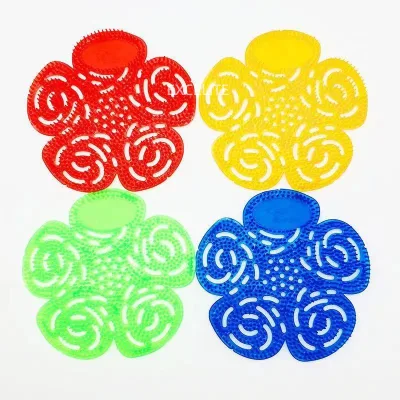
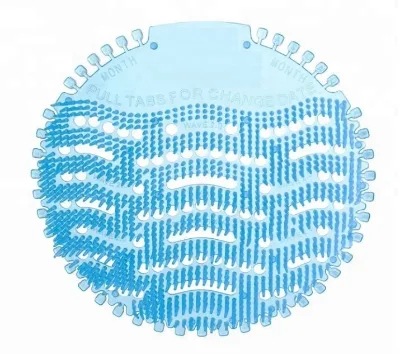
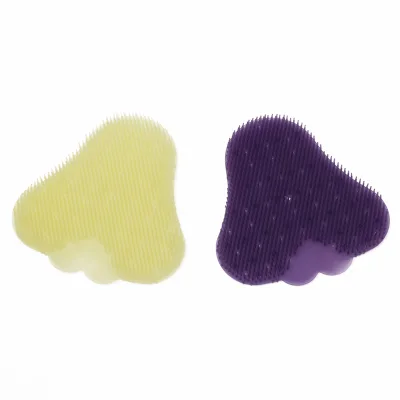
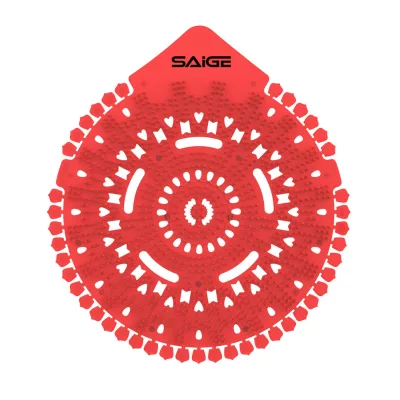


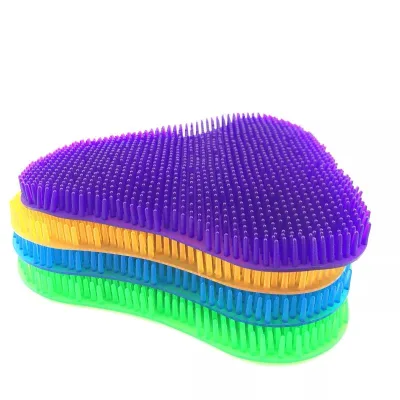
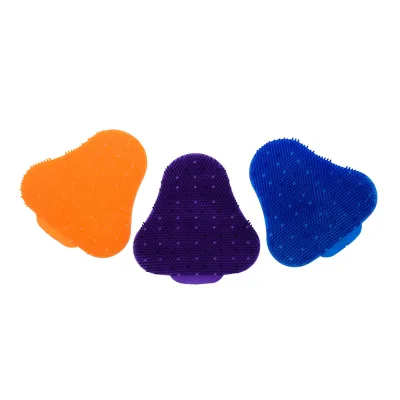

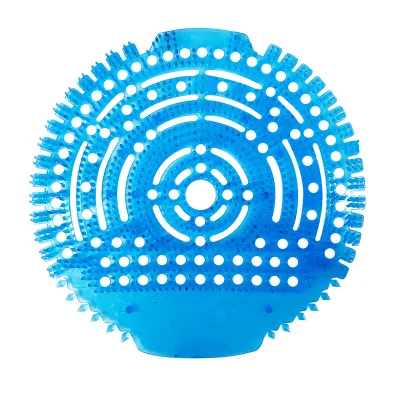
Comprehensive Sourcing Guide
Strategic Sourcing Guide for Antibacterial Deodorizer Urinal Screen Mats
The procurement of antibacterial deodorizer urinal screen mats requires a nuanced understanding of product specifications, material science, and supply chain reliability. These specialized hygiene products serve a dual purpose: they act as a physical barrier to reduce splash and odor while simultaneously releasing deodorizing agents to maintain a sanitary environment in restrooms. Buyers entering this market must navigate a landscape where product attributes vary significantly between suppliers, ranging from gel-based formulations to solid screen mats. This guide outlines the critical factors for sourcing these items, focusing on verified technical data, compliance requirements, and cost structures derived from current market observations.
Technical Specifications and Material Composition
The foundational aspect of sourcing these mats lies in the precise definition of technical specifications. The material composition is a primary determinant of performance and durability. Current market data indicates that Polyvinyl Chloride (PVC) is a prevalent material used in the construction of these mats. PVC offers flexibility and resistance to moisture, which is essential for environments with high humidity. However, buyers must verify the specific grade of PVC used, as not all formulations are suitable for direct contact with cleaning chemicals or for long-term exposure to urinal environments.
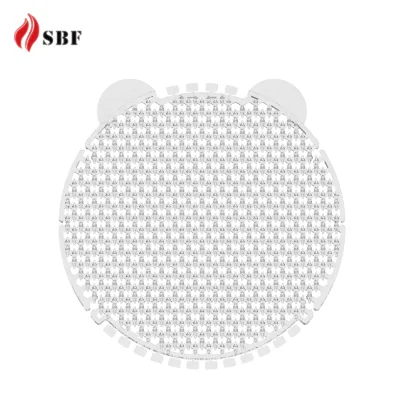
Dimensions and weight are equally critical variables. Observed product standards reveal a range of sizes, with specific models adhering to dimensions such as 17.5x16.5 cm, 18.5x19.5 cm, and 16.7x16.7 cm. Other listings indicate a standard size of 16.x16.5 cm. The weight of the product also fluctuates, with observed values ranging from 45g to a range of 48-50g. These variations suggest that different models may cater to different urinal sizes or usage intensities. Buyers should not assume a single standard size applies to all inventory; instead, they must match the product dimensions to the specific urinal geometry of their facilities.
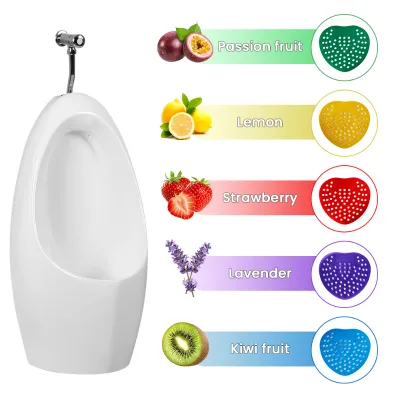
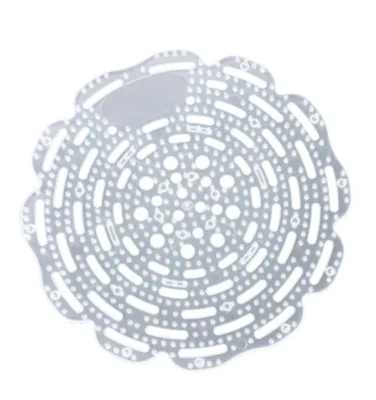
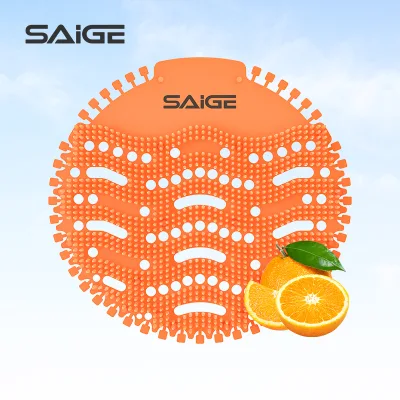
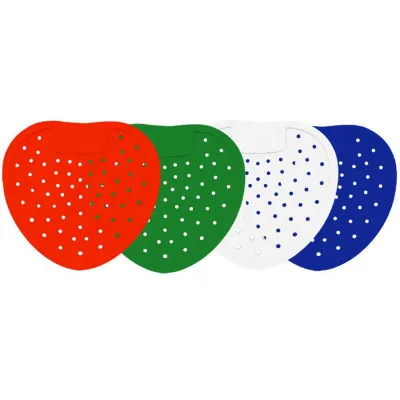
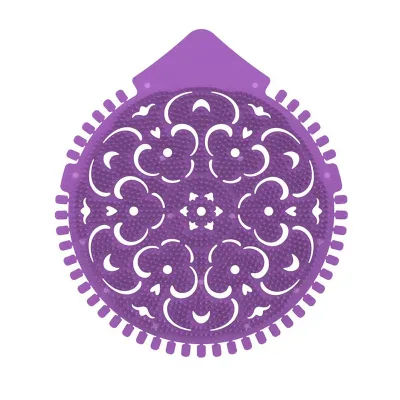
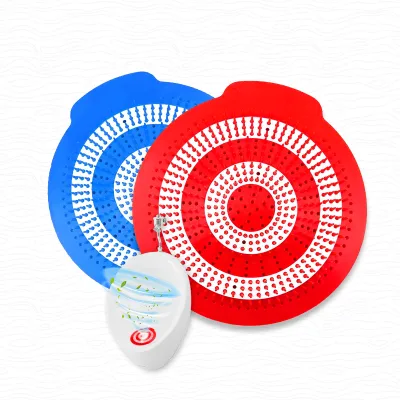
The form factor of the deodorizer is another key specification. While many mats are solid screens, some product attributes describe the form as "Gel." This distinction is vital for installation and maintenance. Gel-based products may require different dispensing mechanisms or mounting hardware compared to solid PVC mats. Furthermore, the shape of the product varies, with options including "Various Shapes," "Strawberry," "Round," and "Triangle." The shape influences the surface area available for deodorization and the aesthetic appeal of the restroom.
Compliance, Certification, and Safety Standards
In the realm of hygiene products, compliance with safety and environmental standards is non-negotiable. Buyers must rigorously verify the certification status of any potential supplier. The available data points to specific certifications such as ISOROHS and CCC. ISOROHS typically refers to compliance with international standards regarding the restriction of hazardous substances, ensuring the product does not contain lead, mercury, or other toxic materials. The CCC mark indicates compliance with Chinese Compulsory Certification, which is a mandatory requirement for products sold within China and often serves as a baseline for quality assurance in export markets.
However, the presence of these certifications on a listing does not guarantee that every unit in a bulk order meets the same standard. Buyers must request valid, up-to-date certification documents for the specific batch being purchased. Additionally, the "Eco-Friendly" attribute is frequently mentioned, with some products featuring "Biodegradable Packaging." While this is a positive environmental indicator, it refers to the packaging rather than the mat itself. Procurement teams should clarify whether the PVC material used is recyclable or if it contains plasticizers that might leach into the environment over time.
The "Universal Restroom Mats" specification suggests a level of adaptability, but buyers must confirm that the product meets local building codes and health department regulations. In some jurisdictions, the use of certain scents or chemical release rates in public restrooms is regulated. Therefore, verifying that the product complies with local environmental health standards is a prerequisite before placing an order.
Cost Drivers and Pricing Dynamics
Understanding the cost structure of antibacterial deodorizer mats is essential for budgeting and negotiation. The observed price range in the market spans from $0.24 to $10.00 USD. This wide disparity indicates that price is heavily influenced by factors such as material quality, customization level, and order volume. The lower end of the spectrum likely corresponds to standard, non-customized units with basic packaging, while the higher end may reflect specialized shapes, premium scents, or custom branding.
The Minimum Order Quantity (MOQ) is a significant driver of unit cost. Market data shows an MOQ range from 1 piece to 5,000 pieces. Suppliers often offer tiered pricing, where the unit cost decreases as the order volume increases. For instance, an MOQ of 100 pieces is noted for certain models, while others may accept orders as low as a single piece for sampling. Buyers should calculate the total landed cost, including shipping and duties, rather than focusing solely on the unit price. A lower unit price with a high MOQ might result in higher inventory carrying costs if the product does not sell through quickly.
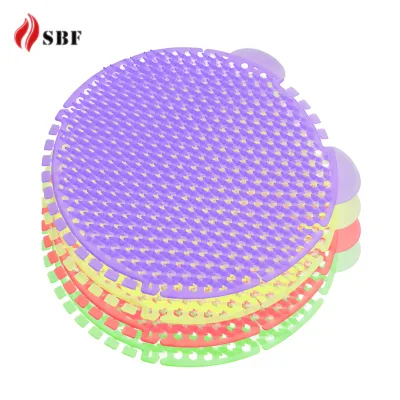
Customization is a major cost factor. The availability of "Customized" options allows buyers to tailor the product to their brand, but this typically incurs a setup fee and a higher per-unit cost. The "Over 1000 Colors for Choice" attribute suggests extensive customization capabilities, which can be a selling point for corporate clients seeking brand consistency. However, buyers must weigh the cost of these customizations against the potential return on investment in terms of brand perception and customer satisfaction.
Typical Applications and Functional Performance
The primary application of these mats is in restrooms, specifically designed for urinals. The product attributes list "Usage" as "Kitchen," "Floor," "Wall," and "Cupboard," indicating a versatility that extends beyond the intended restroom application. However, the core function remains focused on "Connection, Decoration, and Protection." In a restroom context, the "Protection" function refers to preventing splashes and reducing the spread of bacteria, while "Decoration" addresses the aesthetic aspect of the facility.
The deodorizing function is achieved through various scents, including "Apple," "Ocean," "Lemon," "Cherry," "Orange," and "Floral Scent." The choice of scent is critical; strong or inappropriate fragrances can be offensive in public spaces. Buyers should consider the "Fresh" function attribute, which implies the product's ability to neutralize odors rather than just masking them. The "Disposable" and "Stocked" attributes suggest that some products are designed for single-use or easy replacement, which simplifies maintenance for facility managers.
The "Classic" style and "Strawberry" or "Round" shapes indicate that these products are also intended to be visually appealing. In high-traffic commercial restrooms, the visual presentation of hygiene products can influence user perception of cleanliness. Therefore, the aesthetic design should align with the overall interior design of the facility.
Supplier Evaluation and Sourcing Strategy
Evaluating suppliers requires a systematic approach to ensure reliability and quality. The product origin is consistently listed as "Shanghai, China" or generally "Made in China." While this provides a geographic baseline, buyers must verify the specific manufacturing capabilities of the supplier. A supplier located in Shanghai may have access to different supply chains and logistics networks compared to one in a different region.
Key evaluation criteria include the supplier's ability to meet the specific "prod_model" requirements, such as QM2026-6-24, qm-68, or U411.70. Buyers should request samples of different models to test the actual performance of the deodorizer and the durability of the material. The "Brand Name" AOLQ is mentioned in the data, but buyers should not limit their search to a single brand. Instead, they should look for suppliers who can demonstrate a track record of consistent quality across multiple product lines.
The "Package Way" and "prod_packing" attributes, such as "Oppbag," "Carton," "Pallet," and "Dispensers," are crucial for logistics planning. Suppliers offering "Carton" or "Pallet" packaging are better suited for large-scale distribution, while "Oppbag" packaging might be more appropriate for smaller, direct-to-consumer shipments. Buyers must ensure that the packaging protects the product during transit, especially given the "Biodegradable Packaging" claims which may have different durability characteristics.
Quality Control and Long-Term Procurement Considerations
Implementing a robust quality control (QC) process is essential for maintaining product integrity. Buyers should establish clear acceptance criteria based on the observed specifications, such as weight (45g to 50g), dimensions (16.7x16.7 cm to 18.5x19.5 cm), and material composition (PVC). Random sampling and testing should be conducted to verify that the product matches the provided samples and specifications.
Long-term procurement considerations involve building a sustainable supply chain. The "Customization" and "Available" attributes suggest that suppliers are willing to adapt to buyer needs, which is beneficial for long-term partnerships. However, buyers should also consider the "Lead Time" and "MOQ" flexibility. A supplier that can accommodate small, frequent orders may be more suitable for businesses with fluctuating demand than one that requires large, infrequent bulk orders.
The "Eco-Friendly" and "Biodegradable Packaging" attributes indicate a growing trend towards sustainability. Buyers should prioritize suppliers who are committed to environmental responsibility, as this aligns with corporate social responsibility goals and may enhance the brand image of the purchasing organization. Additionally, the "Standard" attribute, which includes "Regular" and "Customize Acceptable," suggests that buyers have the option to standardize their procurement to reduce complexity and cost.
Comparison of Product Attributes
To facilitate decision-making, the following table summarizes key product attributes observed in the market:
| Attribute Category | Observed Values | Notes for Procurement |
|---|---|---|
| Material | PVC | Verify grade and chemical resistance. |
| Dimensions | 16.7x16.7 cm, 17.5x16.5 cm, 18.5x19.5 cm | Match to specific urinal sizes. |
| Weight | 45g, 48-50g | Heavier units may offer better durability. |
| Scent Options | Apple, Ocean, Lemon, Cherry, Orange, Floral | Ensure scent is appropriate for the facility. |
| Certifications | ISOROHS, CCC | Request valid certificates for each batch. |
| Packaging | Carton, Oppbag, Pallet, Dispensers | Consider logistics and storage requirements. |
| MOQ | 1 - 5,000 pcs | Negotiate based on volume and cash flow. |
| Origin | Shanghai, China | Verify specific factory location for logistics. |
By adhering to these guidelines and focusing on verified data, buyers can effectively source high-quality antibacterial deodorizer urinal screen mats that meet their specific operational and compliance needs. The key is to maintain a disciplined approach to specification verification and supplier evaluation, ensuring that the final product delivers the promised performance and value.
FAQs
What certifications do these mats typically hold?
These mats typically hold ISOROHS and CCC certifications to ensure safety and compliance. Buyers must verify valid documents for each specific batch to confirm the product does not contain hazardous substances like lead or mercury.
How much do antibacterial deodorizer urinal screen mats cost?
The observed price range spans from 0.24 to 10 USD per unit depending on customization and volume. Lower prices usually correspond to standard non-customized units, while specialized shapes or premium scents command higher costs.
Which materials are used to construct these restroom mats?
Polyvinyl Chloride (PVC) is the prevalent material used for construction due to its moisture resistance. Buyers should verify the specific PVC grade to ensure suitability for direct contact with cleaning chemicals in high-humidity environments.
Can buyers customize the shape and color of the mats?
Yes, customization is available with options for various shapes like strawberry, round, or triangle and over 1000 colors. This flexibility allows for brand consistency but typically incurs a setup fee and higher per-unit cost.
What is the minimum order quantity for these products?
The minimum order quantity ranges from 1 piece for sampling to 5000 pieces for bulk orders. Some models require a specific MOQ of 100 pieces, so buyers should calculate total landed costs including shipping and duties.
Where are these mats manufactured and what is the origin?
The products originate from Shanghai, China, or are generally made in China. Buyers should verify the specific manufacturing capabilities of the supplier in Shanghai to ensure access to reliable supply chains and logistics networks.
How are these mats packaged for shipping and storage?
Packaging options include carton, Oppbag, pallet, and dispensers depending on the order size. Carton or pallet packaging is better for large-scale distribution, while Oppbag suits smaller direct-to-consumer shipments.