Source Antique Custom Sports Trophy for Events, Gifts, and Decor
Find 30 options for an Antique Custom Sports Trophy designed for sports activities, holiday gifts, and business souvenirs. Compare models like GTH-PT001 and 0826-29, noting materials such as alloy and plastic, plating finishes, and OEM customization services available from Guangdong suppliers.
Key considerations
Products List


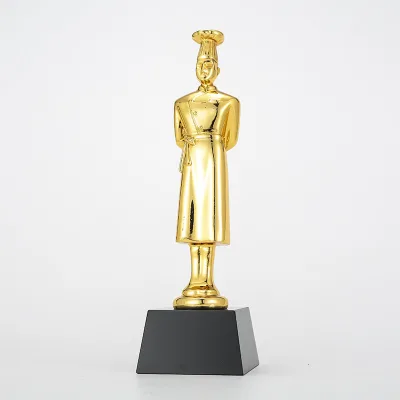
3D Electroplated Antique Metal Trophy with Custom Logo for Sports Souvenir
$4.00 - $10.50
MOQ: 20 Pieces

Custom Bulk Custom Resin Trophies with Logo Option for Branded Sports Events
$4.00 - $10.50
MOQ: 20 Pieces


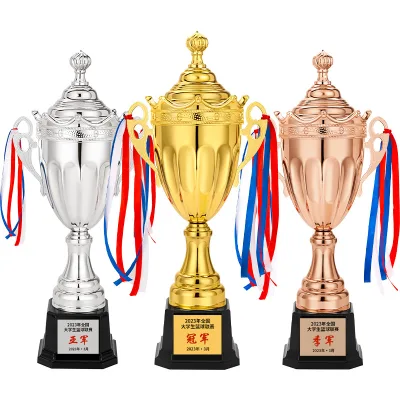
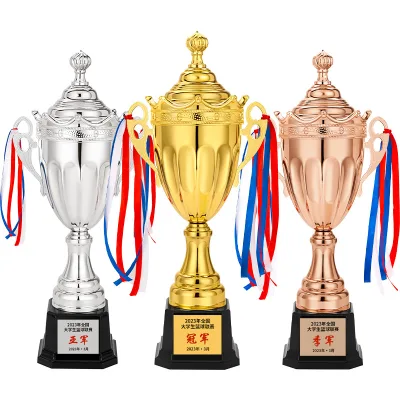
Manufacturer Custom Logo Award Cup World Sports Gold Silver Bronze Trophies
$200.00 - $299.00
MOQ: 1 Pieces






Comprehensive Sourcing Guide
Antique Custom Sports Trophy Sourcing Guide
Sourcing antique-style custom sports trophies requires a nuanced understanding of both aesthetic craftsmanship and commercial logistics. These items are not merely decorative objects but functional awards designed to commemorate achievements in sports activities, corporate events, and holiday gifts. The "antique" designation typically refers to a specific plating finish—such as brass, bronze, or antique gold/silver—that evokes a sense of heritage and prestige. Buyers must recognize that this aesthetic is achieved through specific surface treatments rather than the use of aged materials, meaning the underlying structure is often modern and durable. Understanding this distinction is critical when evaluating samples, as the visual appeal of the patina must be balanced against the structural integrity required for frequent handling and transport.
The procurement process for these trophies involves navigating a market that offers significant customization options, from model numbers to packaging. Suppliers often provide a wide range of base models, such as GTH-PT001 or GT11163625415, which can be tailored to specific brand identities or event themes. This flexibility allows buyers to create unique awards that stand out, but it also introduces complexity in quality control. Because each order may involve unique design elements, the verification process must be rigorous. Buyers should focus on establishing clear communication channels with suppliers to ensure that the "antique" finish meets their exact expectations, as variations in plating thickness and color tone can significantly impact the final perceived value of the trophy.
Product Scope and Observed Listing Signals
The current market for antique custom sports trophies is characterized by a diverse range of materials and styles, primarily centered around plastic and alloy constructions. Observed listings indicate that plastic remains a dominant material due to its cost-effectiveness and versatility in molding complex, irregular shapes that mimic traditional metalwork. However, alloy options are also prevalent, offering a heavier, more premium feel that aligns well with the "antique" aesthetic. Buyers should note that while plastic trophies are often lighter and more affordable, alloy trophies provide a substantial weight that enhances the perceived value of the award. The choice between these materials should be driven by the budget constraints and the desired tactile experience for the recipients.
Listing signals also reveal a strong emphasis on customization and OEM (Original Equipment Manufacturer) services. Suppliers frequently advertise their ability to produce customized products with specific shapes, styles, and techniques, including 3D modeling and various plating options like gold, silver, or bronze. The presence of multiple model numbers, such as GTC-PT002 and 0826-29, suggests a robust inventory of base designs that can be adapted to specific client needs. Additionally, the availability of low MOQs (Minimum Order Quantities) and acceptance of small orders indicates that these suppliers are flexible and cater to a wide range of buyers, from small event organizers to large corporations. This flexibility is a key advantage for buyers who need to test the market or produce limited edition awards.
Technical Specifications to Verify
When verifying technical specifications, buyers must pay close attention to the plating and finish details, as these are central to the "antique" appeal. The observed data highlights options for gold, silver, brass, and antique plating, which can be applied to both plastic and alloy bases. It is essential to confirm the thickness and durability of the plating, as thinner layers may wear off quickly with handling. Additionally, the clarity and color consistency of the finish should be specified in the contract. Buyers should request samples to evaluate the texture and color accuracy, ensuring that the "antique" look is consistent across all units in the order. Variations in plating can lead to a disjointed appearance, which is particularly problematic for large-scale events where uniformity is expected.
Another critical technical aspect is the printing and engraving methods used for customization. Suppliers offer thermal transfer printing, UV printing, and engraving techniques, each with its own advantages and limitations. Engraving provides a permanent and professional look, suitable for names and dates, while UV printing allows for full-color graphics and logos. Buyers should verify the compatibility of these printing methods with the chosen material and plating. For instance, certain inks may not adhere well to metallic surfaces, leading to peeling or fading. It is also important to confirm the resolution and color accuracy of the printing, especially if the design includes intricate details or gradients. Clear specifications in the purchase order will help avoid disputes over quality and ensure that the final product meets the buyer's expectations.
Compliance and Safety Documentation
Compliance and safety are paramount when sourcing trophies, especially those intended for children or used in educational settings. Buyers should verify that the suppliers hold relevant certifications, such as ISO, SGS, and BSCI, which indicate adherence to international quality and social responsibility standards. These certifications provide assurance that the manufacturing processes are controlled and that the materials used are safe for human contact. Additionally, buyers should inquire about the specific materials used in the construction of the trophies, particularly the plastics and alloys, to ensure they are free from harmful substances like lead or phthalates. Requesting material safety data sheets (MSDS) can provide further insight into the chemical composition of the products.
Documentation should also include proof of compliance with relevant environmental standards, given the growing emphasis on sustainability in procurement. Suppliers that advertise eco-friendly features should be able to provide evidence of their claims, such as certifications for recyclable materials or sustainable manufacturing practices. Buyers should also verify the packaging materials used, ensuring they are minimal and recyclable where possible. This not only aligns with corporate social responsibility goals but also reduces the environmental impact of the procurement process. Clear communication about compliance requirements in the initial stages of sourcing can help avoid delays and ensure that the final products meet all necessary regulatory standards.
Cost Drivers and Commercial Terms
The cost of antique custom sports trophies is influenced by several factors, including the material choice, plating complexity, and customization level. Alloy trophies with intricate 3D designs and thick antique plating will naturally be more expensive than simple plastic models. Buyers should also consider the impact of printing and engraving costs, which can vary based on the complexity of the design and the number of units ordered. Understanding these cost drivers is essential for budgeting and negotiating effectively with suppliers. It is advisable to request detailed quotes that break down the costs of materials, labor, and finishing, allowing for a transparent comparison between different suppliers and options.
Commercial terms, such as MOQ, lead time, and payment methods, also play a significant role in the overall cost and logistics of the procurement. Observed listings indicate MOQs ranging from 20 pieces to 100 pieces, with lead times typically between 15 and 20 days. Buyers should factor in these timelines when planning their events, allowing for buffer time to address any potential issues. Payment terms, such as PayPal, TT, or Western Union, should be negotiated to ensure security and flexibility. Additionally, shipping methods, including DHL, UPS, FedEx, or sea/air freight, will impact the total cost and delivery time. Buyers should evaluate these options based on their urgency and budget, choosing the most cost-effective solution that meets their delivery requirements.
Supplier Qualification and Quality Control
Supplier qualification is a critical step in ensuring the successful procurement of antique custom sports trophies. Buyers should conduct thorough due diligence on potential suppliers, verifying their business licenses, production capabilities, and past performance. Requesting references from previous clients can provide valuable insights into the supplier's reliability and quality standards. Additionally, buyers should assess the supplier's ability to handle customization requests, as this is a key feature of the product. Suppliers that demonstrate flexibility and responsiveness in their communication are more likely to deliver satisfactory results. It is also important to verify the supplier's location, as Guangdong and Guangzhou in China are known hubs for trophy manufacturing, offering access to skilled labor and advanced production facilities.
Quality control measures should be established early in the procurement process to minimize the risk of defects and delays. Buyers should implement a rigorous inspection protocol, including pre-production samples, in-process checks, and final inspections before shipment. Requesting high-resolution photos or videos of the production process can provide additional assurance of quality. Additionally, buyers should define clear acceptance criteria for the final products, including tolerances for color, size, and finish. Establishing a clear process for addressing defects or discrepancies will help maintain a positive relationship with the supplier and ensure that the final products meet the buyer's expectations. Regular communication and feedback throughout the production process can also help identify and resolve issues promptly.
Long-Term Procurement Checks
Long-term procurement success depends on building sustainable relationships with suppliers and continuously evaluating performance. Buyers should establish a regular review process to assess supplier performance based on key metrics such as quality, delivery time, and responsiveness. This feedback loop can help identify areas for improvement and strengthen the partnership over time. Additionally, buyers should stay informed about industry trends and technological advancements that may impact the production of antique custom sports trophies. This proactive approach can help buyers stay ahead of the curve and make informed decisions about their sourcing strategies.
It is also important to regularly update the supplier qualification criteria to reflect changing market conditions and regulatory requirements. Buyers should periodically re-evaluate their supplier base to ensure they are working with the most capable and reliable partners. This may involve onboarding new suppliers or diversifying the supply chain to mitigate risks. Additionally, buyers should maintain open lines of communication with their suppliers, fostering a collaborative environment that encourages innovation and continuous improvement. By investing in long-term relationships and strategic planning, buyers can ensure a steady supply of high-quality antique custom sports trophies that meet their evolving needs.
FAQs
Can I order custom antique sports trophies with low MOQ?
Yes, you can order custom antique sports trophies with low MOQ. The product page indicates a minimum order quantity of 20 pieces, though some listings mention low MOQ options. Customization is available for shape, size, and plating to meet your specific event needs.
What materials are used for these antique custom sports trophies?
These trophies are primarily made from plastic and alloy materials. The product attributes confirm the use of these durable substances to create irregular shapes suitable for sports activities and souvenirs. You can choose from various plating options like gold, silver, or bronze to finish the look.
Which certifications do the manufacturers hold for these trophies?
Manufacturers hold ISO, SGS, and BSCI certifications for these trophies. These credentials ensure quality and ethical production standards. The product facts list ISO and SGS specifically, providing assurance that the items meet international requirements for business gifts and collection pieces.
How long is the lead time for custom antique sports trophies?
The lead time for custom antique sports trophies is typically 15 to 20 days. This duration covers the production and preparation for shipping. You can expect this timeframe regardless of whether you choose standard or customized specifications for your order.
What shipping methods are available for these custom trophies?
Available shipping methods include DHL, UPS, FedEx, sea, and air freight. These options allow you to select the best balance of speed and cost for your delivery needs. The product details confirm that multiple carriers are supported for both domestic and international shipments.
Can I get these trophies with specific plating finishes?
Yes, you can get these trophies with specific plating finishes like gold, silver, bronze, or antique. The product attributes list these exact options for customization. This allows you to match the trophy's appearance to your event theme or brand identity effectively.
What payment methods are accepted for these orders?
Accepted payment methods include PayPal, TT, and Wu. These options provide flexibility for international and domestic buyers. The product page explicitly lists these three methods as the standard ways to complete transactions for custom sports trophies.