Source Antique Brown Wood Chair for Hotel, Restaurant, and Home
Explore 30 listings for the Antique Brown Wood Chair, featuring solid oak frames and genuine leather options. Compare specifications from suppliers in Shanghai and Guangdong to find suitable dining or living room furniture for your business needs; compare the available evidence and request quotations based on your requirements.
Key considerations
Products List
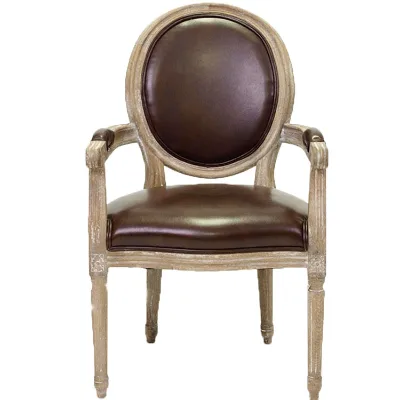
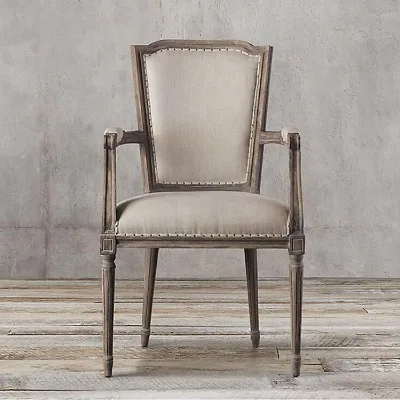
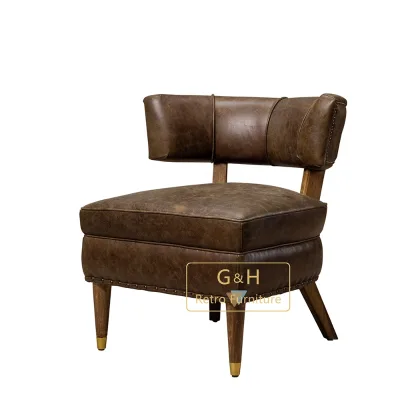


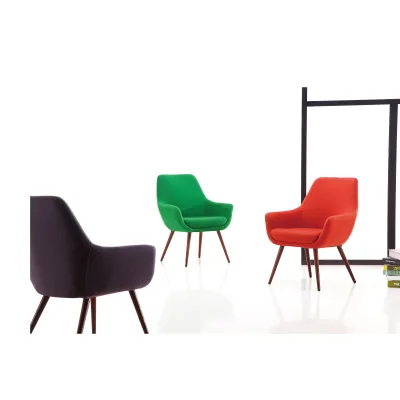


Classical Simple Household Customizable Brown Solid Wood Multifunctional Chair
$30.00 - $40.00
MOQ: 50 Pieces


Classic Wooden Dining Chair with Upholstered Seat for Traditional Dining Rooms
$500.00 - $2000.00
MOQ: 1 Pieces

Comprehensive Sourcing Guide
Antique Brown Wood Chair Sourcing Guide
Procuring antique brown wood chairs requires distinguishing between genuine vintage reproductions and modern furniture designed with a retro aesthetic. The market offers distinct variations, such as solid oak frames paired with genuine leather upholstery, which define the specific "American country retro" style often sought by buyers. These pieces are frequently marketed for use in hotels, restaurants, and banquet halls, yet they also serve as functional dining room furniture for residential settings. Buyers must carefully evaluate whether the listed "antique" appearance is a stylistic choice or a claim of historical authenticity, as the latter is rare in mass-produced B2B listings.
The sourcing landscape reveals a wide range of product attributes, from standard dining chairs to leisure chairs with varying armrest configurations. Some listings specify a solid wood oak frame with a brown finish, while others describe a traditional design style suitable for living rooms or general home furniture applications. It is critical to verify the specific material composition, as some products may list "wooden" as a general category while others explicitly state "solid wood oak." This distinction impacts durability and price, requiring buyers to cross-reference material claims against the physical sample or detailed technical specifications before committing to a bulk order.
Product Scope and Observed Listing Signals
Buyers should expect to encounter a diverse range of product types under the Antique Brown Wood Chair keyword, including specific models like the chair1202 and GH763A, which feature different structural designs. One common variation is the armrest dining chair, often constructed with a solid oak frame and genuine leather seating, designed for high-traffic dining areas. In contrast, other listings may describe a "leisure chair" or a standard dining chair without armrests, tailored for living room applications or general home furniture needs. Understanding these scope differences is essential for matching the product to the intended environment, whether it is a commercial banquet hall or a private residence.
Listing signals often include specific details about the product's condition, such as "new" or "customized," and the availability of color options beyond the standard brown. Some suppliers indicate that the chairs are sold as single items with a specific model number, while others offer customization services for frame assembly or finish. The presence of "mail packing" or standard carton packaging with specific unit counts, such as 9 or 10 pieces per carton, provides insight into the logistics and shipping requirements. Buyers must scrutinize these signals to ensure the product matches the visual and functional expectations of the antique aesthetic they wish to procure.
Technical Specifications to Verify
Technical verification begins with confirming the frame construction and material integrity, as listings may vary between "solid wood oak" and generic "wooden" descriptions. Buyers must explicitly check the single package dimensions, which can range from 50x50x85 cm to 62x76x80 cm, to ensure compatibility with their shipping containers and storage facilities. The weight of individual units, often around 10 kg, is another critical factor for freight cost calculations and handling requirements. Additionally, the distinction between "folded" and "unfolded" states is vital, as most antique-style dining chairs are non-folding, fixed-structure pieces that require specific space planning.
Further verification is required for the upholstery and finish details, particularly the claim of "genuine leather" versus synthetic alternatives. The color options may be listed as "optional" or specifically "brown," but the exact shade and texture should be confirmed against a physical sample. Buyers should also verify the model number, such as F1011 or chair1202, to ensure consistency across the order, as different models may have varying seat heights or backrest shapes. Confirming the "rotary" or "fixed" nature of the chair base and the specific shape, such as rectangular, ensures the furniture meets the ergonomic and spatial requirements of the target application.
Compliance and Safety Documentation
While specific certification data like FSC is noted in background information, buyers must actively request and verify current compliance documentation for every batch ordered. In the furniture industry, safety standards often relate to structural stability, flammability, and chemical emissions, particularly for items with leather and wood components. Buyers should ask suppliers to provide test reports that confirm the chair meets the safety regulations of the destination country, rather than relying on general claims of quality. The absence of explicit certification details in the initial listing signals that this is a variable attribute that must be negotiated and documented before shipment.
Documentation regarding the product's origin and manufacturing process is equally important for import clearance and brand integrity. Listings indicate origins in Shanghai or Guangdong, China, which may subject the goods to specific trade regulations or tariffs depending on the buyer's location. Buyers should ensure that the supplier provides a commercial invoice and packing list that accurately reflect the declared value, weight, and country of origin. Verifying that the "new" condition and "customized" status are clearly stated in the shipping documents prevents potential customs delays and ensures that the goods match the contractual agreement.
Cost Drivers and Commercial Terms
The cost of antique brown wood chairs is heavily influenced by the material quality, specifically the use of solid oak and genuine leather versus composite materials. Listings show a broad price range, suggesting that the final unit cost depends on the specific model, customization level, and the volume of the order. Buyers must analyze the Minimum Order Quantity (MOQ), which can range from 1 to 500 pieces, to determine the most economical purchasing strategy. A lower MOQ might be suitable for testing the market, while a higher volume order could unlock better pricing tiers and reduce the per-unit shipping cost.
Commercial terms such as delivery time and payment conditions are critical variables that affect the total cost of ownership. Typical lead times for these items are observed to be between 20 and 25 days, which must be factored into the supply chain planning to avoid stockouts. The warranty period, often cited as 2 to 3 years, adds value but requires clear terms regarding what constitutes a defect versus normal wear and tear. Buyers should negotiate these terms explicitly, ensuring that the "standard" packing and "carton" specifications are included in the final contract to avoid unexpected logistics expenses.
Supplier Qualification and Quality Control
Qualifying a supplier for antique brown wood chairs involves assessing their ability to maintain consistent quality across large production runs. Buyers should verify the supplier's track record in producing "American country retro" style furniture and their capacity to handle "customized" orders without compromising the design integrity. The presence of a specific brand name, such as Muchun, can be a positive indicator of established manufacturing capabilities, but it should not replace the need for direct quality audits. Requesting references from previous clients who have purchased similar dining or living room furniture helps validate the supplier's reliability.
Quality control protocols must be established to ensure that the "solid wood oak" frames and "genuine leather" upholstery meet the agreed-upon standards. Buyers should implement a pre-shipment inspection process that checks for structural defects, finish consistency, and the accuracy of the model specifications. Since the chairs are often "assembled" and sold as single items, verifying the stability of the joints and the durability of the leather is essential. Establishing a clear communication channel for reporting defects and defining the remediation process ensures that any quality issues are resolved before the goods leave the factory.
Long-Term Procurement Checks
Sustaining a successful procurement relationship requires regular monitoring of the supplier's ability to meet delivery timelines and maintain product consistency. Buyers should track the actual lead times against the quoted 20-25 days to identify any potential bottlenecks in the production or shipping process. Consistent delays can disrupt inventory levels, especially for furniture used in commercial settings like hotels and restaurants where replacement parts or matching sets are needed. Establishing a schedule for periodic quality reviews helps ensure that the "antique" style and material quality remain consistent over time.
Long-term checks also involve evaluating the supplier's responsiveness to customization requests and their ability to adapt to changing market demands. As the "color" options and "design style" evolve, the supplier must demonstrate flexibility in producing new variations without significant lead time increases. Buyers should maintain a database of product specifications, including model numbers and dimensions, to facilitate future reordering and ensure compatibility with existing furniture sets. Regularly reviewing the warranty claims and return rates provides valuable data on the long-term durability and customer satisfaction associated with the antique brown wood chairs.
FAQs
What is the frame material for the Antique Brown Wood Chair?
The frame is constructed from solid oak wood, providing a sturdy and durable foundation for the seating structure. This material choice supports the American country retro antique style, ensuring longevity and a classic aesthetic suitable for various dining or living room environments.
Can the Antique Brown Wood Chair be customized for specific needs?
Yes, customization is available for this dining chair model. Buyers can request specific modifications to suit their requirements, allowing for tailored solutions in hotel, restaurant, or home settings. This flexibility ensures the furniture meets distinct design and functional preferences.
What is the minimum order quantity for this dining chair?
The minimum order quantity is six pieces. This MOQ applies to the specific dining room chair model, facilitating small to medium bulk purchases for commercial or residential projects. Buyers should plan their orders accordingly to meet this initial threshold for production.
How long is the delivery time for these chairs?
The standard delivery time ranges from twenty to twenty-five days. This timeframe accounts for production and preparation processes. Buyers should factor this lead time into their procurement schedules to ensure timely arrival for hotel, banquet, or home dining area installations.
What is the warranty period for the Antique Brown Wood Chair?
The product comes with a warranty period of two to three years. This coverage provides assurance regarding the quality and durability of the genuine leather and solid oak construction. Buyers benefit from this guarantee for peace of mind in their furniture investment.
What are the packaging details for the dining chairs?
The chairs are packed in standard cartons, with nine or ten pieces per carton. This efficient packing method protects the furniture during transit. The single package size is approximately 50x50x85 cm, facilitating easier handling and storage for buyers and logistics providers.