Source Antique Brown Mirror Frame for Home, Hotel, and Commercial Use
Compare 30 available Antique Brown Mirror Frame options featuring wood, steel, or glass frames in silver, antique, and modern styles. Buyers can evaluate customization, sizes, and packing details for household, commercial, and hotel applications.
Key considerations
Products List


Decorative Antique Mirror with Antique Frame for Living Room, Hotel, Bedroom
$3.65
MOQ: 100 Square Meters
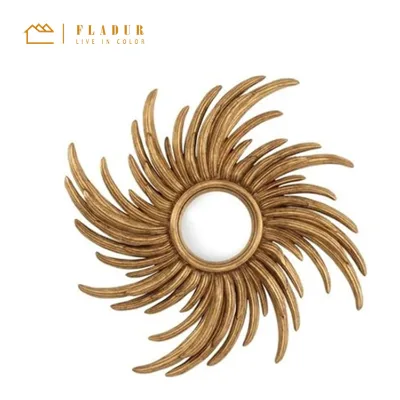
$152.67 - $519.08
MOQ: 10 Minimum


3mm~6mm Antique Mirror for Home Decoration, Furniture and Mirror Frames
$1.68 - $8.23
MOQ: 100 Square Meters


Antique Decorative Irregular Mirror Luxury Creative Wall Mirror with Frame
$65.31 - $68.91
MOQ: 20 Pieces


Comprehensive Sourcing Guide
Strategic Sourcing Guide for Antique Brown Mirror Frames
Understanding Product Attributes and Design Variations
When sourcing an Antique Brown Mirror Frame, buyers must first navigate the complex landscape of available product attributes, as the market offers a diverse range of styles and materials that may not immediately align with the specific "antique brown" keyword. The core product category encompasses mirrors intended for household, commercial, hotel, and even amusement or outdoor applications. While the keyword specifies an antique style, the observed product data indicates a significant presence of modern, contemporary, and irregular designs alongside traditional shapes.
The frame material is a critical differentiator. The supply base includes frames constructed from wood, steel, and glass. Wood frames are particularly relevant for achieving an authentic antique aesthetic, often finished with silver or customized colors. However, buyers must verify if the "antique brown" finish is a standard offering or a custom request. The data shows that customization is widely available, with specific mentions of "Customized" and "Customized Color" attributes. This suggests that while a standard antique brown may exist, many suppliers operate on a made-to-order basis where the finish is applied to the specific frame material selected.
Shape variations are equally diverse. The inventory includes rectangular, round, square, and irregular shapes. An Antique Brown Mirror Frame is most commonly associated with rectangular or square forms, often featuring ornate detailing, though irregular shapes are also present in the market. The usage context further dictates the design; for instance, frames intended for hotel or commercial use may require more durable finishes compared to those for home decoration. The combination of a single frame is the standard configuration, but the specific design style—whether described as antique, modern, or contemporary—must be explicitly confirmed with the supplier to ensure the visual intent matches the procurement goal.
Technical Specifications and Material Composition
Technical specifications for antique brown mirror frames vary significantly based on the frame material and the intended application. For wooden frames, which are the primary candidate for an antique look, the structural integrity often relies on the quality of the wood and the backing board. The observed data indicates the use of 3mm MDF (Medium Density Fiberboard) as a backboard material, which provides a stable surface for the mirror glass and the frame attachment.
The glass component is another critical technical specification. Available options include 4mm glass, aluminum glass, or silver glass. For high-traffic commercial environments, thicker glass or specific safety glass standards may be required, though the standard observation points to 4mm as a common baseline. Some listings also reference thickness ranges of 3-6mm, suggesting that buyers can request thicker glass for enhanced durability or specific design requirements. The mirror itself is often described as "Silver Glass," which refers to the reflective coating process, but the frame finish is the primary aesthetic driver for the "antique brown" requirement.
Finishing processes play a vital role in the longevity and appearance of the frame. The data highlights "NC Lacquer" as a specific painting process, which is a nitrocellulose lacquer known for its quick drying time and hard finish. This is often used to protect the wood and maintain the color. However, since "Customized" is a prevalent attribute, the finish may also involve custom staining or painting techniques to achieve the specific brown hue. The frame material can also be steel or glass, which would require different finishing techniques, such as powder coating for steel or etching for glass, to achieve a brown antique effect. Buyers must verify the specific finish compatibility with the chosen frame material to ensure the antique aesthetic is not compromised by the application method.
Compliance, Certification, and Quality Standards
Ensuring compliance and verifying certifications are essential steps when sourcing antique brown mirror frames, particularly for commercial and hotel projects where safety and sustainability standards are strict. The supply base includes products that meet recognized standards such as SGS, which is a global inspection, verification, testing, and certification company. This standard often covers product safety and quality assurance, providing a baseline for reliability.
In addition to general quality standards, environmental certifications are increasingly important. The data explicitly mentions FSC (Forest Stewardship Council) and BV (Bureau Veritas) certifications. FSC certification is crucial if the frame is made from wood, as it verifies that the timber comes from responsibly managed forests. This is a significant selling point for buyers targeting eco-conscious markets or green building projects. BV certification typically relates to quality management systems or product testing, offering further assurance of the supplier's capability to deliver consistent quality.
Buyers should also be aware that some products list their standard as "customized," indicating that specific compliance requirements may be negotiated on a case-by-case basis. This flexibility allows for tailored testing protocols but requires the buyer to clearly define their compliance needs upfront. For instance, if the destination market has specific fire safety regulations for hotel furnishings, the supplier must confirm that the wood, lacquer, and glass meet those local standards. The absence of a universal standard for "antique brown" means that the certification status must be verified for each specific order, rather than assuming all products in the category are compliant.
Cost Drivers and Pricing Dynamics
The pricing for antique brown mirror frames is influenced by a complex interplay of factors, including frame material, customization level, size, and packaging requirements. The observed price range in the market spans from $1 to $519.08, reflecting the vast difference between small, simple decorative mirrors and large, custom-framed pieces intended for high-end commercial use.
Material costs are a primary driver. Wooden frames, especially those requiring intricate carving or high-quality timber for an antique finish, generally command higher prices than steel or simple glass frames. The thickness of the glass and the type of backboard also contribute to the cost; thicker glass and higher-grade MDF will increase the unit price. Customization is another significant cost factor. Since "Customized" is a widely available attribute, buyers should expect a price premium for non-standard sizes, unique colors, or specific antique brown shades that require custom mixing or finishing processes.
Packaging requirements also impact the final cost. Standard packaging often involves polybags, polyfoam boards, and master cartons. However, for fragile antique frames or high-value items, more robust packaging such as wooden crates with paper interlayers may be necessary. This specialized packaging adds to the overall cost but is essential for preventing damage during transit. Additionally, the Minimum Order Quantity (MOQ) can influence the unit price. The observed MOQ range is 1 to 1000 units, with some suppliers offering low MOQs of 10 pieces. Buyers purchasing small quantities may face higher per-unit costs compared to those placing bulk orders, where economies of scale can reduce the price significantly.
Typical Applications and Usage Scenarios
Antique brown mirror frames are versatile and find applications across a wide spectrum of environments, from residential interiors to large-scale commercial projects. The data indicates usage in household, commercial, hotel, amusement, and outdoor settings. In residential contexts, these mirrors serve as focal points in living rooms, bedrooms, or entryways, adding a touch of elegance and warmth due to the brown antique finish. The "Home Decoration" and "Interior Decoration" labels confirm their primary role in enhancing aesthetic appeal.
In the commercial sector, antique brown mirrors are frequently used in hotels, restaurants, and retail spaces to create a welcoming and sophisticated atmosphere. The "Hotel" and "Commercial" usage tags highlight their suitability for these environments. In hotel lobbies or guest rooms, the antique style can evoke a sense of history and luxury. For amusement venues, the durability of the frame becomes a key consideration, especially if the mirror is exposed to high traffic or potential impact.
Outdoor applications are also noted, though they require specific material and finish considerations to withstand weather conditions. If an antique brown frame is intended for outdoor use, the buyer must verify that the wood treatment and lacquer finish are resistant to moisture and UV degradation. The "Single Frame" combination suggests that these mirrors are typically standalone pieces, but they can be arranged in groups to create larger decorative installations. The "Application" field also lists "Home Office," indicating their utility in professional settings within a home, where they can add a touch of class to a workspace.
Supplier Evaluation and Quality Control Protocols
Evaluating suppliers for antique brown mirror frames requires a rigorous approach to ensure that the product meets the buyer's aesthetic and functional requirements. The origin of the products is primarily China, with specific mentions of Shandong as a production hub. While this provides a broad geographic context, buyers should verify the specific factory capabilities and quality control processes of the supplier.
Quality control should focus on several key areas: finish consistency, structural integrity, and packaging safety. For the antique brown finish, buyers should request samples to verify the color accuracy and the texture of the wood or metal. The NC lacquer finish should be checked for smoothness, uniformity, and resistance to chipping or peeling. Structural checks should confirm that the frame is securely attached to the backboard and that the glass is properly seated without stress points.
The data mentions "SGS" and "FSC" certifications, which are positive indicators of a supplier's commitment to quality and sustainability. However, buyers should not rely solely on these certifications. Instead, they should implement a pre-shipment inspection protocol. This may involve checking the dimensions, weight, and visual appearance of a random sample from the production batch. For custom orders, a pre-production sample approval process is essential to ensure that the prototype matches the design specifications before mass production begins.
Long-Term Procurement and Supply Chain Considerations
Long-term procurement of antique brown mirror frames involves more than just the initial purchase; it requires a strategic approach to supply chain management and relationship building. The availability of customization suggests that suppliers are willing to adapt to changing market trends, but this flexibility must be managed carefully to maintain consistency over time.
Buyers should establish clear communication channels with suppliers to ensure that the "antique brown" specification remains consistent across multiple orders. This includes defining the exact color codes, finish types, and material grades in the purchase agreement. The "Customized" attribute also implies that lead times may vary depending on the complexity of the order. Buyers should factor in these potential delays when planning their inventory and project timelines.
Sustainability is another long-term consideration. With the availability of FSC-certified wood, buyers can align their procurement with corporate sustainability goals. Building a relationship with suppliers who prioritize responsible sourcing can provide a competitive advantage and reduce the risk of supply chain disruptions related to environmental regulations. Additionally, the diverse packaging options, from standard cartons to wooden crates, should be evaluated based on the buyer's logistics capabilities and environmental impact goals. By focusing on these long-term factors, buyers can ensure a stable and reliable supply of high-quality antique brown mirror frames that meet their evolving needs.
FAQs
What frame materials are available for antique brown mirror frames?
Wood is the primary material used for antique brown mirror frames, though steel and glass options also exist. Buyers should verify the specific material before ordering, as customization allows for different frame compositions to match the desired aesthetic and durability requirements.
Can I customize the size and color of the mirror frame?
Yes, customization is widely available for both size and color, including specific antique brown shades. The product data confirms that sizes and colors can be tailored, allowing buyers to request exact dimensions and finishes to suit their specific interior decoration needs.
Which certifications are commonly available for these mirror frames?
Common certifications include SGS for quality assurance, along with FSC and BV for sustainability and verification. These standards help ensure the product meets safety and environmental requirements, particularly important for commercial and hotel applications where compliance is strict.
How is the mirror glass thickness specified in the product data?
Glass thickness typically ranges from 3mm to 6mm, with 4mm being a common standard for the glass component. Buyers can request specific thicknesses to enhance durability, especially for high-traffic commercial or hotel environments where safety and longevity are critical.
What packaging options are provided for shipping the mirror frames?
Standard packaging includes polybags, polyfoam boards, and master cartons, while fragile items may use wooden crates with paper interlayers. The choice of packing depends on the product value and fragility, ensuring the antique finish and glass remain undamaged during transit.
Where are these mirror frames typically manufactured?
The products originate primarily from China, with specific manufacturing hubs located in Shandong. This geographic concentration suggests a robust supply chain, though buyers should confirm the exact factory location to verify logistics capabilities and lead times for their specific order.
What is the minimum order quantity for purchasing these frames?
The minimum order quantity ranges from 1 piece to 1000 pieces, with some suppliers offering low MOQs of 10 pieces. This flexibility allows buyers to test the market with small orders or place bulk purchases for large commercial projects depending on their specific needs.