Source ASTM Certified Commercial Trampoline Court with Basketball Kit for Malls, Parks, Gyms
Find 30 listings for an ASTM Certified Commercial Trampoline Court with Basketball Kit suitable for shopping malls, amusement centers, and indoor gyms. Buyers can compare specifications like foam pit thickness, spring length, and customization options from verified Chinese manufacturers.
Key considerations
Products List

Double Wall Fabric Parkour Trampoline Park Air Floor Tumble Track Basketball Court
$1299.00 - $3599.00
MOQ: 1 Pieces

Factory Price Dwf Material Inflatable Basketball Airtrack Sport Court for Trampoline Arena
$1299.00 - $3599.00
MOQ: 1 Pieces


Multi-Sport Soft Bouncy Indoor Trampoline Park Air Floor Basketball Air Track
$1299.00 - $3599.00
MOQ: 1 Pieces

New Design Sports Protection Gym Mat Airtrack Basketball Court for Exercise
$1299.00 - $3599.00
MOQ: 1 Pieces

OEM Big Size Inflatable Gymnastic Inflatable Basketball Court Mat Airtrack Sport Court
$1299.00 - $3599.00
MOQ: 1 Pieces

Customized Commercial Modern Design Indoor Mini Trampoline Park with Basketball Zone
$80.00 - $150.00
MOQ: 1 Square Meters

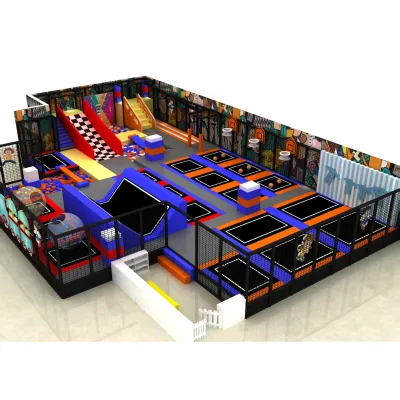
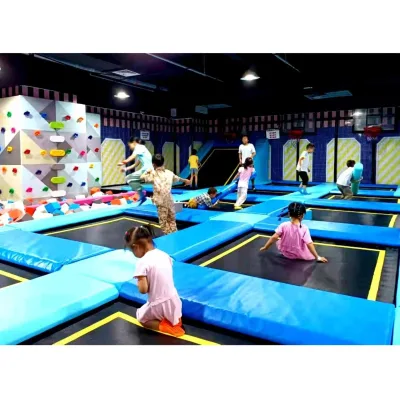

High Quality Trampoline Equipment Indoor/Outdoor Trampoline Basketball Court for Sales
$670.00 - $11000.00
MOQ: 1 Pieces

Factory Price Commercial Trampoline Basketball Court Indoor/Outdoor Slamball
$670.00 - $11000.00
MOQ: 1 Pieces

Ldk Good Price Commercial Custom Designed Trampoline Basketball Court for Sales
$670.00 - $11000.00
MOQ: 1 Pieces

Ldk New Design Indoor/Outdoor Customed Trampoline Basketball Court for Sales
$670.00 - $11000.00
MOQ: 1 Pieces


Hot Sales High Quality Customized Indoor Adjustable Ceiling Basketball Court for Sales
$4599.00 - $4999.00
MOQ: 2 Sets
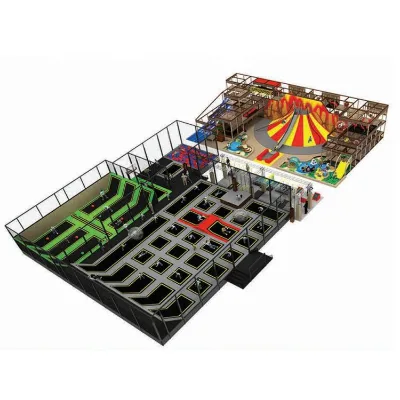
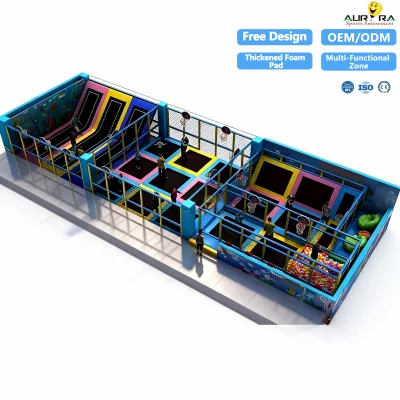
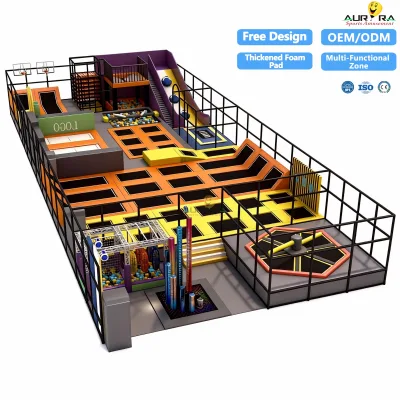


Air Basketball Court Tumble Track Floor Gymnastic Bouncing Mat Inflatable Air Court
$1580.00 - $5680.00
MOQ: 1 Pieces

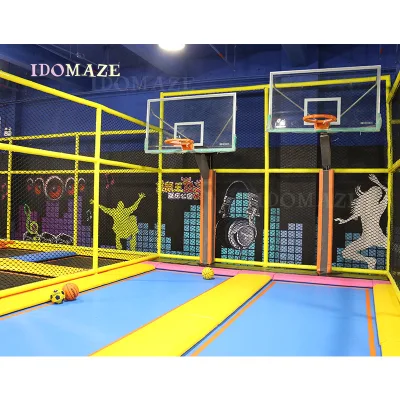
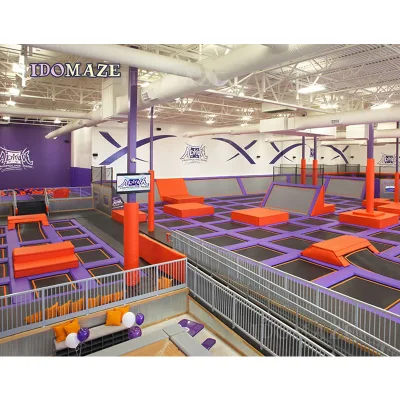
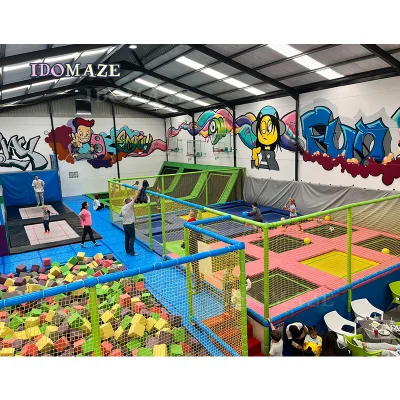
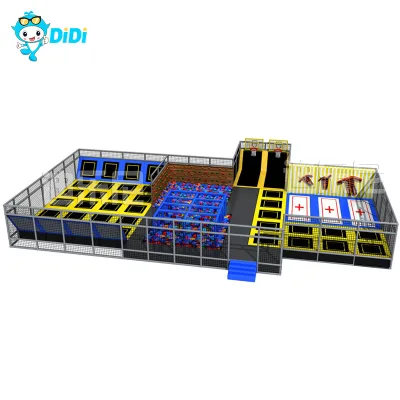
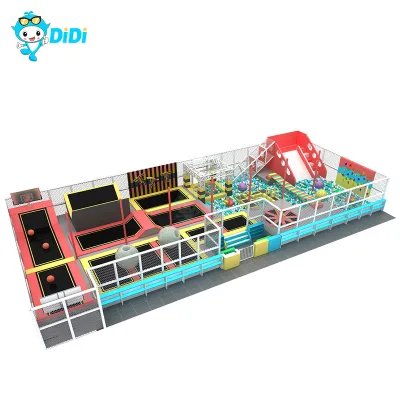
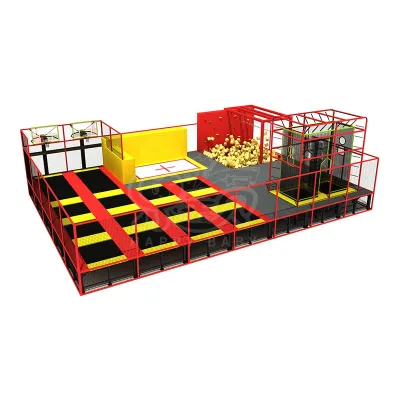
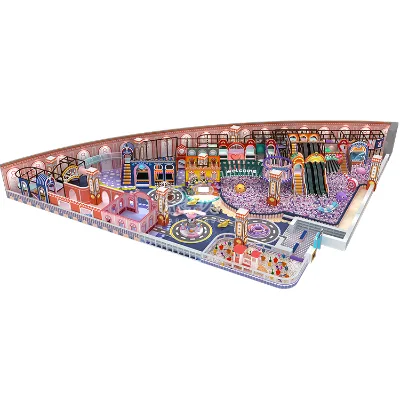

Indoor Trampoline with Basketball Hoop – Interactive Playground Equipment
$100.00 - $230.00
MOQ: 10 Square Meters
Comprehensive Sourcing Guide
Strategic Sourcing Guide for ASTM Certified Commercial Trampoline Courts with Basketball Kits
Navigating the procurement of commercial-grade trampoline courts equipped with basketball integration requires a disciplined approach that balances technical performance, safety compliance, and supply chain reliability. The core keyword "ASTM Certified Commercial Trampoline Court with Basketball Kit" signals a demand for equipment designed for high-traffic environments such as amusement parks, shopping malls, and dedicated entertainment centers. Buyers must distinguish between marketing assertions and verifiable data, particularly regarding safety standards and material durability. This guide provides a comprehensive framework for evaluating potential suppliers and specifications based on observed market realities and essential industry knowledge.
Technical Specifications and Structural Integrity
When sourcing a commercial trampoline court, the primary focus must be on the structural components that ensure longevity under continuous use. The observed market data indicates a variety of structural configurations, ranging from galvanized tube frameworks to steel pipe constructions. A critical observation in the current supply landscape is the use of materials such as galvanized tubes combined with PP (polypropylene) and springs, or alternatively, steel pipes paired with nylon mesh and springs. The choice between these materials directly impacts the court's resistance to corrosion and its ability to maintain tension over time.
The dimensions of the court are equally vital. Specifications observed in the market include standard configurations like 10x9x0.2 meters, alongside fully custom-made options that can scale to 300 square meters or larger. The height of the structure is typically standardized around 1 meter, providing sufficient clearance for dynamic activities while maintaining safety. For basketball-specific kits, the integration of a "Slam Dunk Area" is a common feature, often accompanied by ninja courses or slide attachments. The foam padding, which serves as the critical safety buffer, is frequently observed at a thickness of 7cm, utilizing high-density foam blocks measuring 200200200 mm. The springs themselves, a key determinant of bounce quality, are noted to be approximately 17 cm in length. Buyers should verify that the specific model, such as those designated by codes like ZBY-AC-006 or FC-TPC07, aligns with their spatial requirements and intended user weight limits, which typically range from 65kg to 100kg per jumper.
Compliance and Certification Verification
The term "ASTM certified" in the procurement context often leads to confusion regarding the specific standards applicable to commercial trampolines. While the supplied product data explicitly lists CE certification, it does not confirm ASTM compliance for every listed item. In the broader industry, ASTM F2970 is the prevailing standard for indoor trampolines, while ASTM F2970-22 represents the updated version of this safety specification. However, buyers must exercise caution and not assume that a product listing a CE mark automatically satisfies ASTM requirements.
Procurement teams must request specific test reports from the supplier to verify compliance with the relevant ASTM standard. The supplier's documentation should explicitly state which version of the standard the product meets. Relying solely on a generic "certification" label without the specific standard number or a copy of the test report from an accredited third-party laboratory is a significant risk. The observed data mentions CE certification, which is a European conformity mark, but this does not substitute for ASTM certification required in North American markets. Therefore, the verification process must involve a direct inquiry to the supplier: "Does this specific model have a valid ASTM F2970-22 test report?" If the supplier cannot provide this documentation, the product should not be considered compliant for a project requiring ASTM adherence.
Cost Drivers and Pricing Variables
The pricing for commercial trampoline courts is highly variable, influenced by the complexity of the design, the materials used, and the level of customization. The observed price range in the market spans from approximately $61.19 to $11,000 USD. This wide disparity reflects the difference between smaller, modular units and large-scale, fully custom-built entertainment complexes. Several factors drive these costs. First, the material composition plays a significant role; courts utilizing galvanized tubes and high-grade PP may have different cost structures compared to those using steel pipes and nylon mesh.
Second, the level of customization is a major cost driver. Products listed as "custom made" or those with specific logo printing, color schemes, and tailored dimensions often command a premium over standard models. The inclusion of a basketball kit, which adds structural elements like hoops and backboards, also increases the base cost. Additionally, the packaging method, whether it involves PVC bags for inflatables or bubble film for delicate components, can affect shipping and handling fees. Buyers should be aware that the lowest price point often corresponds to basic configurations with minimal accessories, while the upper end of the range likely includes comprehensive packages with professional installation guidance, extended warranties, and specialized components like the 7cm foam pads and 17cm springs.
Typical Applications and Usage Scenarios
Commercial trampoline courts with basketball kits are designed for diverse environments, each presenting unique operational challenges. The observed usage categories include indoor and outdoor settings, though the majority of the data points toward indoor applications such as shopping malls, amusement centers, and themed parks. These venues require equipment that can withstand high foot traffic and provide a safe, engaging experience for children and adults alike.
The target age group is typically defined as children older than three years, with some models specifying a maximum jumping weight of 100kg. The functional scope of these courts extends beyond simple jumping; they are engineered to support activities like free jumping, bumper ball, dodgeball, and specific basketball drills. The inclusion of a "Slam Dunk Area" and "Ninja Course" suggests a multi-functional design intended to maximize play value. For outdoor installations, the materials must be resistant to weathering, which reinforces the need to verify the specific material ratings for UV resistance and water protection. The application data also highlights the importance of social engagement and physical fitness, positioning these courts as community hubs rather than mere play equipment.
Supplier Evaluation and Operational Capabilities
Selecting the right supplier is as critical as selecting the equipment itself. The market data indicates that sellers are typically categorized as factories, manufacturers, or suppliers, suggesting a direct line to production. A key differentiator is the supplier's ability to handle customization. The observed "Customization: Available" attribute and "Logo/Printing/Color: Accept Customized" options indicate that many suppliers offer tailored solutions. However, buyers must evaluate the supplier's capacity to deliver on these promises.
Lead times are a crucial operational metric. The observed lead time for production is typically 7-15 working days, but this can vary based on the complexity of the order and the level of customization required. Buyers should confirm the specific lead time for their custom requirements before finalizing the contract. Furthermore, the installation process is a significant factor in supplier evaluation. Some suppliers provide drawings and instructions, while others offer engineer guidance or a professional installation team. The availability of 3D installation instructions, teaching videos, and photos is a strong indicator of a supplier's commitment to ensuring the equipment is set up correctly and safely. The "Seller Type" being a factory suggests that buyers may have more control over quality and pricing, but it also requires a higher level of due diligence regarding the factory's specific capabilities and past performance.
Quality Control and Long-Term Procurement Considerations
Ensuring the long-term viability of a trampoline court investment requires a robust quality control strategy. The warranty period observed in the market is typically 3 years, which serves as a baseline for the supplier's confidence in their product. However, a warranty is only as good as the supplier's ability to honor it. Buyers should verify the terms of the warranty, specifically what components are covered and the process for claiming repairs.
Maintenance and replacement parts are also essential considerations. The inclusion of accessories such as pumps and repair kits in the product specifications is a positive sign, indicating that the supplier anticipates the need for ongoing maintenance. For inflatable components, the use of PVC bags for packing suggests a focus on protecting the material during transit, but buyers must ensure the material itself is durable enough for commercial use. The structure height of 1 meter and the foam block dimensions are static specifications, but the wear and tear on the springs and mesh over time must be managed. Buyers should inquire about the availability of spare parts, such as replacement springs or foam pads, to ensure the court can remain operational for years without significant downtime. Finally, the "Condition: New" attribute confirms that the products are manufactured to current standards, but buyers should insist on a pre-shipment inspection or third-party verification to ensure the delivered goods match the agreed-upon specifications and quality standards.
FAQs
What certifications do these trampoline courts have?
The observed products carry CE certification. While the guide mentions ASTM F2970 as a standard for indoor trampolines, the provided data does not confirm ASTM compliance for every listed item, so buyers must request specific test reports.
Can I customize the logo and color of the court?
Yes, customization is available for logo, printing, and color. Suppliers accept custom requests for these visual elements, allowing buyers to tailor the appearance to their brand or venue theme without altering the core structure.
What is the lead time for manufacturing these courts?
The typical lead time is 7 to 15 working days. This duration applies to the production phase, though it may vary depending on the complexity of the custom specifications or the specific model ordered by the buyer.
Which materials are used for the court structure?
Materials include galvanized tubes with PP and springs, or steel pipes with nylon mesh and springs. These combinations ensure structural integrity and durability, with the choice depending on the specific model and intended usage environment.
What is the maximum weight limit for jumpers?
The maximum jumping weight ranges from 65kg to 100kg. This limit applies to individual users and is designed to ensure safety while accommodating children and adults in commercial settings like malls or amusement centers.
How are the courts packed for shipping?
Packing methods vary by component, using PVC bags for inflatables and cartons for blowers or pumps. Other items may be wrapped in bubble film to protect delicate parts during transit and ensure they arrive in new condition.
What installation support is provided by the supplier?
Suppliers provide drawings, instructions, 3D guides, and teaching videos. Some options include engineer guidance or a professional installation team, ensuring the court is assembled correctly for safe operation in indoor or outdoor locations.