Source Oxygen Jet Facial Machine for Salon, Home, and Commercial Use
Explore 30 listings for the Oxygen Jet Facial Machine designed for salon, home, and commercial applications. Buyers can compare features like 90% pure oxygen delivery, multiple treatment handles, and certifications including CE and ISO9001 to find suitable options.
Key considerations
Products List


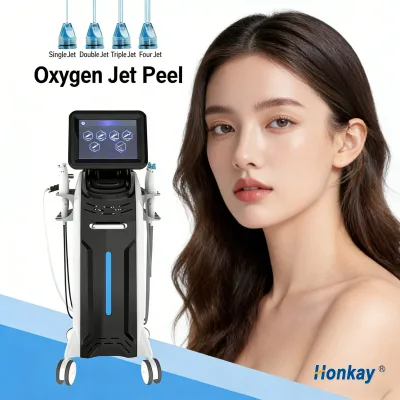
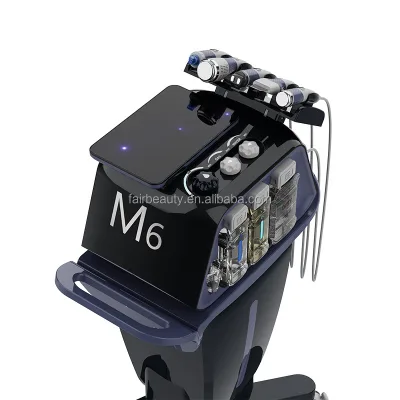
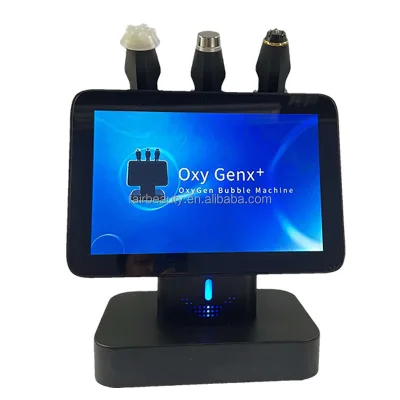


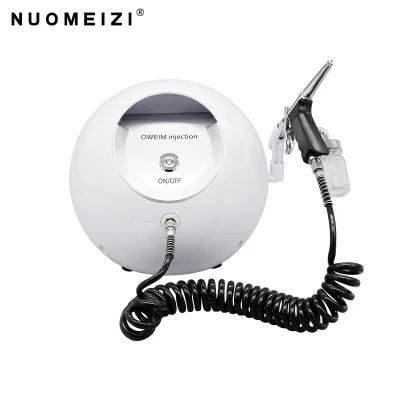


Water Jet Beauty Machine Facial Care Oxygen Equipment Small Bubble Machine
$149.00 - $249.00
MOQ: 1 Pieces


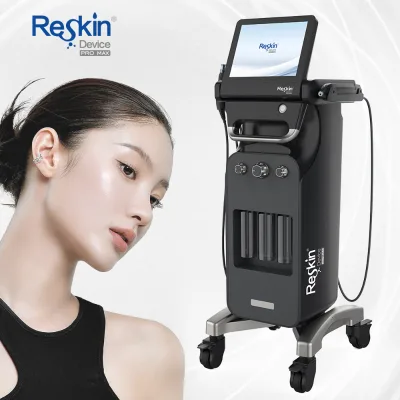
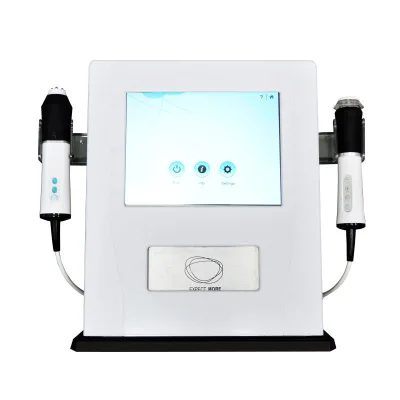
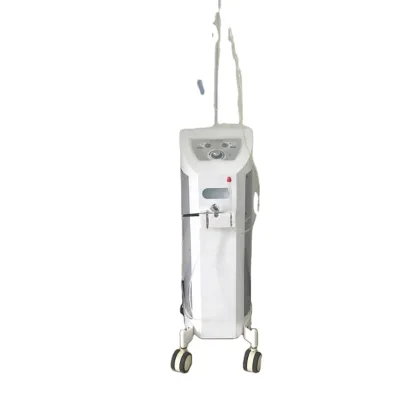


Comprehensive Sourcing Guide
Oxygen Jet Facial Machine Sourcing Guide
Sourcing an Oxygen Jet Facial Machine requires a clear understanding of the device’s dual role in aesthetic treatments and operational logistics. These systems are primarily designed for professional environments, including beauty salons and clinical settings, where they deliver deep cleansing and skin rejuvenation through high-pressure streams of oxygen, water, or diamond microdermabrasion. Buyers must distinguish between portable handheld units and larger, stationary multi-function consoles, as the choice significantly impacts installation requirements, staff training, and treatment versatility. The core technology relies on jet peel mechanisms that exfoliate the skin while infusing serums, offering a non-invasive alternative to traditional dermabrasion.
The procurement process involves navigating a wide spectrum of product configurations, from basic single-function units to complex eight-in-one systems that integrate RF, ozone plasma, and vacuum suction. Observations from current market listings indicate a price range between $50.89 and $4,000, reflecting vast differences in build quality, component count, and technological sophistication. Buyers should not assume that lower-priced units offer equivalent performance or durability, as the internal pumps, screen interfaces, and handle materials vary considerably. Establishing a clear budget and defining the specific treatment protocols required for your business is the first critical step in filtering viable suppliers.
Product Scope and Observed Listing Signals
The market for oxygen jet facial machines presents a diverse array of product types, ranging from dedicated derma rolling systems to comprehensive facial care consoles. Listings frequently highlight features such as "90% pure oxygen" capabilities, which are marketed for medical-grade applications, and multi-functional titles like "8 in 1 oxygen jet peel facial machine." These devices often claim to address a wide range of skin concerns, including acne treatment, skin tightening, whitening, and dark circle reduction. Buyers should treat these feature lists as marketing observations rather than guaranteed clinical outcomes, verifying which specific functions are integrated into the hardware versus those that require additional attachments or consumables.
Physical specifications and packaging details provide crucial insights into the logistical complexity of the purchase. Observed data shows that units can weigh up to 68 kg, with single package dimensions reaching 101x64x50 cm, indicating that shipping and installation require careful planning. Packaging varies from aluminum alloy cases, which suggest higher-end portability or protection, to standard carton boxes for bulkier commercial units. The presence of touch screens, such as 10.1-inch color displays, and multiple handle configurations (e.g., 8 handles) suggests a focus on user interface and treatment versatility. Buyers must assess whether the included handles match their intended treatment areas, such as face, eyes, lips, or body, to ensure the machine meets their service menu requirements.
Technical Specifications to Verify
Voltage compatibility and plug types are fundamental technical checks that cannot be overlooked during international procurement. Listings indicate support for AC 110V/220V at 50-60Hz, with plug types including AU, UK, EU, US, JP, and IT configurations. While dual-voltage support is common, buyers must confirm that the specific unit shipped matches the electrical infrastructure of their facility to prevent damage or safety hazards. Additionally, the vacuum pressure specifications, such as 90 Kpa, should be verified against the manufacturer’s datasheet to ensure adequate suction power for effective microdermabrasion and jet peel treatments without causing tissue damage.
The material composition and operational systems of the machine directly influence its longevity and ease of maintenance. Many units are constructed from ABS plastic, which offers durability but may vary in thickness and heat resistance. The operation system typically centers on the oxygen jet peel mechanism, but advanced models may integrate jet peel, water, diamond dermabrasion, spray oxygen, ozone plasma, and RF technologies. Buyers should request detailed schematics or component lists to understand the complexity of the internal systems. Verifying the availability of replacement parts, such as nozzles, filters, and handles, is essential, as these consumables will require regular replacement to maintain hygiene and performance standards.
Compliance and Safety Documentation
Certification status is a primary indicator of regulatory compliance and safety standards for aesthetic devices. Observed listings frequently cite CE certification, which is a mandatory mark for products sold within the European Economic Area, indicating conformity with health, safety, and environmental protection standards. Some suppliers also mention CFDA (China Food and Drug Administration) approval and PRC Import & Export Licenses, which are relevant for sourcing from China. Buyers must request valid, verifiable copies of these certificates and cross-reference them with official regulatory databases to ensure they are current and applicable to the specific model number being purchased.
ISO standards, particularly ISO 13485 for medical device quality management, are often referenced in the broader category knowledge but should be treated as background information rather than confirmed attributes for every listing. Buyers should explicitly ask suppliers if their manufacturing facility holds ISO 13485 certification, as this indicates a rigorous quality control process for medical-grade equipment. Additionally, verifying that the device meets local electrical safety standards in the buyer’s country is crucial. Documentation should include user manuals in the local language, warranty terms, and technical support agreements to ensure that any operational issues can be resolved without significant downtime.
Cost Drivers and Commercial Terms
The price range of $50.89 to $4,000 reflects significant variations in product complexity, brand reputation, and included accessories. High-end units with multiple integrated technologies, large touch screens, and premium packaging will command higher prices, while basic models may be priced lower but lack advanced features or durability. Buyers should analyze the cost structure to understand what is included in the price, such as the number of handles, warranty duration, and after-sales support services. It is important to note that the minimum order quantity (MOQ) ranges from 1 to 10 units, suggesting that suppliers are flexible for single-unit purchases but may offer better terms for bulk orders.
Commercial terms also encompass customization options and long-term support commitments. Many suppliers offer OEM and ODM services, allowing buyers to brand the device with their own logo or customize specific features. The warranty period observed is typically one year, with some suppliers offering technology support for a longer duration. Buyers should negotiate clear terms for spare parts availability, video technical support, and online assistance. Understanding the total cost of ownership, including shipping, import duties, and potential maintenance costs, is essential for accurate budgeting. Avoiding hidden fees by clarifying all commercial terms upfront will prevent unexpected expenses during the procurement process.
Supplier Qualification and Quality Control
Supplier qualification begins with verifying the origin and manufacturing capabilities of the provider. Listings indicate origins in Beijing and Guangdong, China, regions known for their electronics and medical device manufacturing hubs. Buyers should assess the supplier’s experience in producing aesthetic equipment and their ability to provide consistent quality across batches. Requesting references or case studies from existing clients, particularly those in similar professional settings, can provide valuable insights into the supplier’s reliability and product performance. Due diligence should also include checking the supplier’s business license and export credentials to ensure they are authorized to sell internationally.
Quality control measures should be established before placing an order, including pre-shipment inspections and testing protocols. Buyers should specify acceptance criteria for the device’s performance, such as vacuum pressure consistency, screen responsiveness, and handle durability. If possible, arranging for a third-party inspection service to verify the product’s condition and functionality before shipment can mitigate risks. Establishing a clear communication channel for technical support is also vital, as suppliers offering video technical support and online assistance can help resolve issues quickly. Building a relationship with a supplier who prioritizes quality and support will ensure long-term satisfaction with the procurement.
Long-Term Procurement Checks
Long-term success with oxygen jet facial machines depends on the availability of consumables and spare parts. Buyers should confirm the lead times for ordering replacement handles, nozzles, and filters, as these items are subject to wear and tear. Ensuring that the supplier can provide genuine parts is crucial to maintaining the device’s performance and safety standards. Additionally, buyers should stay informed about any software updates or firmware upgrades that may be available for the machine’s touch screen interface, as these can enhance functionality and security.
Regular maintenance and staff training are essential for maximizing the lifespan of the equipment and ensuring consistent treatment results. Buyers should develop a maintenance schedule that includes cleaning, calibration, and professional servicing as recommended by the manufacturer. Training staff on the proper use of the device, including safety protocols and troubleshooting techniques, will reduce the risk of damage and improve client satisfaction. Periodically reviewing the supplier’s product offerings for new models or upgrades can also help buyers stay competitive in the aesthetic market, ensuring their equipment remains relevant and effective.
FAQs
What is an 8 in 1 Oxygen Jet Facial Machine used for?
An 8 in 1 Oxygen Jet Facial Machine combines jet peel, water and diamond dermabrasion, spray oxygen, ozone plasma, and RF technologies in one unit. It supports facial deep cleaning, skin tightening, whitening, acne treatment, and anti-aging, with target areas covering the face, eyes, lips, hands, legs, arms, and body in salon or commercial settings.
How does an oxygen jet peel facial machine work?
It uses a concentrated stream of oxygen combined with water or serum to exfoliate the skin surface and deliver nutrients deep into pores. Handles perform jet peel infusion, diamond dermabrasion, spray oxygen, and other functions, so operators can select the appropriate technology for cleansing, exfoliation, or infusion during a treatment session.
Which features should buyers check before ordering this machine?
Check the number of handles, such as the 8-handle configuration, the 10.1 inch color touch screen display, and vacuum pressure up to 90Kpa. Confirm the operation system matches your intended treatments, review the technology list covering jet peel, dermabrasion, spray oxygen, ozone plasma, and RF, and verify voltage and plug types fit your market.
Can the machine be customized for different salon requirements?
Yes, customization and OEM or ODM service are available, so the machine can be configured to match salon branding and functional needs. Customization typically covers appearance, configuration, and packaging, and suppliers commonly provide one year of warranty support with ongoing technology support, though exact terms should be confirmed with each vendor before ordering.
What voltage and plug options are available for this equipment?
The machine operates on 110V or 220V at 50-60Hz, which covers standard power in most countries. Plug types commonly offered include US, EU, UK, AU, JP, IT, and ZA standards, so buyers should confirm the plug matching their installation country when placing an order to avoid needing adapters in a salon environment.
What certifications and standards do these machines carry?
Listed products commonly show CE certification, with some also referencing ISO9001, and one product lists CFDA certification and a PRC import and export license. Certification coverage varies by model and supplier, so buyers should request current certificates for the specific model they intend to purchase before finalizing any sourcing decision.
How is the machine packed and shipped to buyers?
Packing varies by model: some units ship in an aluminum alloy case while others use a carton box. A listed 8-handle configuration has a single package size of 101X64X50 cm with a gross weight of about 68 kg, so buyers should arrange suitable freight and confirm dimensions with the supplier before shipment.
What after-sales support comes with an Oxygen Jet Facial Machine?
Common support includes free spare parts, video technical support, and online support after purchase. OEM and ODM agreements often state one year of coverage with technology support continuing beyond that period. Buyers should confirm the exact warranty terms, spare parts availability, and service response channels in writing with the chosen supplier.