Find Automatic Momo Making Machine for Home, Retail, and Food Shops
Source 30 verified listings for the Automatic Momo Making Machine, comparing models from Henan, China with capacities up to 3000 pcs/h. Buyers can evaluate stainless steel construction, motor power, and CE certification to select the right unit for home, retail, or food shop operations.
Key considerations
Products List
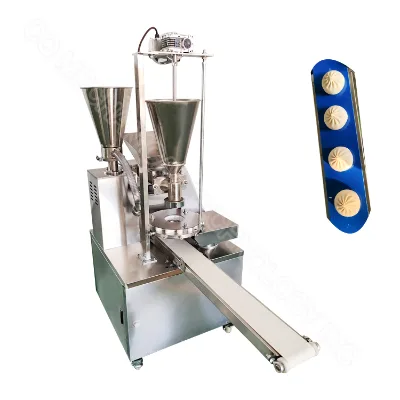
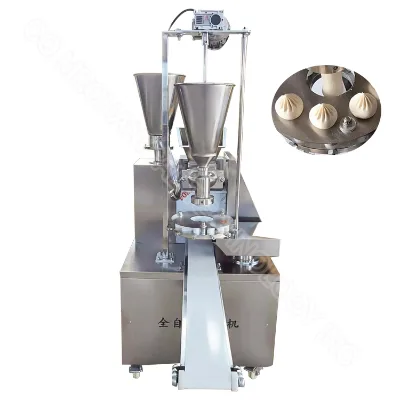
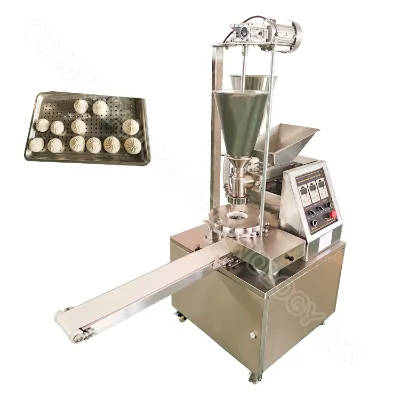
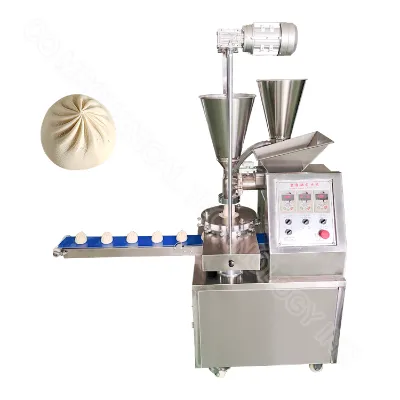
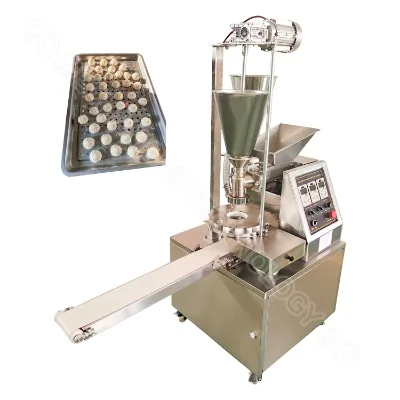


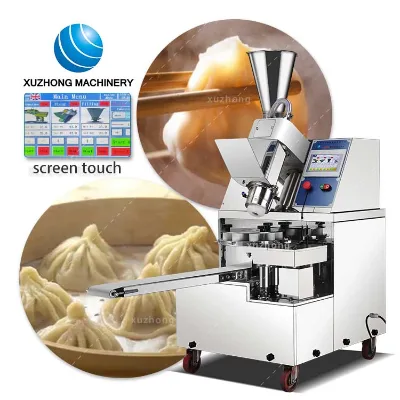
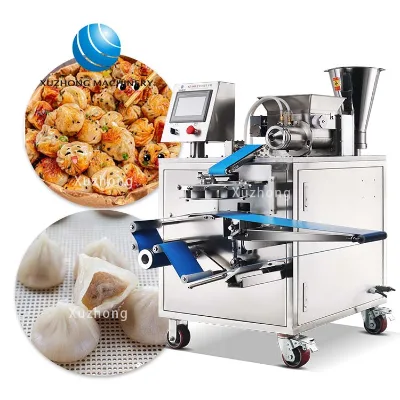
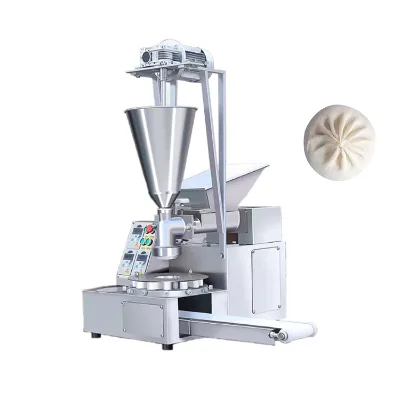
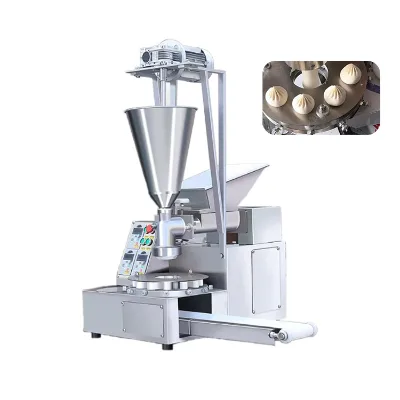
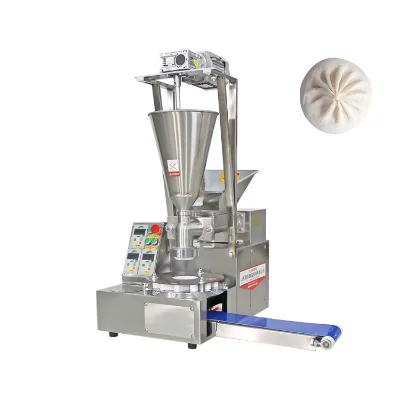


Steamed Stuffed Bun Machine Automatic Baozi Machine Momo Maker Momo Making Machine
$1280.00 - $1800.00
MOQ: 1 Pieces


Momo Making Machine Automatic Dumpling Samosa Maker Ravioli Making Machine
$599.00 - $899.00
MOQ: 1 Sets

Comprehensive Sourcing Guide
Strategic Sourcing Guide for Automatic Momo Making Machines
The global demand for automated food processing equipment has surged, particularly for specialized machinery capable of handling traditional Asian dough products like momos and baozi. For procurement professionals and business owners in the food and beverage sector, sourcing an Automatic Momo Making Machine requires a disciplined approach that balances technical capability with compliance and long-term operational reliability. This guide synthesizes observed market data and verified product attributes to provide a framework for evaluating suppliers and selecting the right equipment without relying on unverified marketing claims.
Technical Specifications and Operational Capacity
When evaluating an Automatic Momo Making Machine, the primary focus must be on the intersection of production capacity, power requirements, and physical dimensions. The market data indicates a significant variance in capacity, ranging from 250 pieces per minute to a maximum observed capacity of 3,000 pieces per hour. Buyers must align these figures with their specific production targets. A machine rated at 250 pcs/min offers a throughput of 15,000 units per hour, which is suitable for medium-scale operations, whereas units approaching the 3,000 pcs/h mark are designed for high-volume industrial settings.
Power consumption is another critical technical variable. Observed specifications list power ratings of 1.5KW, 1.6KW, and 2KW. These figures suggest that while the machines are generally energy-efficient, the actual load depends on the specific model and the complexity of the dough processing. The voltage requirement is consistently noted as 220V, which aligns with standard commercial electrical infrastructure in many regions, though buyers should verify if local grid conditions require transformers or phase converters.
Physical footprint is a decisive factor for facility planning. The dimensions of these machines vary significantly, with observed ranges including 15306701650mm and 145015501750mm. The weight of the units also fluctuates, with recorded values of 180kg and 330kg. Heavier units often imply a more robust frame, potentially offering better stability during high-speed operation, but they also necessitate reinforced flooring and specialized logistics for installation. The material composition is a key differentiator; the majority of units are constructed from 304 Stainless Steel, a standard grade that ensures corrosion resistance and hygiene compliance for food contact surfaces.
| Attribute | Observed Range / Specific Value | Procurement Implication |
|---|---|---|
| Production Capacity | 250 pcs/min to 3000 pcs/h | Match to peak demand; avoid over-specifying. |
| Power Rating | 1.5KW to 2KW | Verify electrical infrastructure compatibility. |
| Voltage | 220V | Standard commercial voltage; check local phase. |
| Dimensions | 145015501750mm to 15306701650mm | Assess floor space and aisle clearance. |
| Weight | 180kg to 330kg | Determine flooring load limits and moving requirements. |
| Material | 304 Stainless Steel | Essential for food safety and durability. |
Compliance, Certification, and Safety Standards
In the food processing industry, compliance is not merely a formality but a prerequisite for market entry and operational safety. Buyers must rigorously verify the certification status of any potential supplier. The observed data includes references to CE certification, which indicates conformity with health, safety, and environmental protection standards for products sold within the European Economic Area. Additionally, some listings mention ISOCE, a designation that suggests adherence to specific international quality management or safety protocols, though the exact scope of this certification requires direct validation from the manufacturer.
It is crucial to distinguish between marketing assertions and verified documentation. While some product listings claim "New Product 2020" status or "Energy Saving" as a key selling point, these are observational attributes rather than guaranteed performance metrics. Buyers should request the actual machinery test reports provided by the supplier. The presence of a test report is a positive indicator, but the buyer must review the specific parameters tested, such as pressure ratings, electrical safety, and mechanical integrity, to ensure they meet local regulatory requirements.
Furthermore, the "Automatic Grade" of the machine is listed as "Semi-Automatic" in some contexts, while others describe it as fully automatic. This distinction affects labor requirements and operational workflow. A semi-automatic machine may require more manual intervention for loading or packaging, whereas a fully automatic unit minimizes human contact. Procurement teams must clarify this classification to accurately estimate labor costs and training needs.
Cost Drivers and Pricing Structures
The pricing landscape for automatic momo making machines is diverse, with observed ranges spanning from $599 to $20,000. This wide disparity is driven by several factors, including the level of automation, production capacity, material quality, and the inclusion of advanced features like custom molds or dual hoppers. The "CQ" brand appears frequently in the data, suggesting a specific manufacturer or product line, but buyers should not assume that all units under this designation share identical specifications.
Minimum Order Quantity (MOQ) is a significant cost driver. The data indicates a consistent MOQ of 1 unit across the observed listings, which is favorable for small businesses or those testing the market. However, the "Selling Units" are listed as "Single item," implying that bulk discounts may not be standard unless negotiated. Buyers should be wary of the "New Product 2020" marketing tag, as it may indicate older inventory or discontinued models that could impact the availability of spare parts.
The total cost of ownership extends beyond the purchase price. Buyers must factor in the cost of the "Wooden Case" packaging, which is standard for heavy machinery but adds to shipping weight. Additionally, the "Customization" availability suggests that bespoke molds or specific voltage configurations may incur additional charges. The "Energy Saving" claim should be validated through energy audits rather than accepted as a given, as the actual power consumption will depend on the specific model's motor efficiency and operational settings.
Typical Applications and Industry Suitability
The versatility of automatic momo making machines makes them suitable for a broad spectrum of applications. The observed "Applicable Industries" include Home Use, Retail, Food Shops, and Food & Beverage Shops. This wide range indicates that the technology is scalable, from small artisanal bakeries to large-scale industrial production lines. The "Processing Type" is identified as a "Grain Processing Machine," confirming its primary function in transforming raw flour and wheat into finished dough products.
The "Usage" is specifically noted as "Baozi Making," which encompasses a variety of steamed buns and dumplings. The "Type" of product is listed as "Steamed bun," and the "Application" materials are "Flour, Wheat." This confirms that the machine is designed for traditional grain-based doughs. However, buyers should verify if the machine can handle different dough consistencies or fillings, as the "Customization" option suggests that molds can be adapted for different shapes and sizes.
For construction works or other non-food industries listed in the data, the relevance of this machinery is questionable. It is likely that these categories are included in broad marketing descriptions rather than reflecting actual use cases. Procurement teams should focus on the food and beverage sector, where the machine's primary function aligns with operational needs. The "Advantage" of "High Effective" performance should be interpreted as a claim of efficiency, but the actual output quality must be verified through sample production runs.
Supplier Evaluation and Verification Protocols
Selecting the right supplier requires a due diligence process that goes beyond the product listing. The "Place of Origin" is consistently listed as "Henan, China," a region known for its manufacturing base. While this provides a geographical anchor, it does not guarantee quality. Buyers should verify the "Condition" of the machine, which is listed as "New," but also inquire about the manufacturing date and storage conditions to ensure the equipment has not degraded.
The "Warranty" period is a critical factor in supplier evaluation. A standard warranty of 1 Year is observed, but buyers should clarify what this covers, including motor replacement, structural integrity, and software support. The "Core Components" are identified as the "Motor," which is the heart of the machine. Buyers should request the motor manufacturer's details and warranty terms, as this component is often the first to fail under heavy use.
Supplier reliability can be assessed by reviewing the "Machinery Test Report" and "Certification" documents. The presence of a test report is a positive sign, but the buyer must ensure it is recent and issued by a recognized third-party laboratory. Additionally, the "Customization" capability should be evaluated based on the supplier's history of fulfilling bespoke orders. A supplier that offers customization but lacks a track record of successful deliveries poses a higher risk than one with a standardized product line.
Quality Control and Long-Term Procurement Considerations
Quality control should be integrated into the procurement process from the initial inquiry to the final installation. Buyers must verify the "Material" specifications, ensuring that the 304 Stainless Steel used is genuine and meets food-grade standards. The "Appearance" is described as "Vertical," which is a design choice that may affect maintenance access and cleaning efficiency. Buyers should inspect the design for dead zones where dough or residue could accumulate, as this impacts hygiene and long-term performance.
Long-term procurement considerations include the availability of spare parts and the ease of maintenance. The "Model Number" variations, such as "CQ-150 single hopper" and "CQ-150 double hopper," suggest that different configurations may require different parts. Buyers should request a spare parts list and pricing schedule before finalizing the purchase. The "Production Capacity" of 0-3000PCS/H indicates a range, but the actual capacity should be confirmed through a trial run to ensure the machine meets the buyer's specific throughput requirements.
Finally, buyers should consider the "Marketing Type" and "Key Selling Points" with a critical eye. Claims of "Energy Saving" and "High Effective" performance should be backed by data or third-party verification. The "Package" being a "Wooden Case" is standard, but buyers should ensure that the packaging is robust enough to protect the machine during international shipping. By focusing on these verified attributes and maintaining a disciplined approach to supplier evaluation, buyers can secure an Automatic Momo Making Machine that delivers consistent quality and operational efficiency for years to come.
FAQs
What is the production capacity of the Automatic Momo Making Machine?
The machine offers a production capacity ranging from 250 pieces per minute up to 3000 pieces per hour. This range allows buyers to select a model that matches their specific volume requirements, whether for small shops or large industrial facilities.
Which certification does the Automatic Momo Making Machine hold?
The equipment is listed with CE certification and some models mention ISOCE standards. Buyers should verify these documents to ensure compliance with local safety and health regulations before finalizing any purchase decision.
Can the Automatic Momo Making Machine be customized for specific needs?
Yes, customization is available for this equipment to suit unique production requirements. Buyers can request specific molds or configurations, though additional costs or lead times may apply depending on the complexity of the requested changes.
How much does the Automatic Momo Making Machine weigh?
The weight of the unit varies between 180kg and 330kg depending on the specific model selected. Heavier units often provide better stability during operation but require reinforced flooring and specialized logistics for installation.
What is the warranty period for the Automatic Momo Making Machine?
The standard warranty period provided is one year for the new condition units. This coverage typically includes core components like the motor, but buyers should confirm specific terms regarding spare parts and service support.
Which material is used to construct the Automatic Momo Making Machine?
The machine is primarily constructed from 304 Stainless Steel to ensure hygiene and durability. This material choice is essential for food contact surfaces, offering corrosion resistance and meeting standard food safety requirements for commercial use.
What is the minimum order quantity for the Automatic Momo Making Machine?
The minimum order quantity is one single item, making it accessible for small businesses. This low barrier to entry allows buyers to test the equipment without committing to large bulk orders immediately.