Source Automatic Multi-Functional Biscuit Making Machine for Biscuit Production
Find and compare 30 automatic multi-functional biscuit making machine options from Shanghai suppliers. These electric lines support soft, hard, and sandwich biscuit types with capacities up to 4000kg/H, featuring PLC control and one-year warranties; compare the available evidence and request quotations based on your requirements.
Updated
Key considerations
Products List


Automatic Biscuit Making Production Line Multifunctional Cookie Machine
$50000.00 - $75000.00
MOQ: 1 Pieces


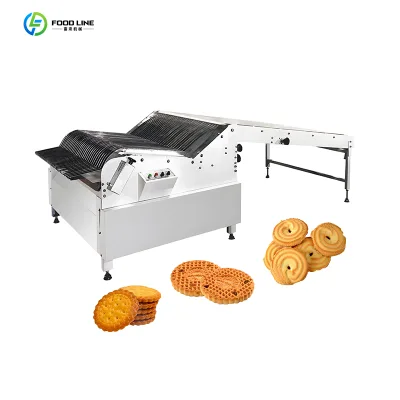
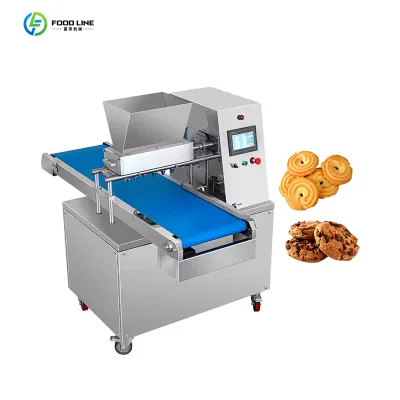
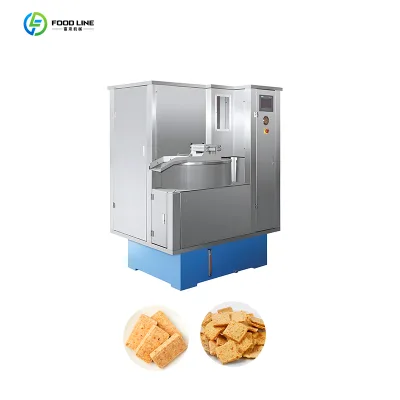
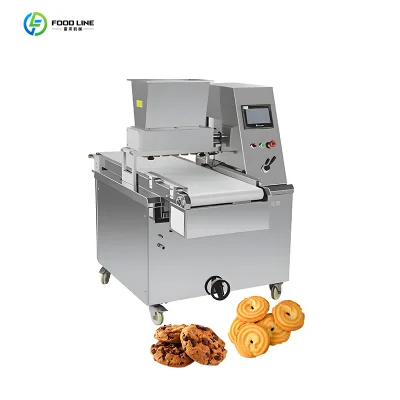
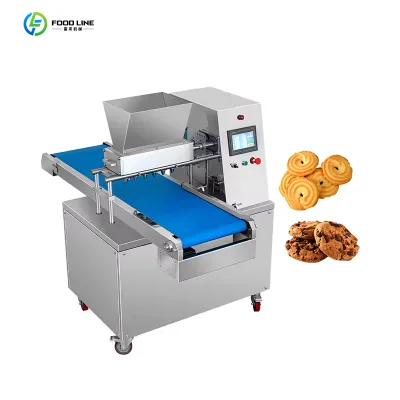
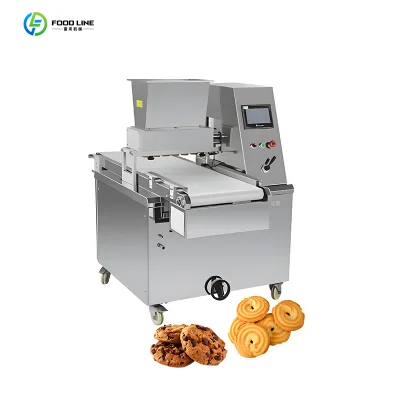
Intelligent Linkage Hard Biscuit Making Machine High-Efficiency Biscuit Machine
$7699.00 - $13000.00
MOQ: 1 units

Automatic Biscuit Making Production Line Multifunctional Cookie Machine
$9500.00 - $9700.00
MOQ: 1 Pieces
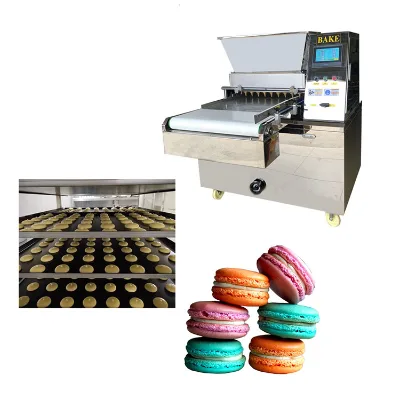
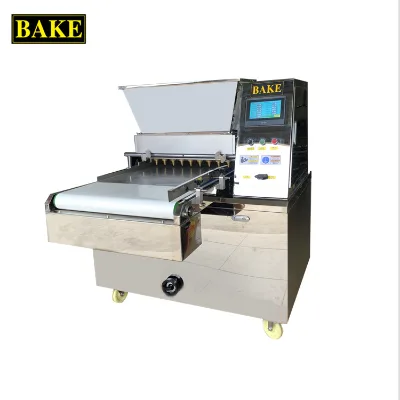


Professionally Provides Biscuit Machine / Automatic Biscuit Making Machine
$2779.00 - $3609.00
MOQ: 1 Sets

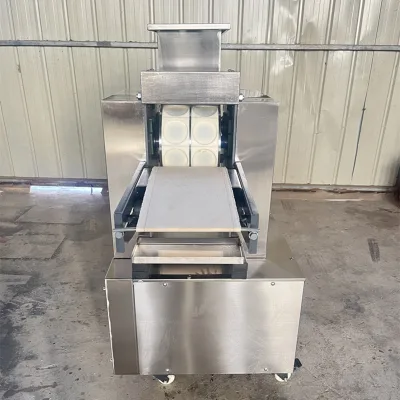
Automatic Electric Rotary Type Multifunction Crispy Wafer Biscuit Making Machine
$1550.00 - $3440.00
MOQ: 1 Minimum
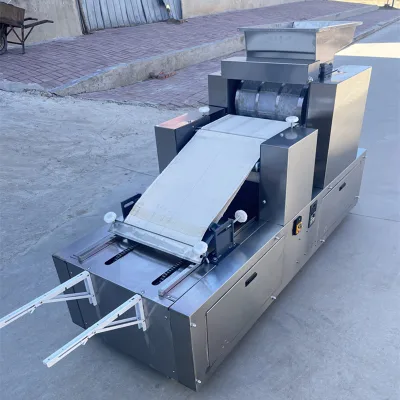
Stainless Steel Crispy Biscuit Forming and Making Machine Automatic Biscuit Production Line
$1550.00 - $3440.00
MOQ: 1 Minimum
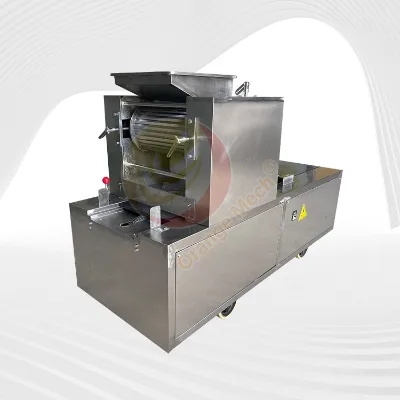

Snack Machinery Biscuit Making Machine / Automatic Biscuit Making Machine
$2779.00 - $3609.00
MOQ: 1 Sets

China Manufacturer Biscuit Forming Machine / Automatic Biscuit Making Machine
$16729.00 - $19239.00
MOQ: 1 Sets


Biscuits Machine / Biscuit Maker / Automatic Biscuit Making Machine Price
$2779.00 - $3609.00
MOQ: 1 Sets
Comprehensive Sourcing Guide
Automatic Multi-Functional Biscuit Making Machine Sourcing Guide
Procuring an automatic multi-functional biscuit making machine requires a strategic approach to align technical capabilities with production volume and product diversity. Buyers must evaluate whether the equipment supports the specific biscuit types they intend to manufacture, such as soft, hard, or sandwich varieties. The observed market data indicates a wide range of capacities, from 100kg/H up to 5 tons/H, necessitating a clear definition of throughput requirements before engaging with suppliers. Understanding these operational boundaries ensures that the selected machinery integrates seamlessly into existing factory layouts without creating bottlenecks or underutilizing expensive assets.
The sourcing process also demands careful attention to customization options and after-sales support structures. Many listings highlight features like PLC control systems, touch screens, and full servo drives, which enhance operational precision and ease of use. However, buyers should verify that these advanced features are paired with robust installation, commissioning, and training services. Since delivery times typically range from 30 to 50 days, early engagement is crucial for project planning. Establishing clear communication channels regarding technical support and warranty terms helps mitigate risks associated with complex automated systems and ensures long-term operational stability.
Product Scope and Observed Listing Signals
The current market for automatic biscuit production lines exhibits significant variation in capacity and functional scope. Listings indicate capacities ranging from 100kg/H to 1500kg/H, with some high-end models reaching up to 5 tons/H. This disparity suggests that buyers must precisely match their expected output needs to avoid over-specifying or under-capacitating their investment. The observed price range of $1,550 to $75,000 USD reflects this diversity, encompassing smaller, specialized units to comprehensive, high-throughput industrial lines. Buyers should treat these figures as observational data points rather than fixed benchmarks, as final costs depend heavily on configuration and optional add-ons.
Product attributes frequently emphasize automation levels and versatility, with many machines described as fully automatic and capable of handling multiple biscuit types. Features such as easy operation, high productivity, and specific functions like forming, baking, and cooling are commonly highlighted. The presence of models like KFD 520, KFD C 400, and KFD5833 indicates a standardized naming convention among certain manufacturers. Buyers should use these model identifiers to cross-reference technical datasheets and ensure that the specific machine variant meets their exact production requirements for soft, hard, or sandwich biscuits.
Technical Specifications to Verify
Technical verification must begin with power and voltage compatibility, as these factors directly impact installation feasibility and operational costs. Observed specifications include power ratings of 70kw and voltages of 380V or 220V, with some units offering customized voltage options. Buyers must confirm that their facility’s electrical infrastructure can support these demands or negotiate for appropriate customization. Additionally, the weight of the machinery, ranging from 400kg to 3400kg, influences floor loading requirements and logistics planning. Ensuring that the machine’s physical dimensions and weight are compatible with the intended installation site is a critical early step in the procurement process.
Control systems and drive mechanisms are pivotal for maintaining consistent product quality and operational efficiency. Many listings specify PLC controls with touch screens and full servo drives, which offer precise control over production parameters. Buyers should verify the brands of critical components, such as gearboxes and sensors, as these affect reliability and maintenance costs. Some suppliers mention using famous Chinese brands for gearboxes and foreign famous brands for sensors, which can be a positive indicator of quality. Understanding the specific automation grade and automatic features ensures that the machine aligns with the desired level of operational autonomy and reduces the need for manual intervention.
Compliance and Safety Documentation
Compliance verification is essential to ensure that the machinery meets international safety and quality standards. Observed certifications include ISOCE and ISOSAMET, CE, which are critical for market access and operational safety. Buyers must request valid certification documents and verify their authenticity with the issuing bodies. These certifications often indicate adherence to specific engineering and safety protocols, reducing the risk of accidents and ensuring that the machine is built to recognized quality benchmarks. Failure to verify these documents can lead to regulatory hurdles and potential safety liabilities during operation.
Beyond certifications, buyers should inquire about the overall production standards and quality control measures employed by the supplier. While some listings mention customized standards, it is crucial to understand what specific protocols are in place during manufacturing. Documentation should also cover the warranty terms, with many suppliers offering a one-year warranty. Buyers need to clarify the scope of this warranty, including what components are covered and the response time for service requests. Clear documentation of these compliance and warranty aspects provides a legal and operational safety net for the procurement investment.
Cost Drivers and Commercial Terms
Cost drivers for automatic biscuit making machines include capacity, automation level, and component quality. Higher capacities and more advanced features, such as full servo drives and PLC controls, typically command higher prices. Buyers should analyze the total cost of ownership, including energy consumption, maintenance, and potential downtime. The observed MOQ of 1 suggests flexibility for single-unit purchases, but buyers should negotiate for volume discounts if planning to expand their production lines in the future. Understanding these cost drivers helps in creating a realistic budget and avoiding unexpected expenses during the procurement process.
Commercial terms, particularly delivery time and payment conditions, significantly impact project timelines and cash flow. Observed delivery times range from 30 to 50 days, which requires careful scheduling to align with production launch dates. Buyers should negotiate clear delivery schedules and penalties for delays to mitigate risks. Additionally, the packing method, often described as wooden box or wooden, affects shipping costs and protection during transit. Clarifying these commercial terms early in the negotiation process ensures that both parties have a shared understanding of expectations and responsibilities, reducing the potential for disputes.
Supplier Qualification and Quality Control
Supplier qualification involves assessing the manufacturer’s technical expertise, production capacity, and after-sales support capabilities. Buyers should verify the supplier’s location, with many manufacturers based in Shanghai, China, a hub for machinery production. Proximity to industrial clusters can facilitate easier communication and faster response times for technical support. Additionally, buyers should inquire about the supplier’s experience in manufacturing biscuit machines and their track record with similar clients. A supplier with a strong reputation and extensive experience is more likely to deliver a reliable and high-quality product.
Quality control measures should be explicitly defined in the procurement agreement. Buyers should request details on the testing procedures conducted before shipment, including performance tests and safety checks. Some listings mention features like easy operation and high productivity, which should be validated through factory acceptance tests. Establishing clear quality benchmarks and inspection protocols ensures that the delivered machine meets the specified requirements. Furthermore, understanding the supplier’s commitment to continuous improvement and customer satisfaction can provide confidence in the long-term partnership and support.
Long-Term Procurement Checks
Long-term procurement checks focus on the sustainability of the supply chain and the availability of spare parts. Buyers should verify the supplier’s ability to provide ongoing technical support and maintenance services. The observed after-sales services, including installation, commissioning, and training, are crucial for initial setup, but long-term support is equally important. Buyers should inquire about the availability of spare parts and the supplier’s policy for part replacements. Ensuring a steady supply of components minimizes downtime and extends the machine’s operational life.
Additionally, buyers should consider the scalability of the procurement strategy. As production needs evolve, the ability to upgrade or expand the existing machinery is valuable. Buyers should discuss potential upgrade paths with the supplier and understand the compatibility of future components with the current system. Regular reviews of the machine’s performance and maintenance records can help identify potential issues early. By establishing a proactive approach to long-term procurement checks, buyers can ensure that their investment continues to deliver value and supports their business growth over time.
FAQs
What is the production capacity of the automatic multi-functional biscuit making machine?
The production capacity ranges from 100kg/H to 5 tons/H depending on the specific model selected. Some configurations offer capacities between 100-1000kg or 1000-4000kg/H. This variability allows buyers to choose a machine that precisely matches their required output volume and operational scale.
Can the automatic multi-functional biscuit making machine handle different biscuit types?
Yes, the machine is designed to produce soft biscuits, hard biscuits, cookies, and sandwich biscuits. It features a versatile forming, baking, and cooling function. This multi-functional capability ensures that manufacturers can diversify their product lines without needing separate specialized equipment for each biscuit variety.
What certifications does the automatic multi-functional biscuit making machine hold?
The machine holds ISOCE and ISOSAMET, CE certifications. These credentials indicate compliance with international quality and safety standards. Buyers can rely on these documented certifications to ensure the equipment meets regulatory requirements for industrial food processing operations in various global markets.
How long is the delivery time for the automatic multi-functional biscuit making machine?
The standard delivery time is typically 30 to 45 days or up to 50 days. This timeline accounts for manufacturing, quality control, and preparation for shipment. Buyers should plan their production schedules accordingly to accommodate this lead time from order confirmation to final delivery.
What after-sales service is provided for the automatic multi-functional biscuit making machine?
The supplier provides installation, commissioning, and training services. Additionally, online technical support is available for ongoing assistance. This comprehensive support package ensures that operators can effectively manage the machine, minimizing downtime and maintaining consistent production quality throughout the machine's operational lifecycle.
What is the warranty period for the automatic multi-functional biscuit making machine?
The machine comes with a one-year warranty. This coverage protects buyers against manufacturing defects and ensures support during the initial operational phase. The warranty period provides peace of mind and financial security for the investment in this industrial-grade biscuit production equipment.