Source Commercial Fruit Powder Making Machine for Food, Chemicals, and Herbs
Find 30 Commercial Fruit Powder Making Machine options for food and chemical processing. Compare specs like capacity, voltage, and mesh size from verified suppliers to select the right equipment for your production needs; compare the available evidence and request quotations based on your requirements.
Updated
Key considerations
Products List
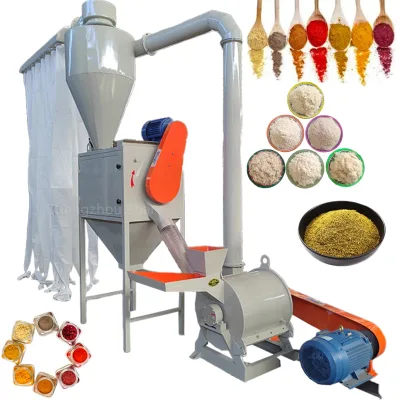

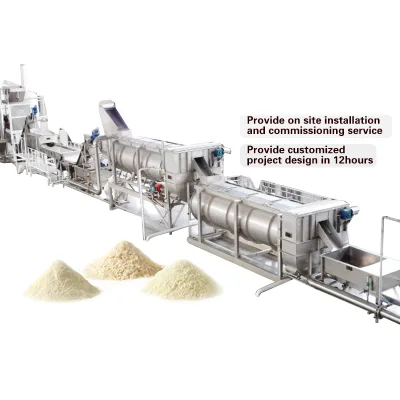
Vegetable Fruit Powder Grinding Machine Onion Powder Making Production Line
$3500.00 - $15000.00
MOQ: 1 set

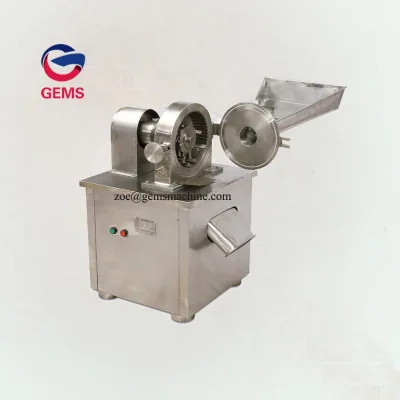
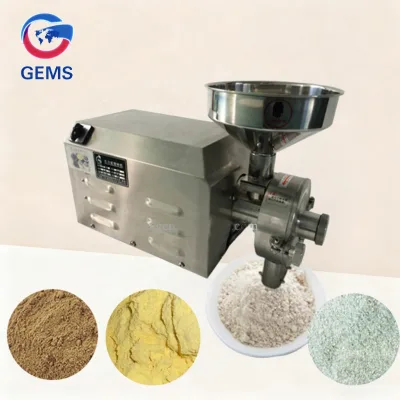
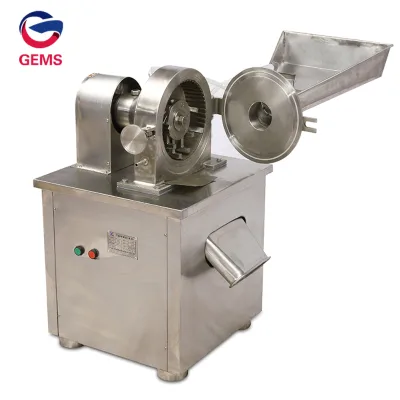
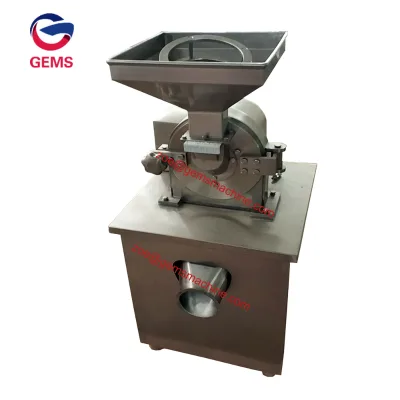
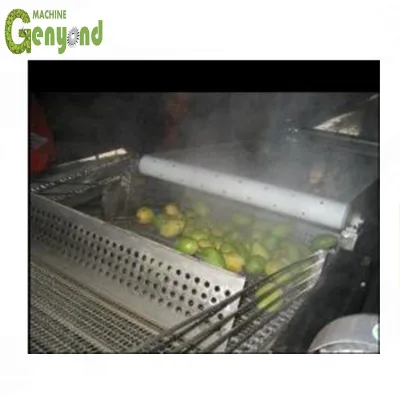
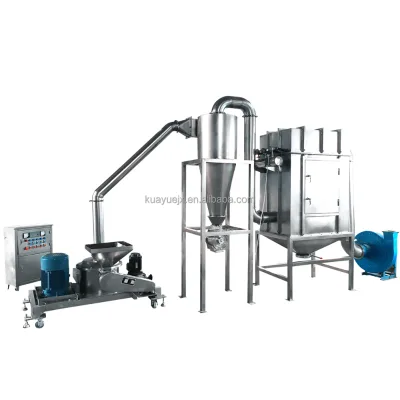

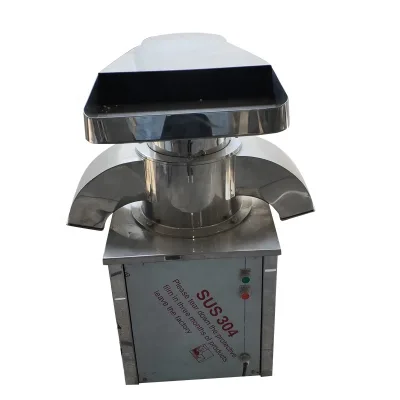
Fruit Powder Processing Machine Banana Plantain Powder Making Machine in Sale
$21000.00 - $87500.00
MOQ: 1 Sets
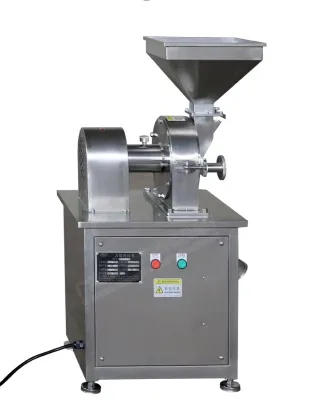
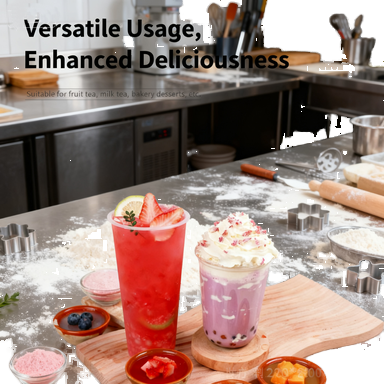
Industrial Vegetable Powder Making Machine Dry Food Grinder Mill Grinding Machine
$2.97 - $3.74
MOQ: 100 kilograms



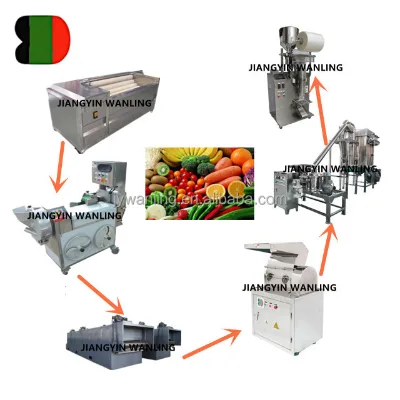
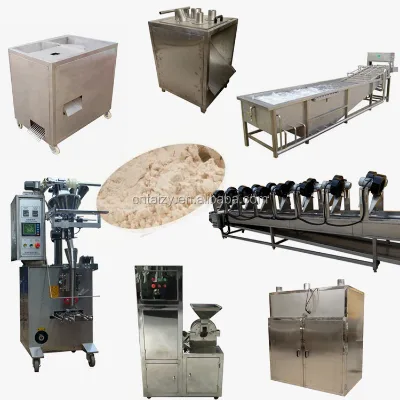
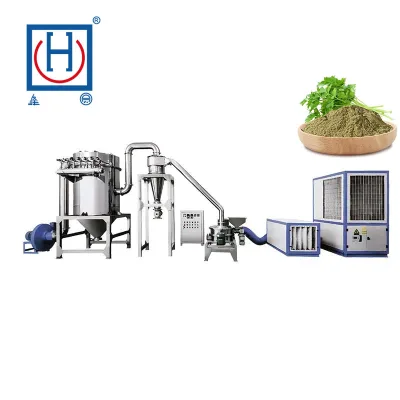
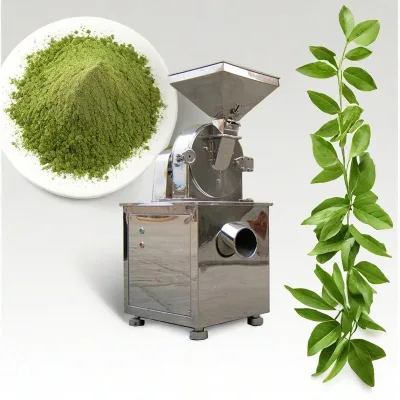
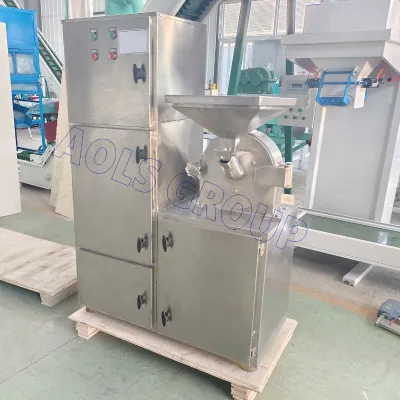

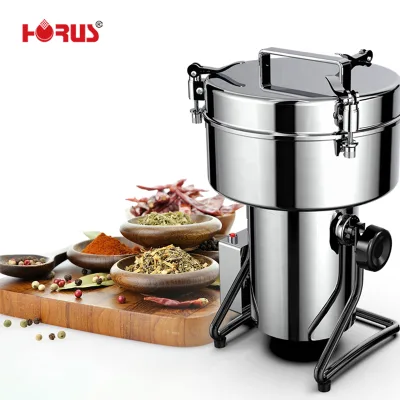
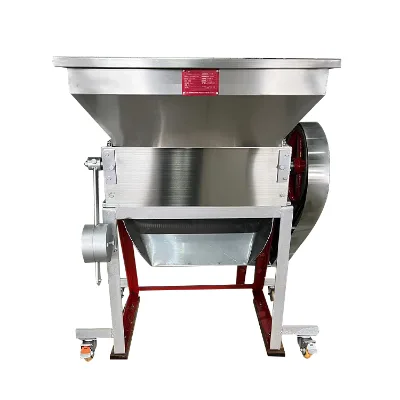
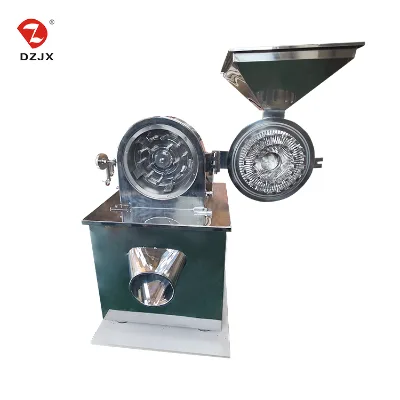
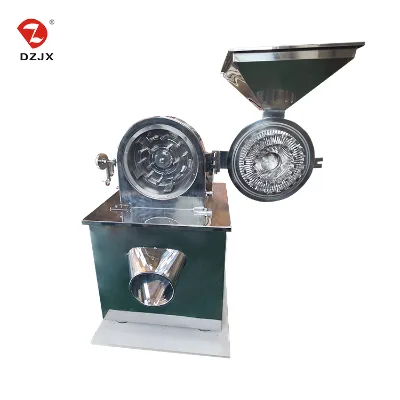
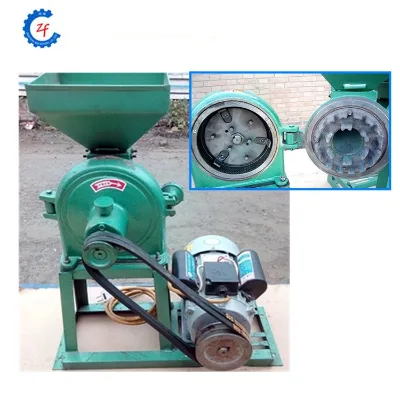
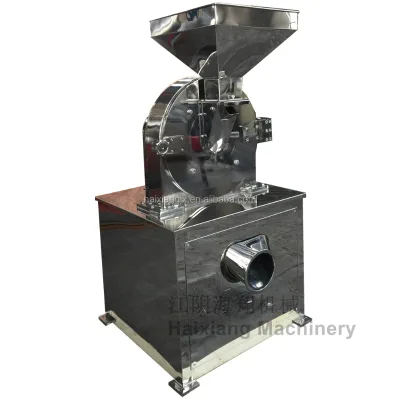
Comprehensive Sourcing Guide
Commercial Fruit Powder Making Machine Sourcing Guide
Procuring a Commercial Fruit Powder Making Machine requires careful evaluation of material compatibility and processing capabilities. The observed market includes units designed for wood chips and vegetable powders, indicating that many machines are versatile enough to handle various fibrous and starchy raw materials. Buyers must verify that the specific model selected is suitable for the moisture content and hardness of their target fruit, as some listed units specify a maximum feeding size of only 10 mm or even 6 mm. This constraint is critical for ensuring smooth operation and preventing motor overload during high-volume production runs.
The core components of these machines typically include a robust electric motor, which serves as the primary driver for the grinding mechanism. Observations show power ratings ranging from 3 kW to 2200 W, with rotating speeds reaching up to 4200 rpm. These specifications suggest that high-speed impact or hammer milling is the dominant technology used in this category. Buyers should assess whether the available spindle speed range, which can extend from 0 to 4200 rpm, aligns with the desired particle size distribution for their specific fruit powder application, ensuring consistent quality across batches.
Product Scope and Observed Listing Signals
The product scope encompasses a wide variety of industrial grinders, including wood crushing machines, vegetable powder production lines, and specialized fruit powder makers. Listings frequently highlight features such as high productivity, high efficiency, and ease of operation, which are essential for commercial environments demanding consistent output. The observed price range is broad, spanning from approximately $2.97 to $600,000, reflecting differences in capacity, automation level, and material construction. This variance underscores the importance of defining precise production requirements before engaging with suppliers to avoid over-specifying or under-specifying equipment needs.
Material construction is a key differentiator, with many units featuring food-grade stainless steel or SUS 304 stainless steel for contact parts. This ensures hygiene and prevents contamination during the processing of edible products like banana flour or dried fruit powders. The final particle size is often adjustable, with observed mesh ranges extending from 10-120 mesh up to 30-300 mesh. Buyers should confirm that the machine’s grinding length and feeding size specifications, such as a max grinding length of 6 mm, are compatible with their pre-processed fruit inputs to maintain optimal throughput and product uniformity.
Technical Specifications to Verify
Verifying technical specifications is paramount to ensuring the machine meets production demands. Key parameters include the output capacity, which varies significantly across listings, with some units offering 51-100 kg/h while others claim up to 500 kg/h. Buyers must cross-reference these capacity claims with the actual power consumption and motor specifications to ensure realistic performance expectations. Additionally, the voltage requirements, typically 220/380V or 380V, must match the facility’s electrical infrastructure to prevent operational disruptions or equipment damage during installation and commissioning phases.
Dimensional constraints and weight are also critical logistical factors. Observed dimensions range from compact units measuring 4805201040 mm to larger systems spanning 61.53.5 meters. The weight of individual units can vary from 75 kg to 500 kg, impacting floor load requirements and handling equipment needs. Buyers should also inquire about the customized options available, as many suppliers offer tailored solutions for specific raw material types. Confirming the model number, such as SR-MFJ or SL, helps in identifying spare parts availability and technical support resources for long-term maintenance.
Compliance and Safety Documentation
Compliance and safety documentation form the foundation of a secure procurement process. Buyers should request machinery test reports, which are provided by some suppliers, to verify the operational integrity and safety features of the equipment. These reports often include data on vibration levels, noise emissions, and electrical safety, which are crucial for maintaining a safe working environment. Ensuring that the machine meets relevant regional safety standards is essential, particularly when operating high-speed rotating components that pose potential hazards if not properly guarded.
Certification status, such as CE marking, should be verified for machines intended for use in regulated markets. While some listings mention CE compliance, buyers must obtain official certificates to confirm adherence to European safety directives. Additionally, warranty terms, typically observed as one year, should be clearly defined in the purchase agreement. Buyers should also confirm the availability of after-sales service support, including online technical assistance, to address any operational issues promptly. This support is vital for minimizing downtime and ensuring the longevity of the investment in the powder making machinery.
Cost Drivers and Commercial Terms
Cost drivers for commercial fruit powder making machines include material quality, automation level, and production capacity. Units constructed with food-grade stainless steel and featuring advanced motor systems command higher prices due to their durability and hygiene standards. The observed minimum order quantity (MOQ) ranges from 1 to 100 units, allowing for flexibility in procurement strategies. Buyers should negotiate pricing based on volume discounts and consider the total cost of ownership, including energy consumption and maintenance requirements, rather than focusing solely on the initial purchase price.
Commercial terms such as packaging and shipping logistics also influence the final cost. Products are often packed in wooden cases to protect them during transit, which adds to the shipping weight and volume. Buyers should clarify Incoterms and delivery lead times to avoid unexpected delays or additional freight charges. Customization options, such as specific voltage configurations or modified feeding hoppers, may incur additional costs. It is advisable to request detailed quotations that break down these costs to ensure transparency and facilitate accurate budgeting for the procurement project.
Supplier Qualification and Quality Control
Supplier qualification involves assessing the manufacturer’s technical capabilities and quality control processes. Buyers should verify the place of origin, with many suppliers located in Henan, China, a known hub for machinery manufacturing. Requesting references or case studies from previous clients can provide insights into the supplier’s reliability and product performance. It is also important to confirm the availability of customized solutions, as many suppliers offer tailored designs to meet specific production needs. This flexibility can be a significant advantage for buyers with unique raw material characteristics.
Quality control measures should be integrated into the procurement process to ensure consistent product quality. Buyers should request samples of the powder produced by the machine to evaluate fineness and consistency. Verifying the degree of fineness, which can range from 10-120 mesh to 30-300 mesh, is essential for meeting product specifications. Additionally, buyers should inquire about the testing procedures used by the supplier before shipment, including functional tests and safety inspections. Establishing clear quality acceptance criteria in the contract helps mitigate risks and ensures that the delivered machine meets the agreed-upon standards.
Long-Term Procurement Checks
Long-term procurement checks focus on sustainability and support infrastructure. Buyers should evaluate the availability of spare parts and the supplier’s commitment to after-sales service. Online service support is commonly offered, but buyers should confirm the response time and technical expertise of the support team. Regular maintenance schedules and training for operational staff are also critical for maximizing the machine’s lifespan and efficiency. Establishing a long-term relationship with a reliable supplier can facilitate smoother troubleshooting and faster resolution of any technical issues that may arise during operation.
Monitoring performance metrics over time is essential for assessing the machine’s value and reliability. Buyers should track key performance indicators such as throughput, energy consumption, and maintenance frequency. Comparing these metrics against initial specifications helps identify any deviations that may require adjustment or repair. Additionally, staying informed about technological advancements in powder making machinery can inform future upgrade decisions. By maintaining a proactive approach to procurement and maintenance, buyers can ensure that their investment in commercial fruit powder making machines continues to deliver optimal results and competitive advantage in the market.
FAQs
What is the typical output capacity for a Commercial Fruit Powder Making Machine?
The typical output capacity ranges from 51 to 100 kg per hour for standard models. Some industrial units offer higher throughput, such as 500 kg per hour, depending on the specific configuration and raw material hardness. Buyers should verify the exact capacity against their production volume requirements before placing an order.
Can the machine handle both wood chips and food-grade materials like fruits?
Yes, the equipment is designed to process various raw materials, including wood chips and food-grade items like vegetables and fruits. The construction often uses food-grade stainless steel to ensure hygiene. This versatility allows manufacturers to switch between different powder types while maintaining consistent quality and operational efficiency.
What is the final particle size range achievable with this equipment?
The final particle size typically ranges from 30 to 300 mesh for general applications. For specific food processing needs, the fineness can be adjusted to between 10 and 120 mesh. This flexibility ensures that the resulting powder meets various industry standards for texture and solubility in different end products.
What warranty and after-sales support are provided for these machines?
Most suppliers provide a one-year warranty covering core components like the motor. After-sales support usually includes online service assistance to help troubleshoot operational issues. Buyers should confirm the specific terms of the warranty and the availability of technical support channels to ensure long-term machine reliability and minimal downtime.
What are the standard voltage and power requirements for operation?
Standard models typically operate on 380V voltage with a power consumption of around 2200W to 3kW. Some units support dual voltage options like 220V or 380V to accommodate different electrical infrastructures. Always verify the specific power rating and voltage compatibility with your local facility before installation to ensure safe and efficient operation.
Is customization available for the machine dimensions and specifications?
Yes, customization is available for dimensions, specifications, and production capacity to meet specific client needs. Manufacturers can adjust the machine size, such as 6x1.5x3.5 meters or smaller benchtop models, and modify feeding sizes. Buyers should communicate their exact requirements early in the sourcing process to ensure the final product aligns with their facility constraints.