Source Automatic Xiaolong Baozi Making Machine for Hotels
Find the Automatic Xiaolong Baozi Making Machine for beverage shops, hotels, and food processing units. Compare 30 models with features like tunable dough thickness, stainless steel construction, and automatic operation to streamline your production; compare the available evidence and request quotations based on your requirements.
Updated
Key considerations
Products List


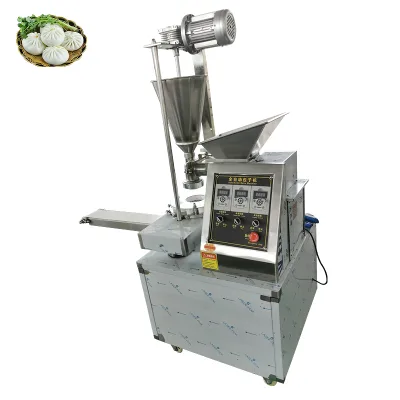
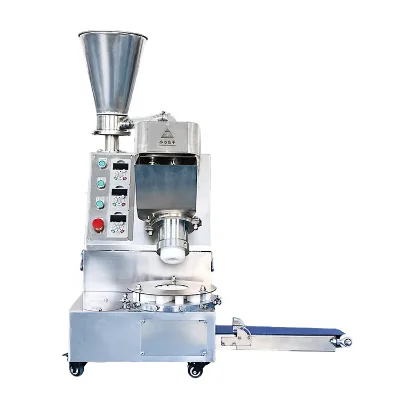
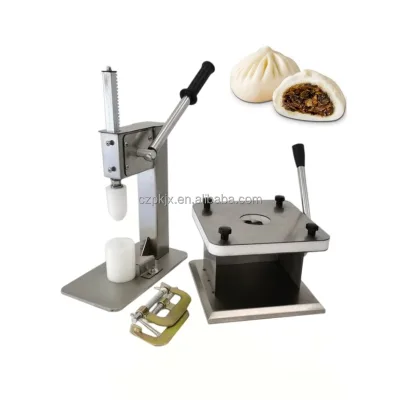
Baozi Forming Machine Automatic Banh Xiao Long Tang Bao Siopao Maker Momo Making Machine
$929.8373 - $1012.4898
MOQ: 1 sets
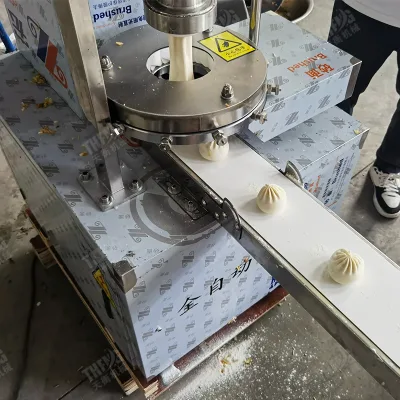
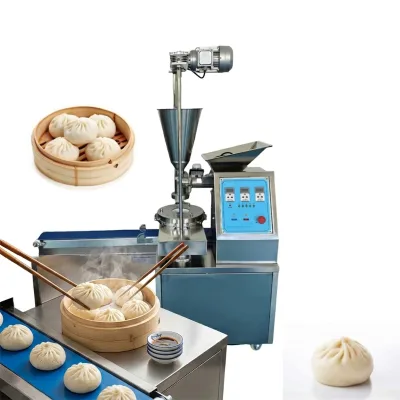
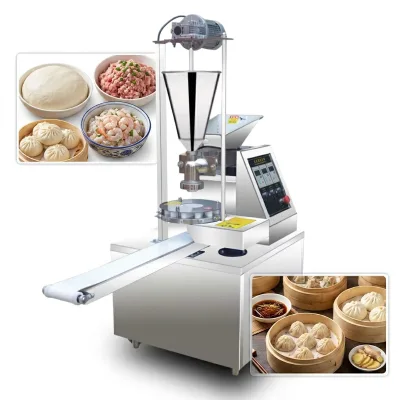
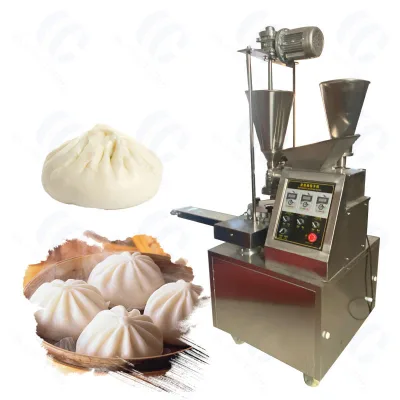

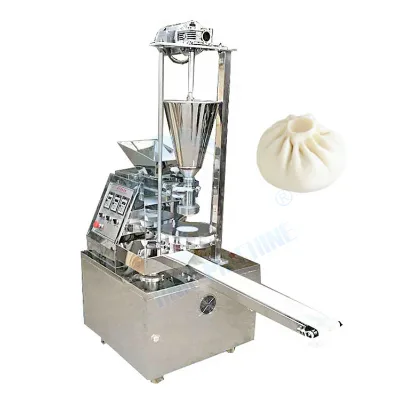
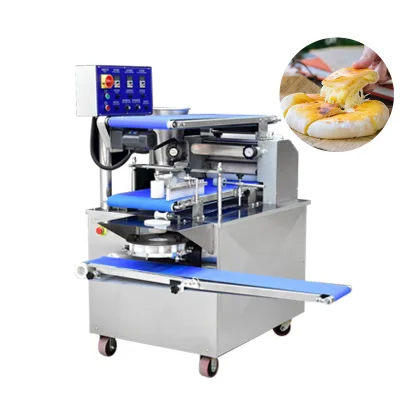
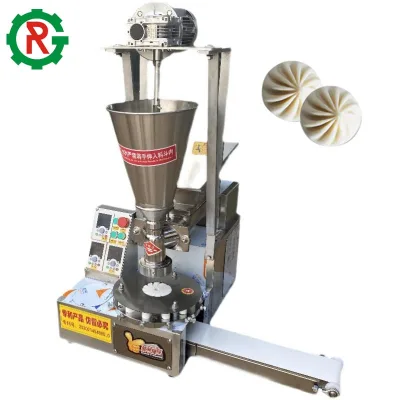
Nepal Momo Xiao Long Bao Making Machine Baozi Forming Sipao Maker Machine
$1200.00 - $2000.00
MOQ: 1 Pieces
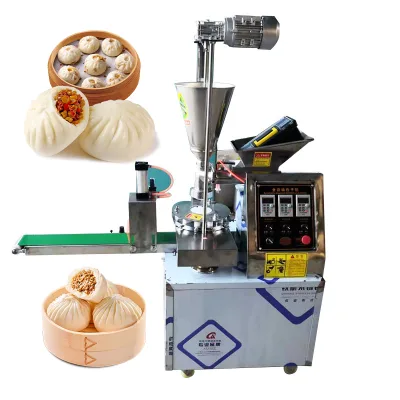
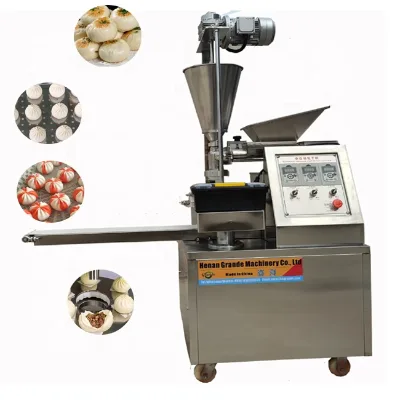
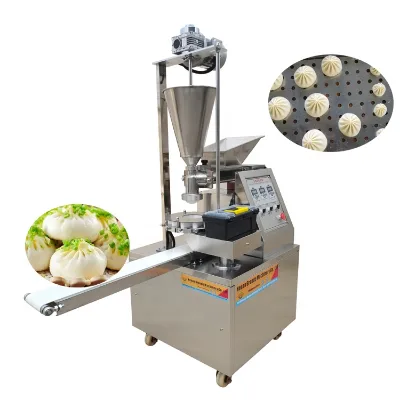
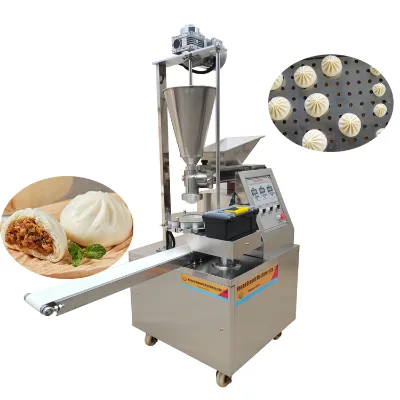


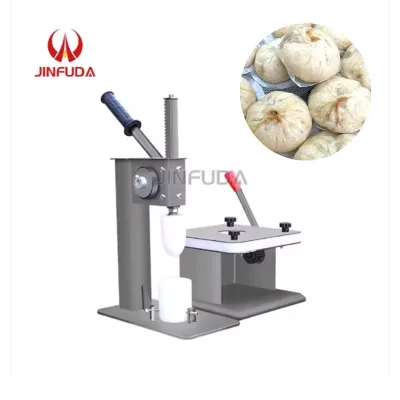
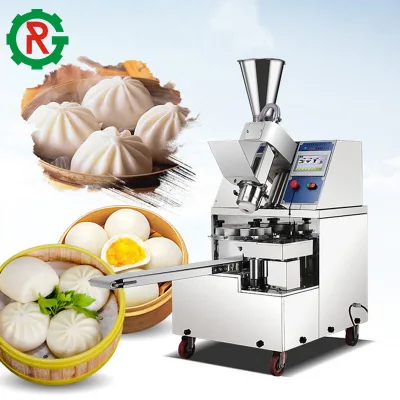
Commerical Bun Maker Machine Xiaolongbao Siopao Baozi Momo Making Machine
$145.00 - $200.00
MOQ: 1 pieces
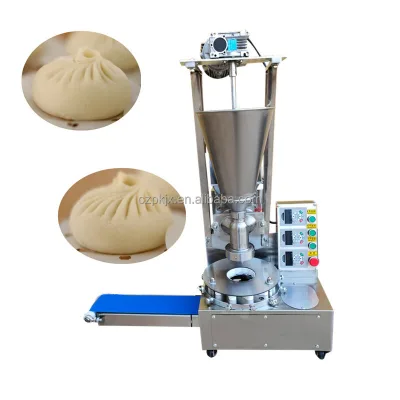
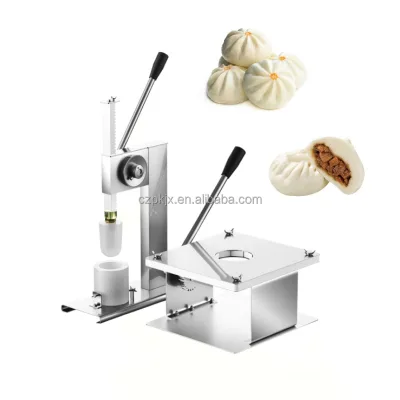
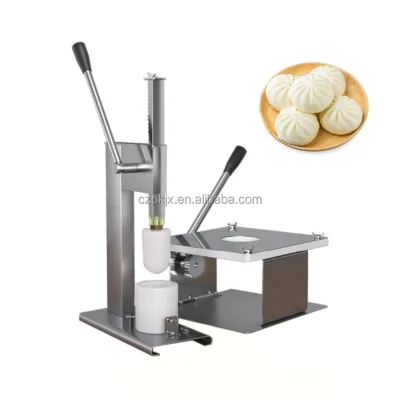
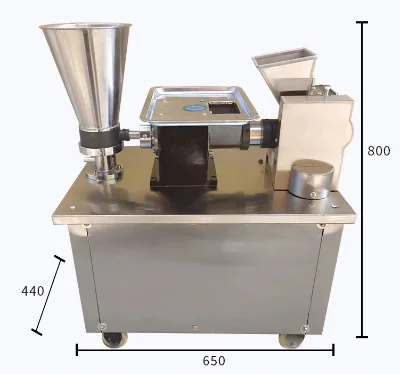
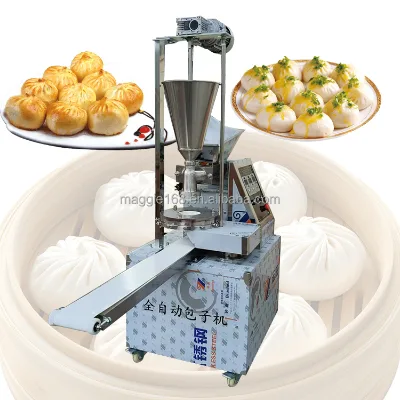
Easy Operation Whole Set Baozi Filling Machine High Quality Xiaolongbao Momo Making Machine
$187.5221 - $229.1932
MOQ: 1 sets
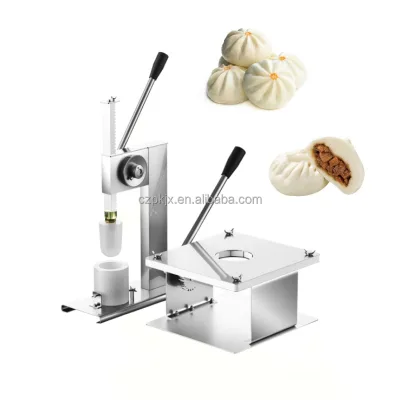
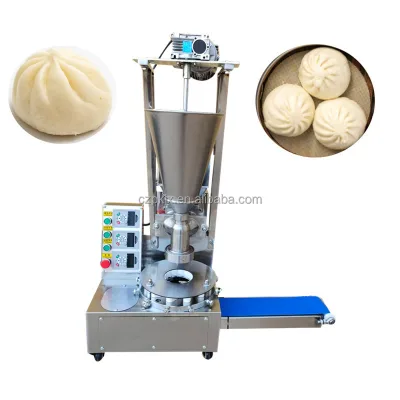
Comprehensive Sourcing Guide
Automatic Xiaolong Baozi Making Machine Sourcing Guide
The market for automatic xiaolong baozi making machines presents a diverse range of options tailored for specific production volumes and dough types. Buyers observe listings for units designed to produce dumplings and baozi with tunable sheet thickness, indicating flexibility in handling various dough consistencies. These machines are frequently marketed as automatic solutions suitable for hotels, manufacturing plants, and beverage shops, suggesting a broad applicability across different food service environments.
Procurement decisions must account for the significant variance in machine dimensions and power requirements observed in current listings. While some units are compact with dimensions around 113x68x160 cm, others are larger, reaching up to 150x60x165 cm, which impacts floor space planning. Power consumption also varies, with observed ratings ranging from 2.75 kW to 3.42 kW, requiring buyers to verify electrical compatibility before installation to ensure operational efficiency.
Product Scope and Observed Listing Signals
Buyers should verify the specific output capabilities of each machine, as listings indicate distinct functions such as producing dumplings or finalizing baozi products. The observed product scope includes models with stuffing bucket capacities of 25 liters and production capacities ranging from 2000 to 3000 pieces per hour. This variation necessitates a clear definition of required throughput to match the machine's output with the facility's daily production targets.
Marketing signals often highlight key selling points like competitive pricing and automatic operation, yet these claims require validation against actual performance data. Some listings describe the machinery as a "Hot Product 2025," while others focus on the material composition, such as main SUS304 stainless steel or food-grade stainless steel. Buyers must distinguish between marketing terminology and verified material specifications to ensure the equipment meets hygiene standards for food processing units.
Technical Specifications to Verify
Dimensional accuracy is critical for facility layout, as observed specifications vary significantly between models, with some listed as 113x68x160 cm and others as 150x80x180 cm. Procurement teams must confirm the exact length, width, and height of the unit to ensure it fits within the designated production area without obstructing workflow or safety exits. The single package size often differs from the operational footprint, requiring careful measurement of the unpacked machine.
Power and weight specifications also demand rigorous verification to prevent installation failures or structural issues. Observed power ratings range from 3000W to 3420W, and weights vary from 120 kg to 560 kg depending on the model and build quality. Buyers should confirm the voltage requirements, typically 220V, and ensure the facility's electrical infrastructure can support the peak load of the motor and other core components without tripping breakers.
Compliance and Safety Documentation
Safety compliance is a primary concern, though specific certification status for individual units in the current listings remains unverified. While background context mentions standards like CE, EN 60204, and ISO 12100, buyers must request explicit documentation proving that the specific machine model meets these safety protocols before purchase. Relying on general background information without concrete proof from the supplier poses a risk to operational safety and regulatory adherence.
Documentation regarding machinery test reports is currently noted as not available for many observed listings, which is a significant gap for risk-averse procurement. Buyers should insist on a video outgoing inspection or a detailed machinery test report to validate the machine's performance and safety features prior to shipment. Without these documents, it is difficult to confirm that the core components and automatic functions operate within safe parameters.
Cost Drivers and Commercial Terms
Pricing in this market segment shows a wide range, with observed listings spanning from 145 USD to 20,500 USD, reflecting differences in capacity, material quality, and automation levels. The cost drivers include the use of high-grade stainless steel, the complexity of the dough sheet thickness tuning mechanism, and the overall production capacity of the unit. Buyers must analyze the total cost of ownership rather than just the initial purchase price to determine the true value of the investment.
Commercial terms such as minimum order quantity (MOQ) and packaging requirements are generally standardized, with observed MOQs of 1 unit and packaging in wooden boxes or cases. However, lead times and shipping logistics can vary based on the origin, which is listed as China, specifically Zhejiang or Chongqing. Buyers should clarify the Incoterms and ensure that the wooden packaging is sufficient to protect the heavy machinery during international transit.
Supplier Qualification and Quality Control
Supplier qualification should focus on the origin and specific manufacturing capabilities, as listings indicate production in Zhejiang and Chongqing, China. Buyers must verify the supplier's ability to provide video outgoing inspections and confirm the warranty terms for core components, which are typically listed as one year. Establishing a direct line of communication to discuss the customization options available is essential for ensuring the machine meets specific production needs.
Quality control processes must be validated through the supplier's ability to provide detailed specifications and material certifications. The observed use of main SUS304 material and food-grade stainless steel suggests a focus on hygiene, but buyers should request material test reports to confirm these claims. Additionally, verifying the brand name and model number against the supplier's official catalog helps prevent the purchase of counterfeit or substandard equipment.
Long-Term Procurement Checks
Long-term procurement success depends on the availability of spare parts and the durability of the core components like the motor. Buyers should inquire about the expected lifespan of the machine and the availability of replacement parts for the automatic grade mechanisms. Ensuring that the supplier can support the machine for years beyond the initial warranty period is crucial for maintaining continuous production in food processing units.
Maintenance requirements and the availability of technical support are key factors for long-term operational stability. The tunable thickness of the dough sheet and the automatic nature of the machine imply a need for regular calibration and cleaning. Buyers should establish a maintenance schedule and confirm that the supplier provides clear operational manuals and training resources to minimize downtime and extend the equipment's service life.
FAQs
What is the power consumption of the Automatic Xiaolong Baozi Making Machine?
The machine typically operates with a power rating of 3000W to 3420W. This energy requirement supports the automatic dough processing and filling functions. Buyers should ensure their facility has adequate electrical capacity for continuous operation. The voltage is generally 220V, which is standard for many industrial settings. This power level ensures efficient production without excessive energy waste during the dumpling making process.
Can the Automatic Xiaolong Baozi Making Machine be customized for specific needs?
Yes, customization is available for this equipment. Manufacturers offer tailored solutions to meet specific production requirements. The dough sheet thickness is tunable, allowing for precise control over the final product texture. Buyers can request modifications to suit their operational workflow. This flexibility ensures the machine integrates smoothly into existing food processing units or hotel kitchens.
What is the production capacity of the Automatic Xiaolong Baozi Making Machine?
The production capacity ranges from 2000 to 3000 pieces per hour. This output rate supports high-volume manufacturing demands. The machine features a stuffing bucket capacity of 25 liters for continuous filling. This efficiency makes it suitable for beverage shops and large-scale food processing units. The automatic grade ensures consistent output with minimal manual intervention during the production cycle.
What materials are used in the construction of the Automatic Xiaolong Baozi Making Machine?
The main body is constructed from SUS304 stainless steel. This material ensures durability and compliance with food safety standards. The machine also uses food-grade stainless steel for components contacting the dough. This construction prevents corrosion and facilitates easy cleaning. The robust build supports long-term use in hotels and manufacturing plants while maintaining hygiene.
What are the dimensions and weight of the Automatic Xiaolong Baozi Making Machine?
The machine dimensions vary slightly by model, typically around 113x68x160 cm or 150x60x165 cm. The weight ranges from 120 kg to 560 kg depending on the specific configuration. These dimensions allow for placement in standard industrial kitchens. The substantial weight ensures stability during high-speed automatic operation. Buyers should verify specific model specs for precise space planning and floor load requirements.