Source Snack Food Factory Apple Peeler and Cutting Machine for Processing
Source the Snack Food Factory Apple Peeler and Cutting Machine from 30 verified listings. Compare models like HT-PQJ90 and HT-QP20, ranging from 69 to 30,000 USD, with capacities up to 3,600 pcs/h. Evaluate stainless steel construction, voltage options, and customization availability for efficient fruit processing.
Updated
Key considerations
Products List

Durable Apple Peeler Cutter Machine / Pear Apple Peeler Slicer and Corer
$1459.00 - $1895.00
MOQ: 1 Sets


High Automation Fruit Apple Peeling Machine / Apple Peeler Corer Slicer
$11805.00 - $14165.00
MOQ: 1 Sets
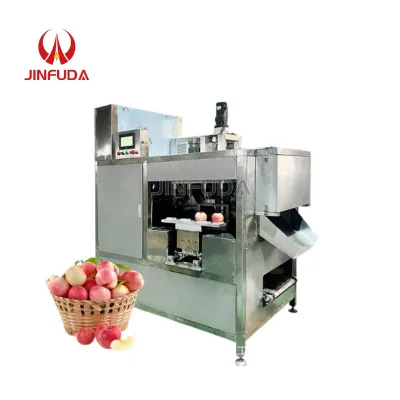
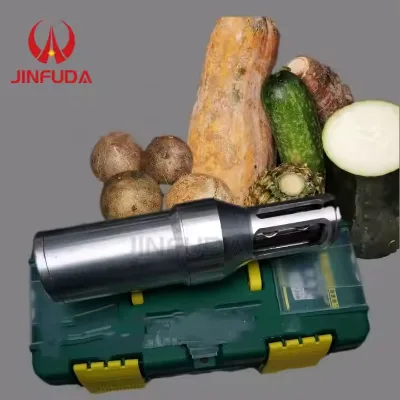
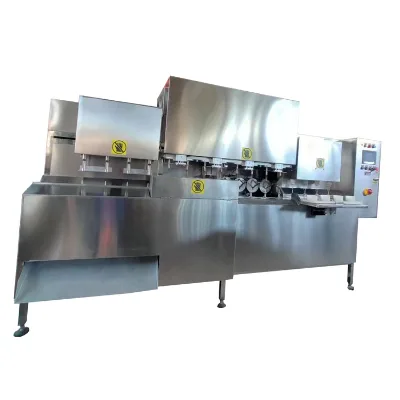
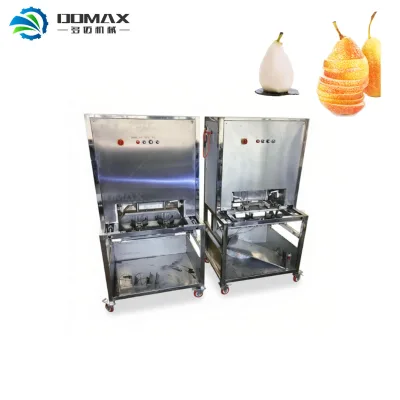
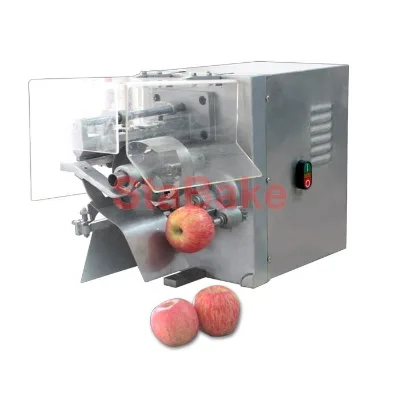
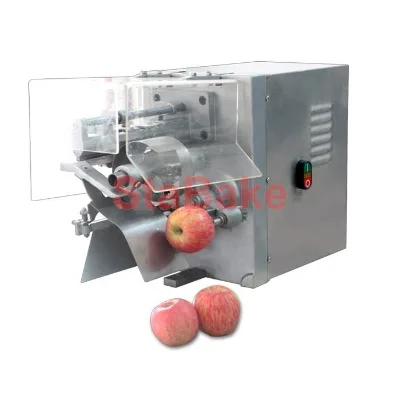
Commercial Electric apple Peeler Corer Slicer Machine for Apples Peach
$2000.00 - $2650.00
MOQ: 1 sets

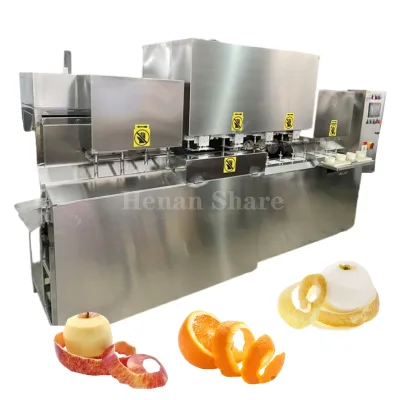


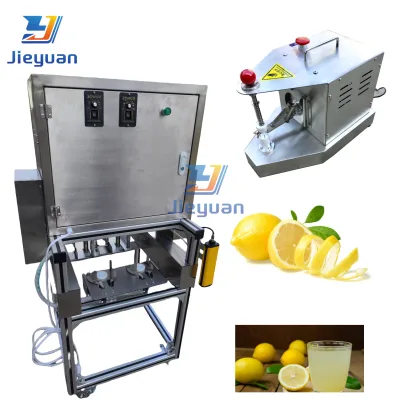

Multifunctional Peeling Cutting Slicing Machine for Apple and Pear
$11980.00 - $15800.00
MOQ: 1 Pieces

Automatic Apple Peeling Machine Electric Apple Peeling Coring Slicing Machine for Food Factory
$1880.00 - $1980.00
MOQ: 1 Pieces
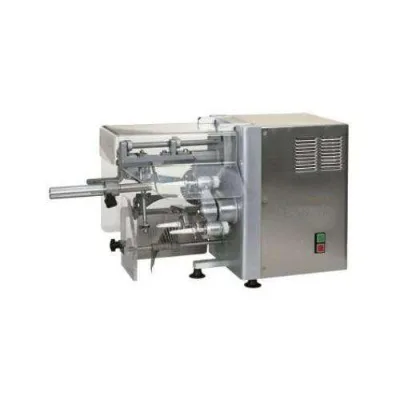
Automatic Apple Pineapple Mango Peeling Machine and Fruit Cutting Machine
$5801.6556 - $6216.0595
MOQ: 1 sets


Banana Slicer Machine Plantain Slicer Machine Apple Chips Cutting Machine
$3300.00 - $3500.00
MOQ: 1 Pieces


Food Processing Machine Potato Chips Slicer Slicing Cutter Cutting Machine
$1400.00 - $1800.00
MOQ: 1 Pieces

Comprehensive Sourcing Guide
Snack Food Factory Apple Peeler and Cutting Machine Sourcing Guide
Procuring specialized fruit processing equipment requires a clear understanding of the specific mechanical capabilities and operational constraints inherent to modern snack food production lines. Buyers must evaluate machines based on their ability to handle consistent throughput while maintaining product integrity, particularly when processing apples with varying diameters. The market offers a range of solutions, from compact electric peelers to high-capacity automated stations, each serving distinct stages of the preparation workflow. Understanding these distinctions is critical for aligning machinery with actual factory volume requirements and minimizing downtime during peak production periods.
This guide focuses on the technical and commercial realities of sourcing apple peeling and cutting systems, drawing directly from observed listing data and supplier specifications. It avoids speculative claims and instead provides a framework for verifying critical attributes such as voltage compatibility, material construction, and capacity metrics. By adhering to evidence-based evaluation criteria, procurement teams can mitigate risks associated with mismatched equipment specifications and ensure that selected machines integrate seamlessly into existing processing environments without requiring extensive retrofitting or operational adjustments.
Product Scope and Observed Listing Signals
The current market landscape for apple processing equipment reveals a diverse array of models, ranging from small-scale multifunctional electric peelers to large industrial cutting stations. Observed listings indicate a significant variation in physical dimensions and operational weights, with some units weighing as little as 0.75 kg while heavy-duty industrial models reach up to 800 kg. This disparity highlights the importance of matching machine scale to specific production needs, as compact units may suit small-batch or pilot operations, whereas larger systems are designed for continuous high-volume processing in established snack food factories.
Capacity metrics further illustrate this segmentation, with observed ranges spanning from 5 pieces per minute to over 3,600 pieces per hour. Some models offer customizable slicing options, allowing for 2, 4, 6, 8, or 12 slices per apple, which is essential for producing uniform snack products. Additionally, core removal capabilities are standardized in certain models, with specific cutting diameters noted, ensuring that the internal structure of the fruit is efficiently removed before slicing. These observed signals provide a baseline for understanding the functional boundaries of available equipment and help buyers identify which models align with their specific output targets.
Technical Specifications to Verify
When evaluating technical specifications, buyers must prioritize material construction and power requirements to ensure durability and operational efficiency. Stainless steel 304 is a commonly observed material for critical contact parts, offering corrosion resistance and ease of cleaning, which is vital for food safety compliance. Voltage compatibility is another critical factor, with observed options including 220V, 110V, and even 12V or 24V variants, necessitating careful verification against the factory’s electrical infrastructure to prevent equipment damage or operational hazards during installation and daily use.
Capacity and dimensional constraints also require rigorous verification, as observed models vary significantly in footprint and throughput. For instance, some units measure 630350420mm with a capacity of 8-10 pieces per minute, while larger systems can reach 284010701900mm with capacities exceeding 2,400 pieces per hour. Buyers should confirm the exact cutting thickness capabilities, which may be adjustable according to user requirements, and verify the puncture diameter for core removal to ensure compatibility with the specific apple varieties being processed. These details directly impact the final product quality and processing efficiency.
Compliance and Safety Documentation
Safety and compliance documentation are non-negotiable components of any equipment procurement process, particularly for machinery that involves high-speed cutting and peeling operations. Buyers should request machinery test reports and verify that core components, such as motors, meet relevant safety standards. Although CE certification is mentioned in some contexts, it should be treated as a background signal rather than a guaranteed status, requiring independent verification to ensure that the specific unit purchased complies with local regulatory requirements in the destination country.
Warranty and after-sales support structures also play a crucial role in long-term operational reliability. Observed listings frequently include a one-year warranty and online support services, which provide a baseline level of protection against early-life failures. However, buyers must clarify the scope of these services, including response times and the availability of spare parts, to ensure that potential downtime is minimized. Understanding the extent of manufacturer support is essential for maintaining continuous production flow and protecting the initial capital investment in processing equipment.
Cost Drivers and Commercial Terms
Cost structures for apple processing equipment are influenced by several key factors, including material quality, automation level, and production capacity. High-efficiency automatic machines with stainless steel construction typically command higher prices due to their durability and reduced labor requirements. Observed price ranges vary widely, reflecting differences in complexity and output capabilities, with some compact units starting at lower price points while large-scale industrial systems reach significantly higher thresholds. Buyers must align their budget with the specific throughput requirements of their snack food factory to avoid over-specifying or under-investing in critical processing assets.
Minimum order quantities (MOQ) and packaging standards also impact the total cost of acquisition. Observed MOQs are generally low, often ranging from 1 to 2 units, which facilitates flexible procurement for smaller operations or pilot projects. Packaging is typically specified as fumigation-free wooden cases, which simplifies customs clearance and reduces additional handling costs. Understanding these commercial terms allows buyers to accurately calculate the landed cost of equipment, including shipping and insurance, ensuring that the total investment remains within the allocated procurement budget while meeting all operational requirements.
Supplier Qualification and Quality Control
Supplier qualification is a critical step in ensuring the reliability and longevity of purchased processing equipment. Buyers should verify the place of origin and manufacturing capabilities of suppliers, with many observed listings indicating origins in regions like Henan and Guangxi in China. While these locations are known for machinery production, buyers must assess the supplier’s track record in delivering consistent quality and adhering to specified technical parameters. Requesting detailed product descriptions and confirming the availability of machinery test reports can provide additional assurance of the supplier’s commitment to quality control and product integrity.
Quality control processes should extend beyond the initial purchase to include ongoing performance monitoring and maintenance planning. Buyers should inquire about the availability of spare parts and the supplier’s ability to provide technical support for troubleshooting and repairs. Observing the supplier’s responsiveness to inquiries and their willingness to provide comprehensive documentation can serve as an indicator of their long-term reliability. Establishing a clear communication channel with the supplier ensures that any issues can be addressed promptly, minimizing disruption to the snack food factory’s production schedule and maintaining consistent product quality.
Long-Term Procurement Checks
Long-term procurement success depends on establishing robust maintenance protocols and monitoring equipment performance over time. Buyers should develop a preventive maintenance schedule that includes regular cleaning, lubrication, and inspection of critical components such as motors and cutting blades. Given the observed advantages of high efficiency and automatic operation, ensuring that these systems remain calibrated and free from debris is essential for maintaining optimal performance and extending the lifespan of the machinery. Regular audits of equipment condition can help identify potential issues before they lead to costly downtime or product defects.
Additionally, buyers should periodically review supplier performance and market trends to ensure that their equipment remains competitive and compliant with evolving industry standards. This includes staying informed about new technologies or improvements in fruit processing machinery that could offer enhanced efficiency or safety features. By maintaining a proactive approach to equipment management and supplier relationships, snack food factories can optimize their processing operations, reduce operational costs, and ensure consistent product quality in a dynamic market environment.
FAQs
What is the capacity of the HT-QP20 apple peeler and cutting machine?
The HT-QP20 model processes 2400 to 3600 pieces per hour. It features four workstations and weighs 800kg. The machine operates at 220V and uses stainless steel 304 material. This high-efficiency automatic unit is designed for large-scale fruit processing plants requiring consistent output.
Can the apple peeler and cutting machine be customized for specific slice counts?
Yes, customization is available for the HT-PQJ90 model. It allows for 2, 4, 6, 8, or 12 apple slices. The unit weighs 36kg and measures 630 by 350 by 420mm. This flexibility supports various snack food factory requirements for different fruit processing needs.
What are the core components and warranty for the JINFUDA peeler?
The JINFUDA multifunctional electric peeler uses a motor as its core component. It comes with a one-year warranty and online support. The machine weighs 0.75kg and measures 31 by 16 by 12cm. It is suitable for vegetable and fruit peeling in snack food factories.
How does the HT-SXPJ4-3600 machine handle apple processing?
The HT-SXPJ4-3600 processes 500 to 800 pieces per hour. It features a 22mm core cutting diameter and a 19mm puncture diameter. The unit weighs 800kg and measures 2840 by 1070 by 1900mm. It is designed for high-efficiency automatic operation in fruit processing plants.
What is the origin and packaging for these apple peeling machines?
The machines originate from Henan and Guangxi in China. They are packed in fumigation-free wooden cases. The HT-PQJ90 and HT-QP20 models are shipped this way. This packaging ensures safe transport for snack food factories and beverage factories requiring reliable fruit processing equipment.