Source Vortex Washing Salad Processing Line for Farm, Restaurant, Kitchen
Find 30 Vortex Washing Salad Processing Line options from China. Compare models like TDXZ-1500XL and LK-SLX-FG featuring SUS304 stainless steel, CE/ISO certifications, and adjustable running speeds for farm, restaurant, and kitchen applications; compare the available evidence and request quotations based on your requirements.
Updated
Key considerations
Products List


$4190.00 - $15000.00
MOQ: 1 Pieces


$4200.00 - $5800.00
MOQ: 1 Pieces

$7790.00 - $14200.00
MOQ: 1 Pieces

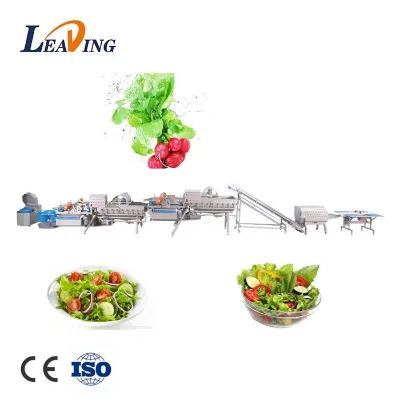


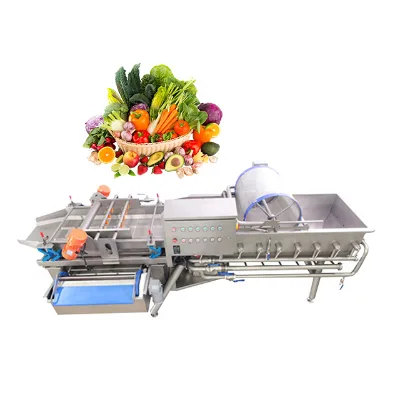
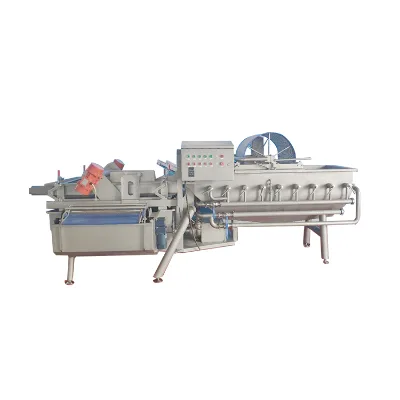
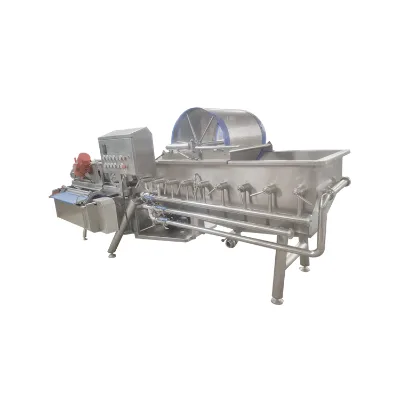
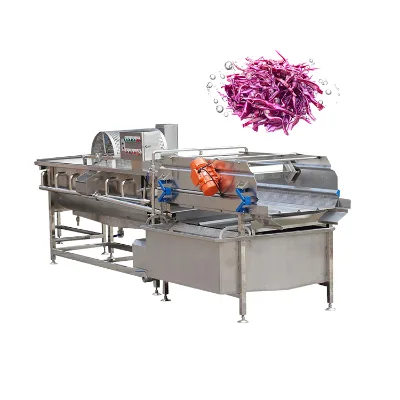
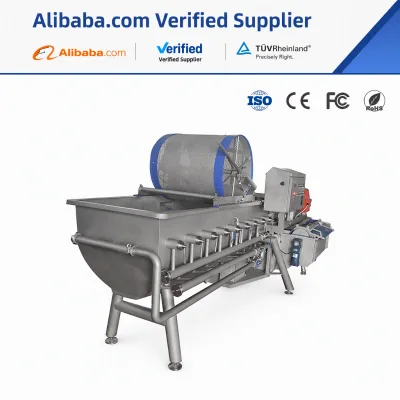
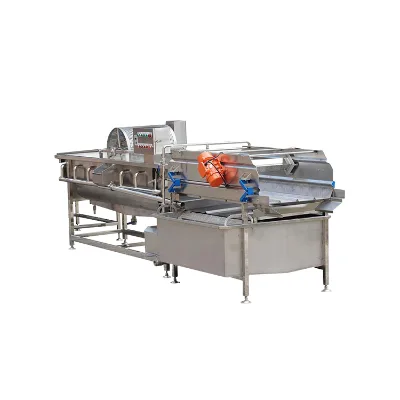
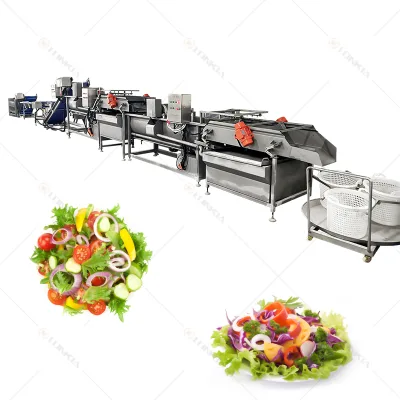
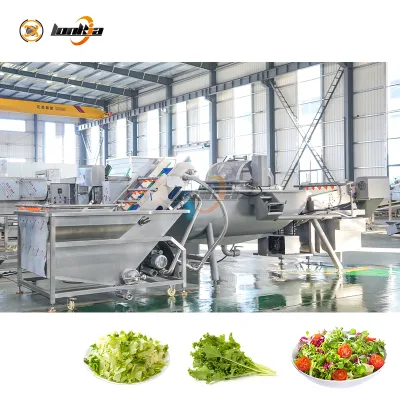
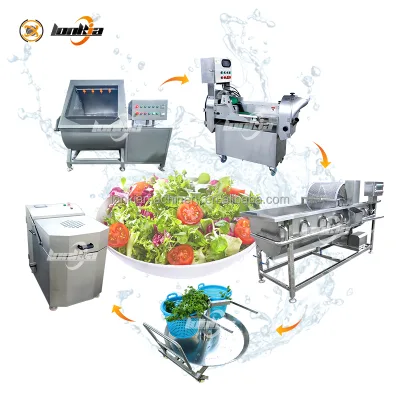
Small Scale Leafy Greens Processing Line Fresh Vegetable Salad Vortex Washing Shredding Drying LIne
$9110.5682 - $10352.9184
MOQ: 1 sets
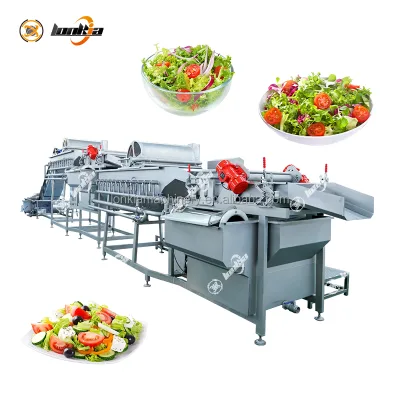
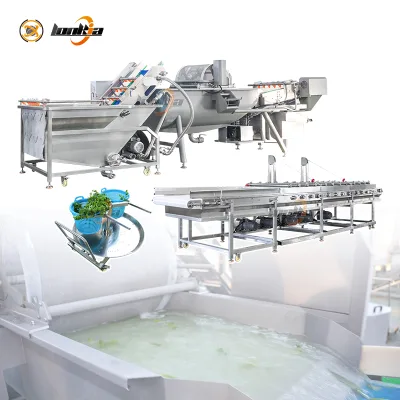
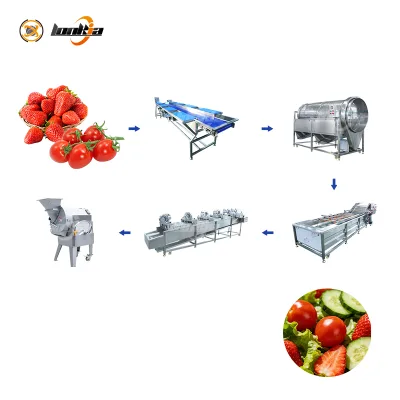
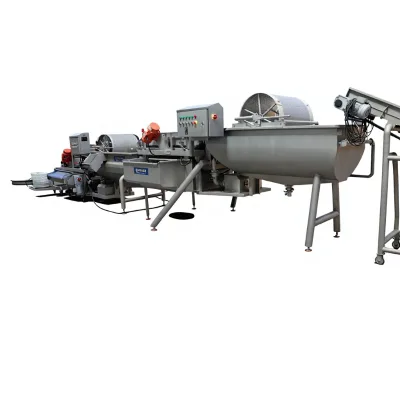
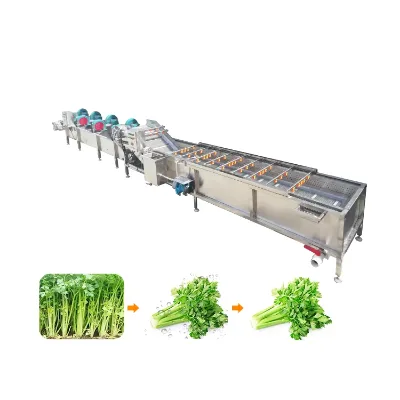

Salad Vegetable Cutting Slicer Drying Cleaning Washer Vortex Washing Processing Line Machine
$68500.00 - $78500.00
MOQ: 1 Pieces

Comprehensive Sourcing Guide
Vortex Washing Salad Processing Line Sourcing Guide
Procuring a Vortex Washing Salad Processing Line requires a strategic approach to align equipment capabilities with specific production volumes and hygiene standards. Buyers must first define the exact throughput requirements, noting that observed listings indicate capacities ranging from standard single-unit operations to high-volume lines capable of processing 800-1200kg/h. This variance necessitates a clear assessment of whether a standalone vortex washer or a integrated multi-functional line is required. The decision hinges on whether the facility needs a complete salad making line that includes related equipment such as brush roller washing machines, water bubble washers, and de-watering units.
Understanding the physical footprint and utility requirements is equally critical before finalizing a purchase. The observed standard dimensions for certain models are approximately 40508501750mm, while other configurations may vary significantly, requiring precise spatial planning within the processing facility. Additionally, power consumption is a key operational factor, with some units operating at 1.5KW on 380V systems. Buyers should verify that their site infrastructure can support these electrical demands and that the machine material, typically SUS304 stainless steel, meets the rigorous corrosion resistance and cleanliness standards required for ready-to-eat salad pre-processing environments.
Product Scope and Observed Listing Signals
The market for vortex washing salad processing lines presents a diverse array of configurations, primarily originating from China, with specific manufacturing hubs like Shandong being a notable source. Listings reveal a wide price range, observed between 4190 and 78500 USD, reflecting differences in automation levels, material quality, and integrated functionalities. The minimum order quantity is consistently observed at one set, allowing for flexible procurement for both small-scale operations and large industrial facilities. This accessibility enables buyers to start with a single unit and scale up, though it also requires careful evaluation of the specific model’s capabilities against the intended production volume.
Key product attributes highlight a strong emphasis on customization and specialized functions. Many suppliers offer customized solutions, including logo customization and tailored packing options such as plywood cases or wooden crates to ensure safe transit. The core components typically include bearings and motors, which are critical for the reliable operation of the vortex washing mechanism. Furthermore, advantages such as water filtration systems and waste collection systems are frequently cited, indicating a focus on resource efficiency and hygiene. Buyers should pay close attention to these specific features, as they directly impact the long-term operational efficiency and maintenance costs of the processing line.
Technical Specifications to Verify
Verifying the technical specifications of a Vortex Washing Salad Processing Line is essential to ensure compatibility with existing infrastructure and future production goals. Buyers must confirm the exact model number, such as TDXZ-1500XL or LK-SLX-FG, as these identifiers often correlate with specific performance metrics and component configurations. It is crucial to verify the running speed adjustability, which allows for flexibility in handling different types of leafy greens and salad ingredients. The operation should be easy to manage, reducing the training burden on staff and minimizing the risk of operational errors that could compromise product quality or safety.
Material composition and structural integrity are paramount in food processing equipment. The machine material is frequently specified as Stainless Steel 304 or SUS304, which offers excellent resistance to rust and corrosion, ensuring compliance with food safety standards. Buyers should also inspect the weight of the unit, with some models weighing around 730 KG, to determine the need for specialized flooring or lifting equipment. Additionally, the inclusion of related equipment such as lifters, multi-functional cutters, and picking tables should be evaluated to ensure a seamless workflow. Confirming these details prevents costly mismatches between the purchased equipment and the actual processing requirements.
Compliance and Safety Documentation
Compliance with international and local safety standards is a non-negotiable aspect of sourcing food processing equipment. Buyers must request and verify certificates such as CE and ISO9001, which indicate that the manufacturer adheres to recognized quality management and safety protocols. These certifications are critical for ensuring that the Vortex Washing Salad Processing Line meets the stringent hygiene requirements of the food industry. Without proper documentation, buyers risk facing regulatory hurdles, product recalls, or operational shutdowns due to non-compliance with local health and safety regulations.
Beyond basic certifications, buyers should inquire about specific safety features and operational safeguards integrated into the design. The equipment should be designed to prevent contamination, with features like water filtration and waste collection systems playing a vital role in maintaining a clean processing environment. It is also important to verify that the electrical components, including the motor and bearings, are rated for the specified voltage and power consumption, typically 380V and 1.5KW in observed listings. Ensuring that all documentation is up-to-date and verifiable protects the buyer from liability and ensures the long-term reliability of the investment.
Cost Drivers and Commercial Terms
The total cost of ownership for a Vortex Washing Salad Processing Line extends beyond the initial purchase price, encompassing installation, maintenance, and operational expenses. The observed price range of 4190 to 78500 USD suggests that significant variations exist based on the level of automation, material quality, and included accessories. Buyers should carefully analyze what is included in the quoted price, such as technical support, installation guidance, and spare parts. Understanding these cost drivers helps in making a more accurate budget forecast and avoids unexpected expenses during the implementation phase.
Commercial terms, including delivery periods and payment conditions, also play a crucial role in the procurement process. The observed delivery period ranges from 7 to 45 days, depending on the complexity of the order and the manufacturer’s current production schedule. Buyers should negotiate clear terms regarding lead times to ensure that the equipment arrives in time for their production needs. Additionally, the packing method, whether in wooden cases or wrapped with film, should be confirmed to prevent damage during transit. Clear communication on these terms ensures a smooth transaction and minimizes the risk of delays or disputes.
Supplier Qualification and Quality Control
Selecting a qualified supplier is critical to ensuring the reliability and performance of the Vortex Washing Salad Processing Line. Buyers should prioritize suppliers who offer support for inspection and testing, allowing for pre-shipment verification of the equipment’s functionality and quality. This step is essential for identifying any potential defects or deviations from the agreed specifications before the equipment leaves the factory. Suppliers with a proven track record in the food processing industry are more likely to provide equipment that meets the rigorous demands of salad pre-processing operations.
Quality control measures should be integrated into the procurement process from the outset. Buyers should request detailed technical support documentation and verify the manufacturer’s ability to provide ongoing assistance. The availability of customization options, such as tailored dimensions or specific functional additions, can also indicate a supplier’s flexibility and commitment to meeting client needs. By conducting thorough due diligence on potential suppliers, buyers can mitigate risks and ensure that they receive a high-quality product that aligns with their operational requirements and long-term business goals.
Long-Term Procurement Checks
Long-term procurement success depends on establishing a robust relationship with the supplier for ongoing support and maintenance. Buyers should verify the availability of spare parts and the supplier’s capacity to provide timely technical assistance. The observed emphasis on easy operation and high efficiency suggests that well-maintained equipment can significantly reduce downtime and operational costs. Establishing a clear protocol for maintenance and repairs ensures that the Vortex Washing Salad Processing Line continues to perform optimally throughout its lifecycle.
Regular audits and performance reviews are also essential for maintaining high standards of food safety and operational efficiency. Buyers should periodically assess the equipment’s performance against initial specifications, checking for any signs of wear or degradation in components like bearings and motors. Engaging with the supplier for periodic upgrades or modifications can help adapt the processing line to changing production needs or new regulatory requirements. By proactively managing the equipment’s lifecycle, buyers can maximize their return on investment and ensure consistent quality in their ready-to-eat salad products.
FAQs
What is the voltage requirement for this washer?
The voltage requirement is 380V for this washer. This specification ensures compatibility with standard industrial power supplies used in farms and restaurants. The machine operates reliably at this voltage to support continuous vegetable washing operations.
Can the machine material be customized for specific needs?
The machine material is Stainless Steel 304, which offers high durability and corrosion resistance. While the base material is fixed, customization is available for other aspects like logo and specific functional requirements to meet unique operational needs.
Which certifications does the salad processing line hold?
The product holds CE and ISO9001 certifications. These standards confirm that the equipment meets international safety and quality management requirements. Buyers can rely on these certifications for compliance in various global markets and industrial applications.
How long is the delivery period for this equipment?
The delivery period ranges from 7 to 45 days. This timeframe depends on order volume and specific customization requests. Buyers should plan their procurement schedule accordingly to ensure timely installation and operation in their facilities.
What is the minimum order quantity for this washer?
The minimum order quantity is 1 set. This low MOQ allows small businesses and startups to purchase the equipment without large initial commitments. It provides flexibility for various farm and restaurant sizes to adopt the technology easily.
Where is the product origin located for this machine?
The product origin is China, specifically from the Shandong region. This location is a known hub for manufacturing food processing machinery. Buyers can expect established supply chains and logistical support from this manufacturing center.
What is the production capacity of the washing line?
The production capacity is between 800 to 1200 kilograms per hour. This high efficiency supports large-scale ready-to-eat salad pre-processing. The adjustable running speed allows operators to optimize output based on specific production demands.