Source Automatic Rolling Dog Chase Toy for Indoor Play, Outdoor Exercise, and Interactive Training
Find 30 Automatic Rolling Dog Chase Toy options from verified suppliers. Buyers can compare materials like TPU and rubber, pricing from 0.92 to 9.17 USD, and customization features for interactive pet engagement.
Key considerations
Products List

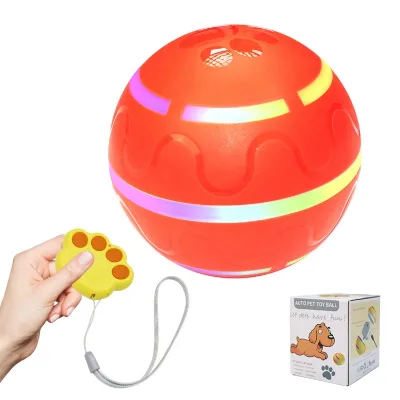


High Performance Automatic Rolling Interactive Electric Cat Chasing Toy
$1.49 - $1.90
MOQ: 2000 Pieces


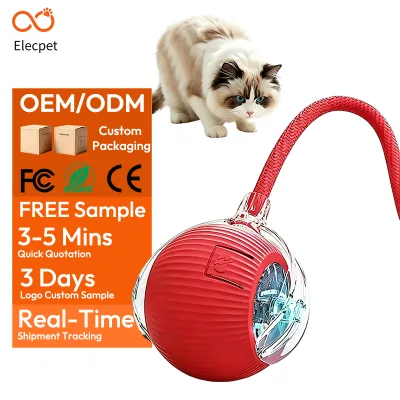
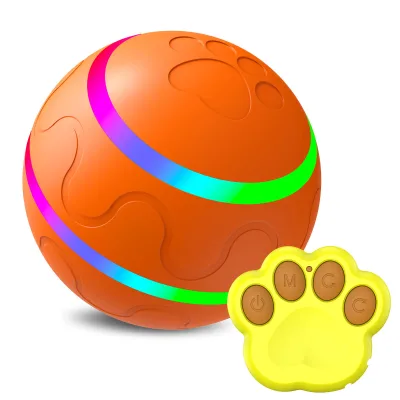
Durable Silicone Material Automatic Rolling Interactive Cat Chasing Toy
$1.49 - $1.90
MOQ: 2000 Pieces










Comprehensive Sourcing Guide
Strategic Sourcing Guide for Automatic Rolling Dog Chase Toys
The global demand for interactive pet solutions has surged, driven by owners seeking effective ways to engage their dogs in indoor and outdoor environments. The Automatic Rolling Dog Chase Toy represents a specific segment within this market, combining mechanical movement with interactive play to stimulate a dog's natural hunting and chasing instincts. For procurement professionals and business buyers, navigating this category requires a disciplined approach to verifying product specifications, understanding material compositions, and assessing supplier capabilities. This guide provides a comprehensive framework for sourcing these items, grounded in observed market data and technical realities.
Technical Specifications and Material Composition
When evaluating automatic rolling dog chase toys, the first step is to scrutinize the technical specifications that define the product's functionality and durability. The market presents a diverse array of materials, each offering distinct advantages for different use cases. Observations from current listings indicate that manufacturers utilize a range of substances, including terylene, TPU (Thermoplastic Polyurethane), plastic, and rubber. Terylene, a type of polyester, is often selected for its durability and resistance to tearing, making it suitable for chew toys that must withstand vigorous interaction. Conversely, TPU offers a balance of flexibility and toughness, ideal for toys that need to bounce or roll without cracking.
The physical dimensions of the product are equally critical for logistics and user experience. Data from the supply chain reveals significant variance in single package sizes. Some units are packaged in dimensions around 56x8x2 cm, suggesting elongated or flat-profile packaging, while others are compact cubes measuring approximately 8.3x8.3x8.3 cm. These differences directly impact shipping costs and storage efficiency. Buyers must verify the single gross weight, which has been observed ranging from 0.075 kg to 0.240 kg per unit. This weight variance often correlates with the complexity of the internal mechanism and the density of the materials used.
Furthermore, the electrical nature of the toy is a primary differentiator. While some products in the category are explicitly non-electric, relying on manual rolling or simple mechanical triggers, others are classified as electric. Electric models typically incorporate motors and batteries to create autonomous movement, requiring specific attention to power sources and safety. The model numbers associated with these products, such as LDF768781052299 or CCG-PT09, serve as unique identifiers for specific design iterations. Procurement teams should ensure that the model number aligns with the intended function, whether it is a simple chew toy or a complex automated chaser.
Compliance, Certification, and Safety Standards
Safety is paramount when sourcing pet products, as these items are designed for direct interaction with animals. While specific certification names were not universally present in the observed data, buyers must insist on verification of compliance with relevant international safety standards. The presence of an "Eco-Friendly" feature in some listings suggests that manufacturers are increasingly aware of environmental regulations and material safety. However, this claim should be validated against recognized standards for pet safety, such as those regarding non-toxic materials and the absence of small, detachable parts that could pose a choking hazard.
For electric models, electrical safety certifications are non-negotiable. Buyers should verify that the internal wiring, battery compartments, and motor housings meet the electrical safety standards of the target market. The "High Level" quality attribute observed in some listings implies a commitment to rigorous testing, but this must be substantiated by third-party test reports. Additionally, the customization options available, such as logo printing via silk screen or embossing, must not compromise the structural integrity or safety of the toy. Any added branding should be applied using inks and processes that are safe for pets and durable enough to withstand chewing and rolling.
Cost Drivers and Pricing Dynamics
Understanding the cost structure of automatic rolling dog chase toys is essential for maintaining healthy profit margins. The observed price range in the market spans from 0.92 USD to 9.17 USD, indicating a wide spectrum of product value based on complexity, material quality, and brand positioning. Several factors drive these costs. The primary driver is the material composition; rubber and TPU generally command higher prices than basic plastics or terylene due to their superior durability and elasticity.
The level of customization is another significant cost factor. Products offering OEM/ODM services, where the buyer can customize packaging, logos, or even the physical design, typically incur higher unit costs compared to stock items. The "Stocked" feature indicates that some suppliers maintain inventory, which can reduce lead times but may limit customization options. Conversely, "Customized" items often require longer production runs and higher Minimum Order Quantities (MOQ). The observed MOQ range is extensive, varying from as low as 2 pieces to as high as 2000 pieces. This flexibility allows buyers to scale their orders based on demand, but it also means that unit costs will likely decrease as order volume increases.
Lead times also influence the final cost. Suppliers with a lead time of 15-20 days up to order quantity may offer more competitive pricing for larger orders due to economies of scale, whereas expedited services or smaller batches might carry a premium. Buyers should analyze the total landed cost, including shipping, duties, and potential tariffs, rather than focusing solely on the unit price.
Typical Applications and Usage Scenarios
The versatility of automatic rolling dog chase toys makes them suitable for a wide range of applications. The "Usage" attribute frequently lists both "Outdoor" and "Indoor" environments, highlighting the dual-purpose nature of these products. For indoor use, the toys provide a solution for owners who need to keep their dogs entertained while working or away from home. The "Interactive Toys For Dogs" designation suggests that these products are designed to stimulate mental and physical activity, reducing boredom and destructive behaviors.
The "Holiday" attribute, listed as "Daily" or "All Holidays," indicates that these toys are not seasonal items but rather year-round essentials. This consistency in demand makes them a reliable product category for retailers. The "Style" of the toys, described as "Funny" or "Cuté," plays a crucial role in marketing. Visual appeal is a key driver of sales, and products that feature bright colors like blue, yellow, pink, and red tend to attract attention. The "Smart Teasing Active Pet Chasing" description points to a specific functional style where the toy moves unpredictably, mimicking prey and engaging the dog's predatory instincts.
Supplier Evaluation and Capability Assessment
Selecting the right supplier is a critical step in the sourcing process. The supply base for these toys appears to be concentrated in Guangdong, China, a region known for its robust manufacturing ecosystem. When evaluating potential partners, buyers should look for suppliers who offer "Service: OEM/ODM," indicating a willingness to collaborate on product development and branding. The ability to customize packaging, ranging from simple poly bags to color boxes, is a valuable service that can enhance the product's marketability.
The "Sample time" of 1-3 days is a positive indicator of supplier responsiveness and operational efficiency. It allows buyers to quickly assess product quality before committing to a larger order. However, buyers must also consider the "Lead time" for production, which can range from 15 to 20 days depending on order quantity. A supplier with a consistent track record of meeting these timelines is preferable to one with erratic delivery schedules.
Furthermore, the "Feature: Stocked" attribute suggests that some suppliers have ready-to-ship inventory, which can be advantageous for urgent orders or testing new markets. However, for long-term partnerships, buyers should prioritize suppliers who demonstrate flexibility in production capacity and a commitment to quality control. The "Quality: High Level" claim should be verified through sample testing and reference checks.
Quality Control and Long-Term Procurement Considerations
Implementing a robust quality control (QC) protocol is essential to ensure that the products meet the expected standards. Given the diverse materials and mechanisms involved, QC should cover multiple aspects, including material integrity, electrical safety, and mechanical function. For non-electric toys, the focus should be on the durability of the material and the absence of sharp edges or small parts. For electric models, testing the motor function, battery life, and safety of the electrical components is mandatory.
Long-term procurement considerations involve building a sustainable supply chain. Buyers should establish clear communication channels with suppliers to ensure that any changes in design or material are communicated promptly. The "Customization: Available" and "Custom Option: Packaging" features suggest that suppliers are open to evolving product lines based on market feedback. Maintaining a relationship with a supplier who can adapt to these changes is crucial for long-term success.
Additionally, buyers should monitor the "Single gross weight" and "Single package size" closely, as these factors affect shipping costs and storage requirements. As order volumes grow, optimizing packaging to reduce weight and volume can lead to significant cost savings. Finally, buyers should remain vigilant regarding any changes in regulations or standards that may affect the import or sale of pet toys in their target markets. Regular audits and continuous improvement processes will help maintain the high standards expected by consumers in this competitive market.
Comparative Analysis of Product Attributes
To facilitate decision-making, the following table summarizes key attributes observed in the market for automatic rolling dog chase toys. This comparison highlights the variability in specifications and helps buyers identify the product profile that best fits their needs.
| Attribute | Observation A | Observation B | Observation C |
|---|---|---|---|
| Material | Terylene | TPU | Rubber |
| Electric | Not Electric | Not Electric | Electric |
| Model Number | LDF768781052299 | Interactive Dog Toys Ball | CCG-PT09 |
| Package Size | 56x8x2 cm | 8.3x8.3x8.3 cm | 6x6x7 cm |
| Gross Weight | 0.075 kg | 0.240 kg | N/A |
| MOQ | 10 Pcs | 50 PCS | 2-2000 (Range) |
| Lead Time | 1-3 days (Sample) | 15-20 days | 15-20 days |
| Customization | Logo (Silk screen) | Logo (Embossing) | Packaging Only |
| Origin | Guangdong, China | China | China |
This table illustrates that while the core function remains consistent, the execution varies significantly. Buyers must align their specific requirements with these attributes to ensure a successful procurement outcome. By carefully analyzing these factors, businesses can source high-quality automatic rolling dog chase toys that meet both their operational needs and consumer expectations.
FAQs
What materials are used for automatic rolling dog chase toys?
These toys are commonly made from terylene, TPU, plastic, or rubber depending on the model. Terylene offers durability for chewing, while TPU provides flexibility for rolling, and rubber ensures safety for active play.
How long does it take to receive samples of these toys?
Sample time typically ranges from 1 to 3 days for ready stock items. This allows buyers to quickly verify quality and functionality before committing to larger production orders with longer lead times.
Can I customize the logo on automatic rolling dog chase toys?
Yes, customization is available for many models through silk screen printing or embossing. Buyers should verify specific model requirements, as some items may come without logo printing or offer only packaging customization.
What is the minimum order quantity for these interactive dog toys?
The minimum order quantity varies significantly, ranging from 2 to 2000 pieces depending on the supplier. Specific models may have MOQs of 10 or 50 pieces, so buyers must check individual product listings.
Where are automatic rolling dog chase toys typically manufactured?
Most products originate from Guangdong, China, a hub for pet product manufacturing. This location supports efficient production and shipping, with lead times often extending 15 to 20 days based on order volume.
Are automatic rolling dog chase toys electric or non-electric?
The category includes both electric and non-electric models to suit different play styles. Electric versions feature motors for autonomous movement, while non-electric options rely on manual rolling or simple mechanical triggers.