Source Automotive Photoelectric Switch for Printers, Conveyors, and Assembly
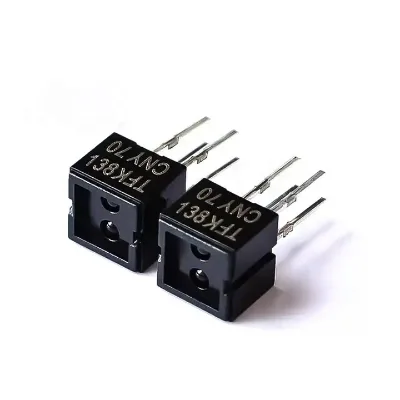
Compare 27 Automotive Photoelectric Switch options from global suppliers. Buyers can evaluate models like CNY70 and O6H for Heidelberg, Komori, and Man Roland printers, with features including diffuse reflection and slot types; compare the available evidence and request quotations based on your requirements.
Updated
Key considerations
Products List






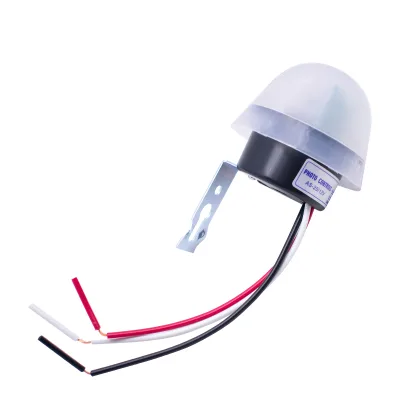
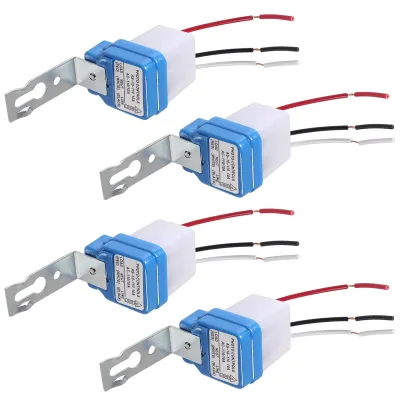
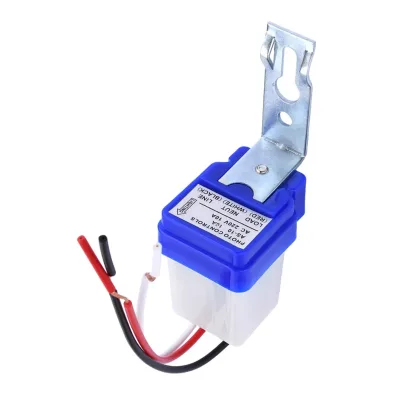
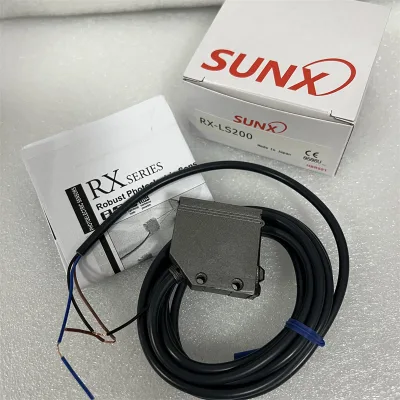



Comprehensive Sourcing Guide
Automotive Photoelectric Switch Sourcing Guide
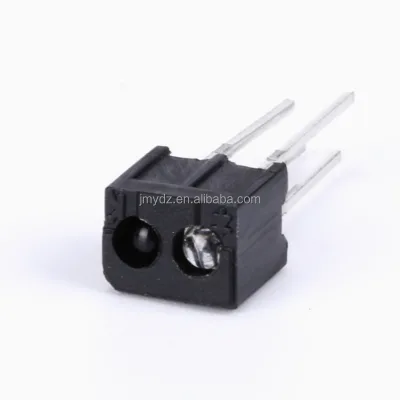
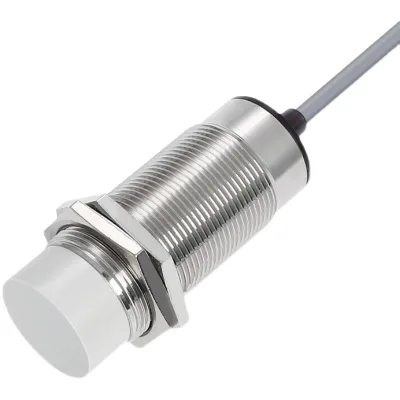
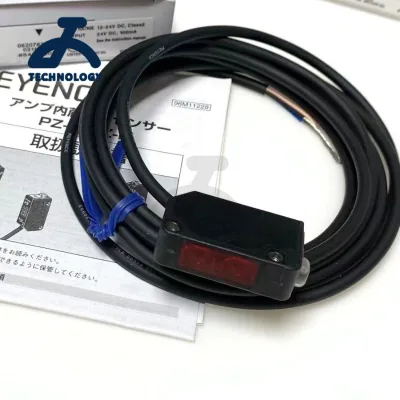
Procurement professionals must first distinguish between diffuse reflection and slot type configurations when sourcing automotive photoelectric switches, as the supplied data indicates distinct operational modes for different machine interfaces. The observed listings reveal specific models like the CNY70 and GT18 designed for diffuse reflection, while others such as the O6H are explicitly identified as slot type sensors, requiring different mounting strategies for integration into printing presses or assembly lines.
Buyers should also note that while some units are marketed for specific industrial printers like Heidelberg or Komori, the core technology remains a switching type photoelectric sensor with varying power requirements. The observed voltage ranges span from 10 to 30V DC for certain diffuse models and 12 to 24V DC for slot types, necessitating a careful review of the vehicle or machinery electrical architecture before selecting a compatible component to ensure stable signal output.
Product Scope and Observed Listing Signals
The market data indicates a wide variance in product origins, with significant listings originating from Guangdong, China, alongside specific German-manufactured units, which suggests a global supply chain for these critical sensing components. This geographic diversity impacts lead times and shipping terms, as observed options include major carriers like DHL, FedEx, and UPS, with some suppliers offering video outgoing-inspection services to verify the condition of new items prior to dispatch.
Buyers must scrutinize the physical construction details, as the shell materials vary between ABS and plastic cases with PMMA detection surfaces, directly influencing durability in harsh automotive environments. The observed packing standards range from single items per box to white box packaging, and the listed selling units are typically single items, which requires procurement teams to calculate bulk order quantities carefully to meet minimum order requirements that can range from one to five thousand units.
Technical Specifications to Verify
Verification of the response time is critical for high-speed automotive applications, as the observed data specifies a response time of 1ms or less for specific diffuse reflection models, ensuring rapid detection of moving parts on assembly lines. Procurement teams must confirm that the selected sensor matches the required linear type, such as the DC three-wire configuration observed in the listings, to guarantee compatibility with existing control systems and PLC interfaces without requiring complex adapter modifications.
The electrical load capacity and current consumption must be validated against the specific machinery power supply, noting that observed maximum load currents can reach up to 300mA while hourly current consumption remains under 35mA in no-load conditions. Additionally, the diffusion angle of 3 to 5 degrees for projection types and the IP rating for plastic cases must be checked to ensure the sensor can withstand the specific environmental conditions and detection distances required by the target automotive application.
Compliance and Safety Documentation
Certification status is a primary verification point, as the supplied facts explicitly list CE certification for certain models and ISO certification for others, indicating varying levels of regulatory compliance depending on the manufacturer and region of origin. Buyers should request specific certification documents for each batch to confirm that the sensors meet the safety standards required for the intended market, particularly when sourcing components for vehicles destined for regions with strict automotive safety regulations.
While some background information mentions ISO9001 and ISO16750, these should be treated as potential standards rather than confirmed attributes for every listed product, requiring direct confirmation from the supplier. The warranty period observed in the data is 18 months for specific units, which serves as a baseline for quality assurance expectations, but procurement contracts should explicitly define warranty terms to cover potential failures in the field and ensure liability coverage for non-compliant units.
Cost Drivers and Commercial Terms
Pricing in this sector is highly negotiable, with observed unit prices ranging from 0.55 to 300 USD depending on the model, origin, and customization level, making it essential for buyers to request detailed quotes that break down costs by volume and specification. The competitive and negotiable nature of the unit price suggests that bulk purchasing power significantly influences the final cost, and procurement teams should leverage the observed MOQ ranges of 1 to 5000 units to negotiate better tiered pricing structures.
Commercial terms also include specific payment methods such as PayPal, TT, VISA, and Trade Assurance, which offer varying levels of financial security for international transactions. Lead times are observed to be as short as 1 to 3 working days for some suppliers, but this can vary based on customization requests and stock availability, requiring buyers to align their production schedules with the supplier's stated delivery capabilities to avoid bottlenecks in the manufacturing process.
Supplier Qualification and Quality Control
Supplier qualification should prioritize those offering video outgoing-inspection services and clear condition guarantees, as the observed listings emphasize that products are new and include detailed inspection processes to verify functionality before shipment. The availability of customization options for shell materials and output signals indicates a flexible manufacturing base, but buyers must ensure that the supplier has the capacity to maintain consistent quality across customized batches without compromising the core sensor performance.
Quality control protocols must be verified through the supplier's production process, which is described as integration in the observed data, suggesting a streamlined manufacturing approach that may reduce defect rates. Buyers should request evidence of the service life, which is observed to be up to 2 million times for specific models, and demand test reports that validate this durability claim to ensure the sensors will withstand the rigorous operational cycles typical of automotive manufacturing environments.
Long-Term Procurement Checks
Establishing a long-term relationship requires monitoring the consistency of the LED indicator behavior and the stability of the output signal type, as these are critical for maintaining uninterrupted production lines in automotive facilities. The observed red light indicator for power-on status provides a simple visual check, but procurement teams should implement regular functional testing schedules to detect early signs of degradation in the switching type photoelectric sensors over their operational lifespan.
Future procurement strategies should account for the specific usage requirements for different printer brands like Man Roland or Heidelberg, ensuring that the sourced components remain compatible with evolving machinery standards. Buyers must also track the evolution of certification requirements and material standards, as the industry may shift towards stricter environmental or safety regulations, necessitating a proactive approach to supplier audits and specification updates to maintain supply chain resilience.
FAQs
What is the power supply voltage for the CNY70 sensor?
The CNY70 diffuse reflection photoelectric sensor operates on a 10 to 30V DC power supply. It features a DC three-wire linear type output signal and consumes less than 35mA under no-load conditions. This wide voltage range ensures compatibility with various industrial control systems and reliable performance in automated printing environments.
Can the Automotive Photoelectric Switch be customized for specific printers?
Yes, customization is available for these photoelectric sensors. They are specifically designed for use with Heidelberg, Komori, and Man Roland printers. Buyers can contact the supplier to discuss specific requirements, ensuring the sensor integrates seamlessly with existing printing machinery and meets precise operational needs for industrial applications.
What certifications do the photoelectric sensors hold?
The sensors hold CE certification, ensuring compliance with European safety standards. Some models also feature ISO certification. These certifications verify that the products meet rigorous quality and safety requirements. Buyers can rely on these documented standards when sourcing components for international markets or projects requiring strict regulatory adherence.
What is the response time and service life of the sensor?
The sensor has a response time of 1ms or less, ensuring rapid detection. It boasts a service life of 2 million times, providing long-term durability. These specifications make it suitable for high-speed industrial applications. The red LED indicator confirms power status, aiding in quick troubleshooting and maintenance checks during operation.
How is the product packaged and shipped?
Products are packaged in boxes, with some models in white boxes or single-item packaging. Shipping is available via TNT, DHL, FedEx, EMS, and UPS. Lead times are typically 1 to 3 working days. Video outgoing inspections are provided to ensure quality before dispatch, offering buyers confidence in the condition of the goods.
What is the output signal type for the slot type sensor?
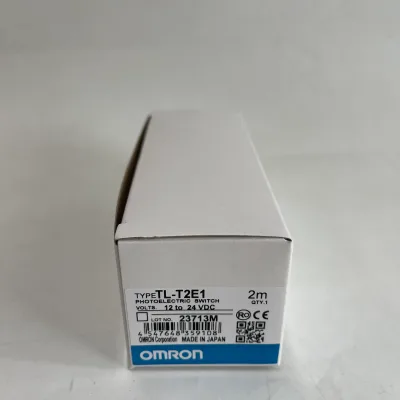
The slot type photoelectric sensor offers NPN or PNP output options. It operates on a 12 to 24VDC power supply and features a plastic case. This flexibility allows integration with various PLCs and control systems. The compact design and reliable switching type output make it ideal for precise position detection tasks.