Source Automotive Rear Trunk Lid Strut for Tailgates
Find 21 Automotive Rear Trunk Lid Strut options from Chinese manufacturers. Compare compression gas springs with steel construction, ISO9001 certification, and varying cycle lives for Toyota Yaris and hatchback replacements; compare the available evidence and request quotations based on your requirements.
Updated
Key considerations
Products List

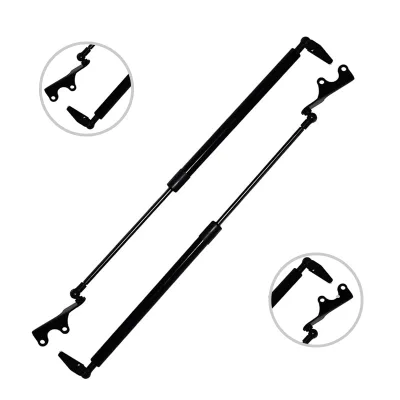
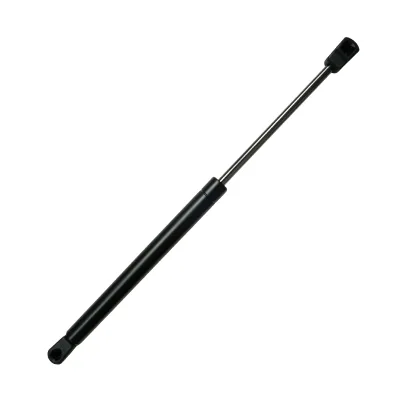
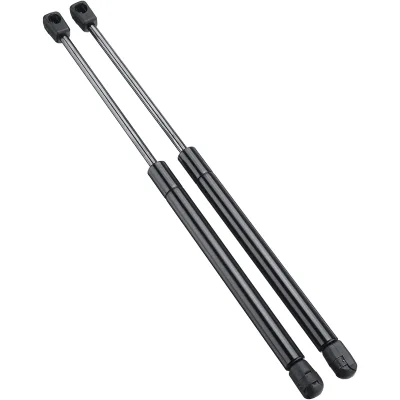
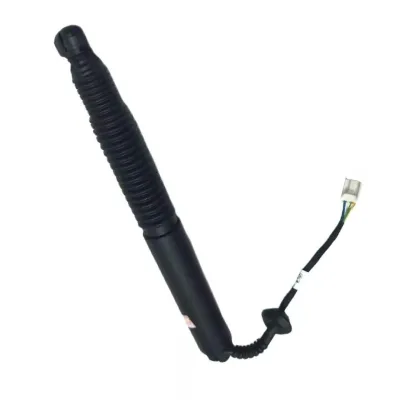


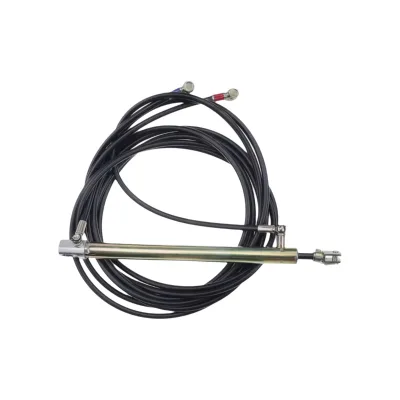
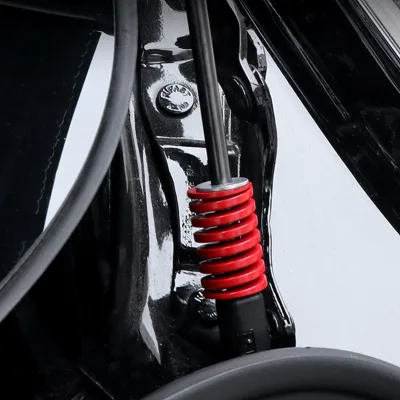
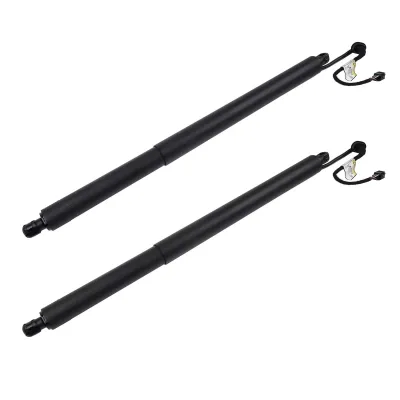
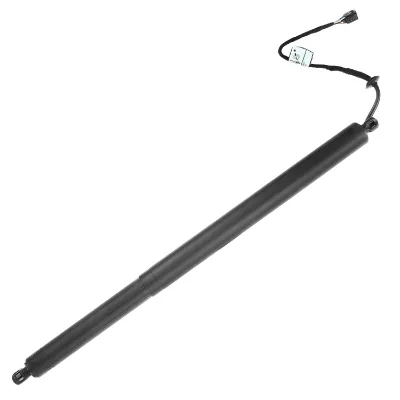
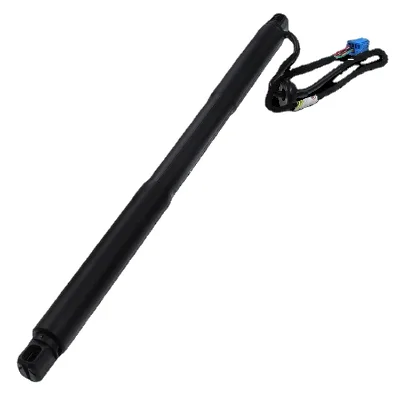
Rear Left & Right Tailgate Support Struts A1669803764 A1668900100 for Mercedes GL X166 Auto Parts
$77.5407 - $98.2184
MOQ: 10 pieces


Comprehensive Sourcing Guide
Automotive Rear Trunk Lid Strut Sourcing Guide
Procurement professionals must first distinguish between generic gas springs and specialized automotive tailgate struts, as the latter require precise load matching to vehicle specifications. The observed market data indicates a primary application for rear trunk support in hatchback models, specifically targeting vehicles like the Toyota Yaris and FN/FK hatchbacks from the mid-2000s. Buyers should verify that the listed product explicitly states compatibility with their specific model year and body style, as generic compression struts may fail to provide the necessary lift force for heavier trunk lids.
The functional requirement centers on a buffer mechanism that utilizes nitrogen gas to assist in opening and closing the trunk lid smoothly. Listings confirm that these components are designed for auto usage and are typically installed in the car rear trunk tailgate position. When evaluating potential suppliers, it is critical to ensure the product is described as a replacement or repair part rather than a generic industrial cylinder, as automotive applications demand specific mounting geometries and force curves that differ from standard industrial gas springs.
Product Scope and Observed Listing Signals
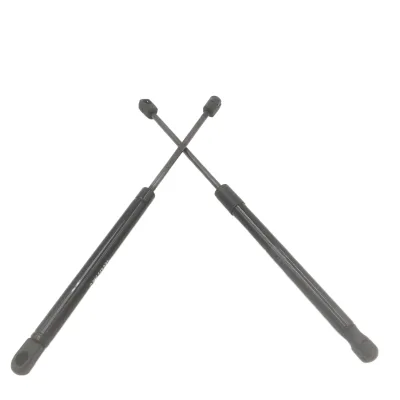
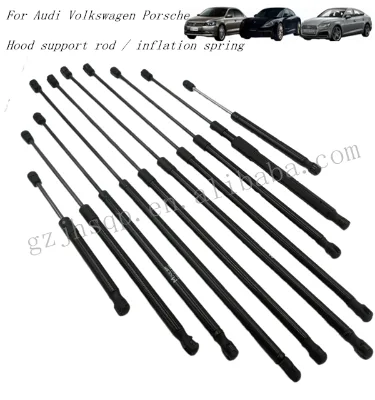
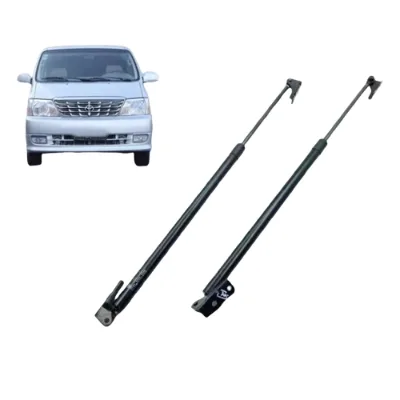
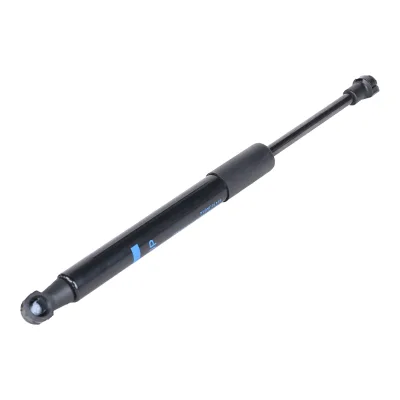
Buyers should scrutinize the physical attributes of the product to ensure it matches the vehicle's mounting points and spatial constraints. The available data highlights that these struts are cylindrical in shape and often feature a black or silver finish with anti-rust coatings or baking finishes. It is essential to confirm the single package dimensions, which vary significantly between compact units measuring 20x3x2 cm and larger packages reaching 45x8x5 cm, as this impacts shipping costs and storage requirements for the procurement team.
Commercial listings frequently present conflicting data regarding the material composition and service life, requiring careful cross-referencing of supplier claims. While some entries specify carbon steel cylinders with a service life of up to 50,000 cycles, others claim a robust 200,000-cycle lifespan using stainless steel or metal alloys. Procurement teams must request detailed technical sheets to resolve these discrepancies, ensuring the selected component meets the durability expectations for the intended vehicle application without relying on unverified marketing assertions.
Technical Specifications to Verify
The load capacity is the most critical technical parameter, as an incorrect force rating can lead to premature failure or unsafe trunk operation. Observed specifications mention a maximum load of 230 Newtons for certain nitrogen-filled carbon steel cylinders, yet other listings do not explicitly state the force value. Buyers must insist on a verified load rating that matches the weight of their specific trunk lid, as the difference between a 150N and a 230N strut can determine whether the trunk stays open or slams shut unexpectedly.
Mounting geometry and connection types must also be validated against the vehicle's original equipment specifications to ensure a direct fit. The data indicates that some products are custom-made or labeled with specific model numbers for FN/FK hatchbacks, while others list generic OE numbers like 53440ac030. It is imperative to measure the extended and compressed lengths of the strut and verify the ball joint sizes, as even minor deviations in these dimensions can prevent installation or cause stress on the trunk hinges.
Compliance and Safety Documentation
Safety in automotive applications relies heavily on the integrity of the pressure vessel and the reliability of the sealing system. Buyers should request proof of certification, as the market data references ISO9001, TS16949, and SGS certificates for certain suppliers. These documents are not merely administrative; they indicate that the manufacturer adheres to quality management systems and automotive industry standards, which are crucial for ensuring that the nitrogen gas remains contained and the strut does not rupture under repeated use.
Documentation regarding the working medium and surface treatment is equally vital for long-term reliability in varying environmental conditions. The supplied facts confirm that these struts utilize nitrogen gas and often undergo anti-rust coating or QPQ surface treatments to resist corrosion. Procurement teams must verify that the surface treatment process is consistent with the vehicle's operating environment, particularly for rear trunk applications exposed to road salt and moisture, to prevent premature rusting that could compromise the structural integrity of the strut.
Cost Drivers and Commercial Terms
Pricing in this sector is influenced by the complexity of the customization and the specific material grade used in the cylinder construction. The observed price range spans from $0.26 to $140, reflecting a wide disparity between basic generic units and high-performance, vehicle-specific struts. Buyers should understand that lower prices often correlate with generic specifications that may not offer the precise load or life cycle required for their specific vehicle, whereas higher-priced items typically include custom engineering and rigorous testing.
Minimum Order Quantities (MOQ) and delivery timelines are significant factors that affect the total cost of ownership and inventory planning. Listings show MOQs ranging from as low as 2 pieces to as high as 5,000 units, with delivery times varying between 7 to 20 days depending on the supplier's location in China. Procurement managers must balance the need for immediate stock against the cost benefits of larger orders, while also accounting for potential lead time fluctuations that could disrupt production schedules or repair workflows.
Supplier Qualification and Quality Control
Evaluating the supplier's origin and manufacturing capability is essential for ensuring consistent product quality and supply chain stability. The data indicates that products originate from various regions in China, including Hebei, Zhejiang, and Guangdong provinces, each with different industrial specializations. Buyers should verify the specific factory location and assess whether the supplier has a dedicated production line for automotive parts, as general metalworking shops may lack the precision tooling required for high-volume automotive strut manufacturing.
Quality control processes must be explicitly defined to mitigate the risk of receiving defective units that fail during installation or early use. While some suppliers offer warranties ranging from 6 months to 2 years, the presence of a warranty is only as good as the supplier's ability to honor it. Procurement teams should request samples for independent testing to verify the cycle life claims and inspect the surface treatment quality, ensuring that the "High-Quality" assertions made in product descriptions are backed by tangible performance data.
Long-Term Procurement Checks
Establishing a reliable supply chain requires ongoing monitoring of product consistency and supplier performance over time. Buyers should implement a system to track the failure rates of struts from different batches, as the observed service life claims of 50,000 to 200,000 cycles need validation through real-world usage data. Regular audits of the supplier's quality control records and certification renewals will help ensure that the product specifications remain stable and that the nitrogen filling process continues to meet safety standards.
Future procurement strategies should account for potential changes in vehicle models and the availability of compatible replacement parts. As automotive designs evolve, the specific OE numbers and mounting configurations for rear trunk struts may change, requiring suppliers to adapt their production lines. Buyers should maintain open communication with suppliers regarding their ability to support legacy models while also preparing for the transition to newer vehicle platforms, ensuring a seamless supply of replacement parts for the long term.
FAQs
What is the service life of automotive rear trunk lid struts?
The service life is up to 50,000 times opening and closing. Some high-quality variants offer a 200,000-cycle lifetime. These gas springs are designed for durable performance in automotive applications, ensuring reliable support for trunk lids over extended usage periods without failure.
Can automotive rear trunk lid struts be customized for specific vehicles?
Yes, customization is available for these automotive parts. Manufacturers offer tailored solutions for various models, such as the Toyota Yaris or FN FK Hatchback. Buyers can specify load types, dimensions, and mounting requirements to ensure a precise fit and optimal function for their specific vehicle application.
What certifications do Automotive Rear Trunk Lid Strut suppliers hold?
Suppliers typically hold ISO9001, TS16949, and SGS certifications. These credentials verify that the manufacturing processes meet international quality and safety standards. Buyers can rely on these certified sources to ensure consistent product quality, material integrity, and compliance with automotive industry requirements for rear trunk support components.
What is the typical lead time for automotive rear trunk lid struts?
The typical delivery time ranges from 7 to 20 days. This timeframe allows for production, quality inspection, and packaging preparation. Buyers should confirm specific lead times with suppliers, as factors like order volume and customization requirements may influence the final shipping schedule for these automotive gas springs.
What is the minimum order quantity for automotive rear trunk lid struts?
The minimum order quantity varies, with some suppliers requiring as few as 2 pieces. Other sources may have higher MOQs up to 5,000 units. Buyers can find flexible options depending on their needs, whether for small replacement orders or large-scale automotive manufacturing projects requiring bulk supply of trunk support rods.
What materials are used in automotive rear trunk lid struts?
These struts are primarily made from steel, stainless steel, or carbon steel. The materials are often treated with anti-rust coatings, baking finishes, or QPQ processes to enhance durability. This ensures resistance to corrosion and wear, maintaining structural integrity and smooth operation for automotive trunk lid support applications over time.