Source Baby Pacifier Clip for Sleep, Soothing, and Teething
Explore 30 verified listings for Baby Pacifier Clip options featuring food-grade silicone and PP materials. Buyers can compare certifications like FDA and En14350, customization availability, and pricing from manufacturers in Guangdong and Zhejiang.
Key considerations
Products List

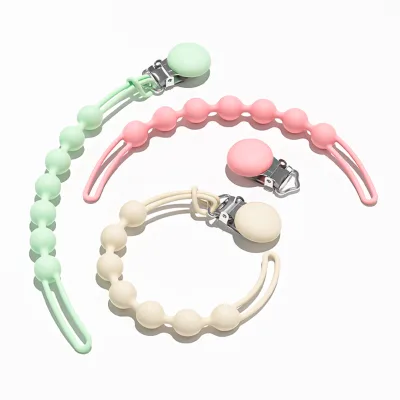
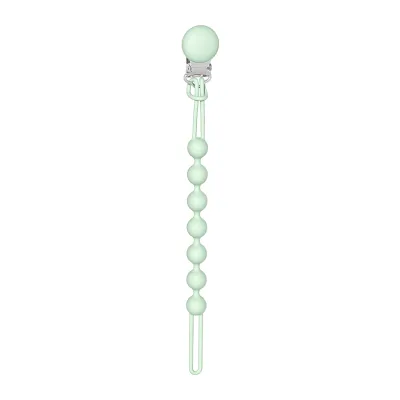
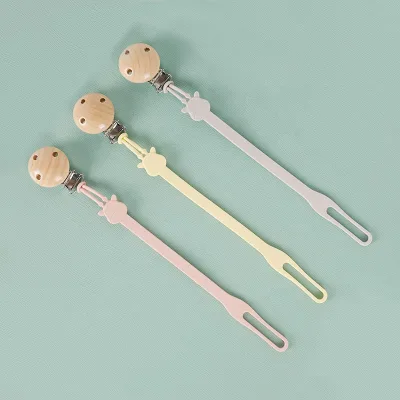
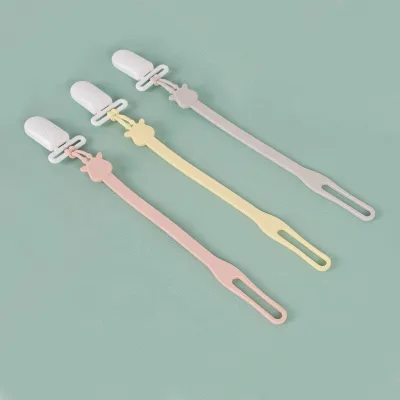
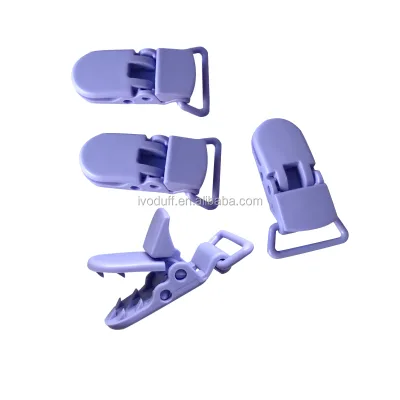
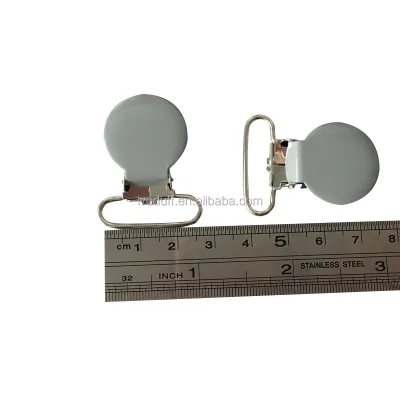
Pacifier Clip for Baby Holder Silicone Teething Baby Pacifier Holder Clip
$0.20 - $0.26
MOQ: 1000 Pieces


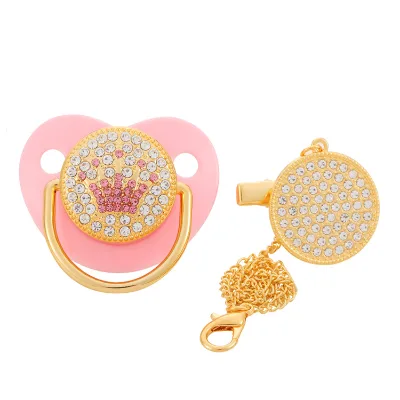
Baby Teething Pacifier Hot Sale Baby Pacifier Silicone Pacifier Chain Clip
$0.25 - $0.55
MOQ: 1000 Pieces


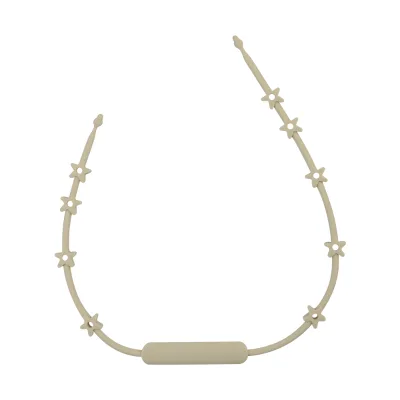
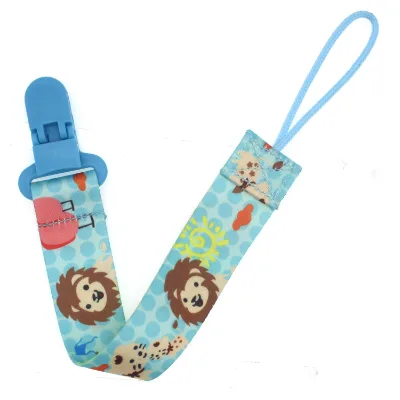
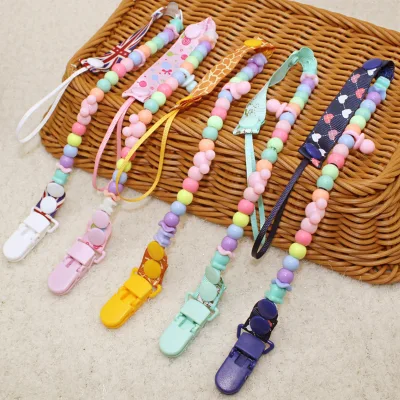
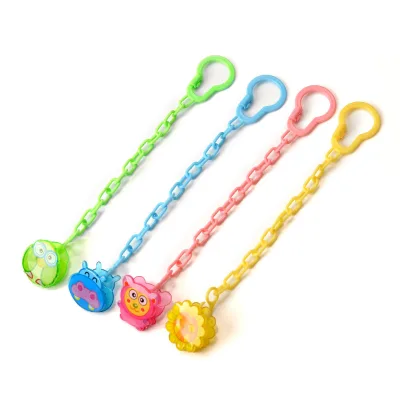






Comprehensive Sourcing Guide
Strategic Sourcing Guide for Baby Pacifier Clips
Navigating the global market for baby pacifier clips requires a meticulous approach to material safety, regulatory compliance, and supply chain reliability. As a critical accessory for infant care, these products serve a dual function: securing the pacifier to prevent loss and providing a soothing element for the child. Buyers entering this sector must distinguish between generic listings and verified, high-quality manufacturing capabilities. The following guide outlines the essential technical, regulatory, and commercial factors that define a successful procurement strategy for baby pacifier clips.
Technical Specifications and Material Composition
The foundation of a safe and functional Baby Pacifier Clip lies in its material composition. Market observations indicate a prevalence of food-grade silicone and polypropylene (PP) as the primary constituents. High-quality listings frequently specify "Food Grade Silicone" combined with "PP" and "Nylon" to ensure durability and safety. The raw material is often described as "Liquid Silicon," which suggests a molding process that yields a smooth, non-porous surface essential for hygiene.
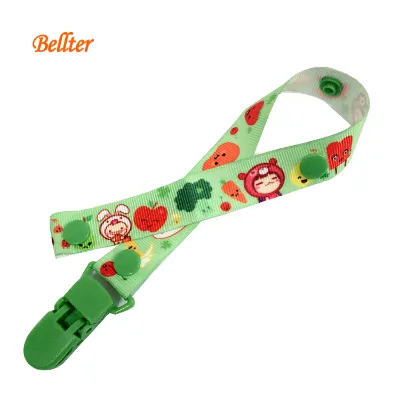
When evaluating product specifications, buyers should scrutinize the material characteristics. Key attributes to verify include being "BPA Free," "Non-Toxic," and "Heat-Resistant." These properties are not merely marketing terms but critical safety indicators. The product must withstand sterilization processes without degrading. Additionally, the physical design often features specific shapes, such as "Gourd-shaped," or utilizes "Print" patterns for aesthetic appeal. The size of the clip varies, with some models categorized as "Small" while others offer customizable dimensions.
The construction of the clip involves multiple components. The attachment mechanism typically utilizes nylon or PP, while the main body is silicone. This combination ensures that the clip is flexible enough to attach securely to clothing or strollers yet rigid enough to hold the weight of a pacifier. Packaging standards also vary, ranging from simple "1 PC/Poly Bag" or "1 PC/OPP Bag" to more elaborate "Blister Card" or "PP Box" options. Buyers must confirm that the packaging material itself does not introduce contaminants, especially if the product is marketed as "Recyclable."
Compliance and Certification Verification
Regulatory compliance is the most critical hurdle in the baby product sector. Unlike general consumer goods, baby accessories face stringent scrutiny regarding chemical safety and physical integrity. Based on observed market data, reputable suppliers often cite a range of certifications including "FDA," "SGS," "En71," and "En14350." The presence of an "ISO" certification indicates a standardized quality management system, though it does not guarantee the specific safety of the final product without supporting test reports.
Buyers must verify that the "En14350" standard is relevant to the specific product type, as this standard often pertains to baby carriers and similar equipment, while "En71" is the European standard for toy safety. The "FDA" designation implies compliance with United States Food and Drug Administration regulations regarding materials that come into contact with food or the mouth. It is imperative to request current, valid certificates from the supplier rather than relying on generic claims.
The distinction between "Food Grade Silicone" and other silicone grades is vital. The material must be certified to meet the specific migration limits for heavy metals and other harmful substances. While some listings mention "ASTM F963," this is a standard for toy safety in the US and should be cross-referenced with the specific regulatory requirements of the target market. Buyers should not assume that a single certification covers all regions; a product sold in Europe requires CE marking and compliance with EN standards, while the US market requires adherence to CPSC guidelines and potentially ASTM standards.
Cost Drivers and Pricing Dynamics
The pricing structure for baby pacifier clips is influenced by several variable factors, including material quality, customization complexity, and order volume. Observed price ranges in the market span from approximately $0.04 to $4.50 per unit. This wide variance reflects differences in material costs, with food-grade silicone generally commanding a higher price than standard PP or mixed-material constructions.
Order Volume is a primary cost driver. While some suppliers list Minimum Order Quantities (MOQ) as low as 10 units for sampling, standard wholesale MOQs typically start at 3,000 pieces. This high threshold is common in the manufacturing sector to ensure production line efficiency. Buyers should anticipate that unit costs will decrease significantly as order volumes increase beyond the initial MOQ.
Customization is another significant cost factor. Options for "Customized Color," "Customized Package," and specific branding (e.g., "E-SHINE" or other brand names) add to the production complexity. Suppliers often highlight "Own Factory" and "Wholesale Price" as advantages, suggesting that direct manufacturing relationships can reduce costs. However, buyers must balance the savings from direct factory sourcing against the potential risks of quality control and communication barriers. Payment terms, such as a "30% Deposit, 70% Balance Before Shipment," are standard and should be factored into the total cost of ownership.
Typical Applications and Usage Scenarios
The primary application of a Baby Pacifier Clip is to secure the pacifier to the infant's clothing, preventing it from falling to the floor and becoming contaminated. This function is essential for maintaining hygiene and ensuring the pacifier is always within reach. The product is designed for "Suckle" usage, meaning it must be robust enough to handle the tugging and pulling associated with active infants.
Beyond the basic function of attachment, these clips serve as a soothing tool. The design often incorporates elements that allow the baby to chew on the clip itself, providing relief during teething. The "Recyclable" nature of some models appeals to environmentally conscious parents, while the "Gourd-shaped" or other ergonomic designs aim to provide comfort during use. The clips are typically attached to strollers, car seats, or the baby's clothing using a clip mechanism that must be strong enough to hold the pacifier but safe enough to avoid pinching the child.
The versatility of the product allows for use in various settings, from home care to travel. The "Place of Production" in regions like Guangdong and Zhejiang in China indicates a mature supply chain capable of meeting high demand. The "Standard" designation for many products suggests they are designed for general use, but specific models may be tailored for "Baby" standards, ensuring they meet the unique needs of infants.
Supplier Evaluation and Sourcing Strategy
Selecting the right supplier requires a thorough evaluation of their capabilities and reputation. Buyers should prioritize suppliers who explicitly state "Own Factory" as this often correlates with better quality control and cost efficiency. The location of production, such as "Guangdong, China" or "Zhejiang, China," provides insight into the supply chain maturity, as these regions are known for their expertise in plastic and silicone manufacturing.
When evaluating suppliers, buyers must look beyond the product name and model number. Specific model identifiers like "PS032," "PS14," "PS031," "PS45," and "PH-114" indicate distinct product lines. A supplier offering a wide range of models demonstrates versatility and the ability to meet diverse client needs. However, buyers should verify that the specific model they are interested in meets all necessary safety standards.
Communication regarding payment terms is crucial. Standard terms often involve a "30% Deposit, 70% Balance Before Shipment." Buyers should ensure that the balance payment is made only after satisfactory quality checks or upon presentation of shipping documents. The "Advantage" of "Competitive Price" should be weighed against the reliability of the supplier. A lower price may indicate compromised material quality or lack of proper certifications.
Quality Control and Inspection Protocols
Implementing a robust quality control (QC) protocol is essential to mitigate risks associated with importing baby products. Given the sensitivity of the product category, visual inspection alone is insufficient. Buyers should require third-party inspection reports that verify material composition, dimensional accuracy, and safety features.
Key inspection points include checking for "BPA Free" status through laboratory testing, verifying the integrity of the "Food Grade Silicone," and ensuring that the "Nylon" and "PP" components are securely bonded. The "Single package size" of 3x2x2 cm for some models suggests compact packaging, which must be inspected to ensure the product is not damaged during transit.
Inspection should also cover the "Colors" and "Print" quality. Variations in color, such as "Purple," "Blue," "Pink," "Orange," "Green," or "Transparent," must match the buyer's specifications exactly. The "Pattern Type" should be consistent and free from peeling or fading. Additionally, the "Feature" of being "Recyclable" should be verified to ensure the materials used are genuinely sustainable and not merely labeled as such.
Long-Term Procurement Considerations
Sourcing baby pacifier clips is not a one-time transaction but a long-term partnership that requires ongoing management. Buyers should consider the scalability of the supplier's production capacity. With an observed "MOQ" of 3,000 pieces, suppliers must be able to ramp up production to meet increasing demand without compromising quality.
The "Place of Origin" and "Place of Production" stability are important for supply chain continuity. Disruptions in manufacturing hubs like Guangdong or Zhejiang can impact lead times and delivery schedules. Buyers should establish clear communication channels and contingency plans to address potential delays.
Furthermore, the regulatory landscape for baby products is dynamic. Standards such as "En71" and "FDA" may be updated, requiring suppliers to adapt their production processes. Buyers should maintain a relationship with suppliers who are proactive in staying informed about regulatory changes and are willing to update their certifications accordingly. The "Customization" capability of the supplier also plays a role in long-term success, allowing for product differentiation and brand development over time.
In conclusion, successful procurement of baby pacifier clips demands a balance of technical rigor, regulatory diligence, and strategic supplier management. By focusing on verified material quality, comprehensive certification, and clear quality control protocols, buyers can ensure the safety and reliability of their products in a highly competitive market.
FAQs
What materials are used for baby pacifier clips?
Most clips use food-grade silicone combined with PP and nylon for durability. Some models also incorporate bamboo fiber cloth or liquid silicon to ensure the product is heat-resistant and non-toxic for infant use.
Which certifications should I verify for safety compliance?
Reputable products often carry FDA, SGS, En71, and En14350 certifications. An ISO certification indicates a standardized quality management system, but buyers must request current test reports to verify specific safety claims.
Can I customize the color and packaging of the clips?
Yes, customization is available for colors like purple, blue, pink, and orange, as well as for packaging options. Buyers can choose from poly bags, blister cards, or PP boxes based on their specific branding needs.
What is the typical minimum order quantity for wholesale?
The standard minimum order quantity is 3000 pieces for most manufacturers. While some suppliers may offer lower MOQs for sampling, the 3000-piece threshold is common to ensure production line efficiency and cost-effectiveness.
Where are these baby pacifier clips typically manufactured?
Production primarily takes place in Guangdong and Zhejiang, China, where mature supply chains exist. These regions are known for expertise in plastic and silicone manufacturing, ensuring reliable capacity for large orders.
How do payment terms usually work for these orders?
Standard payment terms require a 30% deposit followed by a 70% balance before shipment. Buyers should ensure the balance is paid only after satisfactory quality checks or upon presentation of shipping documents.
Are these clips suitable for teething babies?
Yes, the design often allows babies to chew on the clip for soothing relief during teething. The food-grade silicone and non-toxic materials make them safe for direct contact with an infant's mouth.