Source Baby Stroller Cup Holder for Travel, Shopping, and Outdoor
Explore 30 verified listings for the Baby Stroller Cup Holder designed for travel, shopping, and outdoor activities. Buyers can compare materials like plastic and polyester, customization options, and lead times from Chinese manufacturers.
Key considerations
Products List


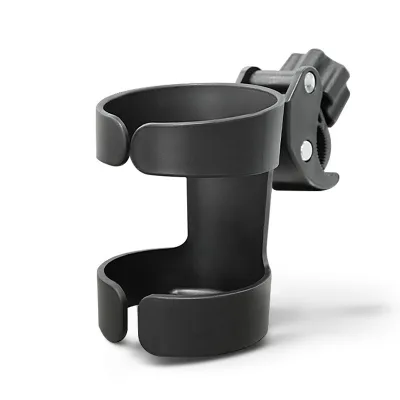
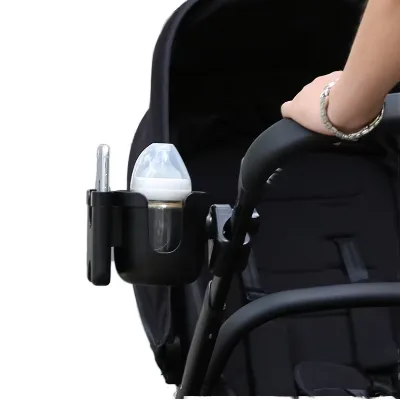
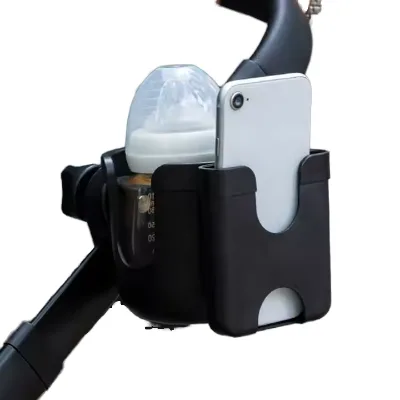
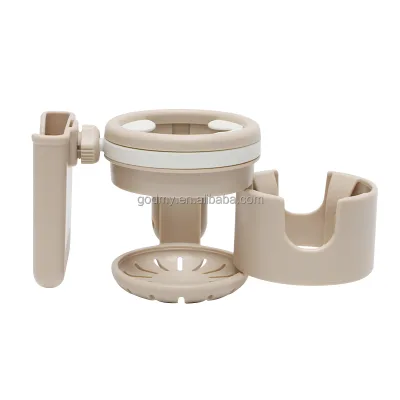
Stroller Cup Holder with Phone Holder, Bike Cup Holder, Cup Holder for Stroller
$1.95 - $2.85
MOQ: 1000 Pieces

Wheelchair Accessories and Stroller Accessories Cup Holder for Stroller
$1.70 - $2.25
MOQ: 1000 Pieces


Baby Trolley Storage Bag Stroller Cup Carriage Organizer with Cup Holder
$4.40 - $5.50
MOQ: 1999 Pieces

Stroller Hanging Bag Cup Holder Stroller Children Expand Mommy Universal Storage Bag
$16.68 - $22.25
MOQ: 100 Pieces



Comprehensive Sourcing Guide
Strategic Sourcing Guide for Baby Stroller Cup Holders
The global market for baby stroller accessories has expanded significantly, driven by the increasing demand for multifunctional parenting gear. Among these accessories, the Baby Stroller Cup Holder has emerged as a critical component for modern caregivers. Sourcing these items requires a nuanced understanding of material science, manufacturing capabilities, and supply chain logistics. This guide provides a structured approach for procurement professionals to navigate the selection, evaluation, and acquisition of high-quality stroller cup holders and related organizers.
Technical Specifications and Material Composition
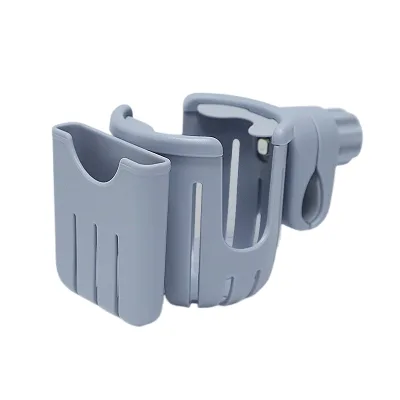
When evaluating potential suppliers, the first step is a rigorous analysis of technical specifications. The core functionality of a stroller cup holder relies heavily on the materials used for its construction. Based on available product data, the frame material for many units is specified as plastic, with specific references to ABS (Acrylonitrile Butadiene Styrene) as a standard material. ABS is favored in this sector for its balance of impact resistance, rigidity, and ease of molding, which is essential for parts that must withstand daily wear and tear.
However, the market also presents variations where the material composition shifts to include textiles. For instance, some stroller organizers utilize polyester or canvas for the bag components, offering a softer aesthetic and potentially better insulation properties compared to hard plastics. The handle material is another critical specification, with options ranging from canvas to customized dimensions. Buyers must verify if the specific model they are sourcing uses a rigid plastic frame or a fabric-based structure, as this dictates the mounting mechanism and the types of containers the accessory can securely hold.
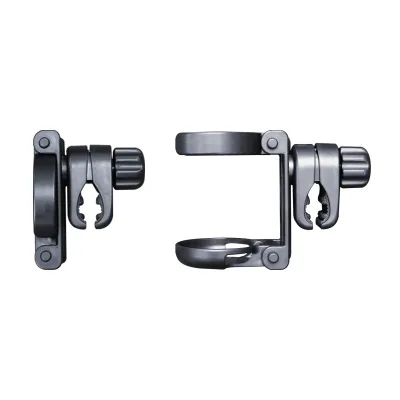
Dimensions are equally vital. Product data indicates a wide range of size specifications, from compact units measuring approximately 11x8.5x8.5cm to larger organizers with bag sizes that can be customized. Some models feature specific handle dimensions, such as 3x50cm, while others offer fully customizable sizing to fit various stroller frames. The "Folded" attribute is a key differentiator; some units are designed to remain unfolded for permanent attachment, while others may offer collapsibility for storage. Procurement teams should request detailed dimensional drawings to ensure compatibility with the specific stroller models their clients utilize, as the "Middle" size category may not suit all frame geometries.
Compliance, Certification, and Safety Standards
Safety is the paramount concern when sourcing products intended for infants and young children. The target age group for these accessories is typically defined as 6 months to 3 years, which necessitates strict adherence to safety protocols. While specific certification statuses for every listed product cannot be universally asserted without direct verification, buyers must prioritize suppliers who can demonstrate compliance with relevant international standards.
In the context of plastic components, the material standard often cited is ABS, which implies a baseline of chemical stability. However, for products entering markets like the European Union or North America, verification against specific safety regulations is mandatory. For example, standards such as EN 1888, which relates to the safety of baby carriages and strollers, are critical benchmarks. Although the provided data lists this standard with low confidence, it serves as a necessary verification point for buyers. Sourcing teams must demand current test reports confirming that the plastic does not contain harmful levels of phthalates or heavy metals, and that the design prevents pinch points or choking hazards.
Furthermore, the "Disposable" attribute is explicitly noted as "Non-Disposable" for many units, indicating a durable design intended for long-term use. This durability claim must be backed by stress testing data. Buyers should inquire about the product's ability to withstand repeated loading and unloading cycles without structural failure. If the product includes a "Recyclable" feature, this claim requires verification of the specific recycling codes and the supplier's ability to support end-of-life disposal programs.
Cost Drivers and Pricing Dynamics
Understanding the cost structure of baby stroller cup holders is essential for maintaining healthy profit margins. The observed price range in the market spans from $0.58 to $80, a significant variance that reflects differences in material quality, complexity of design, and order volume. The primary cost drivers include the type of raw materials used, the complexity of the molding or sewing processes, and the extent of customization.
Customization is a major factor influencing price. Products offering "Customized Color," "Customized Design," or "Customized Size" will inherently carry a higher unit cost due to the setup fees for new molds or patterns. The "OEM/ODM" (Original Equipment Manufacturer/Original Design Manufacturer) capability is widely accepted in this sector, allowing brands to tailor products to their specific identity. However, this flexibility comes with a cost premium.
Order volume plays a decisive role in the final unit price. The Minimum Order Quantity (MOQ) ranges from as low as 1 unit to as high as 1999 units, with a specific high-confidence data point indicating an MOQ of 500 for certain models. Suppliers often offer tiered pricing structures where the unit cost decreases significantly as the order quantity increases. Buyers must balance the need for inventory against the cash flow implications of high MOQs. Additionally, the "Packing" method affects costs; options range from "Color Box" and "Carton" to "Bulk Package" or "Custom Packing." Custom packaging solutions, while beneficial for branding, add to the overall logistics and material costs.
Typical Applications and Usage Scenarios
The versatility of baby stroller cup holders extends beyond simple beverage containment. The "Usage" attribute highlights applications in "Stroller Organizer" and "Camping & Traveling" contexts. This dual-purpose nature suggests that these products are designed to handle the rigors of outdoor activities as well as urban daily commutes.
For the "Outdoor" and "All Seasons" user segments, the product must be robust enough to withstand varying weather conditions. The "Waterproof" attribute is a critical feature for buyers targeting families who engage in outdoor activities. A waterproof cup holder ensures that contents remain dry and the accessory itself does not degrade due to moisture exposure. The "Fashion Element" of "Candy Color" and "Solid" pattern types indicates a strong aesthetic component, appealing to parents who view these accessories as style statements as well as functional tools.
The "Gender" specifications, ranging from "Baby Boy" to "Female," suggest that marketing and design often target specific demographics, though the functional utility remains universal. The "Style" of the product, such as "Backpack" configurations, expands the application to include hands-free carrying for parents, transforming the cup holder into a multi-functional bag. Buyers should assess whether their target market prioritizes the purely functional organizer aspect or the broader lifestyle accessory angle, as this will influence the product selection strategy.
Supplier Evaluation and Operational Capabilities
Selecting the right supplier requires a deep dive into their operational capabilities and track record. The "Place of Origin" is consistently listed as China, with specific mentions of Fuzhou, a known manufacturing hub for textiles and plastics. While this provides a baseline for sourcing, buyers must verify the specific factory's capacity and quality control systems.
Key operational metrics to evaluate include the "Lead Time" and "Sample Time." The data indicates a lead time of 20-45 days for production, which is a standard window for manufacturing and shipping. However, the "Sample Date" or "Sample Time" varies, with ranges from 3-5 days to 5-7 working days. Efficient sample turnaround is crucial for the prototyping phase, allowing buyers to validate design and quality before committing to large-scale production.
The "Customization" availability is a strong indicator of a supplier's flexibility. Suppliers offering "Logo Printing" via "Cmyk Printing or Pms Printing" and "Customized Design" capabilities are better positioned to meet the branding needs of B2B clients. Buyers should request a portfolio of previous customization projects to assess the quality of the printing and the precision of the design implementation. Additionally, the "Product Packing" options, including "Color Box" and "Carton," should be evaluated for their ability to protect the product during transit and present it attractively to the end consumer.
Quality Control and Long-Term Procurement Strategy
Implementing a robust quality control (QC) protocol is non-negotiable for long-term success. Given the "Non-Disposable" nature of the products, durability is a primary quality metric. Buyers should establish clear acceptance criteria for structural integrity, focusing on the connection points between the frame and the stroller, as well as the seam strength for fabric-based models.
For plastic components, visual inspection for mold lines, flash, or discoloration is essential. For textile components, checks should focus on stitching density, thread strength, and the integrity of the waterproof coating. The "Recyclable" claim, if marketed, requires a supply chain audit to ensure that the materials used can indeed be processed through recycling streams, avoiding greenwashing risks.
Long-term procurement considerations involve building a resilient supply chain. The "Lead Time" of 20-45 days suggests that buyers should maintain a safety stock to mitigate potential delays. Diversifying suppliers across different regions or factories within the same country can reduce the risk of disruption. Furthermore, establishing a clear communication channel for "Customized Color" and "Design" changes ensures that the supply chain can adapt to seasonal trends or brand pivots without significant friction.
| Feature Category | Standard Specification | Customization Options | Quality Verification Point |
|---|---|---|---|
| Material | Plastic (ABS), Polyester, Canvas | Custom Material Blends | Material Safety Certs, Durability Test |
| Dimensions | 11x8.5x8.5cm, 22x6.5cm | Custom Size, Handle Size | Fitment on Target Stroller Models |
| Packing | Color Box, Carton, Bulk | Custom Packing, Logo Printing | Packaging Integrity, Brand Presentation |
| Production | Lead Time 20-45 Days | OEM/ODM Acceptable | Sample Turnaround (3-7 Days) |
| Features | Waterproof, Recyclable | Custom Color, Pattern | Waterproof Test, Recyclability Proof |
By adhering to these guidelines, procurement professionals can navigate the complexities of the Baby Stroller Cup Holder market. The focus must remain on verifying facts, ensuring safety compliance, and building relationships with suppliers who can deliver consistent quality and flexibility. This disciplined approach will secure a supply chain that meets the high expectations of modern parents and retailers alike.
FAQs
What materials are used for baby stroller cup holders?
The frame material is typically plastic, specifically ABS, while bag components often use polyester or canvas. Some models feature canvas handles, and the design ensures durability for long-term use without being disposable.
Can I customize the color and design of the cup holder?
Yes, customization is available for color, design, and size to meet specific branding needs. Suppliers accept OEM and ODM requests, offering options like customized colors, solid patterns, and logo printing via CMYK or PMS methods.
What is the lead time for production orders?
The standard lead time for production ranges from 20 to 45 days. Sample dates are faster, typically taking 3 to 5 days or 5 to 7 working days depending on the specific model and customization requirements.
Which minimum order quantities apply to these products?
The minimum order quantity ranges from 1 to 1999 units, with specific models requiring an MOQ of 500. Buyers should verify the exact MOQ for their chosen model before placing an order to ensure alignment with supplier capacity.
Are these cup holders suitable for outdoor and all-season use?
Yes, many models are designed for outdoor use and all seasons, featuring waterproof capabilities. They serve as stroller organizers and are suitable for camping and traveling, ensuring contents remain dry and protected in various weather conditions.
Where are these baby stroller cup holders manufactured?
The products originate from China, with specific manufacturing locations noted in Fuzhou. This region is a known hub for producing plastic and textile-based baby accessories, ensuring a steady supply chain for international buyers.