Source Baby Summer Wear Cotton Fabric for Rompers, Dresses, and Towels
Find 30 listings for Baby Summer Wear Cotton Fabric, including 100% cotton gauze and polyester blends. Compare woven styles, GOTS-certified organic options, and custom print designs suitable for rompers, dresses, and home textiles.
Key considerations
Products List
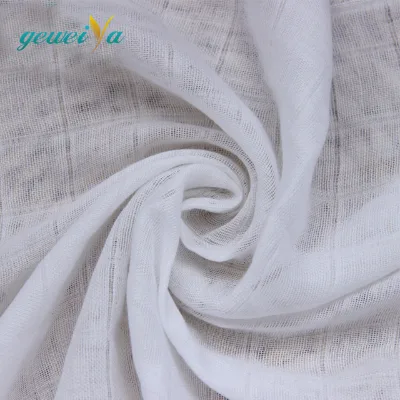


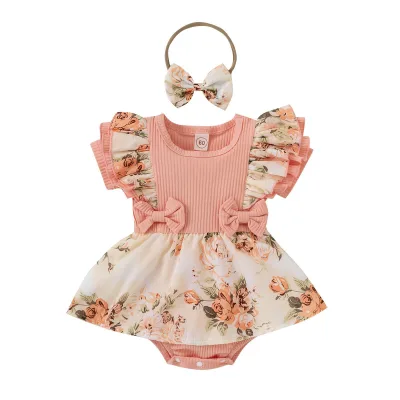
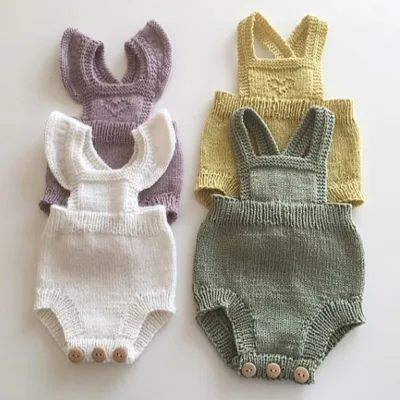
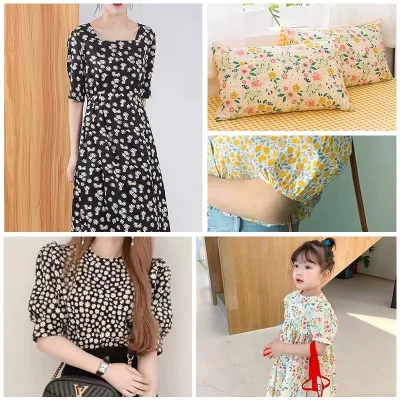
Infant and Young Children's Suit Summer Cotton Yarn Printing Baby Clothes
$7.00 - $9.00
MOQ: 200 Pieces


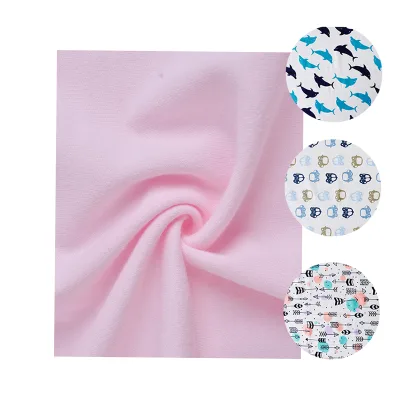




Solid Dyed Ground Printed Soft Comfortable 100% Cotton Flannel Fabric for Baby
$0.65 - $1.53
MOQ: 3000 Meters

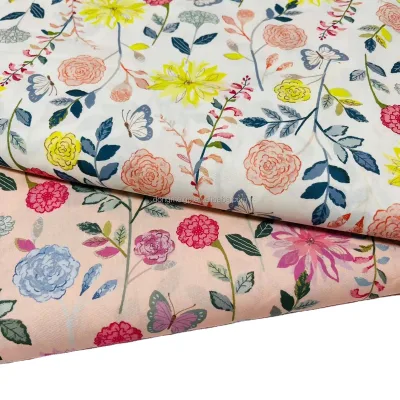
Hot Selling 100% Cotton Double-Layered Printed Fabric for Baby′ S Clothes
$1.09 - $2.02
MOQ: 3000 Meters



Comprehensive Sourcing Guide
Baby Summer Wear Cotton Fabric Sourcing Guide
Sourcing high-quality cotton fabric for baby summer wear requires a precise understanding of material properties that ensure safety, breathability, and comfort for sensitive skin. The market offers a range of woven gauze fabrics, typically constructed from 100% combed cotton with a yarn count of 32s, which provides the necessary softness and durability for infant apparel. Buyers must prioritize suppliers who explicitly state their supply type as Make-To-Order or OEM, as this indicates a capacity for customization in design, color, and pattern to meet specific brand requirements for summer collections.
When evaluating potential vendors, it is essential to distinguish between generic textile listings and those specifically tailored for baby and kids' applications. The observed product data highlights a clear focus on lightweight, breathable materials with features such as anti-static and shrink-resistant properties, which are critical for maintaining garment integrity during frequent washing. Procurement teams should verify that the supplier's production capabilities align with the seasonal demand for summer wear, ensuring they can deliver consistent quality for items like rompers, bodysuits, and baby blankets without compromising on the organic nature of the cotton used.
Product Scope and Observed Listing Signals
The product scope for Baby Summer Wear Cotton Fabric encompasses a variety of applications including curtains, dresses, shirts, and specifically baby clothing such as rompers and bodysuits. Listings often indicate a "Plain" or customizable print style, allowing brands to select from white, colorful, or custom-designed patterns that suit their summer aesthetic. The fabric is generally categorized as gauze, a specific weave structure that enhances airflow and reduces weight, making it ideal for the summer season when temperature regulation is a primary concern for infant comfort.
Buyers should observe that supply signals often include a mix of in-stock items and made-to-order capabilities, with minimum order quantities (MOQ) varying significantly from 100 meters for fabric rolls to 200 pieces for finished garments like rompers. The packaging details typically involve rolls wrapped in clean plastic bags for fabric or individual polybags for finished items, ensuring protection during transit. It is crucial to note that while some listings mention a "Vintage" style or specific features like anti-UV protection, these attributes should be treated as observations of specific listings rather than universal guarantees for all available stock.
Technical Specifications to Verify
Technical verification begins with confirming the fabric density and weight, as these factors directly influence the drape and breathability of the final garment. The observed data points to a density of 73*62 and a weight of 85gsm, which characterizes the material as lightweight and suitable for summer wear. Buyers must ensure that the width of the fabric, typically 55/56 inches, aligns with their pattern cutting requirements to minimize waste and optimize production efficiency. Additionally, the yarn type should be verified as combed cotton, which removes short fibers to create a smoother, stronger, and less lint-prone fabric essential for baby skin.
Beyond the basic weave and weight, the thickness and single package dimensions are critical for logistics planning and storage. The fabric is described as lightweight with a single package size of 40x40x3 cm, which helps in estimating shipping costs and warehouse space requirements. Buyers should also verify the supply ability, which is often cited as 100,000 meters per month for own-factory suppliers, to ensure the vendor can scale production during peak summer seasons. Confirming the port of dispatch, usually Shanghai or Ningbo, is necessary for calculating accurate freight timelines and managing inventory flow.
Compliance and Safety Documentation
Safety documentation is paramount when sourcing materials for baby wear, and buyers must request proof of certifications that validate the fabric's safety for direct skin contact. The observed listings frequently mention GOTS (Global Organic Textile Standard) and OEKO-TEX STANDARD 100, which are trusted indicators that the cotton has been processed without harmful substances. However, buyers should treat these mentions as claims that require independent verification through valid certificates for the specific production batch, rather than assuming every listed product automatically satisfies these rigorous standards.
In addition to material safety, the production process must adhere to strict quality standards to prevent contamination or chemical residues. Buyers should verify that the supplier accepts OEM or ODM services with clear labeling protocols, ensuring that the final product carries the correct brand identity and safety warnings. The "Customize" standard for product specifications suggests flexibility in meeting regional safety regulations, but procurement teams must explicitly confirm that the customization process does not compromise the organic or anti-static features required for summer baby wear.
Cost Drivers and Commercial Terms
Cost drivers in this category are heavily influenced by the material composition, specifically the use of 100% combed cotton versus blends, and the complexity of the customization requested. While some listings indicate a price range of $0.32 to $29.9, this wide variance reflects differences between raw fabric rolls and finished garments like rompers, as well as the impact of custom printing and packaging requirements. Buyers should analyze the cost per unit against the observed MOQ of 100 meters for fabric or 200 pieces for garments to determine the most economical order size for their specific needs.
Commercial terms regarding lead times and payment structures are equally critical for managing cash flow and production schedules. The data indicates a 7-day sample order lead time is supported, which is a positive signal for rapid prototyping, but bulk production lead times must be negotiated based on the supplier's monthly supply ability of 100,000 meters. Buyers should clarify the packaging details, such as the use of paper boxes or polybags, as these add to the overall cost and must be factored into the final landed cost calculation.
Supplier Qualification and Quality Control
Supplier qualification requires a thorough assessment of their manufacturing capabilities, particularly their ability to maintain consistent quality in woven gauze fabrics. Buyers should prioritize suppliers who operate their own factories, as this often correlates with better control over the production process and faster response times to quality issues. The presence of specific attributes like "Anti-static" and "Shrink-Resistant" features suggests a level of technical expertise, but these claims must be validated through pre-shipment samples and third-party testing reports.
Quality control protocols should be established early in the sourcing relationship to ensure that the final product meets the defined specifications for weight, density, and color. Buyers must verify that the supplier can handle the "Make-To-Order" nature of the business, ensuring that custom designs and colors are executed accurately without deviation. It is also essential to confirm the type of transportation accepted, such as express, air, or sea, to ensure that the logistics chain supports the delicate nature of the fabric and the timely delivery required for summer collections.
Long-Term Procurement Checks
Long-term procurement success depends on establishing a reliable supply chain that can adapt to changing market demands and seasonal fluctuations. Buyers should regularly review the supplier's ability to maintain the 100% cotton composition and combed yarn quality over multiple production cycles, as consistency is key to maintaining brand reputation. The "Customize" option for product standards offers flexibility, but it requires a robust communication channel to ensure that any changes in design or material specifications are clearly documented and executed.
Finally, ongoing performance checks should include monitoring the supplier's adherence to safety certifications and their responsiveness to sample lead times. As the market for baby summer wear evolves, buyers must ensure that their suppliers remain compliant with international standards and can scale production to meet increased demand without sacrificing quality. Regular audits and feedback loops will help maintain a partnership that delivers high-quality, safe, and comfortable cotton fabrics for the next generation of baby apparel.
FAQs
What certifications does the Baby Summer Wear Cotton Fabric have?
The fabric holds GOTS and OEKO-TEX STANDARD 100 certifications for safety. These standards ensure the 100% cotton material is free from harmful substances, making it suitable for baby clothing and sensitive skin applications.
Can I customize the design and color of this cotton gauze fabric?
Yes, customization is available for both print designs and colors. The product supports Make-To-Order services, allowing buyers to specify unique patterns or colors while maintaining the lightweight 85gsm quality.
What is the minimum order quantity for this woven cotton fabric?
The minimum order quantity is 100 meters for the fabric rolls. Some specific items like rompers may require 200 pieces, but the base fabric supply starts at the 100-meter threshold.
How long does it take to receive a sample order?
A sample order lead time is supported within 7 days. This quick turnaround allows buyers to verify the 32s combed yarn quality and lightweight characteristics before committing to larger production runs.
Which features make this fabric suitable for summer baby wear?
The fabric is breathable, anti-static, and shrink-resistant, ideal for summer conditions. Its lightweight 85gsm density and 100% cotton composition ensure comfort and temperature regulation for infants and toddlers.
What is the supply capacity for monthly orders of this fabric?
The supplier can provide up to 100,000 meters per month from their own factory. This high capacity ensures consistent availability for large-scale apparel production needs without significant delays.
How is the fabric packaged for international shipping?
Each roll contains about 100 meters of cotton fabric wrapped in a clean plastic bag. This packaging protects the material during transit from Shanghai or Ningbo ports to the destination.