Source Baby Romper for Newborns, Infants, and Toddlers
Explore 30 Baby Romper options featuring cotton and polyester materials with long or short sleeves. Buyers can compare customization, sizes, and packing details from suppliers in China to find suitable garments for daily wear.
Key considerations
Products List


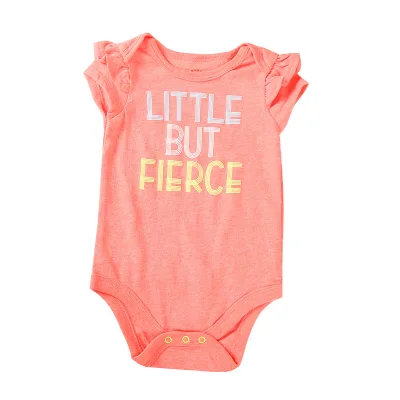


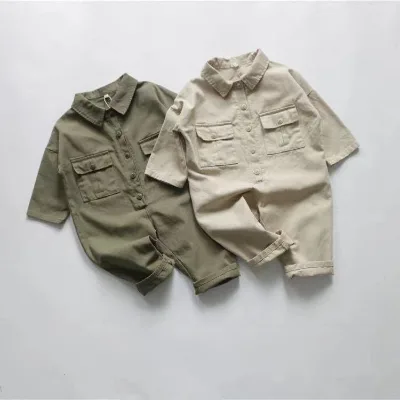
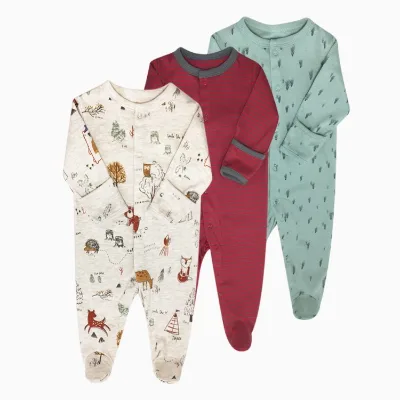


Comprehensive Sourcing Guide
Baby Romper Sourcing Guide
Sourcing baby rompers requires a careful balance of material safety, functional design, and commercial viability. These one-piece garments serve as essential wardrobe staples for infants, offering ease of dressing and diaper changes while providing comfort during daily activities. The market presents a wide variety of options, ranging from simple cotton interlock styles to more complex knitted designs with various sleeve lengths and neck shapes. Buyers must navigate this diversity by focusing on verified product attributes and supplier transparency rather than relying on generic marketing claims.
The procurement process is influenced by several key variables, including fabric composition, customization capabilities, and packaging standards. Observed listings indicate a broad price range and flexible minimum order quantities, suggesting that buyers can tailor their orders to fit specific budget constraints and inventory needs. However, the presence of conflicting material specifications in some listings highlights the importance of rigorous verification. Understanding these nuances allows procurement teams to mitigate risks and secure high-quality products that meet both regulatory standards and end-user expectations.
Product Scope and Observed Listing Signals
The current market landscape for baby rompers includes a diverse array of styles, materials, and design features. Listings indicate the availability of rompers made from 100% cotton, 100% polyester, and cotton interlock fabrics with specific GSM weights. Design variations include long-sleeve and short-sleeve options, with neck shapes ranging from round necks to envelope necks for easier dressing. Color options span from solid pink to colorful prints, with many suppliers offering customization for colors and prints to align with brand identities.
Production names and models vary significantly across suppliers, with identifiers such as AM017, CS001, and HY2616 appearing in various contexts. Some listings specify production origins in China, particularly Hebei province, while others provide more general geographic attributions. Packaging methods also differ, with some suppliers using individual OPP bags within cartons, while others opt for seaworthy cartons or polybag-inner/carton-outer combinations. These variations underscore the need for buyers to specify their exact requirements during the inquiry phase to avoid misunderstandings.
Technical Specifications to Verify
Material composition is a critical technical specification that directly impacts the comfort and durability of the Baby Romper. Buyers should verify whether the fabric is 100% cotton, 100% polyester, or a blend, as each material offers different benefits in terms of breathability, softness, and care requirements. For instance, cotton interlock fabric is often preferred for its softness and skin-friendly properties, while polyester may offer different durability characteristics. It is essential to confirm the exact material composition with the supplier, as some listings may contain conflicting information regarding fabric content.
Design features such as sleeve style, button presence, and neck shape also play a significant role in the functionality of the romper. Long-sleeve rompers are suitable for cooler weather, while short-sleeve options are ideal for summer months. The presence or absence of buttons affects the ease of dressing and diaper changes, with envelope necks often providing a more convenient option for newborns. Buyers should request detailed technical drawings or samples to verify these design elements, ensuring that the final product meets their specific functional requirements.
Compliance and Safety Documentation
Safety compliance is paramount when sourcing baby clothing, as infants are a vulnerable demographic with sensitive skin. Buyers must ensure that all rompers meet relevant safety standards, which may include restrictions on harmful substances, flammability, and small parts that could pose a choking hazard. While some listings mention Oeko-Tex certification, buyers should verify the current status and scope of such certifications, as they are not universally applied across all products or suppliers. It is crucial to request valid test reports from accredited laboratories to confirm that the products comply with international safety regulations.
Documentation should also include clear labeling information, including fiber content, care instructions, and manufacturer details. Custom labels and logos are often available, but buyers must ensure that these additions do not compromise the safety or integrity of the garment. For example, printed designs should use non-toxic inks, and any attached labels should be soft and non-irritating to prevent skin discomfort. Buyers should work closely with suppliers to establish clear labeling requirements and verify that all documentation is accurate and up-to-date.
Cost Drivers and Commercial Terms
The cost of baby rompers is influenced by several factors, including material costs, production complexity, and customization requirements. Listings indicate a wide price range, reflecting the diversity of materials and designs available. Buyers should consider the trade-offs between cost and quality, as lower-priced items may use inferior materials or have less rigorous quality control processes. Customization options, such as specific colors, prints, and labels, can also impact the final price, so it is important to clarify these requirements early in the sourcing process.
Minimum order quantities (MOQs) and payment terms are other key commercial considerations. While some listings suggest low MOQs, others may require higher volumes to achieve competitive pricing. Buyers should negotiate terms that align with their inventory management strategies and cash flow needs. Additionally, packaging costs and shipping methods can affect the total landed cost, so it is advisable to request detailed quotes that include all relevant expenses. Clear communication regarding commercial terms helps to avoid unexpected costs and ensures a smooth procurement process.
Supplier Qualification and Quality Control
Supplier qualification is a critical step in ensuring the reliability and consistency of Baby Romper supplies. Buyers should conduct thorough due diligence on potential suppliers, including verifying their business licenses, production capabilities, and quality management systems. Visiting the factory or engaging third-party inspection services can provide valuable insights into the supplier’s operations and adherence to quality standards. It is also important to assess the supplier’s ability to meet customization requests and handle any issues that may arise during production.
Quality control measures should be implemented throughout the production process to ensure that the final products meet the specified requirements. This includes pre-production sample approvals, in-process inspections, and final random inspections before shipment. Buyers should establish clear quality criteria and communicate them effectively to the supplier. Regular communication and feedback loops can help to identify and resolve any issues promptly, ensuring that the delivered products are of high quality and meet the buyer’s expectations.
Long-Term Procurement Checks
Building a long-term relationship with reliable suppliers is essential for consistent access to high-quality baby rompers. Buyers should focus on suppliers who demonstrate a commitment to continuous improvement, innovation, and customer satisfaction. Regular performance reviews can help to identify areas for improvement and ensure that the supplier continues to meet the buyer’s evolving needs. Establishing clear communication channels and fostering a collaborative partnership can lead to better outcomes and mutual benefits.
Market trends and consumer preferences in the baby clothing sector are constantly evolving, so buyers must stay informed about changes in design, material, and safety standards. Regularly reviewing product offerings and engaging with suppliers to discuss new developments can help buyers to remain competitive and responsive to market demands. Additionally, monitoring supplier performance and market dynamics can provide valuable insights for strategic decision-making and risk management in the long term.
FAQs
What materials are used for baby rompers?
The products are made from 100% cotton or 100% polyester. Some specific items feature 100% cotton interlock fabric with a weight of 175GSM to ensure softness and breathability for daily baby wear.
Can I customize the logo and design?
Yes, customization is available for labels, logos, colors, and prints. Buyers can choose from solid colors, all-over printing, or offset prints, and the product offers customized color and print options.
What sizes are available for newborns?
Sizes range from newborn up to 24 months, including specific intervals like 0-3 months, 3-6 months, and 6-9 months. The product line covers age groups from newborn to 18 months with various size options.
What is the minimum order quantity required?
The standard minimum order quantity is 100 pieces per order. While some listings show a range from 1 to 2000, the confirmed high-confidence fact states a specific MOQ of 100 PCS for these items.
How are the baby rompers packaged for shipping?
Items are packed individually in OPP bags, with 200 pieces per carton. Alternatively, some products use inner polybags and outer cartons, ensuring seaworthy packaging for international transport.
Where are these baby rompers manufactured?
The products originate from China, with specific production locations noted in Hebei. This regional origin is consistent across the listed product facts for the Baby Romper category.
Are the rompers suitable for summer wear?
Yes, the products are designed for summer use and feature soft, breathable materials. The knitted or interlock fabric construction ensures skin-friendly comfort for babies during warmer seasons.