Source Baby Teether Necklace Rattle Toy for Feeding, Play, and Development
Explore 30 verified options for the Baby Teether Necklace Rattle Toy designed for soothing gums, sensory play, and motor skill development. Buyers can compare models like DN00247 and 10343393, review certifications such as EN71 and CE, and evaluate customization services from Guangzhou suppliers.
Key considerations
Products List


Wholesale Toys Baby Rattle and Teether Toys for Infants 0-6months Baby Toys
$0.59 - $1.13
MOQ: 1200 Pieces
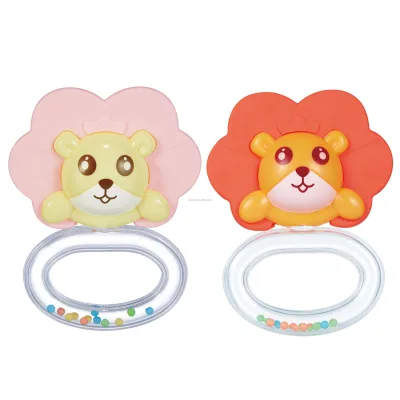


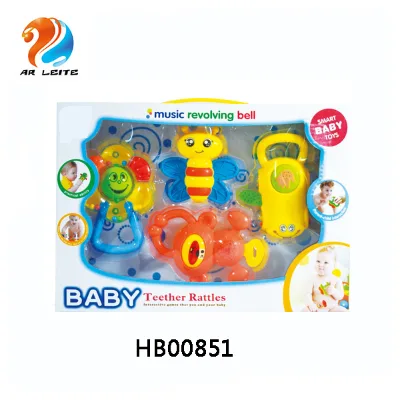

Infant Teethers Soothing Toys Baby Chew Rattle Toys with Music and Lights
$1.19 - $1.22
MOQ: 1200 Pieces


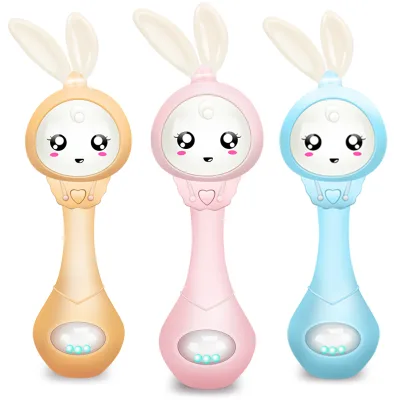
Newborn Infant Hand Bell Ring Sound Shaker Baby Rattles Cartoon Rattle Toys
$0.43 - $0.45
MOQ: 1080 Pieces


Comprehensive Sourcing Guide
Baby Teether Necklace Rattle Toy Sourcing Guide
Sourcing baby teether necklace rattle toys requires a careful balance of aesthetic appeal, functional design, and rigorous safety compliance. These products serve dual purposes, offering soothing relief for infants while providing engaging sensory stimulation for toddlers. Buyers must navigate a market where visual customization is heavily emphasized, as evidenced by the availability of various color palettes and styles. The core challenge lies in ensuring that the decorative elements do not compromise the structural integrity or safety of the toy during active use.
Procurement teams should focus on materials that are both durable and non-toxic, as these items are frequently placed in an infant’s mouth. The observed product range includes variations made from polypropylene and silicone blends, each offering distinct tactile experiences. Understanding the specific material composition is critical for determining the appropriate cleaning protocols and lifespan of the product. Buyers must also consider the target age group, ensuring the design is suitable for children over three months old while remaining safe for younger infants who explore objects orally.
Product Scope and Observed Listing Signals
The current market landscape for baby teether necklace rattle toys reveals a diverse array of models, each catering to specific aesthetic and functional preferences. Observed listings indicate a wide price range, reflecting differences in material quality, packaging complexity, and customization options. Buyers should note that the minimum order quantities vary significantly, allowing for both small-scale testing and large-volume production runs. This flexibility is crucial for brands looking to introduce new designs without committing to excessive inventory risks.
Visual and structural diversity is a key selling point, with products featuring animal shapes, bell puppets, and crab designs. The inclusion of rattles and bells adds an auditory element that enhances sensory development, making these toys appealing for early childhood engagement. Packaging also varies, with options ranging from individual PVC bags to standard export cartons, impacting logistics and retail presentation. Buyers must evaluate these signals to align product selection with their target market’s preferences and distribution channels.
Technical Specifications to Verify
Verifying technical specifications is essential to ensure the product meets functional expectations and safety standards. Key attributes to confirm include the material composition, such as polypropylene or silicone with plastic components, which directly influence durability and chew resistance. The presence of internal rattles or bells must be securely enclosed to prevent choking hazards, a critical design consideration for infant products. Buyers should request detailed technical drawings to assess the structural integrity of the teether and necklace components.
Dimensions and packaging sizes are also vital for logistics planning and retail shelf optimization. Observed packing sizes suggest that compact designs are preferred for ease of handling and storage. Additionally, the availability of OEM services allows for custom branding and design modifications, which can enhance product differentiation. Buyers must verify that the customization options do not introduce new safety risks or complicate the manufacturing process. Clear communication of these specifications with suppliers ensures that the final product aligns with the brand’s quality expectations.
Compliance and Safety Documentation
Compliance with international safety standards is non-negotiable for baby teether necklace rattle toys. Certifications such as EN71 and N7P are commonly referenced, indicating adherence to specific safety and chemical requirements. Buyers must request valid test reports from accredited laboratories to verify that the products meet these standards. The presence of CE certification further suggests compliance with European market regulations, which is crucial for exporters targeting global markets.
Documentation should also cover material safety, ensuring that all components are free from harmful substances like phthalates or heavy metals. Buyers should verify that the supplier has a robust quality management system in place to maintain consistent compliance across production batches. Regular audits and third-party inspections can provide additional assurance of product safety. Understanding the specific certification requirements for each target market is essential to avoid regulatory hurdles and ensure smooth customs clearance.
Cost Drivers and Commercial Terms
Several factors influence the cost structure of baby teether necklace rattle toys, including material selection, customization complexity, and order volume. Higher-quality materials like medical-grade silicone typically command a premium price compared to standard polypropylene. Customization options, such as unique colors or packaging designs, can also increase production costs due to setup fees and material waste. Buyers should negotiate clear pricing tiers based on order quantities to optimize cost efficiency.
Commercial terms, including payment methods, shipping arrangements, and lead times, play a significant role in the overall procurement strategy. Observed production times vary depending on order quantity, requiring careful planning to meet market demand. Shipping options by sea, air, or express courier offer flexibility but come with different cost and time implications. Buyers should establish clear agreements on sample availability and approval processes to avoid delays and ensure product quality before full-scale production begins.
Supplier Qualification and Quality Control
Selecting a reliable supplier is critical for maintaining product quality and consistency. Buyers should assess suppliers based on their manufacturing capabilities, quality control processes, and track record in the baby product industry. Factories with experience in producing teether and rattle toys are more likely to understand the specific safety and durability requirements of these products. Requesting references and conducting site visits can provide valuable insights into the supplier’s operational standards.
Quality control measures should include pre-production samples, in-process inspections, and final random inspections. Buyers must ensure that the supplier has a clear protocol for addressing defects and non-conformities. Regular communication and collaboration with the supplier can help identify and resolve potential issues early in the production cycle. Establishing a strong partnership based on transparency and mutual trust is essential for long-term success in the competitive baby product market.
Long-Term Procurement Checks
Long-term procurement success requires ongoing monitoring and evaluation of supplier performance and product quality. Buyers should establish key performance indicators to track metrics such as on-time delivery, defect rates, and customer feedback. Regular reviews of these metrics can help identify areas for improvement and ensure that the supplier continues to meet expectations. Maintaining open lines of communication with the supplier facilitates continuous improvement and adaptation to changing market demands.
Additionally, buyers should stay informed about evolving safety regulations and industry trends to ensure their products remain compliant and competitive. Periodic re-evaluation of the supplier’s certification status and quality management systems is essential to maintain high standards. Investing in relationship building and collaborative innovation can lead to new product opportunities and enhanced market positioning. By prioritizing long-term checks, buyers can secure a reliable supply chain and sustain growth in the Baby Teether Necklace Rattle Toy segment.
FAQs
What certifications do these baby teether necklace rattle toys have?
These toys hold En71 and N7p certifications to ensure safety for infants. Some listings also reference CE standards for broader compliance. All products undergo strict quality checks before shipping to meet international safety requirements for baby toys.
Can I order samples of the plastic rattle toy before bulk purchase?
Yes, samples of the plastic rattle toy are available for evaluation. The sample time typically ranges from 3 to 7 days. This allows buyers to verify quality and design before committing to larger orders with custom specifications.
Which customization options are available for the baby rattle toy models?
OEM customization is available for the baby rattle toy models to meet specific brand needs. Buyers can request different styles and colors like pearl yellow or glacier powder. Production time depends on the final order quantity and design complexity.
How long does production take for a custom order of these toys?
Production time depends on the order quantity and specific customization requirements. Standard orders may be processed quickly, while complex OEM requests take longer. Buyers should confirm lead times based on their specific volume and design needs before placing orders.
What materials are used to make the baby teether and rattle toys?
The toys are primarily made from PP plastic or silicone with plastic components. These materials are chosen for durability and safety during teething. Some models feature animal shapes or bells inside to enhance sensory experiences for infants aged over three months.
Which shipping methods are available for delivering these toys to buyers?
Shipping is available by sea, air, or express courier services to accommodate different urgency levels. Ports of departure include Shantou and Shenzhen in Guangdong. Buyers can select the method that best fits their budget and delivery timeline requirements.
What is the minimum order quantity for these baby rattle toys?
The minimum order quantity ranges from 1 to 3600 units depending on the specific product model. Small orders allow for sampling, while larger volumes may offer better pricing. Buyers should check the specific MOQ for their chosen model before finalizing the purchase.