Source Backhoe Loader Lip Seal Ring for Excavators, Loaders, Bulldozers
Find 30 verified listings for the Backhoe Loader Lip Seal Ring from Chinese manufacturers. Buyers can compare specifications, materials, and prices for hydraulic seals used in excavators, wheel loaders, and bulldozers.
Key considerations
Products List
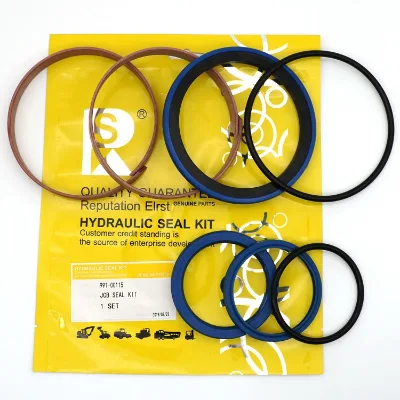
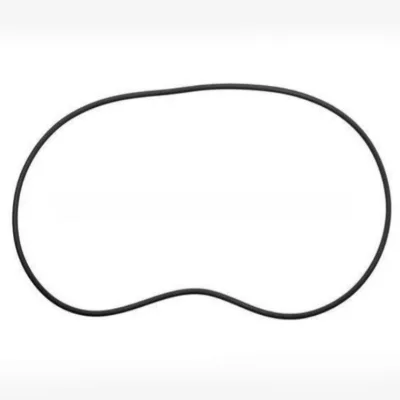


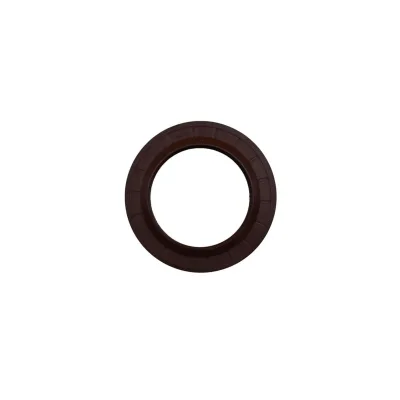
Lieb-Herr Rotary Shaft Lip Seal 10014510 for Liebherr Excavator Wheel Loader Engine
$100.00 - $500.00
MOQ: 1 Pieces


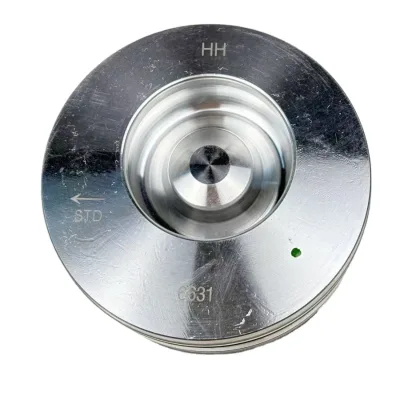
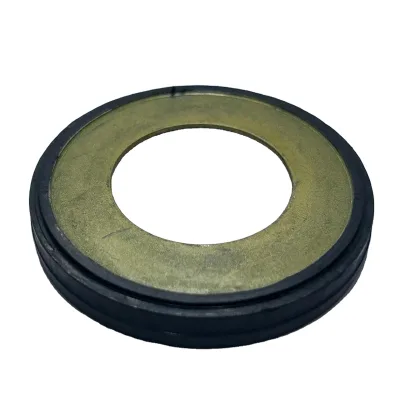


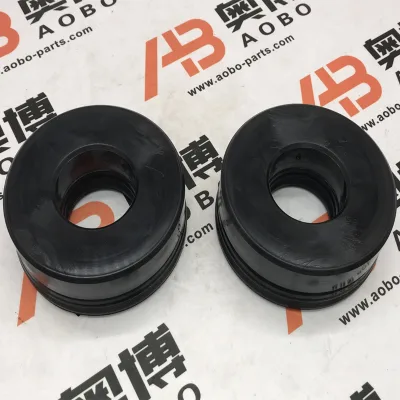
Comprehensive Sourcing Guide
Strategic Sourcing Guide for Backhoe Loader Lip Seal Rings
Understanding Component Specifications and Material Integrity
When sourcing lip seal rings for backhoe loaders, the primary objective is to identify components that maintain hydraulic integrity under high-pressure and high-vibration conditions. The market offers a diverse range of products, but the specific application requires a rigorous understanding of material composition and dimensional precision. Based on available industry data, lip seals for heavy machinery are frequently constructed from specialized materials such as rubber or Polyurethane (PU). These materials are selected for their resilience against abrasion and their ability to maintain a tight seal against rotating or reciprocating shafts.
The physical dimensions of the seal are critical. While some suppliers offer standard sizes, the complexity of backhoe loader hydraulic systems often necessitates custom sizing. Buyers must verify that the product specifications align with the exact internal diameter, external diameter, and cross-section of the housing. In the context of backhoe loaders, specific model numbers such as 85819719 are often cited for brake piston seals and O-rings. It is essential to distinguish between general hydraulic seals and those specifically designed for brake systems, as the pressure ratings and material hardness requirements differ significantly.
The application environment for these seals is demanding. They are utilized in backhoe loaders, wheel loaders, and bulldozers, where they must withstand exposure to hydraulic fluids, dust, and extreme temperature fluctuations. The "Sealing Performance" feature is a primary attribute to evaluate. A seal that fails to maintain pressure can lead to fluid leakage, reduced system efficiency, and potential safety hazards. Therefore, the material must not only be durable but also compatible with the specific hydraulic fluids used in the equipment. High-alloy steel components often accompany these seals in the broader assembly, requiring the rubber or PU elements to resist chemical degradation from metal particles or contaminants.
Compliance, Certification, and Quality Standards
Navigating the compliance landscape for hydraulic components requires careful verification of certifications and adherence to international standards. In the global supply chain, certifications such as ISO and CE are frequently observed as markers of quality assurance. For instance, specific product listings for mechanical seal parts and brake components often cite ISO certification, indicating that the manufacturing process adheres to established quality management systems. Similarly, CE marking suggests compliance with European health, safety, and environmental protection standards, which is crucial for buyers operating in or exporting to European markets.
However, the presence of a certification label does not automatically guarantee that every unit in a batch meets the required performance criteria. Buyers must treat certifications as a baseline requirement and demand supporting documentation, such as test reports or quality control certificates, for specific batches. The "Quality" attribute is often listed as "High-Quality," but this is a qualitative claim that must be substantiated. Procurement teams should verify if the manufacturer adheres to specific standards for hydraulic seals, such as ISO 6194 for hydraulic fluid power components, even if not explicitly stated in the initial product description.
Furthermore, the origin of the product plays a significant role in compliance. Many suppliers are located in regions like Guangdong and Zhejiang in China, which are hubs for heavy machinery parts manufacturing. While these regions offer competitive pricing and high production capacity, buyers must ensure that the "Made in China" origin does not compromise the adherence to international safety standards. The "Standard" attribute often appears as "Original Or Replacement," which implies that the part is designed to meet or exceed the performance of the original equipment manufacturer (OEM) part. Buyers should confirm that replacement parts are tested against the original specifications to ensure they do not introduce new failure points into the hydraulic system.
Cost Drivers and Pricing Variables
The pricing of lip seal rings for backhoe loaders is influenced by a complex interplay of factors, including material costs, manufacturing complexity, and order volume. The observed market price range for such components can vary significantly, spanning from $0.15 to $500 USD. This wide disparity is not merely a reflection of brand prestige but is driven by the specific application, material grade, and order quantity. Basic rubber O-rings for standard applications may fall at the lower end of this spectrum, while custom-engineered polyurethane seals for high-pressure brake systems or specialized hydraulic cylinders will command higher prices.
Minimum Order Quantity (MOQ) is another critical cost driver. The data indicates an MOQ range of 1 to 1000 units, with a specific observation of 200 pieces for certain product lines. For buyers with low-volume needs, such as independent repair shops, sourcing single items or small batches is possible, though the unit cost will be higher. Conversely, large fleet operators or distributors can leverage economies of scale by ordering in bulk, potentially reducing the per-unit cost. However, buyers must balance the savings from bulk purchasing against the costs of inventory storage and the risk of obsolescence if the equipment model is phased out.
Additional cost factors include packaging and logistics. Products are often packed in export-standard wooden cases or cartons to prevent damage during transit. The "Packing" attribute may vary from neutral packaging to branded export cases, each affecting the final landed cost. Furthermore, the availability of samples is a factor that can influence the initial procurement decision. While samples are often available, they may incur separate shipping costs or require a specific MOQ to be waived. Buyers should also consider the "Condition" of the product; new parts are standard, but the supply chain must guarantee that the items are not refurbished or reconditioned unless explicitly stated.
Typical Applications and Operational Context
Lip seal rings are integral to the hydraulic and braking systems of backhoe loaders, serving as the primary defense against fluid leakage and contamination. The specific application for these seals extends beyond the backhoe loader itself to include wheel loaders and bulldozers. In a backhoe loader, the hydraulic system operates under varying pressures to control the boom, arm, and bucket movements. The lip seals must maintain their integrity during the rapid extension and retraction cycles of the hydraulic cylinders.
The "Application" attribute often lists "Backhoe Loader LB115" as a specific use case, indicating that certain seals are designed for particular models. For instance, the brake piston seal O-ring 85819719 is explicitly designed for the LB115 model, highlighting the importance of model-specific compatibility. Using a generic seal in a specialized application can lead to premature failure, as the pressure ratings and dynamic loads may differ. The "Purpose" of these seals is primarily for repair and replacement, ensuring that the equipment can return to service with restored hydraulic efficiency.
Beyond the hydraulic cylinders, these seals are also critical in the braking systems of the loader. The "Car Make" attribute often notes "Diesel Engine," implying that the seals must function in conjunction with diesel-powered hydraulic pumps. The "Transmission" type, described as "Hydraulic - Mechanical," further underscores the need for seals that can handle the interface between hydraulic actuation and mechanical transmission. In medium-sized loaders with a rated load of less than 1 ton, the seals must be compact yet robust enough to handle the specific load and unload modes, such as front discharge.
Supplier Evaluation and Verification Protocols
Evaluating suppliers for hydraulic components requires a multi-faceted approach that goes beyond simple price comparison. Buyers should prioritize suppliers who provide comprehensive product documentation, including detailed specifications, material data sheets, and certification proofs. The "Brand Name" is a factor, with options ranging from established brands like CSW and SP to OEM-specific labels like Wellco. While branded parts often offer a perception of higher reliability, generic or replacement parts from reputable manufacturers can offer significant cost savings without compromising performance.
The "Place of Origin" is a key verification point. Suppliers based in Guangdong and Zhejiang, China, are common sources for these components. Buyers should verify the manufacturing capabilities of these suppliers, ensuring they have the necessary machinery for precision molding and cutting of rubber and PU materials. The "Manufacturers" attribute often lists "China Suppliers," but this is a broad category. Buyers should request information on the specific factory's quality control processes, including in-process inspections and final testing protocols.
Video outgoing inspection is a valuable tool for supplier evaluation. Some suppliers provide video evidence of the inspection process, allowing buyers to visually verify the condition of the goods before shipment. This feature adds a layer of transparency and trust to the procurement process. Additionally, the "Customization" availability is a critical differentiator. Suppliers who offer custom sizing and material options are better equipped to handle unique repair scenarios where standard parts do not fit. Buyers should assess the supplier's responsiveness to customization requests and their ability to provide technical support for non-standard applications.
Quality Control and Long-Term Procurement Strategy
Ensuring long-term reliability of lip seal rings requires a robust quality control strategy. The "Warranty" period, often observed as 3 months, provides a baseline guarantee of product performance. However, buyers should not rely solely on the warranty period but should implement their own incoming quality control (IQC) procedures. This includes visual inspections for defects, dimensional checks using calipers or micrometers, and material hardness testing to verify the rubber or PU composition.
The "Sample" availability is a crucial step in the quality assurance process. Before committing to a large order, buyers should request samples to test in real-world conditions. This allows for the verification of sealing performance under actual operating pressures and temperatures. The "Quality" attribute, often listed as "High-Quality," must be validated through these practical tests. Buyers should also consider the "Single package size" and "Selling Units" to ensure that the packaging is suitable for storage and handling without damaging the seals.
Long-term procurement considerations involve building a relationship with suppliers who can provide consistent quality and timely delivery. The "Lead time" and "MOQ" should be aligned with the buyer's inventory management strategy. For critical components like lip seals, maintaining a safety stock is essential to prevent equipment downtime. Buyers should also monitor the "Standard" of the parts, ensuring that replacement parts continue to meet the "Original Or Replacement" specifications as equipment ages. Finally, the "Packing" method, whether neutral or export-standard wooden cases, should be evaluated for its ability to protect the seals during storage and transport, ensuring they remain in pristine condition until installation.
Summary of Key Sourcing Parameters
To facilitate a structured comparison of potential sourcing options, the following table summarizes the critical attributes buyers should verify when evaluating lip seal rings for backhoe loaders. This comparison highlights the variability in specifications and the importance of due diligence.
| Attribute | Key Considerations | Verification Requirement |
|---|---|---|
| Material | Rubber, PU, High Alloy Steel | Request Material Data Sheet (MDS) |
| Certification | ISO, CE | Verify valid certificate copies |
| Model Number | 85819719, Custom Sizes | Cross-reference with OEM manuals |
| MOQ | 1 - 1000 PCS | Confirm unit price tiers |
| Origin | Guangdong, Zhejiang, China | Verify factory location and audit |
| Warranty | Typically 3 Months | Review terms and conditions |
| Packaging | Wooden Case, Carton | Inspect for damage resistance |
| Application | Backhoe, Wheel Loader, Bulldozer | Match to specific equipment model |
By adhering to these guidelines and focusing on the technical and compliance aspects outlined above, buyers can effectively navigate the complex market for backhoe loader lip seal rings. The goal is to secure components that ensure operational safety, minimize downtime, and provide long-term value through reliable performance.
FAQs
What materials are used for backhoe loader lip seal rings?
These seals are constructed from rubber or polyurethane to ensure resilience against abrasion and hydraulic fluids. High-alloy steel components often accompany these seals in the broader assembly to maintain system integrity.
Which certifications should I look for in seal manufacturers?
Look for ISO and CE certifications as markers of quality assurance and compliance with safety standards. These certifications indicate that the manufacturing process adheres to established quality management systems for hydraulic components.
How much is the minimum order quantity for these parts?
The minimum order quantity typically ranges from 1 to 1000 units depending on the supplier. Some specific product lines require a minimum of 200 pieces to initiate a purchase order.
Can I find custom sizes for backhoe loader seal rings?
Yes, many suppliers offer custom sizing to match specific internal and external diameters of the housing. This is essential for complex hydraulic systems where standard sizes may not fit the required specifications.
What is the warranty period for these hydraulic seal components?
The standard warranty period observed for these parts is three months. This provides a baseline guarantee of product performance, though buyers should also implement their own incoming quality control procedures.
Where are the manufacturers of these seal rings located?
Manufacturers are primarily located in Guangdong and Zhejiang, China, which are hubs for heavy machinery parts. These regions offer competitive pricing and high production capacity for various hydraulic components.