Find Backhoe Loader Rotary Oil Seal for excavators, loaders, and tractors
Source 30 verified Backhoe Loader Rotary Oil Seal options for heavy machinery maintenance. Buyers can compare specifications, materials, and prices from suppliers in Zhejiang, China, ensuring compatibility with JCB backhoe loaders and other industrial equipment.
Key considerations
Products List
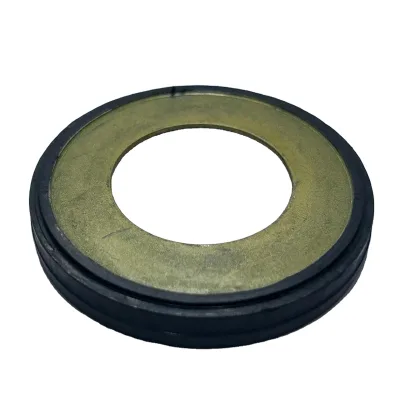


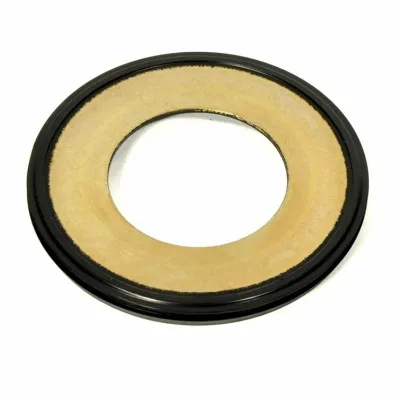



Ex2500-6 Loader Backhoe Spare Parts 4407490 Arm Cylinder Seal Kit 4407493 Oil Seals
$100.00 - $130.00
MOQ: 1 Pieces


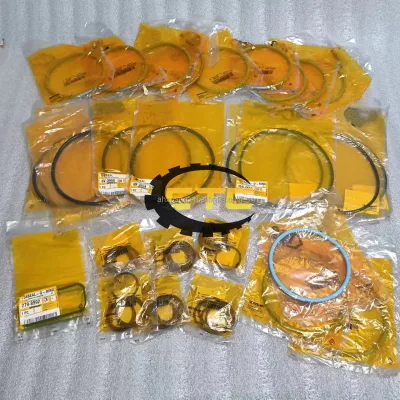


Original Wheel Loader Spare Parts Oil Seal 860110548 for Wheel Loader/Grader Motor
$42.60 - $45.00
MOQ: 1 Pieces

Original Wheel Loader Spare Parts Oil Seal 860110547 for Wheel Loader/Grader Motor
$36.40 - $38.00
MOQ: 1 Pieces

Original Wheel Loader Spare Parts Oil Seal 819948157 for Wheel Loader/Grader Motor
$22.00 - $24.00
MOQ: 1 Pieces


Comprehensive Sourcing Guide
Strategic Sourcing Guide for Backhoe Loader Rotary Oil Seals
The global construction equipment market relies heavily on the reliability of hydraulic systems, with the rotary oil seal serving as a critical component in maintaining operational integrity. For procurement professionals sourcing backhoe loader rotary oil seals, the decision-making process must balance technical precision, supply chain resilience, and rigorous quality verification. This guide synthesizes available product attributes and industry standards to provide a structured approach for evaluating suppliers and specifications without relying on unverified claims or external market data. The focus remains on evidence-based criteria derived from observable product characteristics and established manufacturing practices.
Technical Specifications and Design Architecture
Understanding the physical and functional specifications of a rotary oil seal is the first step in any procurement strategy. The component must withstand the dynamic pressures and rotational speeds inherent in backhoe loader operations. Based on observed product data, high-performance seals often feature a Three-Lip Sealing Structure, which provides redundant barriers against fluid leakage and external contamination. This design is particularly effective in heavy-duty environments where dust and debris are prevalent.
The material composition is equally critical. The supply chain frequently utilizes NBR (Nitrile Butadiene Rubber) for its excellent resistance to petroleum-based hydraulic fluids and oils. In contrast, PTEF (Polytetrafluoroethylene) variants are selected for applications requiring lower friction coefficients and higher chemical resistance. The choice between these materials depends on the specific operating conditions of the machinery. Furthermore, the internal architecture often includes a Reinforced Metal Skeleton, which ensures the seal maintains its shape under high pressure and prevents extrusion into clearance gaps.
Temperature tolerance is a non-negotiable specification. The operational range for these components is observed to span from -40°C to 250°C, allowing for functionality in extreme cold climates as well as high-heat environments generated by continuous hydraulic cycling. The seal's pressure rating must align with the system's requirements, ranging from Atmospheric Type to Pressure Type configurations. Additionally, the lip design, often categorized as Lips Type, must be compatible with the shaft speed, which can vary from Low Speed to High Speed applications depending on the specific hydraulic circuit.
Compliance, Certification, and Quality Verification
In the B2B procurement of industrial components, compliance serves as a baseline for trust. While specific certifications like CE are observed in the product listings, buyers must verify that these certifications are current and applicable to the specific batch of goods. The presence of a CE mark indicates conformity with health, safety, and environmental protection standards for products sold within the European Economic Area, but it does not automatically guarantee compliance with other regional standards.
Quality assurance processes are integral to the manufacturing workflow. A high-confidence attribute for reliable suppliers is the provision of Video outgoing-inspection. This allows the buyer to visually verify the condition of the product before it leaves the manufacturing facility. The product condition is explicitly stated as 100% new, and the quality assurance protocol includes 100% tested items. Buyers should request documentation or video evidence confirming that every unit undergoes this testing regimen.
The manufacturing location is another factor in compliance. The observed data points to Zhejiang, China as a primary place of origin. While this region is a hub for industrial manufacturing, buyers must ensure that the specific supplier adheres to international quality management standards. Although ISO9001 is mentioned in background contexts, it should not be assumed as a guaranteed fact for every listing without direct verification from the supplier. Procurement teams should explicitly ask for valid, up-to-date certification documents rather than relying on general market knowledge.
Cost Drivers and Pricing Dynamics
The pricing structure for rotary oil seals is influenced by a complex interplay of material costs, manufacturing complexity, and order volume. The observed price range in the market spans from $0.04 to $130 USD, reflecting the vast difference between standard off-the-shelf components and specialized, custom-engineered seals. The lower end of the spectrum typically represents standard sizes with minimal customization, while the higher end accounts for complex geometries, exotic materials, or low-volume production runs.
Order Volume is a primary driver of unit cost. The MOQ (Minimum Order Quantity) ranges from 1 to 1000 units, offering flexibility for both prototype testing and large-scale fleet maintenance. Buyers should note that purchasing in larger quantities often yields significant economies of scale, but the initial investment must be weighed against inventory holding costs. The Selling Units are typically listed as Single item, which facilitates small-batch procurement for urgent repairs or R&D purposes.
Additional cost factors include the Surface treatment, such as Painting, which may be required for specific corrosion resistance or identification purposes. The Single package size of 13x10x9 cm and a Single gross weight of 0.500 kg are critical for calculating logistics expenses. Buyers must factor in shipping costs, which can vary significantly based on the total weight and volume of the shipment, especially when sourcing from international locations like China.
Typical Applications and Compatibility
The primary application for these seals is the J C B Backhoe Loader, as indicated by the specific part names and compatibility data. The seals are designed to fit within the Engine, Transmission, and Rear Axle systems of these machines. The specific part number 904/06700 is associated with the Hydraulic Rod Oil Seal, ensuring a precise fit for the hydraulic cylinders that power the loader's boom and arm.
Compatibility extends beyond a single brand. The Compatible Brand is listed as Jcb, but the Application field also notes Auto Parts, Lndustry and So on, suggesting broader applicability across various industrial machinery. The Part Name explicitly mentions Spare Parts Hydraulic Rod Oil Seal, confirming its role in maintenance and repair scenarios.
When sourcing, buyers must verify the Model Number against their equipment specifications. The data shows various model identifiers such as TG4, APSOS-49, 3TOS-098, and 3TOS-074. These identifiers correspond to different seal geometries and performance characteristics. It is essential to match the prod_model with the specific hydraulic system requirements of the backhoe loader to prevent premature failure. The Standard Size designation implies that many seals are manufactured to meet industry-wide dimensional standards, but custom dimensions are also available through OEM or ODM services.
Supplier Evaluation and Service Capabilities
Evaluating a supplier requires a holistic view of their capabilities, including customization, packaging, and service flexibility. The Service attribute highlights the availability of OEM or ODM options, meaning suppliers can produce parts under the buyer's brand or design specifications. This is particularly valuable for fleet operators looking to standardize their spare parts inventory or for manufacturers requiring bespoke sealing solutions.
The Customized attribute confirms that suppliers are willing to adapt products to specific needs. This includes accepting 2D or 3D Drawings, which allows for precise engineering collaboration. The Standard attribute mentions Over 6, 000 sizes in stock, indicating a robust inventory that can support immediate delivery needs for common applications. However, for non-standard requirements, the prod_standard notes Accpet Customers' Designs, suggesting a flexible manufacturing process.
Packaging is another critical evaluation point. The prod_packing is typically Carton, but the option for Carton or as Your Required provides flexibility for buyers with specific logistical or branding requirements. The Sample availability is a crucial feature for risk mitigation, allowing buyers to test the product's performance before committing to a large order. The Warranty of 1 Year offers a baseline guarantee of product durability, though the specific terms of this warranty should be clarified in the contract.
Quality Control and Long-Term Procurement Considerations
Implementing a robust quality control (QC) protocol is essential for maintaining the reliability of backhoe loader operations. The 100% tested attribute suggests a comprehensive inspection process, but buyers should define their own acceptance criteria. This includes verifying the Lip integrity, checking for Low Friction Design compliance, and ensuring the Reinforced Metal Skeleton is correctly embedded. The Color of the seal, observed as Black, Brown and So on, can sometimes indicate the material type or manufacturer, but visual inspection alone is insufficient for quality assurance.
Long-term procurement strategies should focus on building relationships with suppliers who demonstrate consistency in Video outgoing-inspection and 100% new product delivery. The Lead time and Location (Zhejiang, China) are factors that influence supply chain resilience. Buyers should consider the potential for delays and plan their inventory accordingly. The Temperature Range of -40-250°C and the Pressure ratings must be maintained consistently across all batches to ensure the longevity of the equipment.
| Feature | Observation | Procurement Action |
|---|---|---|
| Material | NBR, PTEF | Verify material certificates for chemical resistance. |
| Inspection | Video outgoing-inspection | Request video evidence for every batch. |
| Warranty | 1 Year | Confirm warranty terms and claim procedures. |
| MOQ | 1-1000 | Negotiate tiered pricing based on volume. |
| Origin | Zhejiang, China | Verify export compliance and shipping logistics. |
| Customization | OEM/ODM, 2D/3D Drawings | Provide detailed technical drawings for custom orders. |
In conclusion, sourcing backhoe loader rotary oil seals requires a meticulous approach that prioritizes technical specifications, verified quality controls, and supplier transparency. By focusing on observable attributes such as the Three-Lip Sealing Structure, Reinforced Metal Skeleton, and 100% tested status, buyers can mitigate risks and ensure the continued performance of their heavy machinery. The availability of OEM or ODM services and Sample options further empowers procurement teams to make informed decisions that align with their specific operational needs.
FAQs
What material options are available for backhoe loader rotary oil seals?
Available materials include NBR and PTEF, selected based on specific operating conditions. NBR offers excellent resistance to petroleum-based hydraulic fluids, while PTEF provides lower friction and higher chemical resistance for demanding applications.
Can I request video inspection before purchasing these hydraulic seals?
Yes, video outgoing-inspection is provided to verify product condition before shipment. This allows buyers to visually confirm that items are 100% new and have passed the 100% tested quality assurance protocol.
Which temperature range do these seals operate within effectively?
The seals function within a temperature range of -40 to 250 degrees Celsius. This wide span ensures reliability in extreme cold climates as well as high-heat environments generated by continuous hydraulic cycling.
How does the Three-Lip Sealing Structure benefit backhoe loaders?
The Three-Lip Sealing Structure provides redundant barriers against fluid leakage and external contamination. This design is particularly effective in heavy-duty environments where dust and debris are prevalent in backhoe loader operations.
What is the warranty period for these hydraulic rod oil seals?
A 1-year warranty is offered to guarantee product durability and performance. Buyers should clarify specific claim procedures and terms in the contract to ensure full coverage during the warranty period.
Can suppliers provide OEM or ODM services for custom designs?
Suppliers offer OEM or ODM services and accept 2D or 3D drawings for customization. This flexibility allows buyers to adapt products to specific needs or standardize spare parts inventory under their own brand.
What is the minimum order quantity for these hydraulic seals?
The minimum order quantity ranges from 1 to 1000 units depending on the supplier. This range offers flexibility for both prototype testing with small batches and large-scale fleet maintenance procurement.