Source Backhoe Loader Oil Cooler for Excavators, Construction, Mining
Find and compare 30 Backhoe Loader Oil Cooler options from Wuxi, China. Evaluate hydraulic and mechanical transmission models with CE and ISO certifications for condenser and cooler applications in pharmaceutical and machining fields.
Key considerations
Products List


$2700.00 - $3000.00
MOQ: 1 Pieces

$1000.00
MOQ: 1 Pieces


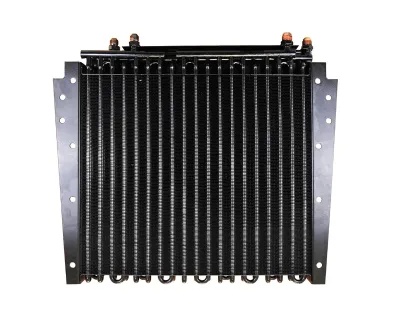
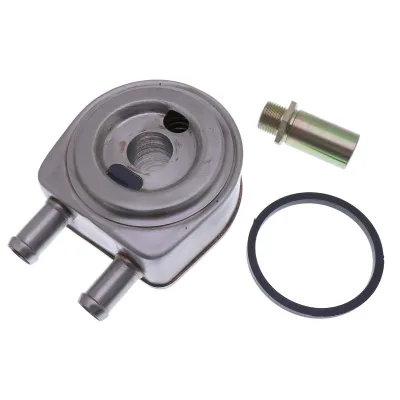


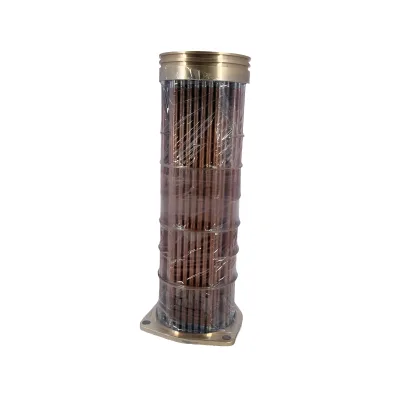

Comprehensive Sourcing Guide
Backhoe Loader Oil Cooler Sourcing Guide
Sourcing a Backhoe Loader Oil Cooler requires distinguishing between the hydraulic cooling unit and the broader machinery, as the supply chain often lists these components separately from the complete vehicle. The observed market data indicates a diverse range of products, from specific heat exchanger modules to complete cooling systems, with prices varying significantly from $6.60 to $10,000 depending on the complexity and integration level. Buyers must carefully parse listing titles to ensure they are purchasing the correct sub-component, such as a plate heat exchanger or an air-cooled condenser, rather than a full loader unit, which typically carries a much higher price point and different logistical requirements.
The procurement process for these components is heavily influenced by the specific application environment, whether for pharmaceutical processing, machining centers, or general heavy equipment maintenance. Listings reveal that these coolers are often designed for integral unit structures with low noise levels and are compatible with various voltage standards, including 220V/50HZ and 380V/50HZ. Understanding the distinction between a "Mixing Heat Exchanger" and a "Recuperative Heat Exchanger" is critical, as the principle of operation dictates the thermal efficiency and suitability for the specific hydraulic fluid being cooled in a backhoe loader system.
Product Scope and Observed Listing Signals
When evaluating product listings, buyers should look for specific attributes that confirm the item is a functional cooling unit rather than a generic mechanical part. The data shows that valid listings often specify the "Application" as a Cooler or Condenser and define the "Principle" as either Mixing or Recuperative Heat Exchanger. Additionally, the "Process" field frequently identifies "Oil" as the processing object, which is the primary fluid requiring temperature regulation in backhoe loader hydraulic systems. These signals help filter out unrelated machinery, such as the medium-sized loaders with front discharge modes, ensuring the buyer focuses on the thermal management component.
The physical configuration of the cooler is another vital signal, with listings indicating "Air Cooled Type" condensers and "Plate Heat Exchanger" surfaces as common configurations. The "Structure Material" is typically described as metal, and the "Unit Structure" is often noted as integral, suggesting a self-contained assembly ready for installation. Buyers should also verify the "Selected Voltage" and "Compressor Number" if the unit includes active cooling elements, as these parameters determine compatibility with the existing electrical infrastructure of the backhoe loader or the auxiliary power unit.
Technical Specifications to Verify
Verifying the thermal capacity and heat transfer surface area is the first step in ensuring the cooler can handle the specific load of the backhoe loader's hydraulic system. The observed data includes specific cooling capacities, such as 1170W, which serves as a benchmark for smaller units, but buyers must confirm that the rated capacity matches the heat generation of their specific machine model. The "Heat Transfer Surface" type, whether plate or tube, directly impacts the efficiency of the cooling process, and the "System Type" being a closed system is a standard requirement to prevent contamination of the hydraulic oil.
Electrical and mechanical compatibility must be confirmed through the "Selected Voltage" and "Transmission" specifications, although the latter often refers to the loader itself rather than the cooler. For the cooler unit, the "Noise Level" is a critical specification, with low noise being a preferred attribute for operators working in confined or urban environments. The "Condition" of the product is consistently listed as New, but buyers should verify the "Warranty" period, which is typically one year, to ensure protection against premature failure of the heat exchange elements or the compressor assembly.
Compliance and Safety Documentation
Certification is a non-negotiable aspect of sourcing industrial cooling components, as it validates that the product meets international safety and quality standards. The observed listings frequently cite CE and ISO certifications, with some advanced units also carrying RoHS and SGS marks. These certifications indicate that the materials used, such as the aluminum plates and bars mentioned in the standards, are compliant with environmental and safety regulations. Buyers should request copies of these certificates to ensure the product is legally marketable in their region and meets the safety requirements for industrial machinery.
Safety documentation also extends to the operational standards of the cooler, particularly regarding the "Application Fields" such as pharmaceutical or precision machining, which may have stricter hygiene and contamination controls. The "Standard" field often references specific material grades like aluminum, which must be verified against the chemical compatibility of the hydraulic oil being used. Ensuring that the "Certification" list includes all relevant regional approvals is essential for avoiding customs delays and ensuring the equipment can be safely integrated into the backhoe loader's hydraulic circuit without risking system failure.
Cost Drivers and Commercial Terms
The price of a Backhoe Loader Oil Cooler is driven by several factors, including the cooling capacity, the complexity of the heat exchange surface, and the inclusion of active components like compressors. The observed price range of $6.60 to $10,000 reflects the vast difference between simple passive heat exchangers and complex, integrated cooling systems with active air-cooling mechanisms. Buyers should expect higher costs for units with specialized features such as low noise levels, specific voltage configurations, or those designed for high-precision applications like machining centers.
Commercial terms such as Minimum Order Quantity (MOQ) and delivery time are equally critical in the procurement planning process. The data indicates an MOQ range of 1 to 1000 units, offering flexibility for small repair shops as well as large fleet operators. The "Delivery Time" is typically listed as 25-35 days, which buyers must factor into their inventory management and project timelines. Additionally, the "Packing" method, whether wooden or plywood case, affects shipping costs and the risk of damage during transit, making it a key consideration in the total cost of ownership calculation.
Supplier Qualification and Quality Control
Supplier qualification begins with verifying the origin and manufacturing standards of the product, as the data points to Wuxi, Jiangsu, and China as primary production hubs. Buyers should confirm that the supplier has a track record of producing units that meet the "Standard" specifications, such as the use of aluminum plates and bars, and that they adhere to the "Certification" requirements like CE and ISO. The "Brand" name, such as Shengguang, can serve as a reference point for quality consistency, but buyers should not rely solely on brand recognition without verifying the specific product's compliance with their technical requirements.
Quality control measures should include a review of the "Condition" of the product, which is consistently listed as New, and an assessment of the "Warranty" terms provided. A one-year warranty is a standard expectation, but buyers should clarify the scope of coverage, including whether it covers the heat exchanger core, the compressor, or the entire assembly. Inspecting the "Packing" details, such as the use of wooden or plywood cases, is also part of the quality assurance process to ensure the product arrives in pristine condition, ready for immediate installation in the backhoe loader.
Long-Term Procurement Checks
Establishing a long-term procurement strategy requires regular audits of the supplier's ability to maintain consistent quality and delivery performance. Buyers should monitor the "Delivery Time" consistency, as delays in the 25-35 day window can disrupt maintenance schedules and operational uptime. It is also essential to track the availability of spare parts and the continuity of the "Certification" status, ensuring that future orders continue to meet the same regulatory and safety standards as the initial purchase.
Performance monitoring of the installed coolers is another critical long-term check, focusing on the "Noise Level" and "Cooling Capacity" over time. Buyers should verify that the "System Type" remains a closed system without leaks or contamination, which could indicate a failure in the "Heat Transfer Surface" or the "Condenser" unit. Regular reviews of the "Application" performance in the specific field, such as pharmaceutical or machining, will help identify any degradation in efficiency and guide future procurement decisions for replacement or upgrade cycles.
FAQs
What is the rated load capacity of the medium-sized loader?
The rated load capacity is between 6 and 9 tons for this medium-sized loader. This specification ensures the machine can handle substantial material loads during front discharge operations while maintaining stability on wheeled walking modes.
Which certifications do the products typically hold?
Products typically hold CE, ISO, and sometimes RoHS or SGS certifications. These standards verify compliance with international safety and quality requirements, ensuring the machinery meets rigorous operational benchmarks for global deployment.
How long is the delivery time for these machines?
The standard delivery time ranges from 25 to 35 days after order confirmation. This lead time accounts for manufacturing, quality checks, and packaging in wooden or plywood cases before shipping from Wuxi, Jiangsu.
Can the products be customized for specific needs?
Yes, customization is available for these products to meet specific operational requirements. Buyers can request tailored specifications while the base unit remains a new condition machine with hydraulic-mechanical transmission systems.
What is the warranty period for the equipment?
The equipment comes with a one-year warranty covering manufacturing defects and functional issues. This warranty applies to the new condition units originating from Wuxi, China, ensuring buyer protection during the initial operational phase.
Which voltage options are selected for the cooling systems?
Selected voltage options include 220V/50HZ and 380V/50HZ depending on the specific model. These electrical configurations support the air-cooled condenser systems used in precision machine tools and pharmaceutical applications.
What is the standard material used for the structure?
The structure material is metal, specifically utilizing aluminum plates and bars for heat exchange surfaces. This design supports the recuperative heat exchanger principle used in cooled oil systems for efficient thermal management.