Source Basin-Shaped Paper Cone Car Speaker for Audio Upgrades
Find and compare 30 Basin-Shaped Paper Cone Car Speaker options from Chinese manufacturers. Evaluate specifications such as 12V voltage, 4 ohm impedance, and various sizes including 6.5-inch and 8-inch models to find suitable audio products for vehicles.
Key considerations
Products List




Comprehensive Sourcing Guide
Basin-Shaped Paper Cone Car Speaker Sourcing Guide
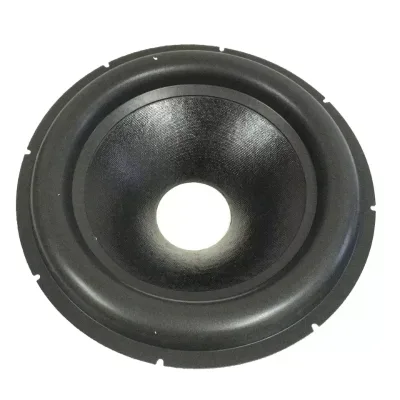
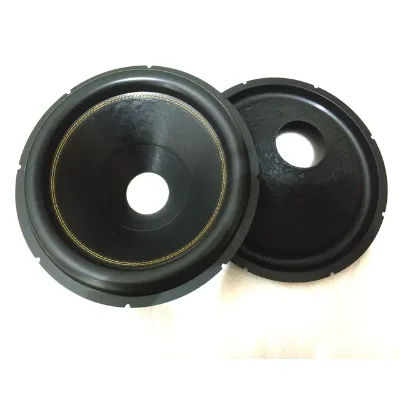
Sourcing basin-shaped paper cone car speakers requires a nuanced understanding of acoustic engineering, material durability, and supply chain transparency. These speakers are distinct from standard flat-cone designs due to their curved geometry, which often enhances bass response and structural rigidity while reducing distortion at higher volumes. Buyers must navigate a market where specifications vary significantly between manufacturers, particularly regarding impedance, power handling, and physical dimensions. The following guide provides a structured approach to evaluating suppliers, verifying technical claims, and ensuring long-term product reliability for automotive audio applications.
The procurement process begins with defining the specific acoustic requirements of the target vehicle or audio system. Basin-shaped cones are frequently used in mid-range or full-range drivers where clarity and mid-bass extension are prioritized. Buyers should assess whether the speaker is intended for OEM replacement or aftermarket upgrade, as this influences the necessary tolerances and packaging standards. Understanding the intended application helps in filtering suppliers who specialize in high-volume, low-cost components versus those offering premium, audiophile-grade solutions with stricter quality controls.
Product Scope and Observed Listing Signals
The current market for basin-shaped paper cone speakers exhibits a wide range of product configurations, with observed prices ranging from $0.10 to $90.00 USD. This broad spectrum reflects differences in material quality, brand positioning, and included features such as integrated crossovers or premium mounting hardware. Minimum Order Quantities (MOQs) typically range from 10 to 5,000 units, indicating that suppliers cater to both small-batch custom projects and large-scale OEM contracts. Buyers should align their order volume with the supplier’s production capacity and pricing tiers to optimize cost efficiency.
Product listings often highlight specific design elements such as 2-way, 3-way, or 4-way configurations, though the basin shape primarily refers to the cone geometry rather than the driver system complexity. Common sizes observed include 2", 2.5", 3", 4", 5", 6", and 8" diameters, with some suppliers offering larger 10" and 12" options. The material composition is a critical differentiator, with many listings specifying paper cones paired with rubber edges for durability and acoustic performance. Buyers should verify if the "basin" shape is a standard offering or a custom mold requirement, as tooling costs may apply for non-standard geometries.
Technical Specifications to Verify
Impedance and power handling are fundamental technical parameters that must be verified before placing an order. Standard impedance values for these speakers often include 4 ohms, which is common in automotive applications to ensure compatibility with factory amplifiers. Power ratings can vary significantly, with some models rated at 5W for low-power applications, while others may support higher wattage for more demanding audio systems. Buyers should request detailed datasheets that specify both RMS and peak power handling to ensure the speakers can withstand the electrical load of the intended amplifier without distortion or damage.
The sound frequency response and sound pressure level (SPL) are also critical metrics for evaluating acoustic performance. Many listings indicate a sound pressure level of around 90 dB, which is a reasonable baseline for mid-range clarity. The total harmonic distortion (THD) is another key indicator of quality, with high-end models often claiming THD values below 0.005%. Buyers should verify if the speaker is designed for mid-pitch frequencies or if it offers a broader range suitable for full-range reproduction. Additionally, the connection mode, whether single-wire or double-wire, and the presence or absence of contact points should be confirmed to ensure seamless integration into the vehicle’s wiring harness.
Compliance and Safety Documentation
Regulatory compliance is essential for automotive components, particularly when sourcing from international suppliers. Many manufacturers provide CE certification, indicating that the products meet European health, safety, and environmental protection standards. Some suppliers also offer RoHS certification, which restricts the use of specific hazardous materials in electrical and electronic equipment. Buyers should request valid certification documents and verify their authenticity through the issuing bodies to ensure that the products can be legally sold and installed in target markets.
Beyond regulatory certifications, buyers should inquire about additional safety standards relevant to the automotive industry. While specific automotive standards may vary by region, general safety guidelines for electronic components often include flame resistance for materials and electrical insulation requirements. Suppliers should be able to provide test reports or material safety data sheets (MSDS) that confirm the compliance of the paper cone, rubber edge, and other components. This documentation is crucial for mitigating liability risks and ensuring that the speakers do not pose a fire or electrical hazard when installed in a vehicle.
Cost Drivers and Commercial Terms
Several factors influence the final cost of basin-shaped paper cone speakers, including material quality, customization options, and packaging requirements. Customization is widely available, allowing buyers to specify cone shapes, colors, and branding, but these modifications may increase unit costs and lead times. Packaging options range from simple plastic bags to more elaborate gift boxes or color boxes, which can impact shipping volume and overall logistics costs. Buyers should evaluate the total landed cost, including shipping and duties, rather than focusing solely on the unit price.
Commercial terms such as payment methods, lead times, and warranty policies should be clearly defined in the purchase agreement. Suppliers may offer different payment terms based on order volume, with larger orders potentially qualifying for more favorable conditions. Lead times can vary depending on the complexity of the order and the supplier’s current production schedule, so buyers should confirm estimated delivery dates before committing. Warranty policies should also be reviewed to understand the coverage for defects in materials and workmanship, ensuring that the buyer is protected against potential quality issues.
Supplier Qualification and Quality Control
Evaluating supplier qualifications is a critical step in ensuring the reliability of the supply chain. Buyers should verify the supplier’s manufacturing capabilities, including their production capacity, quality control processes, and experience in the automotive audio industry. Suppliers located in regions like Guangdong, China, often have established infrastructure for producing electronic components, but buyers should still conduct due diligence to confirm their operational standards. Requesting factory audits or third-party inspections can provide valuable insights into the supplier’s quality management systems.
Quality control measures should be explicitly defined in the procurement agreement, including incoming material inspections, in-process checks, and final product testing. Buyers should specify acceptable tolerances for dimensions, impedance, and acoustic performance to ensure consistency across batches. Sampling is a recommended practice before placing large orders, allowing buyers to physically inspect the speakers for build quality, material integrity, and acoustic performance. Establishing a clear communication channel with the supplier for addressing quality issues is also essential for maintaining long-term partnership stability.
Long-Term Procurement Checks
Maintaining a successful long-term procurement relationship requires ongoing monitoring of supplier performance and market trends. Buyers should regularly review supplier metrics such as on-time delivery rates, defect rates, and responsiveness to issues. Establishing key performance indicators (KPIs) can help quantify supplier performance and identify areas for improvement. Regular communication with the supplier can also foster collaboration on product development and cost optimization strategies, ensuring that both parties remain aligned with evolving market demands.
Market dynamics in the automotive audio sector are constantly changing, with new technologies and materials emerging regularly. Buyers should stay informed about industry trends, such as the shift towards more durable materials or advanced acoustic designs, to ensure that their product offerings remain competitive. Periodic reviews of the supply chain can help identify alternative suppliers or materials that may offer better value or performance. By proactively managing these factors, buyers can mitigate risks and secure a reliable supply of high-quality basin-shaped paper cone car speakers for their customers.
FAQs
What materials are used in basin shaped paper cone car speakers?
Basin shaped paper cone car speakers typically utilize a rubber edge and paper cone for the diaphragm. The housing is often constructed from durable ABS plastic or iron to ensure structural integrity. These material combinations help achieve the desired sound pressure level and impedance characteristics for automotive audio applications.
Can these speakers operate on different vehicle voltages?
Yes, these speakers are designed to support multiple voltage standards including 6V, 12V, 24V, 36V, 48V, and 60V. This versatility allows them to be used in various automotive and motorcycle applications. The internal components are engineered to handle the specific electrical requirements of each voltage class safely.
What is the typical impedance and power rating?
The typical impedance for these speakers is 4 ohms, which is standard for most car audio systems. The power rating is generally around 5W, suitable for mid-pitch sound reproduction. This configuration ensures efficient energy exchange and compatibility with standard car amplifiers or head units without requiring excessive current.
Are these speakers available with customization options?
Customization is available for these car speakers, allowing buyers to tailor specific attributes to their needs. Options may include different sizes such as 2, 2.5, 3, 4, 5, 6, or 8 inches. Buyers can also specify packaging preferences, such as plastic bags with gift boxes or color boxes, to suit their distribution requirements.
What certifications do these speakers typically hold?
These speakers commonly hold CE and RoHS certifications, ensuring compliance with international safety and environmental standards. Some models may also meet specific product standards like CE marking for the European market. These certifications verify that the materials and manufacturing processes adhere to regulated quality and safety protocols for electronic components.
How are these speakers packaged for shipment?
Packaging options vary by model but often include plastic bags combined with gift boxes or standalone color boxes. For bulk orders, speakers may be packed in cartons containing sets, such as 10 sets per carton. This flexible packaging approach protects the speakers during transit while offering branding opportunities for retailers.