Source Basketball Court Floor Tile for Indoor, Outdoor, and Commercial Use
Find 30 listings for Basketball Court Floor Tile designed for indoor sports courts, outdoor fields, and commercial spaces. Buyers can compare specifications like shock absorption, thickness, and material types including plastic and rubber.
Key considerations
Products List
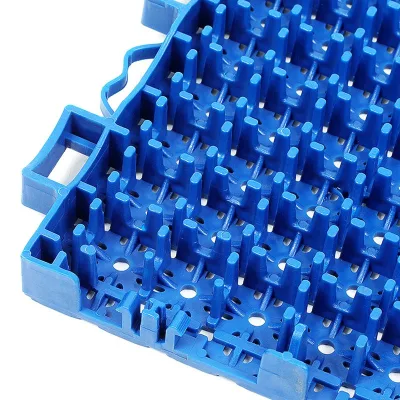


Sport Court Flooring Interlocking Floor PP Tile for Basketball Court
$15.80 - $17.80
MOQ: 1000 Square Meters

Fiba Approved Interlocking Court Tiles Basketball Floor Outdoor PP Tiles
$13.00 - $28.00
MOQ: 300 Square Meters


Top Quality Fast Installation Indoor Basketball Court Flooring PP Interlocking Tiles
$15.00
MOQ: 1000 Square Meters

TPV Sports Basketball Flooring Floor Tiles for Professional Indoor Sports Court
$25.00 - $28.00
MOQ: 200 Pieces


Hot Sale Outdoor Interlocking Sports Court Basketball Court Tiles
$19.90 - $20.00
MOQ: 200 Square Meters


Hot Sale Outdoor Interlocking Sports Court Basketball Court Modular Tiles
$19.90 - $20.00
MOQ: 200 Square Meters

Outdoor Volleyball Court Basketball Elastic Interlocking Sports Flooring Basketball Tiles
$11.50 - $24.50
MOQ: 200 Square Meters

Interlocking Vinyl Floor Tile for Versatile Basketball Court Flooring
$3.00 - $6.00
MOQ: 500 Square Meters


High Quality Plastic Sports Court Tile Outdoor Indoor Basketball Volleyball Court Tiles
$12.00 - $12.50
MOQ: 200 Square Meters


Low-Cost Basketball Court Floor Tiles Covered by 3-Year Guarantee
$12.00 - $12.50
MOQ: 200 Square Meters

Factory Cost Antislip Durable TPE Tile Basketball Court Flooring Outdoor Sports Court Tile
$15.00 - $15.50
MOQ: 200 Square Meters

$28.50 - $28.60
MOQ: 200 Square Meters


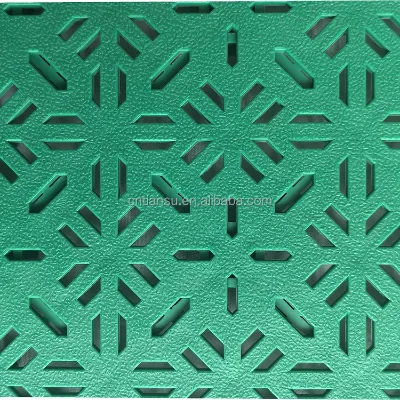
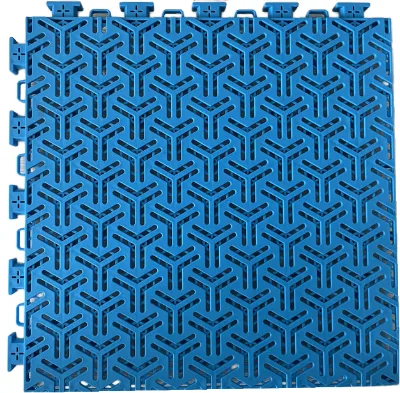
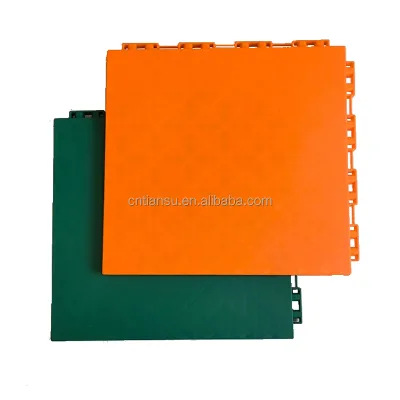


Interlocking Sports Court Floor Tiles for Kingergarten Basketball Volleyball Courts
$7.54 - $7.56
MOQ: 100 Square Meters
Comprehensive Sourcing Guide
Basketball Court Floor Tile Sourcing Guide
Selecting the right flooring system for a basketball court requires balancing performance metrics with long-term durability and installation flexibility. Buyers must navigate a market that offers diverse material compositions, ranging from traditional rubber and textile blends to modern polypropylene (PP) interlocking tiles. The decision often hinges on whether the facility prioritizes shock absorption for athlete safety, slip resistance for high-intensity play, or ease of maintenance for high-traffic environments. Understanding these trade-offs is essential for aligning the product with the specific operational needs of the venue.
This guide provides a structured approach to sourcing basketball court floor tiles, focusing on verified technical attributes and commercial realities. By examining observed listing signals, technical specifications, and compliance requirements, procurement teams can mitigate risk and ensure that the selected flooring meets international performance standards. The following sections detail the critical factors that influence product selection, from material hardness and thickness to supplier qualification and long-term maintenance protocols.
Product Scope and Observed Listing Signals
The current market for basketball court flooring presents a wide spectrum of product types, primarily categorized by material composition and installation method. Listings frequently highlight rubber flooring, PP tiles, and composite systems designed for both indoor and outdoor applications. Key brand identifiers such as Oulin appear alongside generic model numbers like X3, X5, Q1, and Q3, indicating a mix of branded and unbranded manufacturing capabilities. Buyers should note that while some products are marketed specifically for basketball, others are labeled for general sports courts or pickleball, requiring careful verification of suitability for high-impact basketball activities.
Observed listing data reveals significant variation in pricing, minimum order quantities (MOQ), and physical dimensions. Prices range from approximately $0.58 to $7,800 USD, reflecting differences in material quality, thickness, and order volume. MOQs typically span from 1 to 2,000 units, with some suppliers requiring a minimum of 500 units for certain PP tile configurations. Color options are diverse, including blue, rose, and multi-color sand patterns, allowing for aesthetic customization. However, buyers must distinguish between standard stock items and customizable solutions, as lead times and pricing structures may differ substantially between the two.
Technical Specifications to Verify
Material composition is the primary determinant of performance, with suppliers offering options in plastic, rubber, and textile blends. Polypropylene (PP) tiles are commonly cited for their durability and water resistance, often featuring interlocking designs for easy installation. Rubber-based options may provide superior shock absorption, with some listings claiming a shock absorption rate of greater than 50% and vertical deformation around 2.3mm. Buyers must verify the lead hardness of the material, as options range from soft to hard, with semi-rigid variants available for specific impact requirements. The friction factor is another critical metric, with some products listing a value of 0, which may indicate a need for further clarification regarding slip resistance.
Thickness and dimensional standards vary across product models, directly influencing cushioning and stability. Common PP tile dimensions include 30.48cm x 30.48cm with thicknesses of 1.27cm, 1.58cm, or 1.27cm, while other models specify 25cm x 25cm x 1.27cm. Rubber flooring options may be thicker, with some listings indicating 8.0mm or 12mm thicknesses. The standard court size referenced in some specifications is 44ft x 20ft, which buyers should cross-reference with their facility’s actual dimensions. Additionally, features such as waterproofing, anti-slip properties, and soundproofing capabilities should be explicitly confirmed, as these attributes are not uniformly present across all product lines.
Compliance and Safety Documentation
Safety certifications are paramount for sports flooring, particularly regarding shock absorption and slip resistance. Buyers should request documentation that verifies the shock absorption rate exceeds 50%, a common benchmark for reducing joint stress in basketball players. Vertical deformation metrics, such as the observed 2.3mm, should be validated through independent testing to ensure consistency with manufacturer claims. Anti-slip functionality is critical for preventing injuries, and buyers must confirm that the friction factor meets relevant safety standards for indoor and outdoor sports surfaces.
Environmental and fire safety standards also require verification, especially for indoor facilities. Some products are marketed as environmentally friendly, but buyers should seek specific certifications or material safety data sheets (MSDS) to confirm the absence of harmful chemicals. Fireproof properties are listed for certain rubber flooring options, and buyers should ensure that the material complies with local fire codes. Additionally, moisture-proof and wear-resistant attributes should be documented to guarantee long-term performance in high-traffic areas.
Cost Drivers and Commercial Terms
Pricing for basketball court floor tiles is influenced by material type, thickness, and order volume. Thicker tiles and those with advanced shock absorption features typically command higher prices, while bulk orders can significantly reduce per-unit costs. The observed price range of $0.58 to $7,800 USD highlights the importance of aligning budget constraints with performance requirements. Buyers should clarify whether the quoted price includes shipping, taxes, and installation materials, as these factors can substantially impact the total cost of ownership.
Minimum order quantities (MOQs) vary by supplier and product type, with some requiring a minimum of 500 units for PP tiles. Buyers should negotiate flexible MOQs if they are testing a new facility or require a smaller initial order. Payment terms, lead times, and packaging standards should be explicitly agreed upon in the contract. Standard packaging, such as cartons or pallets, should be specified to prevent damage during transit. Additionally, buyers should inquire about sample availability, as some suppliers offer free samples to verify quality before committing to a large order.
Supplier Qualification and Quality Control
Supplier location and manufacturing capabilities are key indicators of reliability. Many suppliers are based in China, with specific origins such as Foshan noted in product listings. Buyers should verify the supplier’s production capacity, quality control processes, and ability to meet customization requests. Customization options, including color and pattern, are available from some suppliers, but buyers should confirm the feasibility and additional costs associated with these modifications.
Quality control measures should include pre-shipment inspections and third-party testing reports. Buyers should request evidence of consistent product quality, such as batch testing results for shock absorption and durability. The claimed durability of over ten years should be supported by warranty terms or historical performance data. Additionally, buyers should assess the supplier’s responsiveness to technical queries and their ability to provide installation guidance, as proper installation is critical to the performance and longevity of the flooring system.
Long-Term Procurement Checks
Long-term success depends on the flooring’s ability to withstand wear and tear while maintaining safety standards. Buyers should establish a maintenance protocol that includes regular cleaning and inspection for signs of degradation. Products with wear-resistant and anti-slip properties should be prioritized to minimize downtime and replacement costs. The modular nature of PP tiles allows for easy replacement of damaged sections, which should be considered when planning for future repairs.
Performance monitoring should include periodic testing of shock absorption and vertical deformation to ensure they remain within acceptable limits. Buyers should maintain a relationship with the supplier for ongoing support, including access to replacement parts and technical assistance. Additionally, staying informed about updates in sports flooring standards and technologies can help buyers make informed decisions for future upgrades or expansions. By focusing on these long-term checks, procurement teams can ensure that their investment in basketball court flooring delivers sustained value and safety.
FAQs
What materials are used for basketball court floor tiles?
The tiles are constructed from plastic, rubber, and textile materials. Specific models utilize PP plastic for durability. These materials ensure the floor is suitable for both indoor and outdoor sports applications.
Can these tiles be installed in outdoor environments?
Yes, the tiles are designed for both indoor and outdoor use. They feature waterproof and anti-slip functions to withstand various weather conditions while providing a safe surface for basketball and other sports activities.
Which specifications are available for the floor tiles?
Available specifications include sizes like 30.48cm by 30.48cm with thicknesses of 1.27cm, 1.58cm, or 8.0mm. The product models range from X3 to Y12, offering options for different court requirements and customization needs.
How is the shock absorption rate of the tiles?
The shock absorption rate exceeds 50 percent to protect athletes. The vertical deformation is measured at 2.3mm, ensuring a stable and safe playing surface that meets performance standards for indoor and outdoor sports courts.
What is the minimum order quantity for these tiles?
The minimum order quantity varies by product, ranging from 1 to 2000 units. Some specific models require a minimum of 500 units, while others allow for single item purchases depending on the supplier and customization level.
Are the tiles customizable for specific court needs?
Customization is available for these basketball court floor tiles. Buyers can select from colors like blue or rose, and patterns such as sand. The installation method is movable, allowing for flexible setup configurations.
Where are these basketball court floor tiles manufactured?
The products originate from China, with specific production locations in Foshan. This manufacturing base supports the supply of durable tiles that last over ten years and meet various international usage standards for sports facilities.