Source Basketball Hoop for Outdoor, Indoor, and School Use
Explore 30 verified listings for Basketball Hoop options suitable for outdoor courts, indoor arenas, and school facilities. Buyers can compare specifications like backboard material, extension length, and customization availability to find the right equipment for racing, entertainment, or training purposes.
Key considerations
Products List


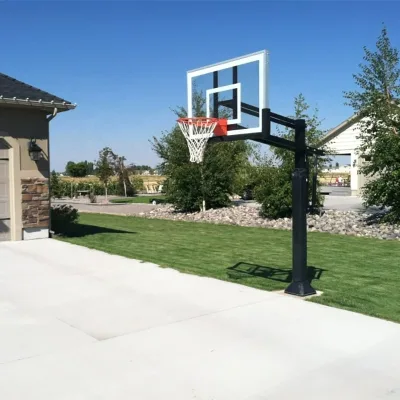
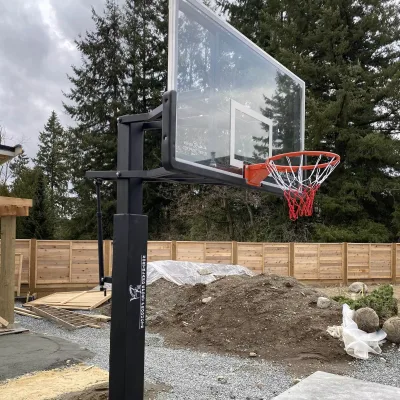
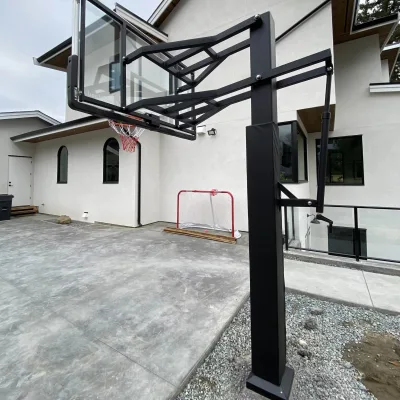
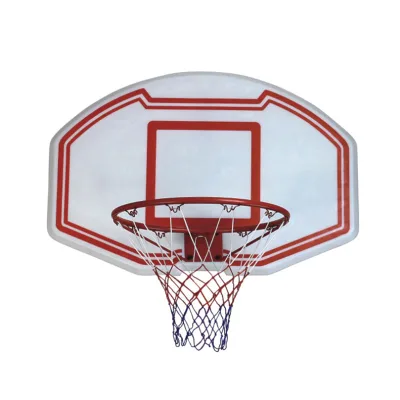
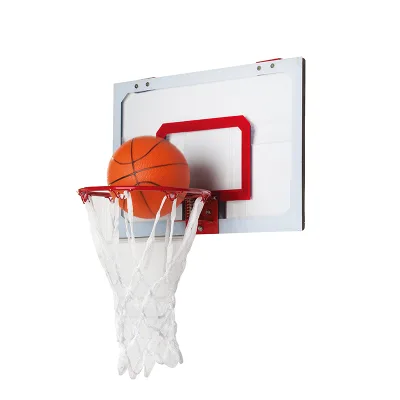
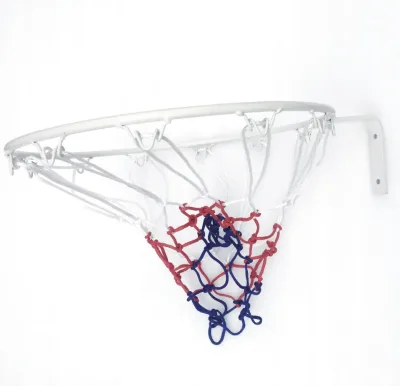


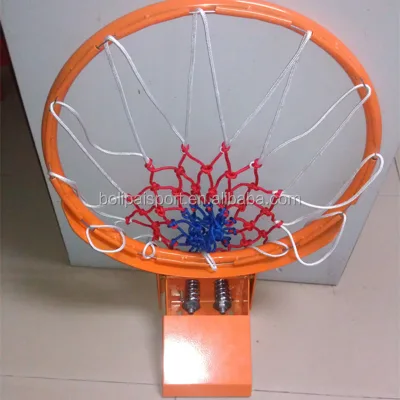
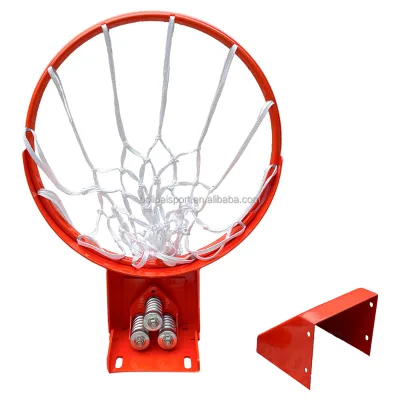
Comprehensive Sourcing Guide
Strategic Sourcing Guide for Basketball Hoop Procurement
Understanding Product Variants and Core Specifications
When initiating a procurement strategy for basketball hoops, buyers must first navigate the diverse landscape of product configurations available in the global market. The core keyword "Basketball Hoop" encompasses a wide spectrum of equipment, ranging from simple backboards to complete in-ground systems. A critical initial step is distinguishing between units designed for specific environments. Market observations indicate that products are explicitly categorized for Outdoor usage, Indoor usage, or Both applications. This distinction is vital because the structural integrity and material composition required for outdoor exposure differ significantly from those needed for indoor courts.
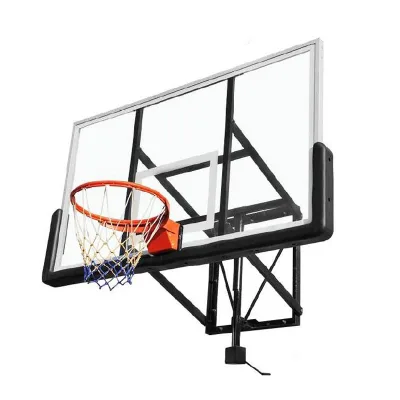
Technical specifications vary substantially across different product models. For instance, specific models such as LDK1014 and LDK1006 are identified as In Ground Basketball Hoop systems, suggesting a permanent installation requirement. In contrast, other entries highlight Basketball Court Basketball Backboard Stand configurations, which may imply different mounting mechanisms. The physical dimensions are also a key differentiator. Data points show extension lengths ranging from 2.25m to 3.35m, indicating that buyers must verify the exact reach and height requirements for their specific facility before placing an order. Furthermore, the backboard material is a primary technical determinant; some units feature Certified Tempered Glass with a Clear color, while others utilize Super Fine Strong Fiber materials. The ring specifications also vary, with some units offering a 45cm diameter and utilizing Hot DIP Galvanizing/Powder Coated finishes to resist corrosion.
Compliance, Certification, and Safety Standards
In the B2B procurement of sports equipment, verifying compliance with international and regional standards is non-negotiable. Buyers should not assume that all listed products meet specific regulatory requirements without explicit verification. The supply chain for basketball hoops often involves products originating from China, specifically from regions like Guangdong and Shandong Province. When evaluating suppliers from these locations, the presence of recognized certifications serves as a primary indicator of quality management and safety adherence.
Observed certification data includes CE, NSCC, ISO9001, ISO14001, and Ohsas. These certifications suggest that the manufacturer has undergone audits for quality management systems, environmental management, and occupational health and safety. Additionally, some products are noted to meet FIBA standards, which is a critical benchmark for professional-grade equipment. For domestic markets, particularly in China, the CCC (China Compulsory Certification) and ISO9001 are frequently cited. However, buyers must treat these as observations of specific listings rather than universal guarantees for every product in the category. It is essential to request current certification documents for the specific model number being procured, such as LDK10000 or QML-A500, to ensure they are valid and applicable to the intended use case.
Cost Drivers and Pricing Dynamics
The pricing structure for basketball hoops is influenced by a complex array of factors, including material quality, customization levels, and logistical requirements. The observed market data reveals a significant price variance, with listed prices ranging from 2.9 USD to 10,000 USD. This wide range reflects the difference between individual components, such as a single basketball ring or backboard, and complete, high-end In Ground Basketball Hoop systems.
Several key drivers contribute to these cost fluctuations. First, the material composition is a primary cost factor. Systems utilizing Certified Tempered Glass generally command a higher price point compared to those made from Super Fine Strong Fiber or other composite materials. Second, the Customization capabilities of the supplier play a major role. Products offering Logo Printing, Customized branding, or OEM and ODM services often incur additional costs. The ability to tailor the product to specific brand identities or facility requirements adds value but increases the unit price. Third, the Condition of the product, typically listed as New, and the complexity of the Packing method affect the final cost. Options such as Safety 4 Layer Package (1st EPE & 2ND Weaving Sack), Carton /Customized Package, or Wooden Crates represent different levels of protection and shipping costs. Buyers should be aware that higher MOQs, observed in the range of 1 to 550 units, can significantly impact the per-unit cost, with larger orders typically yielding better economies of scale.
Typical Applications and Usage Scenarios
Selecting the correct Basketball Hoop requires a clear understanding of the intended application environment. The market data highlights distinct usage categories that dictate the necessary product features. Outdoor usage is a primary category, requiring equipment that can withstand weather elements, UV exposure, and temperature fluctuations. These units often feature Hot DIP Galvanizing on the ring and robust structural standards to ensure longevity. Conversely, Indoor applications prioritize precision and surface protection, often utilizing Certified Tempered Glass backboards that provide a consistent rebound for competitive play.
Beyond the basic indoor/outdoor split, specific applications include School environments, where durability and safety are paramount. Products marked as Suitable for: School are designed to handle high-frequency use by students. Additionally, some units are categorized for Racing and Entertainment purposes, suggesting versatility in multi-purpose sports facilities or event setups. The Extension length of the unit, whether 2.25m or 3.35m, must align with the spatial constraints of the venue. For example, a 3.35m extension might be necessary for professional training facilities, while a 2.25m extension could suffice for community centers or smaller schools. Buyers must match the Type of the product, such as Scoreboards or Backboard specific units, to the functional needs of the facility.
Supplier Evaluation and Manufacturing Capabilities
Evaluating a supplier for Basketball Hoop procurement requires a deep dive into their manufacturing capabilities and service offerings. A robust supplier should demonstrate a clear capacity for OEM and ODM services, allowing buyers to customize products to their specific branding and technical requirements. The observation that Customization: Available and Customized: Customized are common attributes suggests that the market is highly responsive to buyer specifications. However, buyers must verify the extent of these capabilities. Can the supplier provide Logo Printing on the backboard or ring? Are they able to modify the prod_packing to meet specific shipping constraints?
The origin of the product is another critical evaluation point. Most observed products originate from China, with specific manufacturing hubs in Guangdong and Shandong Province. While these regions are known for their manufacturing prowess, buyers should conduct due diligence on the specific factory's production capacity and history. The Warranty period, observed as 12month for certain units, is a key indicator of the supplier's confidence in their product quality. A standard warranty period should be clearly defined in the contract, and buyers should understand what is covered, such as structural integrity or finish durability. Furthermore, the prod_packing methods, ranging from Standard Export Carton to Wooden Crates, indicate the supplier's attention to detail in preventing damage during transit. A supplier that offers Customized Package options demonstrates flexibility and a commitment to ensuring the product arrives in perfect condition.
Quality Control and Long-Term Procurement Considerations
Ensuring the long-term value of a Basketball Hoop investment requires rigorous quality control measures and a forward-looking procurement strategy. The Condition of the product is listed as New, but buyers must verify the manufacturing processes that ensure this status. The use of Hot DIP Galvanizing on the ring and Powder Coated finishes are essential for preventing rust and corrosion, particularly for Outdoor units. Buyers should request test results or quality assurance reports that confirm the durability of these coatings. The Net material, often specified as Nylon, should also be evaluated for its tensile strength and resistance to wear and tear.
Long-term procurement considerations extend beyond the initial purchase. The Warranty of 12month provides a baseline for accountability, but buyers should negotiate terms that cover potential defects in materials or workmanship. The prod_packing strategy is also a long-term consideration; Safety 4 Layer Package or Wooden Crates ensure that the product remains undamaged during shipping, reducing the risk of returns and replacements. Additionally, buyers should consider the Extension and Dia specifications to ensure the product remains relevant as facility needs evolve. For example, a 45cm diameter ring is a standard size, but future-proofing might require checking if the system can be upgraded or modified. Finally, maintaining a relationship with a supplier that offers OEM and ODM services allows for future scalability, enabling the procurement of additional units or customized replacements as the organization grows.
Comparative Analysis of Product Attributes
To facilitate decision-making, it is helpful to compare key attributes across different product models and categories. The following table summarizes the observed variations in specifications, standards, and origins to assist buyers in making informed choices.
| Attribute | Model LDK1014 | Model LDK1006 | Model LDK10000 | Model QML-A500 | General Category |
|---|---|---|---|---|---|
| Product Name | In Ground Basketball Hoop | Basketball Court Backboard Stand | Basketball Hoop | Basketball Ring | Basketball Hoop |
| Basketball Usage | Outdoor | Indoor | Both | N/A | Outdoor/Indoor/Both |
| Backboard Material | Steel | Certified Tempered Glass | Steel | Super Fine Strong Fiber | Tempered Glass/Fiber |
| Extension | 2.25m | 3.35m | N/A | N/A | 2.25m - 3.35m |
| Origin | China | China | China | Shandong Province, China | China (Guangdong/Shandong) |
| Certifications | N/A | N/A | Ce, Nscc, ISO9001, ISO14001, Ohsas | ISO9001, CCC | CE, ISO9001, FIBA |
| Packing | Safety 4 Layer Package | Carton /Customized Package | Wooden Crates | Standard Export Carton | Carton/Wooden Crate |
| Customization | Available | Available | Yes, We Can | Can Be Custom | Logo Printing Available |
This comparison highlights that while many products share common origins and customization options, the specific material and certification profiles vary significantly. Buyers must align these attributes with their specific operational requirements. For instance, a facility requiring FIBA compliance should prioritize models that explicitly state this standard, while a budget-conscious buyer might opt for Steel backboards with Standard Export Carton packing. The diversity in Extension lengths and Usage types underscores the necessity of a detailed needs analysis before finalizing any procurement order. By carefully evaluating these factors, buyers can secure Basketball Hoop systems that meet their technical, financial, and operational goals.
FAQs
What certifications do Basketball Hoop manufacturers typically hold?
Manufacturers often hold CE, NSCC, ISO9001, ISO14001, and Ohsas certifications. Some products also meet FIBA standards or carry CCC marks. Buyers must verify these documents for specific models like LDK10000 to ensure compliance.
Can I customize the logo and packaging for my order?
Yes, customization including logo printing and customized packaging is available. Suppliers offer OEM and ODM services to tailor branding and packing methods like wooden crates or safety packages. This allows buyers to meet specific facility or shipping requirements.
Which Basketball Hoop models are suitable for outdoor usage?
Models like LDK1014 are explicitly designed for outdoor basketball usage. These units often feature steel standards and hot dip galvanizing to resist weather. Buyers should confirm the specific usage type matches their facility environment before purchasing.
What is the typical warranty period for these basketball hoops?
The standard warranty period observed for these units is 12 months. This coverage applies to new products and helps ensure quality assurance. Buyers should confirm specific warranty terms for models like LDK1006 or QML-A500 during procurement.
How do extension lengths vary across different Basketball Hoop models?
Extension lengths vary significantly, with observed values ranging from 2.25m to 3.35m. These dimensions determine the reach and height of the system. Buyers must select the correct extension based on their specific court space and usage needs.
What materials are used for the backboards in these systems?
Backboards are made from materials like certified tempered glass or super fine strong fiber. Tempered glass offers a clear color and professional rebound, while fiber provides durability. The choice depends on whether the hoop is for indoor or outdoor application.
From which regions in China do these basketball hoops originate?
Products originate from manufacturing hubs in Guangdong and Shandong Province, China. These regions are known for producing equipment that meets international standards. Buyers should verify the specific origin for each model to ensure supply chain reliability.