Source Basketball Shorts for Basketball, Soccer, and Rugby matches
Explore 30 listings for Basketball Shorts with varying materials like cotton and polyester, sizes from free to custom, and features such as quick-drying and breathable designs. Buyers can compare specifications, MOQs, and customization options for team uniforms and athletic wear.
Key considerations
Products List


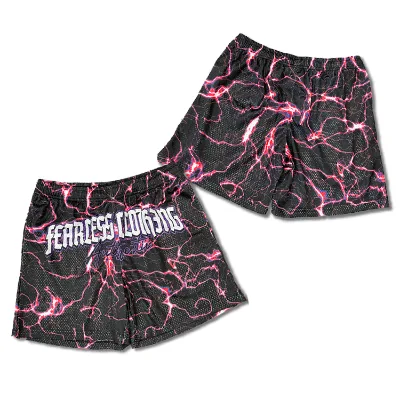
Basketball Short for Men Board Jersey Short N Ba Basketball Shorts Sports Pants
$18.00 - $25.00
MOQ: 6 Pieces




Comprehensive Sourcing Guide
Strategic Sourcing Guide for Basketball Shorts in the B2B Market
Navigating the global market for Basketball Shorts requires a disciplined approach that balances athletic performance requirements with strict supply chain reliability. Buyers entering this sector must distinguish between general athletic wear and specialized equipment designed for high-intensity movement. The current landscape offers a diverse array of options, ranging from standard cotton blends to high-performance synthetic fabrics engineered for rapid moisture management. This guide outlines the critical technical, compliance, and operational factors that define a successful procurement strategy for Basketball Shorts, ensuring that the final product meets both player expectations and commercial viability.
Technical Specifications and Material Engineering
The foundation of any successful basketball short procurement lies in the precise selection of materials and construction specifications. The market presents a dichotomy between traditional comfort fabrics and modern performance synthetics. On one end of the spectrum, cotton remains a viable option for casual or practice wear, offering a soft hand feel and breathability. However, for competitive play, the industry standard has shifted heavily toward synthetic blends. Observed product data indicates that high-performance options frequently utilize 100% polyester or nylon, often specified with a fabric weight ranging between 150 and 220 grams per square meter (gsm). This specific weight range is critical as it provides the necessary durability for contact sports while maintaining the lightweight profile required for agility.
Fit and cut are equally paramount. The market offers variations from "Extra Short" cuts to "Free Size" options, with "Short" length being a common specification for standard play. The waist design is a critical functional element; the majority of performance-oriented shorts feature a drawstring belt system to ensure a secure fit during dynamic movements like jumping and lateral shuffling. Buyers must verify that the waistband construction includes reinforced stitching to prevent the drawstring from tearing under tension. Additionally, pocket configurations vary significantly. While some designs incorporate side pockets for utility, many high-performance models omit pockets entirely to reduce drag and prevent ball interference. When sourcing, procurement teams should explicitly define the required pocket style, as the presence or absence of pockets can drastically alter the silhouette and intended use case of the garment.
Design Customization and Brand Integration
For B2B buyers, the ability to customize products is often a primary driver of the sourcing decision. The supply chain for Basketball Shorts is highly adaptable to brand-specific requirements, with OEM (Original Equipment Manufacturer) services being a standard offering. Customization extends beyond simple color selection, which typically includes core options like Red, Gray, Blue, Black, White, and Pink. The depth of customization often includes the application of specific logos, patterned designs, and full sublimation printing. Full sublimation is a preferred technique for complex, all-over graphics as it allows for vibrant colors that do not crack or peel during washing, unlike traditional screen printing.
The design process usually begins with the buyer providing artwork, which the manufacturer then implements using their production capabilities. Accessories such as brand labels, wash labels, and size labels are standard components that allow for complete brand identity integration. The production model numbers, such as Clothing-049P or DPBJ-0013, often serve as the baseline templates upon which these customizations are applied. Buyers should note that while the base model may be standardized, the final product standard is often listed as "customized," indicating that the specifications are tailored to the order. This flexibility allows teams and retailers to create unique visual identities while leveraging established manufacturing infrastructure.
Compliance, Certification, and Quality Standards
In the B2B apparel sector, verifying compliance and quality standards is non-negotiable. While specific certification statuses vary by supplier, buyers should look for evidence of factory audits conducted by recognized third-party organizations. For instance, an SGS factory audit is a strong indicator of a supplier's commitment to ethical manufacturing and quality control processes. Furthermore, product standards often reference specific fabric weights, such as the 150-220gsm range observed in high-quality athletic wear, which serves as a proxy for durability and quality.
Buyers must also consider the safety and performance standards relevant to the intended usage. Basketball Shorts designed for active play often feature attributes like Quick-Drying, Moisture-Wicking, Breathable, and Anti-UV properties. These are not merely marketing terms but functional requirements that should be verified through technical data sheets. The material composition, whether Nylon or Polyester, directly influences these performance characteristics. For example, polyester is frequently cited for its moisture-wicking capabilities, making it suitable for the high-sweat environment of basketball. Procurement teams should request test results or material certifications that validate these claims, ensuring that the garments will perform as expected under competitive conditions.
Cost Drivers and Pricing Dynamics
Understanding the cost structure of Basketball Shorts is essential for budgeting and margin analysis. The observed price range in the market spans from $0.50 to $25.00 USD, a wide variance that reflects differences in material quality, customization complexity, and order volume. Several key factors drive these costs. First, the material composition plays a significant role; 100% polyester or specialized nylon blends typically command a higher price point than cotton or basic blends due to the engineering involved in moisture management. Second, the printing and customization methods, such as full sublimation versus simple logo placement, add to the unit cost.
Order volume is another critical cost driver. The Minimum Order Quantity (MOQ) varies significantly across the market, ranging from as low as 1 piece for sample or small-batch orders to 10,000 pieces for large-scale production runs. Some suppliers offer an MOQ of 10,000, which may be prohibitive for startups but offers significant economies of scale for established brands. Conversely, suppliers with an MOQ of 1 piece allow for low-risk testing but come with a higher per-unit cost. Buyers must balance their immediate inventory needs against long-term cost efficiency. Packaging costs also contribute to the final price; options range from simple OPP bags to individual polybag packaging, with the latter adding a slight premium but offering better protection during transit.
Supplier Evaluation and Operational Logistics
Selecting the right supplier requires a thorough evaluation of their operational capabilities and logistical reliability. Geographic origin is a primary consideration, with many suppliers located in China, specifically in regions like Guangdong, which is a major hub for textile manufacturing. This concentration of industry expertise often translates to higher efficiency and lower costs. However, buyers must verify the supplier's capacity to meet specific delivery timelines. Typical lead times for samples range from 7 to 10 days, while production and delivery times can vary from 3 to 4 weeks, or 15 to 20 days depending on the order size and complexity.
Shipping methods are another operational factor to consider. Suppliers typically offer a range of logistics partners, including DHL, FedEx, UPS, and EMS. The choice of shipping method impacts both the speed of delivery and the total landed cost. Buyers should negotiate clear terms regarding who bears the risk and cost of shipping. Additionally, the supplier's ability to handle different order sizes is crucial. While some suppliers may have a high MOQ of 10,000, others accommodate smaller orders with an MOQ of 1, providing flexibility for different stages of business growth. It is essential to confirm the supplier's track record in meeting delivery deadlines, as delays can disrupt inventory planning and sales cycles.
Quality Control and Long-Term Procurement Strategy
Implementing a robust quality control (QC) strategy is vital to ensure consistency and customer satisfaction. Given the diverse range of products, from singlets to uniforms, QC checks should cover fabric integrity, stitching quality, and the accuracy of customizations. Buyers should verify that the fabric weight aligns with the specified standard, such as the 150-220gsm range, and that the color fastness meets industry expectations. The presence of features like Anti-UV and Quick-Drying properties should be validated through testing, especially for products marketed for professional use.
For long-term procurement, building a strategic relationship with suppliers is more beneficial than transactional purchasing. This involves aligning on design capabilities, ensuring consistent quality across batches, and securing favorable terms for future orders. Buyers should consider the supplier's flexibility in handling design changes and their responsiveness to quality issues. The ability to produce "as Your Artwork" with high fidelity is a key indicator of a supplier's technical competence. Furthermore, understanding the product lifecycle and the potential for repeat orders can help in negotiating better pricing and lead times. By focusing on these strategic elements, buyers can secure a reliable supply chain that supports their brand's growth and reputation in the competitive basketball apparel market.
Application Scenarios and Market Segmentation
Basketball Shorts serve a variety of applications, ranging from professional leagues to recreational play and team uniforms. The market segmentation is often defined by the specific usage requirements. For professional and semi-professional teams, the focus is on high-performance materials like 100% polyester with moisture-wicking and quick-drying features. These products are often designed as uniforms or singlets, requiring precise sizing and durable construction. In contrast, casual or recreational markets may prioritize comfort and style, with options in cotton or mixed fabrics that offer a more relaxed fit.
The versatility of the product is evident in the range of sizes and fits available, from "Extra Short" to "Free Size," catering to different player preferences and body types. The inclusion of features like drawstring belts ensures a secure fit for all activities. Additionally, the color options, including Red, Gray, Blue, Black, White, and Pink, allow for team customization and brand alignment. Understanding these segmentation nuances helps buyers target the right product lines for their specific customer base, ensuring that the sourced goods meet the functional and aesthetic expectations of the end-users.
Conclusion
Sourcing Basketball Shorts in the B2B market demands a comprehensive understanding of technical specifications, material science, and supply chain dynamics. By carefully evaluating factors such as fabric composition, customization capabilities, and supplier reliability, buyers can secure products that meet the rigorous demands of the sport. The wide range of price points and MOQs offers flexibility for businesses of all sizes, but success depends on aligning these variables with specific business goals. Through diligent quality control and strategic supplier partnerships, buyers can ensure a steady supply of high-quality Basketball Shorts that enhance performance and brand value.
FAQs
What materials are used for Basketball Shorts?
Basketball Shorts are commonly made from cotton, polyester, or nylon. High-performance options often use 100% polyester or nylon blends to ensure quick-drying and breathable properties suitable for active play.
Can I customize the design of these shorts?
Yes, OEM services and full customization are available for these products. Buyers can provide artwork for logo placement, patterned designs, or full sublimation printing to create unique team uniforms.
What is the minimum order quantity for production?
The minimum order quantity varies significantly depending on the supplier and product type. Some options allow for an MOQ of just one piece, while large-scale production runs may require 10,000 units.
How long does it take to receive samples?
Sample preparation typically takes between 7 to 10 days. This lead time allows manufacturers to produce the specific design or color requested before shipping the sample to the buyer for approval.
Which certifications verify the factory quality?
Factory audits conducted by recognized third-party organizations like SGS are available to verify quality standards. These audits ensure the manufacturing process meets ethical and quality control requirements for B2B buyers.
What are the standard fabric weight specifications?
High-quality athletic shorts often specify a fabric weight ranging from 150 to 220 grams per square meter. This weight range provides the necessary durability for contact sports while maintaining a lightweight profile.
How are the shorts packaged for shipping?
Packaging options include OPP bags or individual polybags for each piece. The specific packing method depends on the order requirements, with some suppliers offering customized packaging for brand identity.