Source Beaded Plus Size Wedding Dress for Wedding, Prom, Formal
Explore 30 listings for Beaded Plus Size Wedding Dress options featuring lace, tulle, and mermaid or A-line styles. Buyers can compare customization, fabric types, and seasonal availability for evening parties and formal events.
Key considerations
Products List


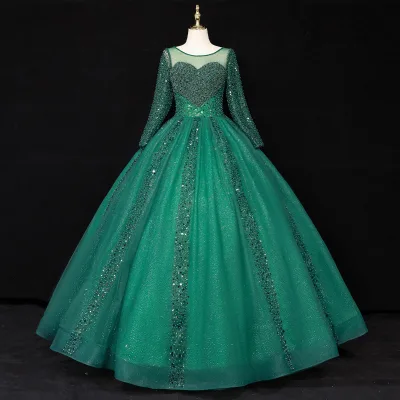
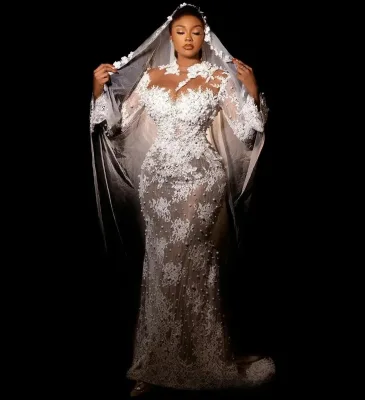
Factory Bridal High Quality Sparkly Beaded Gown Plus Size Embroidered Lace Wedding Dresses
$200.00 - $340.00
MOQ: 1 Pieces


Plus Size Wedding Gowns Beading Custom Long Sleeves Bridal Dresses G1774
$149.00 - $299.00
MOQ: 1 Pieces

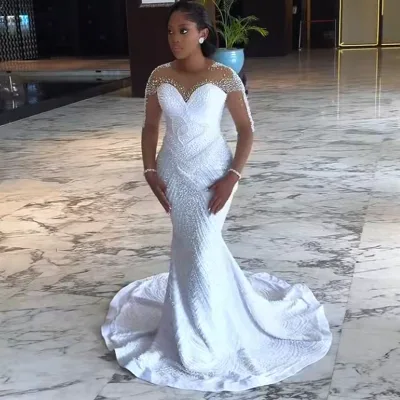
Lace Mermaid Bridal Dresses Plus Size Champagne Wedding Gown Dress N2019
$178.00 - $199.00
MOQ: 1 Pieces

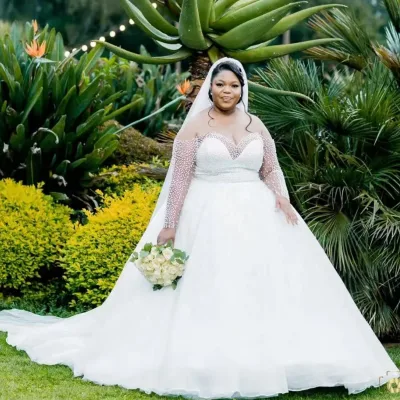
Tulle Bridal Ball Gowns Beads Lace off Shoulder Plus Size Wedding Dress S201782
$99.00 - $139.00
MOQ: 10 Pieces


Cap Sleeves Bridal Gowns Lace Tulle Beach Plus Size Wedding Dresses Z82017
$78.00 - $169.00
MOQ: 1 Pieces



Comprehensive Sourcing Guide
Beaded Plus Size Wedding Dress Sourcing Guide
Sourcing a Beaded Plus Size Wedding Dress requires a nuanced understanding of both the structural integrity of heavy embellishments and the specific fit requirements for larger body types. The intersection of luxury aesthetics and inclusive sizing creates a complex procurement challenge where standard off-the-rack solutions often fail to deliver the desired silhouette or durability. Buyers must navigate a market where customization is not merely an option but a necessity, as the weight of beadwork significantly alters how fabric drapes and holds shape. This guide provides a disciplined framework for evaluating suppliers, verifying technical specifications, and managing commercial risks associated with high-value, custom-made bridal apparel.
The following sections outline the critical decision points for procurement professionals. We focus on observable listing signals, technical verification steps, compliance documentation, cost structures, supplier qualification, and long-term operational checks. By adhering to these evidence-based criteria, buyers can mitigate the risks of quality inconsistencies, fit failures, and supply chain disruptions. The goal is to establish a robust sourcing strategy that balances aesthetic excellence with commercial viability, ensuring that the final product meets both the bride’s expectations and the retailer’s quality standards.
Product Scope and Observed Listing Signals
The current market landscape for beaded plus size wedding dresses is characterized by a high degree of customization and a wide variance in material composition. Observed listings indicate that materials frequently include lace, tulle, and 100% polyester, with embellishments dominated by beading. These materials are often combined to create multi-layered structures that provide both volume and support. The presence of "custom" model numbers and explicit statements about accepting custom measurements suggest that many suppliers operate primarily on an OEM (Original Equipment Manufacturer) basis rather than holding extensive stock of finished plus-size garments. Buyers should interpret these signals as an indication that lead times will likely be longer and that initial sampling is a mandatory step in the procurement process.
Seasonality and application context also play a significant role in product selection. Listings frequently categorize these dresses for summer, spring, or autumn weddings, with applications spanning evening parties, formal events, and proms. The style descriptors range from mermaid and A-line to empire waist designs, each presenting unique challenges for plus-size fit. For instance, mermaid styles require precise tailoring around the hips and knees to accommodate larger proportions without compromising the sleek silhouette, while A-line designs offer more forgiving fit parameters but still demand careful attention to the bodice structure. Buyers must align their product specifications with the intended seasonal climate and event formality, ensuring that the chosen fabric weight and sleeve style, whether sleeveless or long-sleeved, are appropriate for the target market.
Technical Specifications to Verify
Verifying the technical specifications of a Beaded Plus Size Wedding Dress is critical to ensuring durability and aesthetic quality. The weight of the beadwork places significant stress on the underlying fabric and seams, making the choice of base material and construction method paramount. Buyers should verify that the fabric type, such as lace tulle or multi-layer polyester, is robust enough to support the embellishments without tearing or stretching out of shape. It is essential to confirm the dress layer construction, as multilayer designs often provide better support and opacity, which are key concerns for plus-size bridal wear. Additionally, the neckline style and back design, such as zipper buttons, must be evaluated for their ability to distribute weight evenly and provide secure closure throughout the event.
Fit and sizing accuracy are perhaps the most critical technical aspects to verify. Suppliers often offer custom sizing, but the accuracy of these measurements depends on the precision of their pattern-making for plus-size bodies. Buyers should request detailed size charts that include specific measurements for bust, waist, hip, and height, rather than relying on generic size labels like "L" or "XL." The presence of built-in bras or specific waistline designs, such as natural or empire waists, can significantly impact the fit and comfort of the dress. It is also important to verify the dress length options, whether cocktail-length, full-length, or chapel train, as these affect the overall proportion and balance of the garment. Confirming that the supplier accepts custom measurements and can accommodate specific body proportions is a non-negotiable step in the verification process.
Compliance and Safety Documentation
While specific certification statuses are not universally disclosed in all listings, buyers must ensure that all suppliers adhere to relevant safety and quality standards for textile products. This includes verifying that the materials used, such as polyester and lace, are free from harmful substances and comply with international safety regulations for apparel. Buyers should request documentation confirming that the fabrics and beads meet flammability standards, colorfastness requirements, and heavy metal limits, particularly for beads and sequins that may come into direct contact with the skin. Although some listings mention "High Quality" or "Eco Friendly" attributes, these claims should be substantiated with third-party test reports or certifications to ensure they are not merely marketing terms.
Packaging and labeling compliance are also essential components of the documentation process. The product packing methods, whether polybags, cartons, or OPP bags, should protect the delicate beading and fabric from damage during transit. Buyers must ensure that the final product includes accurate care labels, fiber content labels, and country of origin markings as required by the destination market’s regulations. Additionally, verifying the supplier’s adherence to labor standards and ethical manufacturing practices is increasingly important for brand reputation and risk management. Buyers should inquire about the supplier’s quality control processes and request evidence of regular inspections to ensure that the final product meets the agreed-upon specifications and safety standards.
Cost Drivers and Commercial Terms
The cost of a Beaded Plus Size Wedding Dress is influenced by several key drivers, including the complexity of the design, the quantity and type of embellishments, and the level of customization required. Beading is a labor-intensive process, and the density of the beadwork can significantly increase production costs. Buyers should expect higher prices for dresses with intricate patterns, heavy bead coverage, or custom color matching. The observed price range of $6 to $369 USD reflects this variance, with lower prices likely corresponding to simpler designs or smaller quantities, while higher prices indicate more elaborate craftsmanship and premium materials. Understanding these cost drivers allows buyers to budget accurately and negotiate effectively with suppliers.
Commercial terms, including MOQ (Minimum Order Quantity) and payment terms, also play a crucial role in the procurement process. The observed MOQ range of 0 to 300 units suggests that some suppliers may offer low MOQs for custom orders, which is beneficial for testing the market or fulfilling small boutique orders. However, buyers should be aware that lower MOQs may come with higher per-unit costs. Payment terms, such as deposits and balance payments upon completion, should be clearly defined in the contract to mitigate financial risk. Additionally, shipping terms, whether FOB Shanghai or other Incoterms, will impact the total landed cost. Buyers should factor in freight, insurance, and customs duties when calculating the final cost per unit and ensure that the supplier’s shipping methods, such as sea, air, or express, align with their delivery timelines and budget constraints.
Supplier Qualification and Quality Control
Qualifying a supplier for beaded plus size wedding dresses requires a thorough assessment of their manufacturing capabilities, quality control processes, and past performance. Buyers should verify the supplier’s location, with common origins including Ningbo, Zhenjiang, Shanghai, and Suzhou, as these regions are known for their textile and garment manufacturing expertise. It is essential to conduct factory audits or request virtual tours to assess the production environment, equipment, and workforce skills. Suppliers with experience in OEM design and custom manufacturing are likely to have more robust quality control systems in place, which is critical for ensuring consistency in complex, embellished garments.
Quality control should be integrated into every stage of the production process, from fabric inspection to final packaging. Buyers should establish clear quality standards and inspection criteria, including checks for bead security, fabric integrity, stitching accuracy, and overall fit. Requesting pre-production samples and conducting in-line inspections during manufacturing can help identify and rectify issues early, reducing the risk of receiving defective products. Additionally, buyers should evaluate the supplier’s ability to handle revisions and corrections, as custom orders often require adjustments based on fit feedback. Building a strong relationship with the supplier through clear communication and mutual trust can lead to better collaboration and improved product quality over time.
Long-Term Procurement Checks
Establishing long-term procurement checks is essential for maintaining consistent quality and supply chain reliability. Buyers should implement a regular review process to evaluate supplier performance based on key metrics such as on-time delivery, product quality, and responsiveness to issues. Tracking these metrics over time can help identify trends and areas for improvement, allowing buyers to make data-driven decisions about supplier relationships. Additionally, buyers should stay informed about changes in the market, such as new trends in bridal fashion or shifts in material availability, to ensure that their product offerings remain competitive and relevant.
Continuous improvement and innovation are also key components of long-term procurement success. Buyers should encourage suppliers to adopt new technologies and techniques that can enhance product quality and efficiency, such as advanced beading machines or sustainable fabric alternatives. Regular feedback loops between buyers and suppliers can foster a culture of continuous improvement, leading to better products and stronger partnerships. Finally, buyers should maintain a diversified supplier base to mitigate risks associated with single-source dependencies, ensuring that they have alternative options in case of supply chain disruptions or quality issues. By prioritizing long-term relationships and strategic planning, buyers can build a resilient and competitive sourcing strategy for beaded plus size wedding dresses.
FAQs
Can I get a custom Beaded Plus Size Wedding Dress?
Yes, customization is available for this product line. The supplier accepts custom measurements and colors, allowing buyers to tailor the design to specific needs while maintaining the lace and tulle fabric structure.
What materials are used for the Beaded Plus Size Wedding Dress?
The dresses are constructed using lace and tulle fabrics. Some specific models utilize 100% polyester materials, ensuring durability and a luxurious feel suitable for evening parties, weddings, and formal events.
Which styles are available for the Beaded Plus Size Wedding Dress?
Available styles include Mermaid, Empire, and A-Line silhouettes. Buyers can choose from sleeveless or long sleeve options, with necklines that can be customized to match personal preferences and body types.
How is the Beaded Plus Size Wedding Dress packed for shipping?
Products are packed in polybags, cartons, or OPP bags depending on the specific model. Shipping methods include sea, air, or express delivery, typically originating from ports in Shanghai, Ningbo, or Zhenjiang.
What is the minimum order quantity for the Beaded Plus Size Wedding Dress?
The observed minimum order quantity ranges from zero to 300 units. This flexibility allows buyers to order stock items in small quantities or place larger orders for custom-made designs with specific requirements.
Can the Beaded Plus Size Wedding Dress be delivered quickly?
Lead times vary based on customization and order volume. Stock items in sizes US 2-6 are available, while custom measurements require production time, with options for express shipping from Shanghai or other origin cities.