Source Bicycle Brake Pads for Mountain, Road, and Kids Bikes
Source 30 Bicycle Brake Pads from China, including hydraulic disc pads and mechanical calipers. Compare materials like aluminum and copper sintering, certifications such as ISO and CE, and customization options for mountain, road, and kids bikes; compare the available evidence and request quotations based on your requirements.
Updated
Key considerations
Products List


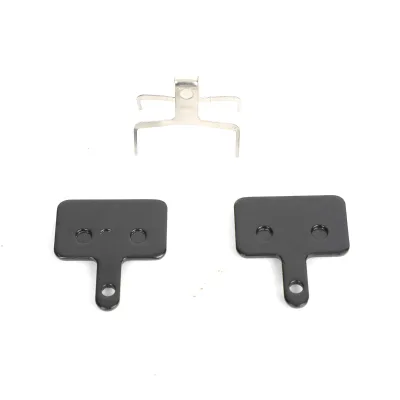
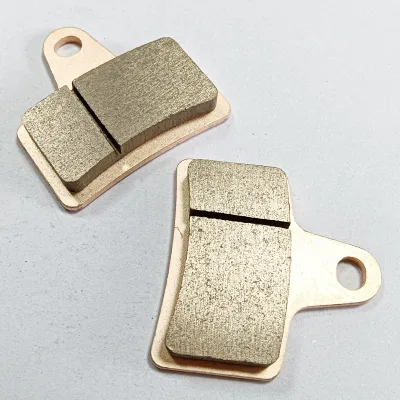
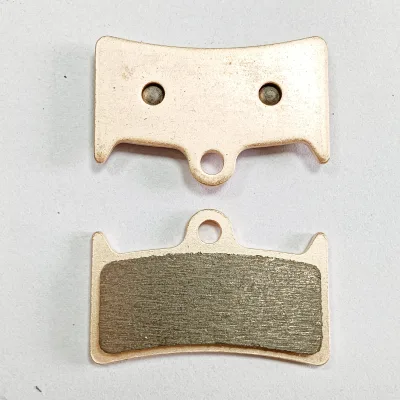
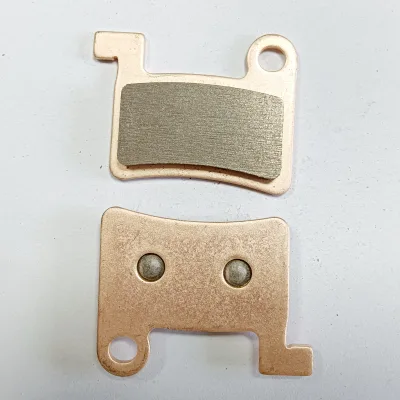


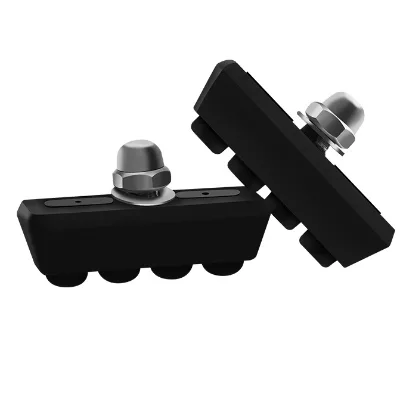
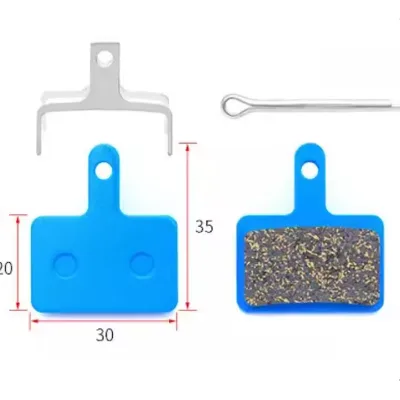
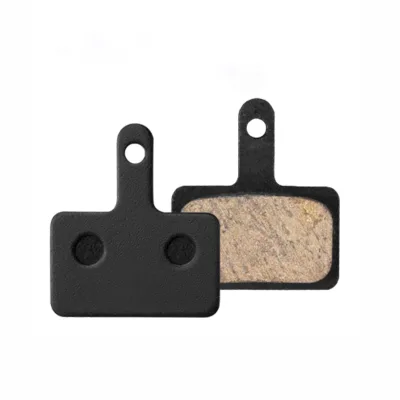
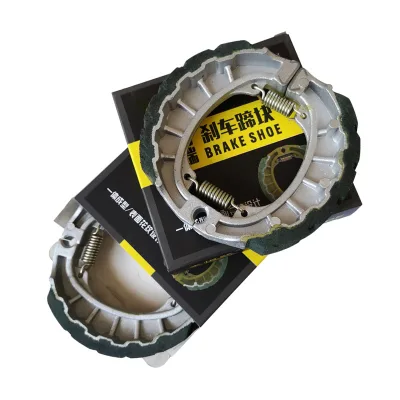
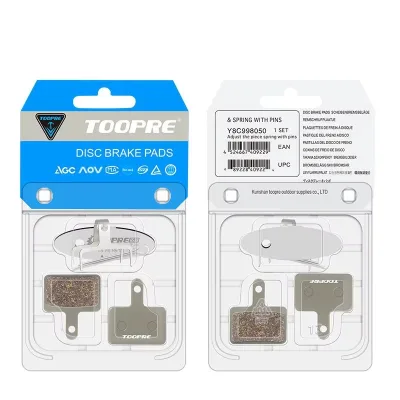
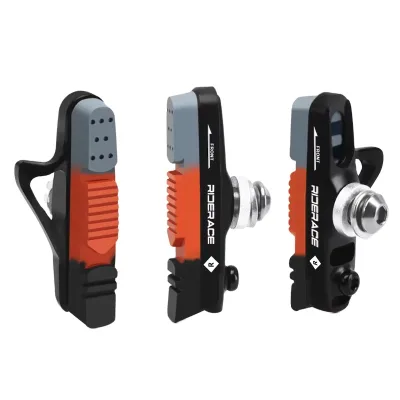
Good Quality Mountain Bike Brake Pads Heavy Duty Brake Pads Ekx Bike Brake Shoe Pads
$0.4099 - $0.5341
MOQ: 100 pieces
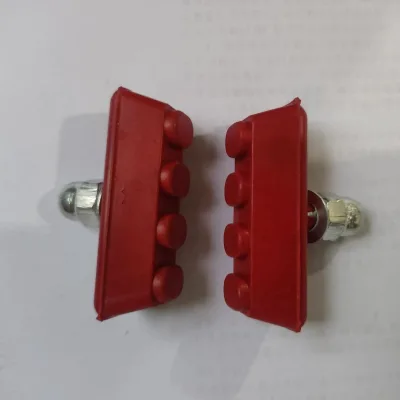
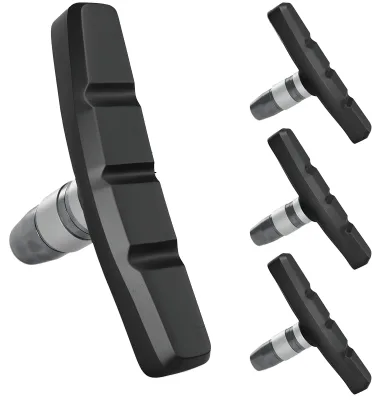


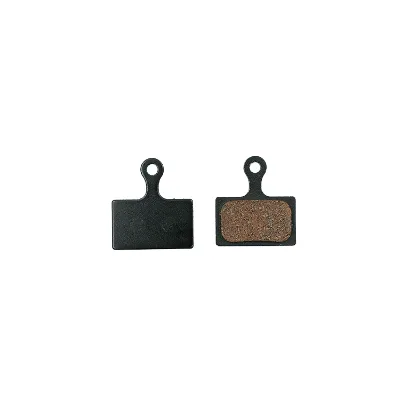
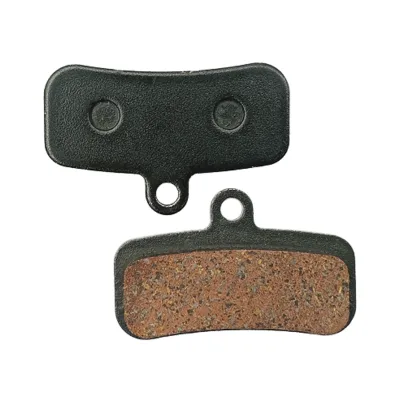
Comprehensive Sourcing Guide
Bicycle Brake Pads Sourcing Guide
Product Scope and Observed Listing Signals
The current market landscape for Bicycle Brake Pads reveals a diverse array of product types, primarily categorized by their braking mechanism and material composition. Listings indicate a strong presence of hydraulic disc brake pads, with specific models like the KYY brand offering copper sintering materials designed for durability. These pads are often marketed for mountain bikes and road bikes, emphasizing their suitability for high-performance applications where consistent stopping power is critical. Buyers should note that while some products are labeled as "Non-Customized," others explicitly offer customization options, suggesting a flexible supply chain that can accommodate specific OEM requirements or private labeling needs.
Observations also highlight variations in physical specifications, such as dimensions around 30x35mm and thicknesses of approximately 4mm, with weights recorded at roughly 30g per unit. The supply base appears concentrated in regions like Hebei and Guangdong in China, with some products originating from Xingtai. This geographic distribution suggests established manufacturing hubs for bicycle components. Additionally, the availability of free samples and a wide range of payment methods, including Trade Assurance and Western Union, indicates a market that is accessible to international buyers seeking to evaluate product quality before committing to larger orders.
Technical Specifications to Verify
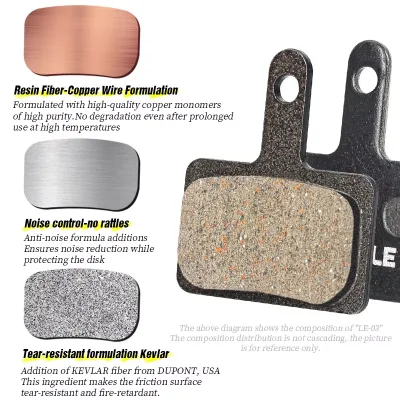
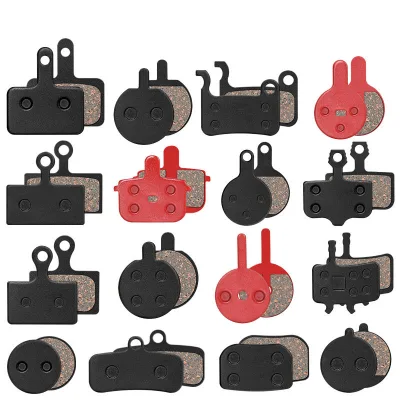
When evaluating technical specifications, buyers must prioritize the compatibility of the brake pad with the specific caliper system of their target bicycles. The listings mention various brake modes, including mechanical, hydraulic, and drum brakes, as well as working ways like V-Brake and disc brakes. It is essential to verify that the selected pads match the hydraulic disc brake systems commonly found on modern mountain and road bikes. The material composition, such as copper sintering, plays a crucial role in heat dissipation and wear resistance, so verifying the exact material grade is necessary to ensure long-term performance and safety under varying weather conditions.
Dimensional accuracy is another critical factor that requires strict verification. Specifications such as a size of 30x35mm and a thickness of about 4mm must be confirmed against the manufacturer’s technical drawings. Buyers should be aware that manual measurements may have an error margin of up to 0.5mm, which can impact fitment in precision-engineered calipers. Furthermore, the condition of the product is listed as "New," but buyers should request detailed photos or samples to assess the surface finish and structural integrity of the pads. Ensuring that the product model, such as TJ-PJ-140, aligns with the intended application is vital to avoid compatibility issues during installation.
Compliance and Safety Documentation
Compliance with international standards is a fundamental requirement for sourcing Bicycle Brake Pads, particularly for markets with strict safety regulations. The observed listings include certifications such as ISOCE, BSCI, and CE, which indicate adherence to specific quality and social compliance standards. Buyers should request valid certification documents to verify that the supplier maintains these credentials and that the products meet the necessary safety benchmarks for braking systems. The presence of these certifications suggests that the suppliers are committed to maintaining quality control processes, but buyers must independently validate the authenticity and scope of these certificates.
In addition to certifications, buyers should inquire about the quality assurance processes employed by the supplier. One listing mentions a "100% Test" quality claim, which implies a rigorous inspection protocol before dispatch. However, buyers should clarify the specific tests conducted, such as friction coefficient testing or wear resistance analysis, to ensure they align with industry best practices. The warranty period of one month is also a notable commercial term that provides some protection against defects, but buyers should negotiate for longer warranty periods or clear return policies for defective units to mitigate risk.
Cost Drivers and Commercial Terms
Cost structures for Bicycle Brake Pads are influenced by several factors, including material costs, production volume, and customization requirements. The observed price range of 0.12 to 7 USD suggests a wide variance based on product type and quality tier. Buyers should consider that copper sintering materials and specialized hydraulic disc brake pads may command higher prices due to their performance benefits. Additionally, the availability of customization services can impact the final cost, as OEM requirements often involve additional tooling or setup fees. Understanding these cost drivers is essential for budgeting and negotiating favorable terms with suppliers.
Commercial terms such as MOQ, lead time, and payment methods also play a significant role in the total cost of ownership. The observed MOQ range of 20 to 10,000 units offers flexibility for both small and large buyers, while a delivery time of 7-15 days indicates relatively quick turnaround capabilities. Buyers should evaluate the supply ability, which is listed as 2000 pieces per day for some suppliers, to ensure that the supplier can meet their volume requirements without delays. Payment options like TT, PayPal, and Trade Assurance provide security, but buyers should compare transaction fees and currency exchange rates to minimize financial overhead.
Supplier Qualification and Quality Control
Supplier qualification is a critical step in ensuring a reliable supply chain for Bicycle Brake Pads. Buyers should assess the supplier’s production capacity, quality management systems, and track record in the industry. The observation that products are packed in cartons or plastic bags indicates standard packaging practices, but buyers should verify that the packaging protects the pads from damage during transit. Additionally, the port of dispatch, such as Guangzhou, can impact logistics costs and delivery times, so buyers should consider the proximity of the supplier to their preferred shipping routes.
Quality control measures should be rigorously evaluated before placing orders. Buyers should request samples to test the fit, performance, and durability of the brake pads in real-world conditions. It is also advisable to conduct third-party inspections or audits of the supplier’s facilities to verify their quality control processes. The mention of a "1 Month" warranty suggests that the supplier stands behind their products, but buyers should establish clear protocols for handling defects or returns. Building a strong relationship with qualified suppliers can lead to better pricing, priority production, and improved support for future orders.
Long-Term Procurement Checks
Long-term procurement success depends on continuous monitoring of supplier performance and market trends. Buyers should regularly review supplier delivery times, product quality, and responsiveness to issues. The observed supply ability of 2000 pieces per day is a positive indicator, but buyers should verify that this capacity remains consistent during peak seasons. Additionally, staying informed about changes in certification requirements or industry standards is essential to ensure ongoing compliance. Buyers should also explore opportunities for deeper customization or co-development with suppliers to enhance product differentiation and competitiveness.
Finally, buyers should maintain a diversified supplier base to mitigate risks associated with single-source dependencies. Regularly evaluating alternative suppliers and comparing their offerings can help identify better value propositions or innovative solutions. The availability of free samples and OEM services provides opportunities to test new products or suppliers without significant upfront investment. By maintaining a proactive approach to supplier management and quality assurance, buyers can ensure a stable and efficient supply of Bicycle Brake Pads that meets their evolving business needs.
FAQs
What materials are used for Bicycle Brake Pads?
Bicycle Brake Pads are manufactured using aluminum alloy, steel, and copper sintering materials. These materials ensure durability and effective braking performance across various riding conditions. The specific material choice depends on the brake type, such as mechanical V-brakes or hydraulic disc brakes, allowing for tailored performance for mountain bikes, road bikes, and kids bikes.
Can I get custom Bicycle Brake Pads?
Yes, customization is available for Bicycle Brake Pads. Buyers can request non-customized standard sizes or specific customizations to meet unique requirements. The products support OEM services and are designed for replacement or repair purposes. This flexibility allows buyers to source pads that fit specific bicycle models, including ordinary bicycles, mountain bikes, and road bikes, ensuring a precise fit.
What certifications do the brake pads have?
The brake pads hold ISOCE, BSCI, and CE certifications. These certifications indicate compliance with international quality and safety standards. The products are in new condition and undergo 100% testing to ensure reliability. This certification suite provides buyers with confidence in the product's quality and safety, making them suitable for various bicycle applications including mountain and road bikes.
What is the lead time for delivery?
The delivery time for Bicycle Brake Pads is typically 7-15 days. This lead time applies to standard orders and can vary based on customization requirements. The supply ability is up to 2000 pieces per day, ensuring timely fulfillment for bulk orders. Buyers can rely on this timeframe for planning their inventory needs, with dispatch ports available in Guangzhou for efficient logistics.
What is the minimum order quantity?
The minimum order quantity ranges from 20 to 10,000 pieces. This flexible MOQ allows buyers to place small trial orders or large bulk purchases. The pricing varies within this range, starting from low-cost options. Buyers can choose from various packing methods, including plastic bags and cartons, to suit their logistical preferences and ensure safe transport of the brake pads.
Where are the brake pads manufactured?
The brake pads are manufactured in China, with specific origins in Hebei and Guangdong provinces. Xingtai in Hebei is a notable production location. This domestic manufacturing ensures competitive pricing and efficient supply chain management. Buyers can source directly from these regions, benefiting from established industrial clusters that specialize in bicycle components, including brake calipers, pads, and shoes.