Source Bike Lock Torsion Spring for Auto, Motorcycle, Furniture
Find and compare 30 Bike Lock Torsion Spring options from verified Chinese manufacturers. Buyers can evaluate customized load capacities, steel materials, and cold roll processes for industrial, automotive, and furniture applications.
Key considerations
Products List




Comprehensive Sourcing Guide
Strategic Sourcing Guide for Bike Lock Torsion Springs
Understanding Product Attributes and Technical Specifications
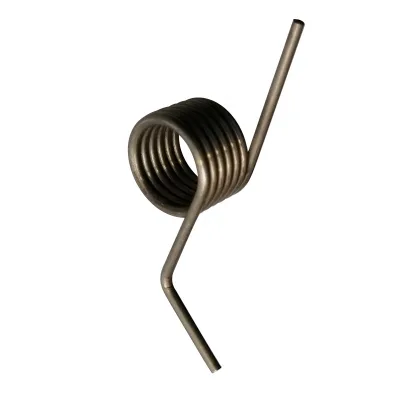
When sourcing components described as bike lock torsion springs, buyers must first navigate a complex landscape of product attributes that often blend general spring manufacturing data with specific lock hardware requirements. The supplied product data indicates a diverse inventory where "TORSION" is explicitly listed as a load type, alongside "Compression" and "Pressed" functions. This suggests that the available supply chain offers versatile spring solutions capable of handling various mechanical stresses, which is critical for the locking mechanisms found in bicycle security hardware. The material composition is consistently identified as "Steel" and "Carbon Steel," providing the necessary tensile strength and fatigue resistance required for repeated locking and unlocking cycles.
The physical geometry of these components varies significantly within the catalog. While some entries specify a "Cylinder" shape, others reference specific model numbers such as SL7010B, SL7794, SL4027, SL5610C, SL1003, and SL5622D. These model identifiers often correlate with specific dimensional standards found in the data, such as "100 x110x120," "4x800mm," "5X1000mm," "12X700mm," "10X1000mm," and "7x800mm." Buyers must recognize that these figures likely represent standard packaging dimensions or specific product configurations rather than the spring wire gauge itself, which is listed as "Customized." The production process is noted as "Cold Roll," a standard manufacturing technique that enhances the mechanical properties of the steel by work-hardening the material during the forming process. Surface finishes are also variable, with "Spray-Paint" and "Black" or "Blue" color options available, which may be relevant for aesthetic matching or corrosion resistance in outdoor environments.
Compliance, Certification, and Standard Verification
A critical aspect of sourcing industrial and automotive-grade springs involves verifying compliance with relevant standards and certifications. The provided data lists specific product standards, including "100 x110x120," "4x800mm," "5X1000mm," "12X700mm," "10X1000mm," and "7x800mm." It is essential for buyers to understand that these entries appear to function as internal or supplier-specific standard codes rather than universally recognized international standards like ISO or ASTM. Consequently, procurement teams should not assume these codes imply compliance with specific safety or performance regulations without direct verification from the supplier.
For bike lock applications, the mechanical integrity of the torsion spring is paramount. The data mentions "Ultra B Class" for theft-proof performance in the context of lock cores, which hints at the security level of the locking mechanism the spring supports. However, this attribute is associated with the lock core rather than the spring itself. Buyers must verify if the spring manufacturer holds certifications for their specific steel grades and cold-rolling processes. The origin of the products is listed as "China" and specifically "Wenzhou, China," a major manufacturing hub. While this location indicates a robust supply chain, it necessitates rigorous due diligence regarding export compliance, intellectual property rights, and adherence to the destination country's import regulations.
Furthermore, the data includes references to "OEM: Yes," indicating that suppliers are capable of producing custom-branded goods. This is a positive indicator for buyers seeking private-label solutions, but it requires clear contractual agreements to ensure that the OEM branding does not infringe on existing trademarks. The "Customized" status of the wire gauge and load capacity suggests that standard compliance checks may need to be supplemented with custom engineering validation to ensure the spring meets the specific torque requirements of the bike lock design.
Cost Drivers and Pricing Dynamics
The economic landscape for sourcing torsion springs is influenced by several distinct factors visible in the product data. The observed price range in USD is listed as 0.01 to 10, a wide spectrum that reflects the diversity of the product offerings, from small, simple components to larger, more complex assemblies. This range implies that the unit cost is highly dependent on the specific model, material volume, and customization level. The "Customized" nature of the wire gauge and load capacity means that standard off-the-shelf items will likely fall at the lower end of this price range, while bespoke engineering solutions will command higher prices.
Minimum Order Quantity (MOQ) is another significant cost driver. The observed MOQ range spans from 1 to 10,000,000 units. This vast disparity allows for flexibility in procurement strategies. Small buyers or those prototyping new designs can source small quantities with an MOQ as low as 1, facilitating low-risk testing. Conversely, large-scale manufacturers can leverage the high-volume capacity to negotiate better unit economics, though they must be prepared to commit to substantial order volumes. The "Customization: Available" attribute further complicates cost structures; custom tooling and setup fees may apply, which can increase the initial cost per unit even if the long-term volume price is competitive.
Packaging also plays a role in the total landed cost. The data lists various packing methods, including "Carton Pallet," "Carton," "Box," and "Bound Card." The choice of packaging affects shipping efficiency and potential damage during transit. For instance, "Carton Pallet" suggests bulk shipping for large orders, which is cost-effective for high-volume logistics but may be unnecessary for smaller purchases. Buyers should calculate the total cost of ownership, including packaging, shipping, and handling, rather than focusing solely on the unit price. The "Cold Roll" production process, while standard, may incur energy and labor costs that are factored into the final price, particularly if the order requires tight tolerances or specific surface finishes like "Spray-Paint."
Typical Applications and Functional Integration
The versatility of the torsion springs described in the data allows for integration into a wide array of applications beyond just bicycle locks. The "Usage" field explicitly lists "Industrial, Furniture, Auto, Motorcycle," indicating that these components are multi-purpose. In the context of the core keyword "Bike Lock Torsion Spring," the primary application is within the locking mechanism of bicycle security devices. The "TORSION" load type is ideal for providing the return force necessary to retract a locking pin or bolt after the lock is disengaged.
However, the data also references specific automotive and motorcycle components, such as "Spring Type: Coil Spring," "Position: Rear," and "Part: Bumper/Buffer." This suggests that the same manufacturing facility may produce springs for vehicle suspension or impact absorption systems. For a buyer sourcing bike lock springs, this cross-application capability is a double-edged sword. On one hand, it indicates a supplier with robust engineering capabilities and experience in high-stress environments. On the other hand, it requires careful selection to ensure the specific spring intended for the bike lock is not confused with a suspension component. The "Structure: Single Cylinder" and "Damping Force Direction: Single Effect" attributes, while likely referring to shock absorbers or hydraulic dampers in the catalog, highlight the complexity of the supplier's product line. Buyers must ensure that the torsion spring selected is distinct from these hydraulic or damping components to avoid functional mismatches.
The "Door Lock Part: Lock" and "Lock Core Type: Copper" or "Zinc Alloy" attributes further illustrate the supplier's involvement in security hardware. A torsion spring in a bike lock often works in tandem with a lock core or a cam mechanism. The compatibility between the spring's torque output and the lock core's resistance is critical. If the spring is too weak, the lock may not reset properly; if too strong, it may damage the lock mechanism or make it difficult to operate. The "Key: Brass" attribute suggests that the locking mechanism may involve brass keys, which implies a need for a spring that can withstand the friction and wear associated with repeated key insertions and turns.
Supplier Evaluation and Origin Considerations
Evaluating suppliers for torsion springs requires a focus on their manufacturing capabilities, geographic location, and ability to meet customization needs. The data identifies the product origin as "China" and specifically "Wenzhou, China." Wenzhou is renowned for its manufacturing ecosystem, particularly in hardware and small mechanical components. This location suggests a mature supply chain with access to raw materials and specialized machinery. However, buyers should verify the specific factory's capacity to handle the "Customized" wire gauges and load capacities mentioned. The presence of "OEM: Yes" confirms that the supplier is willing to work with private labels, which is essential for buyers building their own brand.
The brand "Naibao" is listed in the data, but buyers should not assume this is the only brand available or that it represents the manufacturer's identity. In many B2B contexts, the brand listed may be a trading company or a specific product line rather than the factory name. It is crucial to conduct a supplier audit to confirm the actual manufacturing entity. The "Fabric Cover: Polyester" attribute is unusual for a metal spring and may indicate that the supplier offers assembled products or protective packaging that includes fabric components. This could be relevant for buyers looking for complete locking assemblies rather than just the raw spring component.
When evaluating the supplier, buyers should request samples to verify the "Cold Roll" process quality and the consistency of the "Spray-Paint" finish. The "Black" and "Blue" color options suggest a capability for aesthetic customization, which can be a differentiator in the market. Additionally, the "Customization: Available" flag means the supplier can adapt to specific design requirements, but this requires clear communication of technical drawings and performance expectations. Buyers should also assess the supplier's quality control processes, particularly given the wide range of MOQs and the potential for high-volume production.
Quality Control and Long-Term Procurement Strategy
Ensuring consistent quality in torsion springs is vital for the reliability of bike locks. The "Customized" nature of the wire gauge and load capacity means that standard quality checks may not be sufficient. Buyers should implement a rigorous quality control plan that includes dimensional inspections, material verification, and performance testing. The "Standard" values listed in the data, such as "100 x110x120" or "4x800mm," should be treated as reference points for packaging or specific product configurations rather than definitive quality metrics. Instead, buyers should define their own acceptance criteria based on the functional requirements of the bike lock.
Long-term procurement considerations involve building a sustainable relationship with the supplier. The wide MOQ range (1 to 10,000,000) offers flexibility, but buyers should aim to stabilize their order volumes to secure better pricing and priority production slots. The "Carton Pallet" and "Box" packing options suggest that the supplier can accommodate different shipping needs, but buyers should standardize packaging to reduce logistics costs. The "Production Process: Cold Roll" is a stable and reliable method, but buyers should monitor for any changes in raw material sourcing or process parameters that could affect the spring's mechanical properties.
Finally, buyers should consider the "OEM" capability as a strategic advantage. By working with a supplier that offers OEM services, buyers can protect their intellectual property and build a unique market position. However, this requires clear legal agreements regarding design ownership and confidentiality. The "Customized" attributes also imply that the buyer may need to invest in tooling or engineering support to optimize the spring design for their specific application. By combining technical due diligence, supplier evaluation, and a strategic approach to quality control, buyers can successfully source high-quality torsion springs for bike lock applications.
FAQs
What material is used for bike lock torsion springs?
The springs are manufactured from Steel and Carbon Steel to ensure high tensile strength. This material choice provides the necessary fatigue resistance for repeated locking cycles in industrial and automotive applications.
Can the wire gauge and load capacity be customized?
Yes, both the wire gauge and load capacity are listed as customized options for buyers. This flexibility allows suppliers to tailor the spring specifications to meet specific torque requirements for different bike lock designs.
Which production process is used for these springs?
The springs are produced using a Cold Roll process to enhance mechanical properties. This technique work-hardens the steel during forming, ensuring durability for use in furniture, auto, and motorcycle sectors.
What is the origin location for these products?
The products originate from China, with specific manufacturing hubs noted in Wenzhou. This location indicates a robust supply chain capable of handling both standard and customized orders for global markets.
How are the springs packaged for shipment?
Packaging options include Carton Pallet, Carton, Box, and Bound Card depending on the order size. Bulk shipments often utilize Carton Pallets for efficiency, while smaller orders may use individual Cartons or Boxes.
What is the typical price range for these components?
The observed price range spans from 0.01 to 10 USD per unit. This wide spectrum reflects differences in model complexity, material volume, and the level of customization required for specific applications.