Source Black HDPE Thank You Bags for Shopping, Promotion, and Packing
Compare 30 listings for Black HDPE Thank You Bags suitable for shopping, promotion, and packing. Buyers can evaluate customization options, material types like LDPE and PE, and varying weight limits from under 5 kg to 10 kg across suppliers in China.
Key considerations
Products List

Wholesale Eco Friendly Shopping Plastic Carrier Bag Carry Bag Thank You Bag
$0.19 - $0.25
MOQ: 500 Pieces


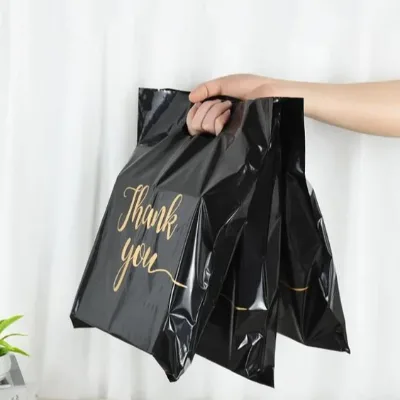


Plastic Bag Wholesale Transparent Plastic Bag Packaging Thank You Plastic Bag
$1350.00 - $1900.00
MOQ: 1 Tons

Customized Printed Thank You Vest Carrier T-Shirt Bag Plastic Shopping Bags
$1200.00 - $1500.00
MOQ: 1 Tons


Custom Logo Printed Reusable Thank You Plastic Shopping Bag with Die Cut Handle
$1350.00 - $1900.00
MOQ: 1 Tons


$1500.00 - $1800.00
MOQ: 3 Tons
Comprehensive Sourcing Guide
Strategic Sourcing Guide for Black HDPE Thank You Bags
Procuring black high-density polyethylene (HDPE) thank you bags requires a nuanced understanding of material properties, manufacturing capabilities, and supply chain logistics. While the core keyword suggests a specific color and polymer type, the actual market landscape often presents a spectrum of polyethylene variants, including Low-Density Polyethylene (LDPE) and Polypropylene (PP), alongside various bag styles such as straight bags, vest bags, and T-shirt bags. This guide synthesizes observed market data and technical specifications to help buyers navigate the selection process without relying on unverified claims. The primary objective is to identify suppliers who can deliver functional, compliant, and cost-effective packaging solutions tailored to retail, promotional, and household applications.
Material Composition and Technical Specifications
The foundation of any successful procurement strategy lies in verifying the exact material composition. Although the search term specifies "HDPE," observed product attributes in the current market frequently list "LDPE" and general "PE" (Polyethylene) as the primary plastic types. This distinction is critical because HDPE offers higher tensile strength and stiffness, making it suitable for heavier loads, whereas LDPE provides greater flexibility and clarity. Buyers must explicitly confirm whether the supplier can source true HDPE or if they are proposing LDPE as a cost-effective alternative.
Observed technical specifications reveal a wide range of thickness options, with specific listings noting a thickness of 12 microns. However, other entries indicate that thickness is "Customized," allowing for adjustments based on the intended load capacity. The weight limit for these bags varies significantly across listings, with some products rated for under 5 kg and others capable of handling 5-10 kg. This variance suggests that the "black" coloration and "thank you" branding are often applied to bags with varying structural integrity.
Transparency is another key attribute to consider. While the keyword implies an opaque black finish, some observed products are described as "Translucent." For thank you bags, opacity is generally preferred to protect the contents from light and to provide a premium, solid appearance. The shape of the bags also varies, with options including "Straight Bags," "Vest Bags," and "T-Shirt Bags." The choice of shape directly impacts the user experience and the bag's utility for specific applications like shopping or gifting.
Customization Capabilities and Branding Options
Customization is a dominant feature in the black HDPE thank you bag market. Almost all observed product attributes confirm that customization is available, allowing buyers to tailor the product to their specific brand identity. The most common customization involves logo printing, which is listed as "With Logo Printing" or "Can Be Customized." The printing process observed in the market includes "Heat Transfer," though other methods like flexography or rotogravure are industry standards that buyers should inquire about.
The standard for customization often extends beyond just the logo. Product standards are frequently listed as "Customized," indicating that dimensions, such as the 205x330+30 mm or 23x33 cm sizes observed in listings, can be adjusted. Packaging details also offer flexibility, with options ranging from "1PC/Polybag" to "Standard Export Carton" or "PP Woven Bags." For bulk orders, the packaging method is crucial for logistics efficiency. Some suppliers offer "on Roll" or "Flat Packed in Carton" options, which can significantly reduce shipping volume and costs.
Buyers should verify the specific model numbers associated with their custom requirements. Observed models like UC635, YD-DCB01, YD-PSB01, and SLM-093008 represent different configurations of the same core product. These model numbers often correspond to specific combinations of size, thickness, and printing setup. When requesting a quote, referencing these models can help streamline communication, but buyers must ensure the supplier confirms that the specific model meets their exact customization needs.
Compliance, Certifications, and Environmental Considerations
In the modern procurement landscape, compliance and environmental impact are non-negotiable factors. The observed product attributes highlight a growing trend toward eco-friendly materials. Specific listings mention "Biodegradable" and "Biogradable and PE" as raw materials, alongside standard "PE" and "Polypropylene Plastic Bag" options. This indicates that suppliers are increasingly offering sustainable alternatives to traditional plastic bags. Buyers seeking to align with corporate sustainability goals should prioritize suppliers who can provide documentation for biodegradable or recyclable claims.
Certifications play a vital role in validating these environmental and safety claims. The market data lists "SGS" and "TUV" as observed certifications. These are third-party verification bodies that test for quality, safety, and environmental compliance. However, the list includes "etc," suggesting that other certifications may be available depending on the supplier's specific capabilities and the target market's regulatory requirements. Buyers must request current certification documents rather than relying on general statements.
Regarding safety and usage, observed attributes indicate that these bags are suitable for "Food," "Shopping," "Promotion," "Packing," "Gift," and "Household" applications. The "Food" application is particularly sensitive; if the bags are intended for direct food contact, buyers must verify that the materials meet relevant food safety standards, such as FDA regulations in the US or EU Framework Regulations. The "Disposable" feature noted in some listings suggests single-use applications, which may conflict with sustainability goals unless the material is certified as compostable or biodegradable.
Cost Drivers and Pricing Dynamics
Understanding the cost drivers for Black HDPE Thank You Bags is essential for budgeting and negotiation. The observed price range in the market is vast, spanning from $0.01 to $2571. This extreme variance is likely due to differences in order volume, customization complexity, and material quality. The lower end of the spectrum typically represents bulk orders of standard, non-customized bags, while the higher end may reflect small batches of highly customized, premium-quality bags or complete packaging solutions.
Minimum Order Quantity (MOQ) is another significant cost driver. The observed MOQ range is 1 to 300,000 units. Some suppliers offer an MOQ of just 2 tons, which can be a barrier for small businesses but manageable for larger enterprises. The "Free Sample" policy is also a common feature, with some suppliers offering free samples for stock items, while others may charge for custom samples. Buyers should leverage the free sample policy to test quality before committing to a large order.
Other cost factors include the "Single Gross Weight" and "Single Package Size." Observed data shows a single gross weight of 0.050 kg and a package size of 20x10x5 cm. These dimensions influence shipping costs, especially for international orders from China, which is the primary origin for the observed products. Buyers should calculate the total landed cost, including freight, duties, and insurance, rather than focusing solely on the unit price.
Supplier Evaluation and Quality Control
Evaluating suppliers requires a systematic approach to ensure reliability and product consistency. The origin of the products is consistently listed as "China," which is a major manufacturing hub for plastic packaging. Buyers should verify the supplier's production capacity and lead times, although specific lead time data is not provided in the observed attributes. The "Making Process" is described as "Plastic Packaging Bags," which is a general term; buyers should request details on the extrusion, printing, and sealing processes to ensure quality control.
Quality control should be a priority at every stage of the procurement process. Buyers should verify the "Hardness" of the bags, with observed attributes indicating a "Soft" texture. This is typical for plastic bags but must be balanced against the required "Weight Limit." A bag that is too soft may tear under the weight of heavy items, while one that is too hard may be difficult to fold and distribute.
When evaluating suppliers, buyers should look for those who offer "Customized" standards and packaging details. The ability to adapt to specific requirements is a strong indicator of a supplier's flexibility and expertise. Additionally, the "Bag Variety" being "Customizable" suggests that suppliers can produce different styles, such as T-shirt bags or vest bags, to meet diverse needs. Buyers should request a portfolio of previous work to assess the quality of printing and the durability of the bags.
Long-Term Procurement and Strategic Sourcing
Long-term procurement of Black HDPE Thank You Bags involves more than just securing a one-time order. It requires building a relationship with a supplier who can scale with the buyer's business. The "Feature: Recyclable" and "Feature: Biodegradable" attributes indicate a shift in market demand toward sustainable packaging. Buyers should plan for a transition to more eco-friendly materials as regulations tighten and consumer preferences evolve.
Strategic sourcing also involves managing inventory and logistics. The "Packaging Details" listed as "Standard Export Carton, PP Woven Bags or Custom" offer flexibility in storage and transport. Buyers should consider the storage space required for flat-packed bags versus rolled bags and plan accordingly. The "Single Package Size" of 20x10x5 cm is compact, but for large orders, this can add up quickly.
Finally, buyers should maintain a clear communication channel with their suppliers regarding any changes in specifications or standards. The "Standard" for the products is often "Customized," meaning that the specifications can change from order to order. Regular quality audits and performance reviews will help ensure that the supplier continues to meet the buyer's expectations over time. By focusing on these long-term considerations, buyers can secure a reliable supply chain that supports their business growth and sustainability goals.
Comparative Analysis of Bag Types and Applications
To assist buyers in making informed decisions, the following table compares the observed bag types and their typical applications based on the provided data. This comparison highlights the versatility of the products and helps align the selection with specific use cases.
| Bag Type | Typical Material | Key Features | Primary Applications |
|---|---|---|---|
| Straight Bags | LDPE, PE | Soft, Translucent, Customizable | Shopping, Promotion, Packing |
| Vest Bag | PE, Biodegradable | Disposable, Logo Printing, Customizable | Household, Promotion, Shopping |
| T-Shirt Bag | Biodegradable, PE | Recyclable, Customizable, Heat Transfer | Shopping, Gift, Household |
| Custom Bags | Polypropylene, PE | Customized Standard, High Weight Limit | Food, Promotion, Gift |
This table illustrates that while the core material is often polyethylene, the specific type (LDPE vs. HDPE vs. PP) and the bag style (Straight, Vest, T-Shirt) determine the optimal application. Buyers should select the bag type that best matches their intended use, considering factors like durability, print quality, and environmental impact. By carefully evaluating these attributes, buyers can ensure they procure the right Black HDPE Thank You Bags for their specific needs.
FAQs
What materials are used for Black HDPE Thank You Bags?
These bags are typically made from LDPE, PE, or Polypropylene, though HDPE is the target material. Some options include biodegradable and PE blends, while others are standard plastic. Buyers must confirm the exact polymer type as listings vary between LDPE and general PE.
Can I customize the logo and size of these bags?
Yes, customization is available for both logo printing and product dimensions. Buyers can request specific sizes like 205x330+30 mm or 23x33 cm with heat transfer printing. The standard is often customized to meet specific branding and functional requirements.
What is the weight limit for these plastic shopping bags?
Weight limits vary by product, with some rated under 5 kg and others capable of handling 5-10 kg. The hardness is generally soft, which affects load capacity. Buyers should verify the specific weight limit for the chosen model to ensure it meets their needs.
Are these bags suitable for food applications?
Yes, observed attributes indicate suitability for food, shopping, and household use. However, buyers must verify food safety compliance as materials range from standard PE to biodegradable options. Direct food contact requires specific safety certifications beyond general recyclability.
What certifications do these manufacturers typically hold?
Common certifications include SGS and TUV, which verify quality and safety standards. Some products also feature biodegradable claims requiring third-party validation. Buyers should request current certification documents to ensure compliance with target market regulations.
How much is the minimum order quantity for these bags?
MOQs range widely from 1 unit to 300,000 units, with some suppliers requiring 2 tons. Pricing also varies significantly, from $0.01 to $2571 depending on volume. Buyers should check specific supplier terms as stock items may have lower thresholds.
What are the packaging details for shipping these bags?
Packaging options include standard export cartons, PP woven bags, or flat packing on rolls. Individual units may be packed in polybags with dimensions around 20x10x5 cm. This flexibility helps optimize shipping volume and storage for bulk orders.