Source Blue Plastic Submersible Pump for Water Supply, Irrigation, and Drainage
Explore 30 listings for the Blue Plastic Submersible Pump, featuring electric and pneumatic options with gear and centrifugal structures. Compare models like QDX and SPA series, available from Taizhou and Hebei suppliers with CE and ISO certifications for diverse industrial applications.
Key considerations
Products List


$199.00 - $2999.00
MOQ: 1 Pieces



Comprehensive Sourcing Guide
Blue Plastic Submersible Pump Sourcing Guide
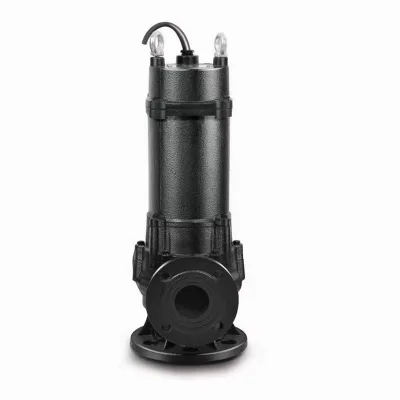
Procuring blue plastic submersible pumps requires distinguishing between specific hydraulic architectures, as the market lists diverse configurations ranging from centrifugal and gear pumps to jet pump types. Buyers must verify the power source, which appears in listings as electric, pneumatic, or hydraulic, to ensure compatibility with the intended site infrastructure. The observed product models, such as the QDX series and SPA variants, indicate a wide spectrum of capacities, necessitating a precise match between the pump's theoretical design and the actual fluid dynamics required for the application.
The physical construction often involves single-stage structures with vertical shaft positioning, which influences the mounting height and suction efficiency. While the casing material is frequently cast iron in heavy-duty contexts, the blue plastic designation suggests specific corrosion-resistant applications for lighter loads or chemical handling. Sourcing teams should scrutinize the impeller type, noting that open impellers are common in these listings, and confirm whether the single-suction design aligns with the required flow rates, which can vary significantly from 90 liters per minute to thousands of cubic meters per hour.
Product Scope and Observed Listing Signals
The observed market signals reveal a broad price range from 1.55 to 2999 USD, reflecting the disparity between small domestic units and large industrial systems. Minimum order quantities fluctuate between one and 5000 units, allowing flexibility for both pilot projects and bulk infrastructure deployments. Buyers should note that specific models like the QDX1.5-32-0.75 or HS2.4 are explicitly listed, serving as concrete reference points for capacity and power ratings, while other entries may lack specific model numbers, requiring direct supplier clarification.
Listing attributes indicate that customization is available, enabling buyers to tailor features such as voltage, frequency, and mounting configurations to local grid standards. The color palette typically includes green, black, and grey, though blue remains a distinct identifier for certain plastic variants. Packaging standards vary from standard cartons to export-grade wooden boxes, a critical factor for logistics planning. Procurement teams must verify the specific model code against the required flow and head specifications, as the same brand may offer vastly different performance profiles across its product line.
Technical Specifications to Verify
Technical verification must begin with the power rating, which spans from 0.25kW to 1.1kW for smaller units and extends to higher capacities for industrial models. The voltage and frequency requirements are critical, with listings specifying 380V-480V and 50Hz or 60Hz compatibility. Buyers should confirm the driving type, as options include motor, diesel, or hydraulic drives, each presenting distinct operational constraints and maintenance profiles. Ensuring the pump matches the site's electrical infrastructure prevents costly retrofits and operational downtime.
Flow rate and head pressure are equally vital, with observed ranges extending from 7 to 3000 cubic meters per hour and heads reaching up to 45 meters or exceeding 150 meters for high-pressure variants. The working pressure classification, often labeled as high pressure, dictates the material integrity required for the casing and seals. Buyers must cross-reference the impeller design, such as single-suction or open types, with the fluid viscosity and particulate content. Verifying the tooth curve, such as cycloid or herringbone, is essential for gear pump applications to ensure smooth operation and longevity under load.
Compliance and Safety Documentation
Compliance verification is paramount, as the supply chain lists multiple certifications including CE, ISO9001, SGS, TUV, and ISO. Some suppliers provide more extensive documentation, citing PEI, IFSF, ATEX, UL, and OIML standards, which are crucial for hazardous environments or specialized industrial sectors. Buyers must request current certificates for the specific model being purchased, as certification status can vary between product lines and manufacturing batches. Relying on general brand claims without verifying the specific unit's documentation poses a significant regulatory risk.
Safety standards also encompass material safety and environmental regulations, though specific claims regarding RoHS or REACH should be treated as background information rather than guaranteed attributes. The origin of the product, often listed as Taizhou or Hebei in China, influences the regulatory framework applied during manufacturing. Procurement teams should ensure that the supplier can provide a Declaration of Conformity that explicitly links the product model to the cited standards. This documentation is essential for customs clearance and for meeting the safety requirements of the end-user's jurisdiction.
Cost Drivers and Commercial Terms
Cost drivers in this sector are heavily influenced by the power rating, material composition, and the complexity of the pump structure. Higher head pressures and larger flow rates naturally command premium pricing, as seen in the wide observed range of 1.55 to 2999 USD. The inclusion of advanced features like customization or specific drive types, such as diesel or hydraulic, further impacts the final unit cost. Buyers should analyze the total cost of ownership, considering that lower initial prices may correlate with reduced durability or higher maintenance requirements over time.
Commercial terms regarding minimum order quantities and packaging are equally significant for budget planning. The MOQ range of 1 to 5000 units allows for strategic purchasing, but bulk orders often unlock better pricing tiers. Packaging options, ranging from standard cartons to export wooden boxes, add to the logistical cost and must be factored into the total landed cost. Lead times and payment terms are not explicitly defined in the provided data, so buyers must negotiate these details directly with the supplier to ensure alignment with project schedules and cash flow requirements.
Supplier Qualification and Quality Control
Supplier qualification should focus on the manufacturing location and the robustness of their quality management systems. The observed origins in Taizhou and Hebei suggest established industrial hubs, but buyers must verify the specific factory's capacity and history. The presence of ISO9001 certification is a baseline indicator, but the depth of the quality control process, including incoming material inspection and final testing, requires direct inquiry. Trusting the brand alone is insufficient; the specific production line and its adherence to the cited standards must be validated.
Quality control checks should include a review of the product's structural integrity, such as the vertical joint surface of the pump casing and the mounting height specifications. Buyers should request test reports that confirm the flow rate and head pressure match the advertised specifications, particularly for high-pressure models. The consistency of the tooth curve in gear pumps and the durability of the impeller in centrifugal models are key performance indicators. Establishing a clear protocol for pre-shipment inspections ensures that the delivered units meet the rigorous technical and safety standards required for reliable operation.
Long-Term Procurement Checks
Long-term procurement success depends on establishing a reliable supply chain that can support ongoing maintenance and spare parts availability. Buyers should verify the supplier's ability to provide consistent model numbers, such as the QDX or SPA series, over extended periods. The availability of replacement parts, including impellers and seals, is critical for minimizing downtime. A supplier that offers customization should also demonstrate the flexibility to adapt to future technical requirements or regulatory changes without disrupting the supply flow.
Performance monitoring over time is essential to validate the initial selection criteria. Buyers should track the actual flow rates, head pressures, and power consumption against the theoretical specifications provided in the initial listing. Any deviation from the expected performance may indicate quality inconsistencies or design flaws that require immediate supplier engagement. Regular audits of the supplier's quality control processes and certification renewals ensure that the long-term partnership remains compliant with evolving industry standards and safety regulations.
FAQs
What power options are available for blue plastic submersible pumps?
Electric power is the standard option for these pumps, with models ranging from 0.25kw to 1.1kw. Some variants also support hydraulic or pneumatic driving types. The electric versions typically operate at 380V-480V and support both 50Hz and 60Hz frequencies, ensuring compatibility with various industrial power grids and global electrical standards.
Which certifications do these pumps typically hold?
Manufacturers often provide CE, SGS, TUV, and ISO9001 certifications for their pump lines. Additional certifications may include ISO, PEI, Atex, and UL depending on the specific model and application requirements. These standards ensure the products meet international safety and quality benchmarks for industrial and commercial use cases.
Can I customize the specifications for my project?
Yes, customization is available for many pump models to suit specific operational needs. Buyers can often select from various flow rates, heads, and structural designs like gear or single-stage configurations. This flexibility allows for tailored solutions that align with precise engineering requirements and site-specific installation constraints.
What is the typical packaging method for these pumps?
Pumps are commonly packed in standard cartons or export-standard wooden boxes for safe transit. The packaging is designed to protect the equipment during shipping and handling. This ensures that the pumps arrive in optimal condition, ready for immediate installation without suffering damage from moisture or physical impact during logistics.
Where are these pumps typically manufactured?
These pumps are primarily manufactured in China, with key production hubs located in Taizhou and Hebei. These regions are known for their robust manufacturing infrastructure and supply chain efficiency. Buyers can expect consistent production capabilities and access to a wide variety of pump models from these established industrial centers.
What flow rates and heads are available?
Available flow rates range from 7 to 3000 cubic meters per hour, with heads spanning 8 to 45 meters. Some high-pressure models can exceed 150 meters of head. These specifications cater to diverse applications, from low-flow domestic uses to high-capacity industrial processes requiring significant pressure and volume.