Source Bluetooth Mini LED Downlights for Offices, Retail, and Homes
Explore 30 listings for Bluetooth Mini LED Downlights featuring dimmable options, various wattages, and modern designs. Buyers can compare specifications like IP ratings, color temperatures, and installation styles to find suitable commercial and residential lighting solutions; compare the available evidence and request quotations based on your requirements.
Updated
Key considerations
Products List
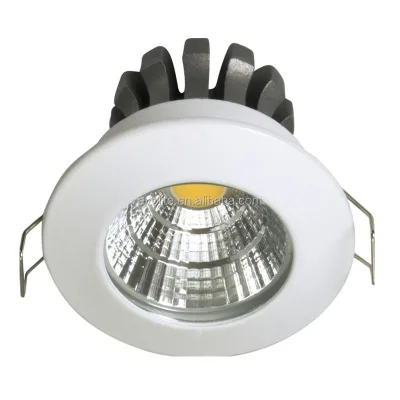

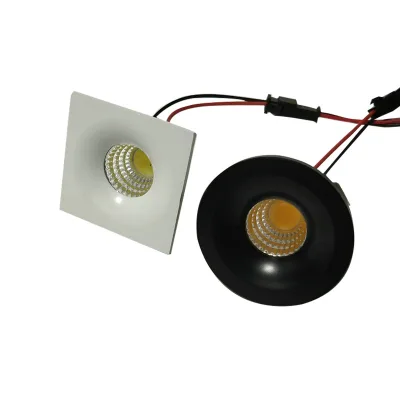
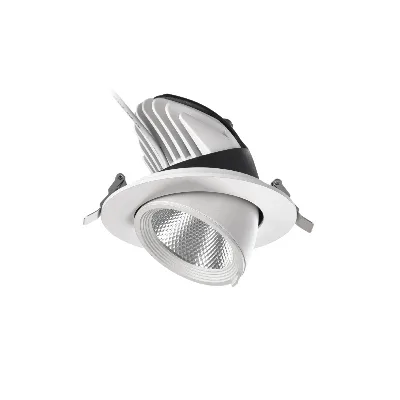


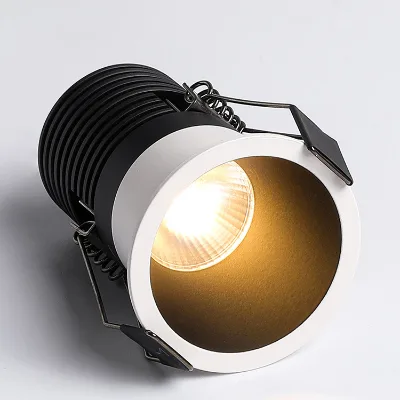




Comprehensive Sourcing Guide
Bluetooth Mini LED Downlights Sourcing Guide
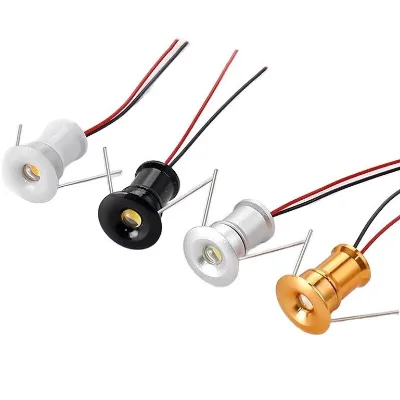
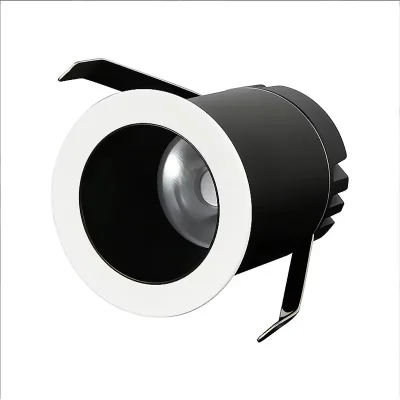
Sourcing Bluetooth-enabled mini LED downlights requires a careful distinction between the core lighting hardware and the smart control ecosystem. The supplied product data indicates a strong presence of standard dimmable LED downlights and mini spot lights, primarily manufactured in Guangdong, China. These units typically feature aluminum bodies, modern design styles, and support for various power inputs including AC100-240V and DC12V. Buyers must recognize that while "Bluetooth" is the core keyword, the explicit product listings provided focus heavily on traditional dimmable features, surface-mounted, and recessed installation styles rather than explicit wireless connectivity protocols. Therefore, the initial sourcing strategy must prioritize verifying the specific communication module integration, as the base hardware specifications for light output, color temperature, and beam angle are well-documented in the available data.
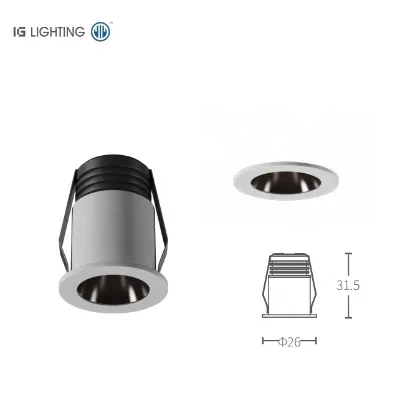
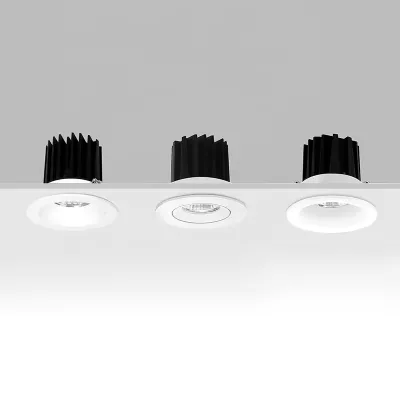
The observed market signals suggest a diverse range of form factors, from 20x25mm mini spots to larger 45mm round and square shapes. Key attributes such as a 2700K soft warm white color temperature, Ra 80 color rendering index, and beam angles of 30° or 120° are prevalent in the current listings. Procurement teams should note that while many products support dimming, the method of dimming (e.g., trailing edge, leading edge, or digital) must be confirmed. The presence of OEM branding and customization availability indicates that suppliers are flexible, but this flexibility extends to both hardware dimensions and control systems. Buyers need to ensure that the Bluetooth functionality, if required, is not just an add-on but is seamlessly integrated with the thermal management and electrical safety of the mini downlight housing.
Product Scope and Observed Listing Signals
The current product landscape for mini LED downlights is characterized by a wide variance in power ratings and physical dimensions, ranging from 1W to 18W options. Listings show specific models like the MRF2 and FDL115-SP, with sizes varying from compact 20x25mm spots to 45mm diameter fixtures. The observed price range of 1.5 to 17.8 USD reflects this diversity, with lower costs associated with basic 1W-3W units and higher costs for multi-wattage, high-lumen variants. Minimum order quantities (MOQs) typically start at 2 units, making these products accessible for small-scale testing or boutique projects, though bulk pricing advantages are likely available for larger commercial orders. This variability requires buyers to map their specific lumen requirements against the available wattage options, such as the 260 lm output for 3W-15W units or the 95 lm for 1W models.
Installation styles are split between surface-mounted and recessed options, with specific cut-out sizes like 14mm mentioned for certain mini spots. The material composition is predominantly aluminum, ensuring adequate heat dissipation for the LED chips, which are often sourced from reputable manufacturers like Epistar. The observed lifespan claims of 30,000 to 50,000 hours suggest robust component quality, but buyers should verify if these figures are based on L70 or L90 standards. Additionally, the availability of multiple color temperatures, including warm white, cold white, and yellow, allows for tailored lighting designs. However, the IP rating of IP20 for many listed items indicates they are suitable for dry indoor environments only, necessitating careful selection for any application involving moisture or dust exposure.
Technical Specifications to Verify
When evaluating mini LED downlights, the input voltage and power source are critical technical differentiators. The supplied data shows a mix of AC100-240V universal input and DC12V low-voltage options. Buyers must verify that the driver or power supply matches the building’s electrical infrastructure, especially for DC12V systems where voltage drop over long cable runs can affect performance. The power ratings listed, such as 3W, 5W, 7W, 9W, 12W, 15W, and 18W, directly correlate with luminous flux, with observed efficiencies around 86 lm/W. It is essential to confirm the actual lumen output per watt, as marketing claims can sometimes exceed real-world performance. For Bluetooth-enabled units, the frequency band and protocol version (e.g., BLE 5.0) must be specified to ensure compatibility with existing smart home hubs or control panels.
Thermal management and beam angle are equally important for optical performance and longevity. The aluminum lamp body material helps dissipate heat, but the specific thermal resistance and junction temperature limits should be reviewed. Beam angles of 30° provide focused accent lighting, while 120° offers wide ambient illumination. Buyers should request photometric data sheets to verify the light distribution curve and ensure it meets the design intent. Furthermore, the dimming capability must be clearly defined; while many products support dimming, the type of dimmer required (TRIAC, 0-10V, or PWM) varies. For Bluetooth integration, the latency of response and the number of devices that can be controlled simultaneously are key performance indicators that need validation through sample testing.
Compliance and Safety Documentation
Certification is a non-negotiable aspect of sourcing electrical lighting products, particularly for commercial installations. The observed listings frequently mention EMC, CE, and RoHS certifications, which are standard for products sold in the European market and many other regions. Buyers must request valid test reports from accredited laboratories to verify these certifications, ensuring they are current and cover the specific model and voltage configuration being purchased. For products intended for the North American market, UL or ETL certification may be required, which is not explicitly mentioned in the current data. It is crucial to confirm that the Bluetooth module, if present, also holds necessary radio frequency certifications, such as FCC in the US or RED in Europe, to avoid regulatory hurdles during import and installation.
Safety standards for low-voltage and high-voltage components must be strictly adhered to. For DC12V products, insulation class and leakage current limits are critical to prevent electrical hazards. The IP20 rating observed in many listings indicates that the fixtures are not protected against water ingress, making them unsuitable for bathrooms or outdoor areas unless installed in dry zones. Buyers should verify if higher IP ratings are available for specific applications. Additionally, the warranty terms, typically listed as 2 to 3 years, should be clearly defined in the contract, covering both the LED source and the driver. Understanding the warranty claim process and the supplier’s support for defective units is essential for long-term maintenance planning and risk mitigation.
Cost Drivers and Commercial Terms
The cost of mini LED downlights is influenced by several factors, including the LED chip quality, driver efficiency, and the complexity of the Bluetooth integration. The observed price range of 1.5 to 17.8 USD suggests that basic units are cost-effective, while advanced features or higher power ratings increase the price. MOQs ranging from 2 to 200 units allow for flexible purchasing, but buyers should negotiate tiered pricing for larger volumes. The customization availability mentioned in the listings can add to the cost, especially if it involves custom housing colors, beam angles, or branding. Buyers should also consider the total cost of ownership, including the cost of compatible dimmers or control hubs required for Bluetooth functionality.
Shipping and logistics play a significant role in the final landed cost. The place of origin, Guangdong, China, is a major manufacturing hub with efficient supply chains, but freight costs can fluctuate based on volume and shipping method. The single gross weight of 0.0 kg listed for some items is likely an error or placeholder; buyers should request accurate packaging dimensions and weights to calculate freight accurately. Lead times are not explicitly stated, but buyers should confirm production schedules, especially for customized orders. Payment terms, such as T/T or L/C, should be negotiated to balance risk, and buyers should ensure that all commercial terms, including packaging standards and labeling requirements, are clearly documented in the purchase agreement to avoid disputes.
Supplier Qualification and Quality Control
Selecting a reliable supplier is paramount for ensuring consistent product quality and after-sales support. Buyers should verify the supplier’s manufacturing capabilities, including their production capacity and quality control processes. The OEM branding observed in the listings suggests that many suppliers are manufacturers or have close ties to factories, but buyers should confirm this to avoid middleman markups. Requesting factory audits or third-party inspections can provide insights into the supplier’s operational standards. Additionally, checking the supplier’s track record and customer reviews can help assess their reliability and responsiveness. For Bluetooth-enabled products, the supplier’s technical support capability is crucial, as they must be able to assist with integration issues and firmware updates.
Quality control measures should include incoming material inspections, in-process checks, and final random inspections. Buyers should specify acceptance quality limits (AQL) for critical attributes such as light output, color consistency, and electrical safety. The observed lifespan claims of 30,000 to 50,000 hours should be backed by accelerated life testing data. Buyers should also verify the supplier’s ability to handle defects and provide replacements or refunds. Clear communication channels and a structured dispute resolution process are essential for maintaining a healthy business relationship. By thoroughly vetting suppliers and implementing robust quality control protocols, buyers can minimize risks and ensure that the mini LED downlights meet their performance and durability expectations.
Long-Term Procurement Checks
Long-term procurement success depends on continuous monitoring of product performance and supplier reliability. Buyers should establish a feedback loop with end-users to identify any issues related to Bluetooth connectivity, dimming performance, or thermal management. Regularly reviewing warranty claims and return rates can help identify systemic quality issues. It is also important to stay updated on changes in technology, such as new Bluetooth standards or LED chip advancements, to ensure that the sourced products remain competitive. Buyers should periodically re-evaluate their supplier base to ensure they are getting the best value and quality. Maintaining a buffer stock of critical components can help mitigate supply chain disruptions.
Sustainability and regulatory changes are also key considerations for long-term procurement. Buyers should monitor evolving environmental regulations, such as restrictions on hazardous substances or energy efficiency standards, to ensure compliance. The observed RoHS certification is a good start, but buyers should be aware of future requirements. Additionally, considering the end-of-life disposal of LED fixtures and their components is becoming increasingly important. By adopting a proactive approach to supplier management and product lifecycle monitoring, buyers can ensure a stable and efficient supply of mini LED downlights that meet their evolving needs and regulatory obligations.
FAQs
What is the input voltage for these mini LED spotlights?
The input voltage is AC100-240V for standard models, while specific variants operate on DC 12V. This flexibility allows integration into various commercial lighting circuits. Buyers should verify the specific model number, such as MRF2 or FDL115-SP, to confirm the exact power requirements before installation to ensure compatibility with existing electrical systems.
Can these lights be dimmed for adjustable brightness?
Yes, the products support dimming capabilities for adjustable brightness control. This feature enhances the ambiance in commercial lighting applications. The dimmable function is available across various power options ranging from 1W to 18W. Users can tailor the light output to suit different environments, ensuring optimal visibility and aesthetic appeal for modern interior designs.
What certifications do these LED downlights hold?
These LED downlights hold EMC, CE, and RoHS certifications. These standards ensure compliance with international safety and environmental regulations. The certifications confirm that the products meet rigorous quality benchmarks for electromagnetic compatibility and hazardous substance restrictions. Buyers can rely on these credentials for safe deployment in global markets, particularly in regions with strict regulatory requirements for electronic lighting products.
What is the expected lifespan of these mini spotlights?
The expected lifespan is up to 50,000 hours for standard models, with some variants rated at 30,000 hours. This long operational life reduces maintenance frequency and costs in commercial settings. The durable construction using aluminum bodies contributes to this longevity. Buyers benefit from reliable performance over extended periods, making these lights a cost-effective solution for continuous use in various lighting projects.
What color temperatures are available for these lights?
Available color temperatures include 2700K Soft Warm White, as well as Yellow, Cold White, and Warm White options. This variety allows customization to match specific design aesthetics. The high color rendering index of Ra 80 ensures accurate color representation. Buyers can select the appropriate CCT to create the desired atmosphere, whether for cozy residential spaces or professional commercial environments requiring precise lighting conditions.
What is the minimum order quantity for these products?
The minimum order quantity ranges from 2 to 200 units depending on the specific supplier and model. This flexibility accommodates both small trial orders and larger bulk purchases. Buyers can negotiate MOQs based on their project scale and customization needs. The wide range allows small businesses to test product quality before committing to larger volumes, ensuring suitability for their specific commercial lighting requirements.