Source Bluetooth Reversing Rearview Mirror Shell for cars, trucks, and vans
Find 30 listings for the Bluetooth Reversing Rearview Mirror Shell with features like automatic dimming and universal fitment. Buyers can compare specifications from suppliers in China to identify suitable options for vehicle upgrades and retrofits.
Key considerations
Products List
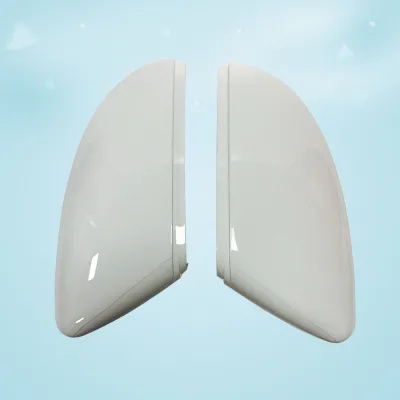
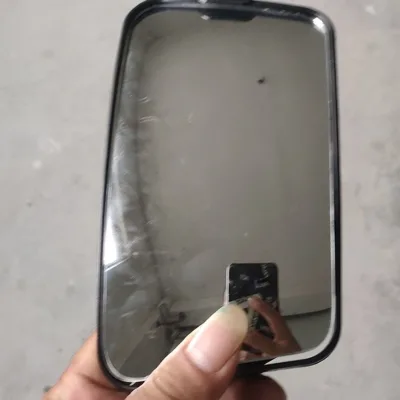

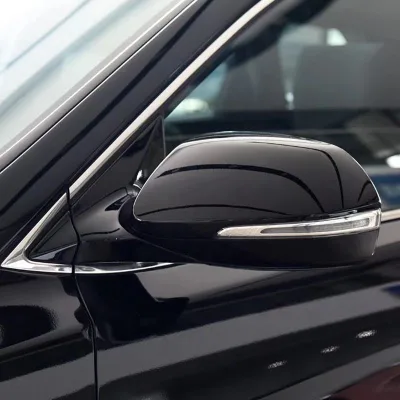

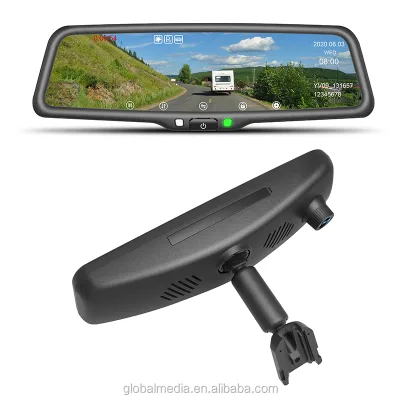
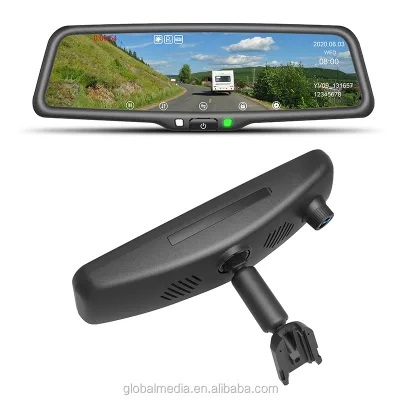
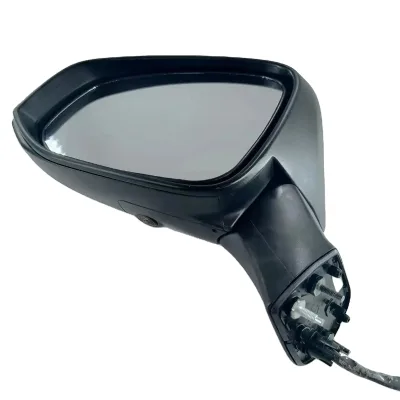
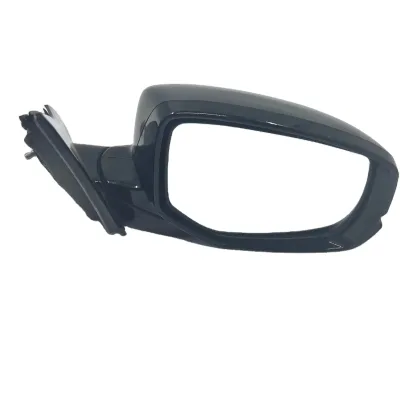
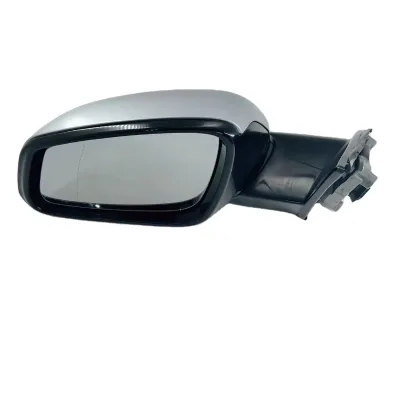
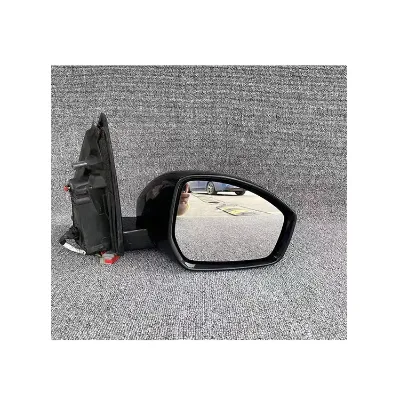


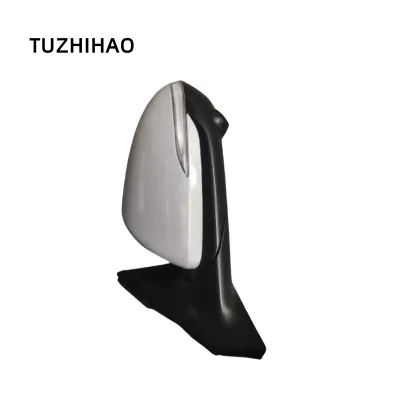


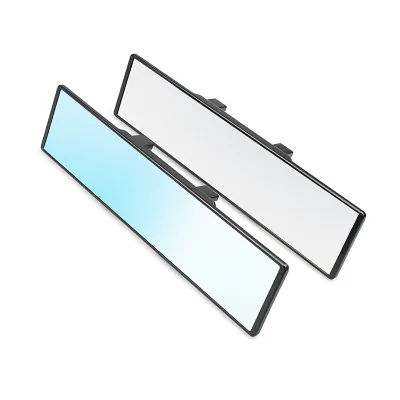


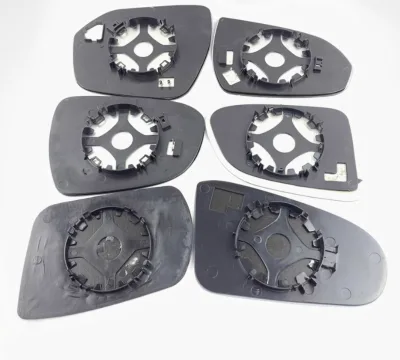


Comprehensive Sourcing Guide
Strategic Sourcing Guide for Bluetooth Reversing Rearview Mirror Shells
Navigating the global market for automotive interior components requires a precise understanding of technical specifications, supply chain dynamics, and compliance frameworks. For buyers specifically researching the "Bluetooth Reversing Rearview Mirror Shell," the procurement landscape is defined by a convergence of electronic integration and mechanical housing requirements. This guide provides a disciplined approach to sourcing these components, leveraging observed market data to inform decision-making without relying on unverified assertions. The focus remains on the structural shell, the electronic functionality, and the logistical parameters that define a successful B2B transaction in this sector.
Technical Specifications and Functional Integration
The core of the product category involves a rearview mirror assembly that integrates a communication module, specifically Bluetooth, with a physical housing designed for vehicle retrofitting or upgrading. Market observations indicate that these units are not merely passive mirrors but active electronic components. The functional attributes observed in current listings include "Bluetooth" connectivity and "Automatic Dimming" capabilities. These features suggest that the shell must accommodate internal circuitry for signal transmission and light sensor integration.
The physical construction of the shell is critical for durability and fitment. Data from available product listings highlights the use of materials such as "ABS+glass" and pure "ABS" plastic. These materials are selected for their impact resistance and ability to maintain structural integrity under varying thermal conditions. The color specifications observed range from "Black" and "Carbon Black" to "White," indicating that buyers must verify color matching against specific vehicle paint codes, which are sometimes listed as generic sequences like "1.2.3." rather than specific OEM codes.
Fitment is a primary technical consideration. The listings frequently cite "Universal Fitment" as a key attribute, suggesting that these shells are designed to adapt to a wide range of vehicle models rather than being exclusive to a single manufacturer. However, specific model numbers such as "K015," "6110.6112.6113," and "YVL-096A" appear in the data, implying that while the market offers universal solutions, there are also model-specific variants. The placement on the vehicle is consistently noted as "Front" or "Right," which is essential for ensuring the mirror aligns correctly with the vehicle's A-pillar and driver sightlines.
Compliance, Certification, and Safety Standards
When sourcing electronic automotive components, verifying compliance with regional safety standards is non-negotiable. The observed product data includes references to specific certifications such as "CCC" (China Compulsory Certification) and "CE" (Conformité Européenne). These marks indicate that the manufacturer has undergone testing to meet specific safety and electromagnetic compatibility requirements for the Chinese and European markets, respectively.
Buyers must treat these certifications as observations of specific supplier capabilities rather than universal guarantees for all listed products. The presence of "CCC" suggests adherence to Chinese national standards, while "CE" points to compliance with European directives. It is imperative for procurement teams to request current certification documents for the specific batch of goods being purchased, as certification status can vary between production runs or different product lines within the same factory.
Furthermore, the classification of these items as "Standard Component" or "Customization Available" suggests a spectrum of compliance requirements. Standard components typically adhere to established industry norms, whereas customized units may require additional validation to ensure they do not interfere with existing vehicle electronics or safety systems. The "Quality: High-Quality" attribute observed in some listings is a qualitative claim that must be substantiated through third-party testing reports or sample evaluation, as it is not a regulated standard itself.
Cost Drivers and Pricing Dynamics
The pricing structure for bluetooth reversing rearview mirror shells is influenced by a complex interplay of material costs, electronic integration, and order volume. The observed price range in the market spans from $0.18 to $185 USD. This wide variance indicates that the market includes both basic housing units and fully integrated electronic assemblies. The lower end of the spectrum likely represents the shell component alone or a basic mirror unit with minimal electronics, while the higher end reflects fully functional units with advanced features like automatic dimming and robust Bluetooth modules.
The Minimum Order Quantity (MOQ) is another significant cost driver. The observed MOQ range extends from 1 piece to 5,000 pieces. This flexibility allows buyers to test the market with small orders or secure bulk pricing for large-scale fleet retrofits. However, the unit price is often inversely related to the order volume; higher MOQs typically unlock lower per-unit costs. Buyers should analyze the total cost of ownership, including shipping and potential duties, rather than focusing solely on the unit price.
Additional cost factors include the "Single gross weight" and "Single package size." For instance, a unit with a gross weight of 0.400 kg and dimensions of 50x20x20 cm will incur different logistics costs compared to a unit weighing 2KG with dimensions of 34x18x12 cm. The packaging method, described as "Paper Box/Carton/Air Bubble Film" or "Corrugated Boxes," also impacts the final landed cost. Buyers must calculate the volumetric weight of the shipment to optimize freight expenses, especially when sourcing from multiple locations within China.
Typical Applications and Vehicle Compatibility
The primary application for these components is vehicle retrofitting and upgrading. The attribute "Purpose: for retrofit/upgrade" confirms that these products are designed to enhance older vehicles with modern connectivity and safety features. The "Universal Fitment" attribute suggests that these shells can be adapted to various vehicle types, making them suitable for a broad market ranging from passenger cars to light commercial vehicles.
However, the specific "Model Number" and "Car Model: Uniersal" (Universal) designations require careful interpretation. While "Universal" implies broad compatibility, the existence of specific model numbers like "013" or "YVL-096A" suggests that these are part of a larger ecosystem of parts designed for specific vehicle architectures. Buyers must verify the compatibility of the shell with their target vehicle's mounting points and electrical systems. The "Placement on Vehicle: Right" and "Front" attributes further narrow the application scope, ensuring that the mirror is installed in the correct position for the intended market (e.g., left-hand drive vs. right-hand drive vehicles).
The integration of Bluetooth functionality opens up applications beyond simple visibility. These mirrors can serve as hubs for hands-free calling, audio streaming, and potentially vehicle diagnostics. The "Automatic Dimming" feature adds a layer of safety by reducing glare from following vehicles, a feature increasingly expected in modern automotive interiors.
Supplier Evaluation and Geographic Sourcing
The supply base for these components is concentrated in China, with specific provinces emerging as key manufacturing hubs. The observed "Place of Origin" data points to Zhejiang, Henan, Guangdong, and Chongqing. Each of these regions has distinct industrial strengths; for example, Guangdong is known for its electronics manufacturing ecosystem, while Zhejiang has a strong presence in automotive plastics and molding.
When evaluating suppliers, buyers should look beyond the brand name. The data shows brands such as "BeHi," "FL," and "oem." The "oem" designation indicates that the supplier is capable of Original Equipment Manufacturing, suggesting they can produce goods to a buyer's specific design specifications. This is crucial for buyers seeking custom branding or unique functional configurations.
The "Condition: New" attribute is a standard expectation but should be explicitly confirmed in the contract to avoid receiving refurbished or used stock. Additionally, the "Warranty" terms vary, with observations of "1 year" and "3 Months." A longer warranty period often indicates higher confidence in the product's durability and the supplier's commitment to after-sales support. Buyers should prioritize suppliers who offer clear warranty terms and responsive customer service channels.
Quality Control and Long-Term Procurement Considerations
Ensuring consistent quality is paramount in the automotive sector. The "Installation: Easy Installtion" attribute suggests that the design should facilitate a smooth integration process, but this claim must be validated through physical testing. Buyers should request installation guides and, if possible, sample units to verify the ease of assembly and the fitment of the shell.
Long-term procurement strategies should focus on supply chain stability and scalability. The "Customization: Available" attribute offers an opportunity for buyers to differentiate their offerings by requesting specific color codes, branding, or functional enhancements. However, customization can impact lead times and minimum order quantities. Buyers must balance the desire for customization with the need for timely delivery.
The "Single package size" and "prod_packing" details are critical for logistics planning. A product with a single package size of 50x20x20 cm and a gross weight of 0.400 kg requires different handling than a 2KG unit. Buyers should work with logistics partners to optimize container loading and minimize damage during transit. The use of "Air Bubble Film" and "Corrugated Boxes" indicates a focus on protective packaging, but buyers should still consider adding secondary packaging for high-value shipments.
Finally, the "Quality: High-Quality" claim observed in the data serves as a benchmark for expectations. To maintain this standard, buyers should implement a rigorous quality control process that includes pre-shipment inspections, random sampling, and performance testing of the Bluetooth and automatic dimming functions. By adhering to these disciplined sourcing practices, buyers can secure reliable supply chains for bluetooth reversing rearview mirror shells that meet both technical and commercial objectives.
Comparative Analysis of Product Attributes
To facilitate a clearer understanding of the market variations, the following table summarizes the key attributes observed in the product listings. This comparison highlights the diversity in specifications, origins, and commercial terms available to buyers.
| Attribute Category | Observed Variations | Implication for Buyer |
|---|---|---|
| Functionality | Bluetooth, Automatic Dimming | Verify electronic integration and sensor accuracy. |
| Material | ABS+glass, ABS | Assess durability and impact resistance requirements. |
| Color | Black, Carbon Black, White | Match with vehicle paint codes; verify color consistency. |
| Origin | Zhejiang, Henan, Guangdong, Chongqing | Evaluate regional supply chain strengths and logistics. |
| Warranty | 1 Year, 3 Months | Negotiate terms based on risk tolerance and product value. |
| MOQ | 1 Pcs to 5000 | Align order volume with budget and storage capacity. |
| Certification | CCC, CE | Confirm compliance with target market regulations. |
| Fitment | Universal, Specific Model Numbers | Validate compatibility with target vehicle fleet. |
This table underscores the importance of detailed specification checks. While the market offers a wide range of options, the specific needs of the buyer will dictate which attributes are prioritized. By systematically evaluating these factors, procurement teams can make informed decisions that align with their strategic goals.
In conclusion, sourcing bluetooth reversing rearview mirror shells requires a balanced approach that considers technical performance, regulatory compliance, cost efficiency, and supplier reliability. The observed data provides a solid foundation for understanding the market landscape, but the ultimate success of the procurement effort depends on rigorous due diligence and clear communication with suppliers. By adhering to the principles outlined in this guide, buyers can navigate the complexities of this specialized automotive component market with confidence.
FAQs
What materials are used for the Bluetooth Reversing Rearview Mirror Shell?
The shells are constructed from ABS plastic or a combination of ABS and glass. These materials ensure durability and impact resistance for automotive applications. Buyers should verify the specific material composition for their required vehicle fitment.
Which certifications are available for these rearview mirror components?
Available certifications include CCC and CE marks for safety and electromagnetic compliance. These indicate adherence to specific regional standards for the Chinese and European markets. Buyers must request current certification documents for the specific batch being purchased.
Can I find units with automatic dimming and Bluetooth functionality?
Yes, many listings offer units with both automatic dimming and Bluetooth connectivity. These features allow for hands-free calling and glare reduction during night driving. The electronic integration requires a shell designed to accommodate internal circuitry.
What is the typical minimum order quantity for these mirror shells?
The minimum order quantity ranges from 1 piece to 5000 pieces depending on the supplier. Lower MOQs allow for market testing while higher volumes often unlock better pricing. Buyers should check specific supplier terms for their desired order size.
How does the price vary for bluetooth reversing rearview mirror shells?
Prices observed in the market range from 0.18 to 185 USD per unit. The variance depends on whether the listing includes basic housing or fully integrated electronic assemblies. Buyers should consider total costs including shipping and duties when budgeting.
Which locations are the primary sources for these automotive parts?
Manufacturing hubs are located in Zhejiang, Henan, Guangdong, and Chongqing in China. Each region has distinct industrial strengths in electronics or automotive plastics. Buyers should verify the specific place of origin for quality and logistics planning.
What warranty periods are typically offered for these mirror products?
Warranty terms vary between 3 months and 1 year depending on the supplier. A longer warranty often indicates higher confidence in product durability. Buyers should prioritize suppliers who offer clear warranty terms and responsive after-sales support.