Custom LED Neon Sign Logo Suppliers and Manufacturers
Source Custom LED Neon Sign Logo products from 29 verified suppliers. Compare key dimensions including location, lead time, MOQ, response time, and certifications. Contact suppliers directly to request quotes and verify production details; review the available evidence before requesting comparable quotations from suitable candidates.
Updated
Suppliers List

Lu'an Woma Import and Export Co., Ltd.
- Verified by SGS
- Trading Company
- China Anhui
- Lead time15 days
- Avg. response≤ 6h
Main productsLED Channel Letters, Acrylic Signs, Metal Sign Letters, Wayfinding Signs, Outdoor Signage
Main marketsEast Asia(Japan/ South Korea)

Anhui Lanyou Lighting Technology Co., Ltd.
- Verified by BV
- Trading Company
- China Anhui
- Lead time15 days
- Avg. response≤ 7h
Main productsLED Sign, LED Bulb, LED Light, Project Design
Main marketsSouth America,Southeast Asia/ Mideast,East Asia(Japan/ South Korea),Europe,Australia

Neon Light Sign Custom Logo LED Neon Sign Wedding Advertising Board Logo Sign
$15.50 - $28.50
MOQ: 1 Pieces

Events Decor UV Neon Sign LED Custom Logo LED Neon Light Sign Custom Logo LED Neon Sign for Party
$15.00 - $35.00
MOQ: 1 Pieces


Custom LED Neon Sign Shop Business Store LED Neon Logo for Shop Decoration
$15.00 - $35.00
MOQ: 1 Pieces

Factory Custom Logo Neon Sign LED Business Logo Customized UV Printed Neon Sign Design
$15.50 - $28.50
MOQ: 1 Pieces


- Verified by SGS
- Combined
- China Guangdong
- Lead time15 days
- Avg. response≤ 3h
Main productsLight Box, Sign Board, LED Sign, Display Rack, Sign, Letter Sign, LED Light Box, Signage, Signage Board, Advertising Light Box
Main marketsSoutheast Asia/ Mideast,Domestic,Europe,North America
Chengdu Lemai Advertising Co., Ltd.
- Trading Company
- Sichuan, China
- Lead time7 days
- Avg. response≤ 2h
Main productsFront Illuminated Sign, Back Illuminated Logo, Customized Neon Sign, Advertising Lightbox, 360 Photo Booth
Main marketsNorth America(30.00%), Domestic Market(25.00%), Oceania(10.00%), Southeast Asia(10.00%), South America(5.00%), Western Europe(5.00%), Africa(5.00%), Eastern Europe(5.00%), Eastern Asia(3.00%), Mid East(2.00%)
Shenzhen Bond Optoelectronic Co., Ltd.
- Verified by TüVRheinland
- Manufacturer, Trading Company
- Lead time7 days
- Avg. response≤ 4h
Main productsLED Module, LED Signs, LED Pixel Light, Custom Neon Sign, LED Illuminated Sign
Main marketsNorth America(30%), Southeast Asia(25%), Mid East(20%)
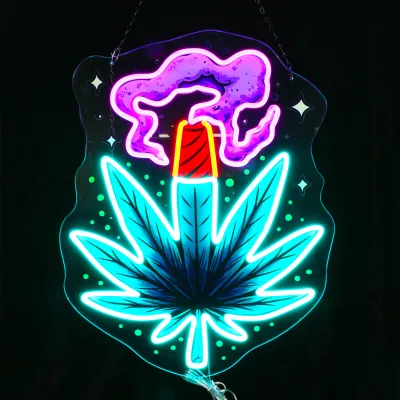
$20.5745 - $30.9133
MOQ: 1 pieces
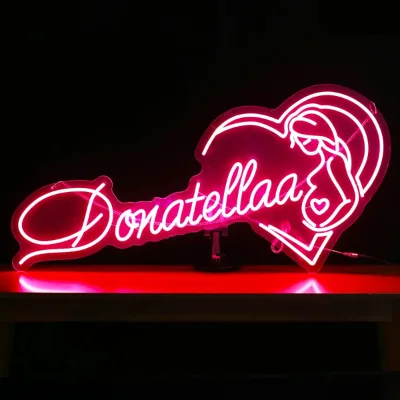
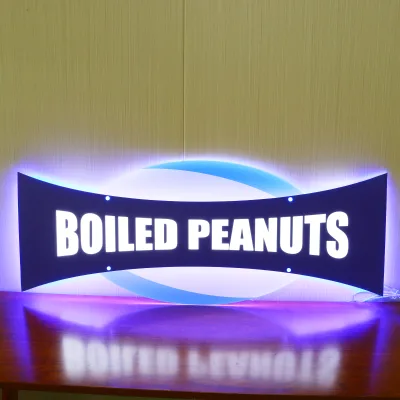
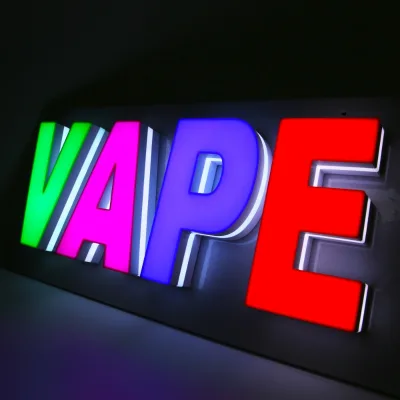
Huizhou Star Technology Co., Ltd.
- Manufacturer, Trading Company
- guandong, China
- Lead time0 days
- Avg. response≤ 6h
Main productslighting products,Advertising design and production,electronic product,3C digital products,Mobile Accessories
Main marketsNorth America(60.00%), Northern Europe(10.00%), Western Europe(5.00%), Oceania(5.00%), South America(5.00%), Southern Europe(5.00%), Eastern Asia(3.00%), South Asia(2.00%), Southeast Asia(2.00%), Domestic Market(1.00%), Central America(1.00%), Eastern Europe(1.00%)
Shenzhen Meitesi Optoelectronics Technology Co., Ltd.
- Manufacturer
- Guangdong, China
- Lead time0 days
- Avg. response≤ 2h
Main productsLED Neon Light,LED Strip,LED Power Supply,LED Sign
Main marketsNorth America(70.00%), Western Europe(8.00%), Northern Europe(7.00%), Mid East(6.00%), Eastern Europe(5.00%), Southeast Asia(3.00%), South America(1.00%)
$13.3952 - $18.5459
MOQ: 1 pieces

Acrylic Letters LOGO Custom Neon Signs UV Printed Neon Design Customized LED Neon Light up Sign
$26.5331 - $36.7373
MOQ: 1 pieces

Kunshan Yijiao Decorative Engineering Co., Ltd.
- Combined
- China Jiangsu
- Lead time15 days
- Avg. response≤ 3h
Main productsLED Sign Letter, Light Box, Channel Letter, Metal Sign, Luminous Sign Letter, Waterproof Sign, LED Lighting Letters, Shopfront Signage, Acrylic Letters, 3D Illuminated Sign
Main marketsDomestic,Europe,Australia,North America

- Verified by BV
- Combined
- China Anhui
- Lead time15 days
- Avg. response≤ 2h
Main productsLED Sign, Neon Sign, Customize LED Sign, Channel Letters, LED Letters, Light Box, Acrylic Letters, Bulb Letters, Ada Braille Sign, Metal Signs
Main marketsSoutheast Asia/ Mideast,East Asia(Japan/ South Korea),Europe,North America


Electronic Signs Acrylic Neon Light Sign Custom Logo Custom LED Neon Sign
$13.99 - $19.99
MOQ: 1 Pieces


Shenzhen Yuanda Technology Co., Ltd.
- Verified by TüVRheinland
- Trading Company
- Lead time3 days
- Avg. response≤ 2h
Main productsBacklit Sign, Led Illuminated Sign, Neon Sign, Photo Booth, 360 Photo Booth
Main marketsNorth America(30%), Western Europe(30%), Mid East(15%)

Custom LED Neon Sign Letters Board Home Decoration Custom Neon Sign Light
$35.00 - $40.00
MOQ: 1 pieces
Guangzhou Stormall Technology Limited
- Verified by SGS Group
- Manufacturer, Trading Company
- Lead time7 days
- Avg. response≤ 2h
Main productsLed Ice Bucket, Led Letter Sign, Led Neon Sign, Marquee Letters
Main marketsNorth America(20%), Oceania(15%), South America(10%)
Jiujiang Maofeng Optoelectronics Co., Ltd.
- Manufacturer, Trading Company
- Jiangxi, China
- Lead time0 days
- Avg. response≤ 5h
Main productsLed Lamp Tube,Led Bulb,Led Plant Lighting,Led Office Lighting,Led Outdoor Lighting
Main marketsNorth America(20.00%), Southeast Asia(15.00%), Africa(10.00%), Western Europe(10.00%), South America(10.00%), South Asia(5.00%), Southern Europe(5.00%), Northern Europe(5.00%), Eastern Asia(5.00%), Eastern Europe(5.00%), Mid East(5.00%), Oceania(5.00%)
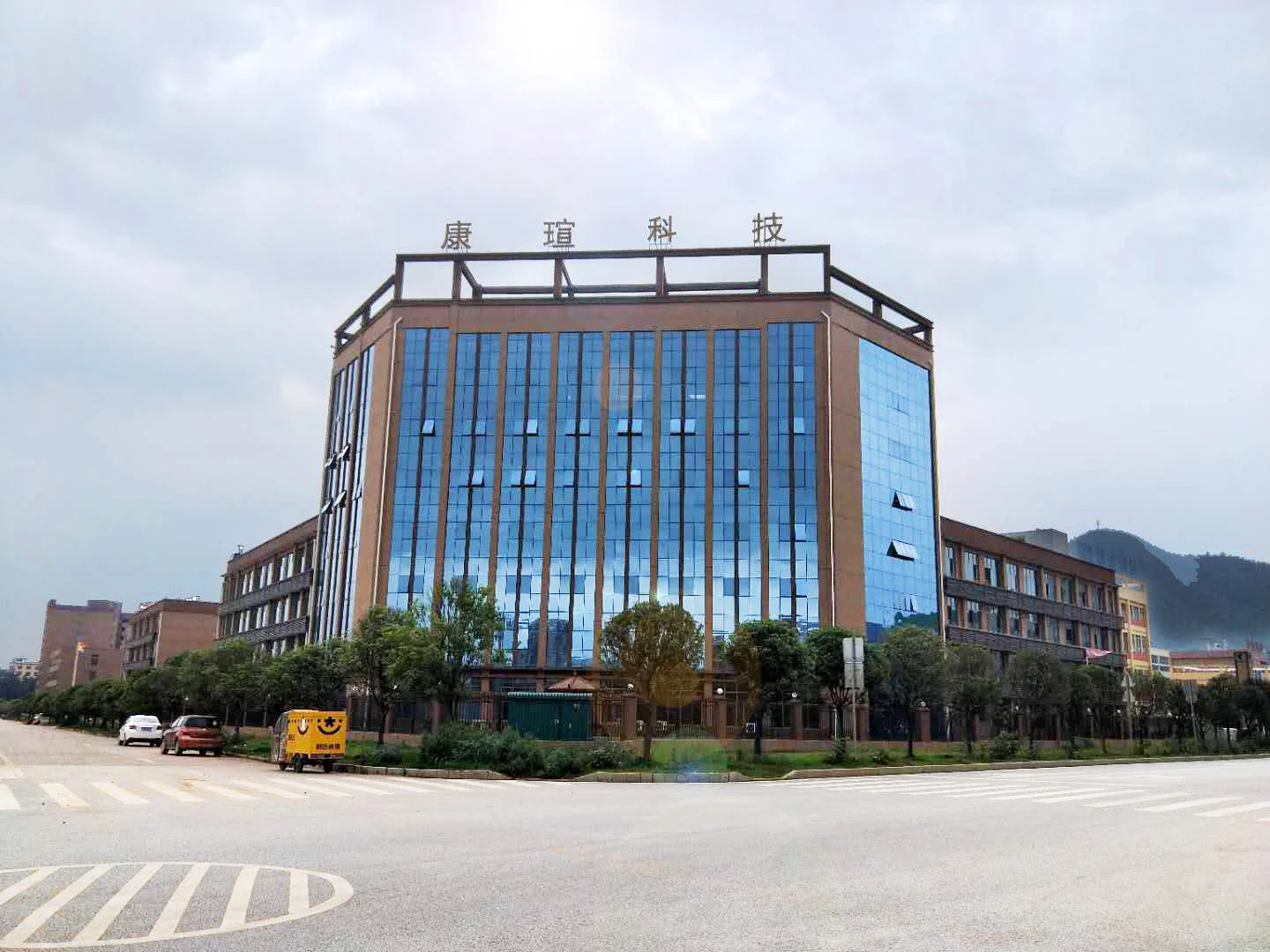
Shanghai Liyu Optoelectronic Co., Ltd.
- Manufacturer, Trading Company
- Shanghai, China
- Lead time4 days
- Avg. response≤ 5h
Main productsLED Neon Sign,LED Neon Rope Lights,Power Supply
Main marketsNorth America(45.00%), Oceania(20.00%), Western Europe(20.00%), Domestic Market(5.00%), Southeast Asia(5.00%), Eastern Asia(5.00%)
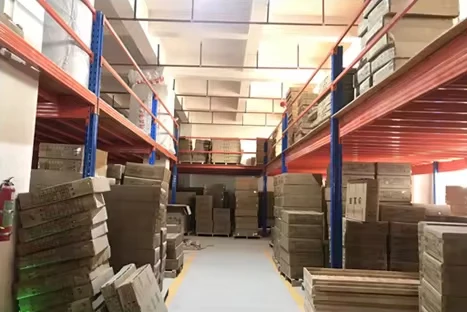
Fuzhou Manjoy International Import And Export Co., Ltd.
- Trading Company
- Fujian, China
- Lead time15 days
- Avg. response≤ 2h
Main productsNeon lights,metal letters,backlit letters,LED neon lights,hexagonal LED lights
Main marketsNorth America(80.00%), Western Europe(10.00%), South America(10.00%)
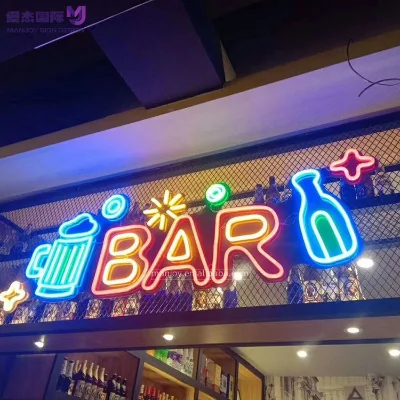
$15.00 - $20.00
MOQ: 1 pieces
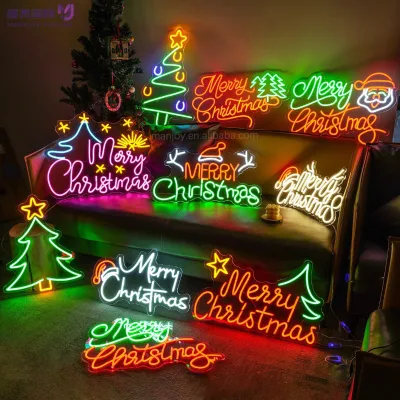
$15.3699 - $20.4937
MOQ: 1 pieces
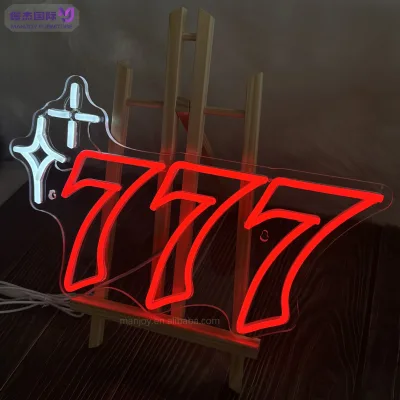
Professional Custom Waterproof Neon Logo Sign with LED Numbers for Shop Car Company Application
$15.00 - $20.00
MOQ: 1 pieces
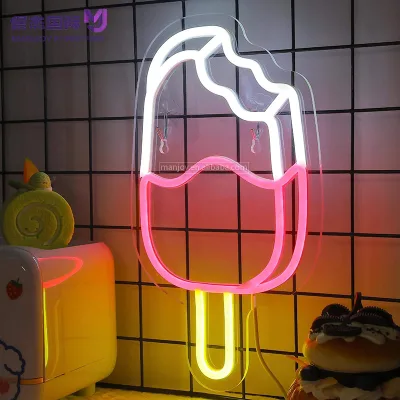
Changchun Elink Technology Co., Ltd.
- Trading Company
- Jilin, China
- Lead time15 days
- Avg. response≤ 7h
Main productssolar panels,battery,solar system,solar product
Main marketsEastern Asia(10.00%), Southern Europe(10.00%), Central America(10.00%), Western Europe(10.00%), Eastern Europe(10.00%), South America(10.00%), North America(10.00%), Domestic Market(5.00%), South Asia(5.00%), Mid East(5.00%), Northern Europe(5.00%), Oceania(5.00%), Southeast Asia(5.00%)
Henan Highspan Technology Co., Ltd.
- Verified by SGS Group
- Trading Company
- Lead time10 days
- Avg. response≤ 2h
Main productsLed Channel Letters, Custom Neon Signs, Light Box, Door Numbers, Metal Signs
Main marketsNorth America(55%), Western Europe(20%), Oceania(15%)
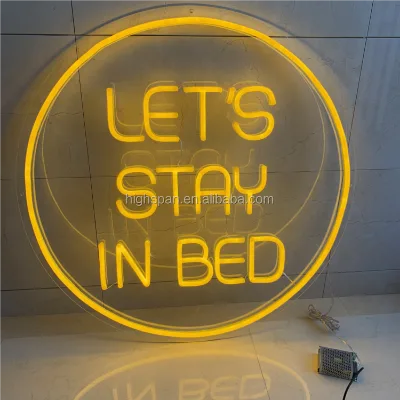
Business Logo Neon Name Sign Advertising Board Custom Acrylic Neon Sign
$0.8273 - $1.5514
MOQ: 10 Minimum
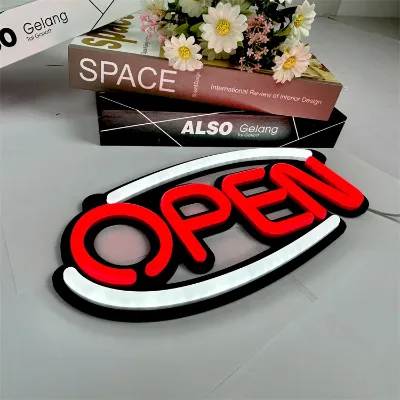
Evermore Enterprise (Zhejiang) Ltd.
- Manufacturer, Trading Company
- Lead time旺季: "1 - 1":31,"> 1":"To be negotiated", 淡季: "1 - 1":31,"> 1":"To be negotiated"
- Avg. response≤ 4h
Main productsTable Lamp, Home Decor Light, Decoration Lights, Holiday Lighting, Outdoor Light
- Manufacturer, Trading Company
- Lead time旺季: "1 - 1":7,"> 1":"To be negotiated", 淡季: "1 - 1":7,"> 1":"To be negotiated"
- Avg. response≤ 7h
Main productsLED Letters Sign, Pylon Sign, LED Light Box, LED Neon Sign, Door Number

Shenyang Lingdong Creative Advertising Co., Ltd
- Verified by SGS
- Manufacturer/Factory
- China Liaoning
- Lead time23 days
- Avg. response≤ 1h
Main productsChannel Letters, Illuminated Letters, 3D Letters, LED Letters, Marquee Letters, LED Sign, Illuminated Sign, 3D Sign, Neon Sign, Light Box
Main marketsSouth America,Eastern Europe,Mid East,North America,Southeast Asia,Eastern Asia,Oceania,Western Europe,Africa

Party LED Neon Light Acrylic Front-Lit Letters LED Sign LED Neon Sign Custom Neon Sign
$5.00 - $30.00
MOQ: 1 Pieces


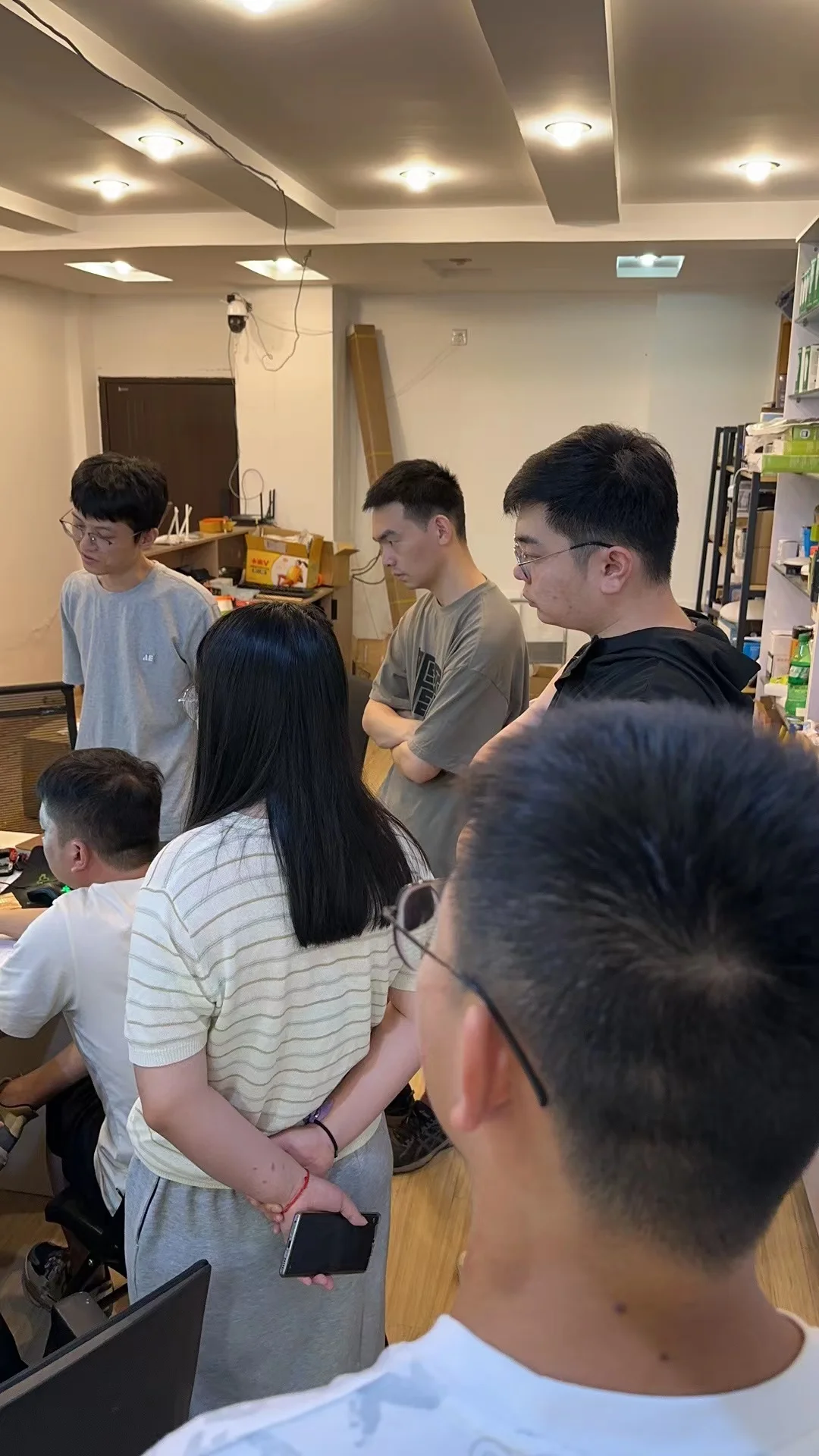
Anhui Lanyou Lighting Technology Co., Ltd.
- Manufacturer, Trading Company
- Anhui Province, China
- Lead time30 days
- Avg. response≤ 4h
Main productsLED floodlight,LED panel light,LED downlight,LED corn light,LED light
Main marketsEastern Asia(25.00%), Africa(16.00%), Southern Europe(8.00%), Mid East(6.00%), South Asia(6.00%), South America(6.00%), Central America(6.00%), Northern Europe(5.00%), Southeast Asia(5.00%), Domestic Market(5.00%), North America(5.00%), Oceania(2.50%), Eastern Europe(2.50%), Western Europe(2.00%)
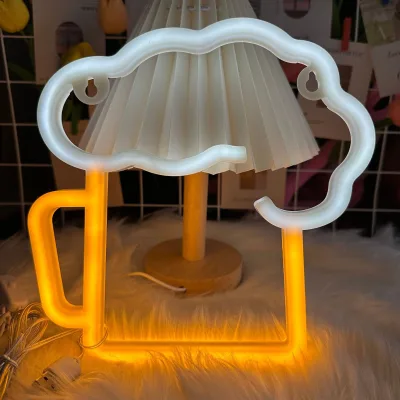
$2.0031 - $3.2149
MOQ: 50 pieces
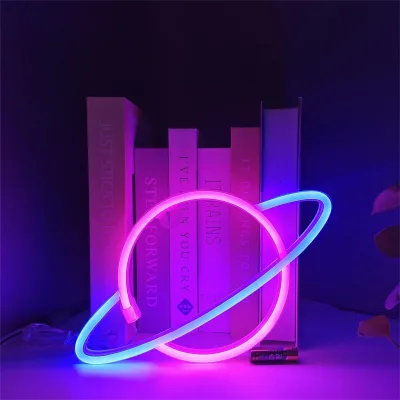
Modern LED Neon Light Sign for Festival Parties Wall Decorative Room Decoration Sign
$1.9987 - $3.2074
MOQ: 50 pieces
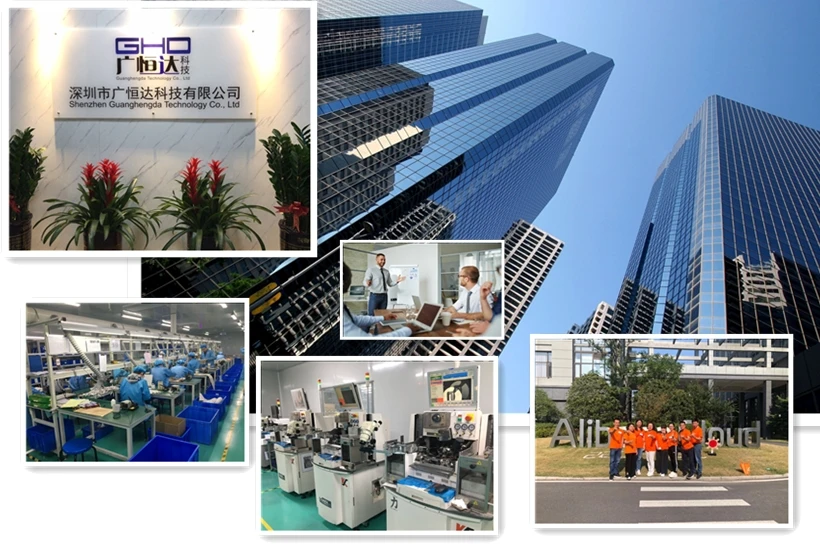
Shenzhen Guanghengda Technology Co., Ltd.
- Manufacturer, Trading Company, Buying Office
- Guangdong, China
- Lead time20 days
- Avg. response≤ 5h
Main productsNeon Signs,LED signage,UV neon artwork,LED illuminated signs,Marquee letters
Main marketsMid East(30.00%), North America(25.00%), Northern Europe(10.00%), Eastern Europe(10.00%), South Asia(5.00%), Oceania(5.00%), Central America(5.00%), Western Europe(5.00%), South America(5.00%)
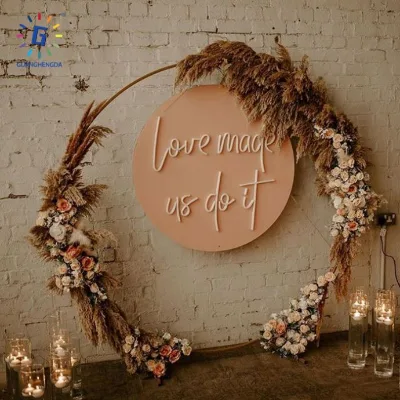
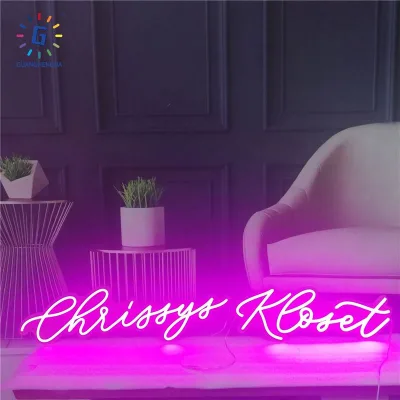
Best Price Girls Led Neon Sign
$17.98 - $23.18
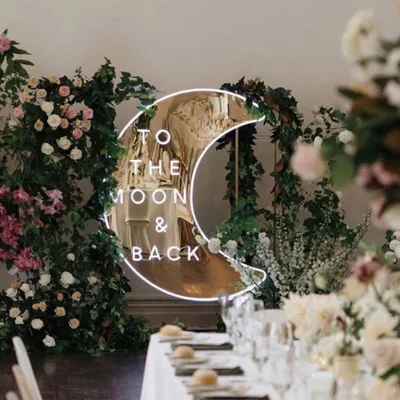
Factory Direct Face Neon Lip Sign
$17.99 - $20.99
Qianxin Meichen Optoelectronic Technology (huzhou) Co., Ltd.
- Manufacturer, Trading Company
- Zhejiang Province, China
- Lead time15 days
- Avg. response≤ 2h
Main productsNeon Sign,Lantern String
Main marketsDomestic Market(40.00%), Mid East(20.00%), North America(20.00%), Western Europe(10.00%), Eastern Europe(10.00%)
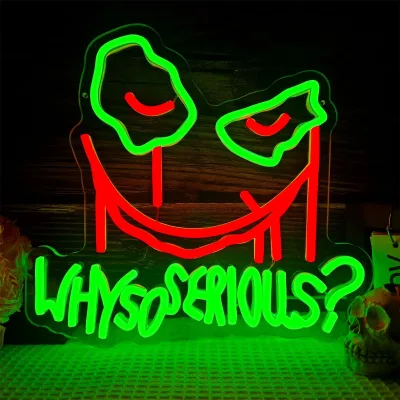
Best Selling Romantic Neon Sign Led Neon Sign Custom Logo Neon for Parties IP65
$18.00 - $28.00
MOQ: 1 meters
Shenzhen Lindeng Lighting Technology Co., Ltd.
- Manufacturer
- Guangdong, China
- Lead time15 days
- Avg. response≤ 3h
Main productsNeon LED Flex,Neon Sign Customize,LED Linear Light,LED Night Light,Smart LED Stair Lights
Main marketsEastern Europe(40.00%), Western Europe(30.00%), North America(25.00%), Southeast Asia(5.00%)
Kunshan Yijiao Decorative Engineering Co., Ltd.
- Verified by SGS Group
- Manufacturer, Trading Company
- Lead time30 days
- Avg. response≤ 4h
Main productsMetal Letter, LED Sign, Light Box, Signage System, Display Fixture
Main marketsWestern Europe(36%), Domestic Market(22%), North America(15%)

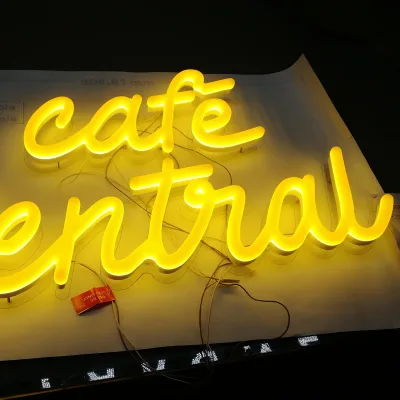
Factory Custom Flexible LED Neon Signage Neon logo with clear Acrylic for Indoor
$1.10 - $1.50
MOQ: 1 centimeters
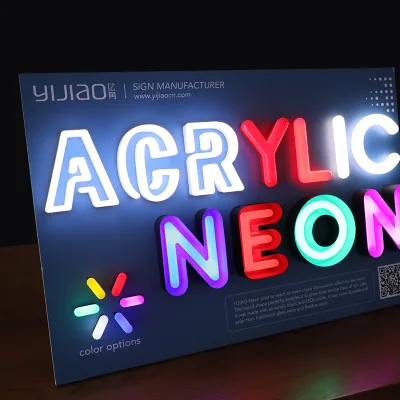
Custom Outdoor Indoor 3D Neon Luminous Letter Facelit Neon LED Letters for Advertising
$2.5626 - $3.0743
MOQ: 1 centimeters

Hefei Shengwang Advertising Logo Co., Ltd.
- Verified by CTI
- Combined
- China Anhui
- Lead time15 days
- Avg. response≤ 2h
Main marketsDomestic

Chengdu GodShape Sign Co., Ltd.
- Verified by TUVRHEINLAND
- Combined
- China Sichuan
- Lead time15 days
- Avg. response≤ 12h
Main productsLED Light Box, Plaque and Plate Signboard, Luminous Letters and Numbers Sign, 3D Letters and Numbers Sign, Trash Can and Letters Box
Main marketsDomestic,Europe,North America

Ningbo Guangyun Sign Technology Co., Ltd.
- Verified by SGS
- Combined
- China Zhejiang
- Lead time15 days
- Avg. response≤ 6h
Main marketsNorth America
Shenzhen 3d Visual Gift Co., Ltd.
- Manufacturer
- Guangdong, China
- Lead time10 days
- Avg. response≤ 5h
Main productsneon sign,3d illusion lamp,3d night light,led keyring,3d base lamp
Main marketsNorth America(22.60%), South America(17.40%), Western Europe(12.80%), Mid East(11.60%), Eastern Europe(10.60%), Northern Europe(8.60%), Southern Europe(5.80%), Oceania(3.10%), Africa(2.40%), Southeast Asia(1.90%), Central America(1.30%), Domestic Market(1.00%), South Asia(0.90%)
Sichuan Mars Impression Advertising Co., Ltd.
- Verified by SGS Group
- Trading Company
- Lead time5 days
- Avg. response≤ 2h
Main productsLED Illuminated Signs, Light Box , Hotel Sign, Neon Sign, Door Sign
Main marketsDomestic Market(47%), North America(21%), Eastern Asia(20%)













Comprehensive Sourcing Guide
Custom LED Neon Sign Logo Supplier Concentration and Factory Types
The current supplier landscape for custom LED neon signs reveals a distinct concentration of manufacturing and trading entities within specific Chinese provinces, notably Anhui and Zhejiang. This geographic clustering suggests established industrial ecosystems where supply chains for acrylic, LED strips, and transformers are readily accessible, potentially reducing logistical friction for raw materials. Buyers observing these results should note that the primary location data points to China, with Anhui emerging as a key hub for production. This regional focus is critical for sourcing because it implies a density of specialized vendors who understand the nuances of luminous letter fabrication and electronic signage integration. When evaluating suppliers, the presence of a factory in these regions often correlates with streamlined production workflows, although it does not guarantee quality without further verification. The concentration also facilitates easier communication regarding time zones and cultural business practices, which can be advantageous for long-term partnerships. However, buyers must remain vigilant, as geographic proximity does not automatically equate to superior craftsmanship or reliable delivery schedules. It is essential to cross-reference location claims with other verification metrics to ensure the supplier is genuinely operating from the stated address rather than merely listing it for marketing purposes. Understanding this regional dynamic helps buyers narrow their search to areas with proven expertise in LED neon technology, thereby increasing the likelihood of finding partners who can handle complex customizations and high-volume orders efficiently.
Within this concentrated market, the types of companies vary significantly, ranging from direct manufacturers to trading companies that act as intermediaries. The observed data indicates that some suppliers are classified as trading companies, which may offer a broader range of products but could introduce additional layers of cost and communication delay. In contrast, factories with ODM and OEM capabilities provide more direct control over the production process, allowing for deeper customization of materials, shapes, and lighting effects. Buyers should carefully distinguish between these entity types when assessing potential partners, as the choice impacts pricing structures, intellectual property protection, and flexibility in design changes. Trading companies might be suitable for buyers seeking a one-stop-shop for various signage types, while direct manufacturers are often preferred for large-scale projects requiring strict quality control and proprietary design handling. The presence of SGS verification on some suppliers adds a layer of credibility, suggesting that third-party audits have been conducted to assess business legitimacy and operational standards. However, buyers should not rely solely on this badge; it is crucial to investigate the specific scope of the verification to understand what aspects of the business have been audited. By understanding the mix of factory types and their geographic locations, buyers can make more informed decisions about which suppliers align with their specific operational needs, whether they prioritize cost efficiency, customization depth, or supply chain transparency.
How to Verify Custom LED Neon Sign Logo Suppliers
Verifying the legitimacy and capability of custom LED neon sign suppliers requires a multi-layered approach that goes beyond surface-level profile information. One of the primary indicators of reliability is the presence of third-party verification badges, such as SGS, which signal that an independent agency has assessed the company’s business credentials. Buyers should prioritize suppliers who display such verifications, as these provide a baseline level of trust regarding the entity’s legal existence and operational history. However, verification badges are not infallible; they often confirm business registration rather than manufacturing quality or product performance. Therefore, buyers must complement this initial check with direct communication and technical inquiries. For instance, asking specific questions about the production process, material sourcing, and quality control protocols can reveal whether a supplier is a genuine manufacturer or a trading company. Suppliers with ODM and OEM capabilities should be able to provide detailed documentation of their design and production workflows, including how they handle custom shapes and LED configurations. Additionally, buyers should request recent client references or case studies to gauge the supplier’s experience with similar projects. This step helps validate claims about their expertise in creating luminous letters and acrylic signs that meet specific commercial standards.
Another critical aspect of verification is assessing the supplier’s responsiveness and technical support capabilities. The observed response time metrics, such as a 5.07-hour average, can serve as a preliminary indicator of operational efficiency, but buyers should also evaluate the quality of the responses received. Prompt replies are essential for resolving technical queries regarding voltage requirements, waterproof ratings, and control methods, which are crucial for the proper installation and operation of LED neon signs. Buyers should test the supplier’s ability to provide accurate technical specifications, such as IP ratings, operating voltages, and warranty terms, to ensure they have a thorough understanding of their products. Furthermore, verifying the supplier’s certification status is vital, especially if the signs will be used in environments with strict safety regulations. Buyers should inquire about compliance with relevant electrical safety standards and request test reports for waterproofing and durability. It is also advisable to check for any history of disputes or negative feedback, although this information may not always be readily available. By combining verification badges, technical due diligence, and responsiveness assessments, buyers can build a comprehensive profile of each supplier, reducing the risk of partnering with unreliable entities. This thorough verification process ensures that the selected supplier can consistently deliver high-quality custom LED neon signs that meet the buyer’s specific requirements and expectations.
What to Compare Across Custom LED Neon Sign Logo Suppliers
When evaluating multiple suppliers for custom LED neon signs, buyers must systematically compare key operational and product attributes to identify the most suitable partner. One of the most critical factors is the minimum order quantity (MOQ), which varies significantly across suppliers. Some suppliers offer an MOQ of just one piece, making them ideal for small businesses or prototype testing, while others may require higher volumes, such as two pieces or more, to justify production costs. Buyers should align their MOQ requirements with their inventory strategy and budget constraints to avoid unnecessary capital tie-up. Additionally, lead times are a crucial comparison point, with some suppliers offering a 15-day turnaround, which is essential for projects with tight deadlines. Buyers should assess whether these lead times are realistic and consistent, as delays can disrupt business operations and customer satisfaction. Pricing is another vital dimension, with costs ranging from as low as $4.30 to over $72.20 per unit, depending on complexity, size, and customization level. Buyers should not solely focus on the lowest price but should consider the value proposition, including material quality, warranty terms, and after-sales support. Comparing these factors across suppliers helps buyers identify the best balance between cost, speed, and quality for their specific needs.
Beyond operational metrics, buyers should also compare product-specific attributes such as material composition, waterproof ratings, and control methods. The observed data indicates that many signs are made from acrylic and feature LED light sources, with waterproof ratings like IPX4 or IP65, which determine their suitability for indoor or outdoor use. Buyers should verify these specifications to ensure they match their application requirements, such as bar decor, office signage, or outdoor advertising. Additionally, the control methods, including remote control, APP control, or dimmer support, offer varying levels of convenience and functionality. Suppliers offering flexible customization options, such as custom shapes, colors, and sizes, provide greater versatility for branding purposes. Buyers should also compare warranty terms, with some suppliers offering a two-year warranty, which reflects their confidence in product durability. By systematically comparing these attributes, buyers can create a detailed matrix of supplier capabilities, enabling them to make data-driven decisions. This comparative analysis helps mitigate the risk of selecting a supplier whose products or services do not align with the buyer’s operational requirements, ensuring a smoother procurement process and higher customer satisfaction.
Common Custom LED Neon Sign Logo Sourcing Risks
Sourcing custom LED neon signs involves several inherent risks that buyers must proactively manage to ensure a successful procurement outcome. One significant risk is the discrepancy between advertised product specifications and the actual delivered items, particularly regarding material quality and durability. For instance, while suppliers may claim their signs are waterproof with an IPX4 or IP65 rating, the actual performance in real-world conditions may vary. Buyers should mitigate this risk by requesting detailed technical documentation and, if possible, conducting sample tests before placing large orders. Another common risk is the variability in lead times, which can be affected by production bottlenecks, material shortages, or logistical delays. Suppliers may advertise a 15-day lead time, but actual delivery may take longer, impacting project timelines and customer expectations. To address this, buyers should establish clear communication channels and request regular production updates to monitor progress. Additionally, the risk of intellectual property infringement is a concern, especially when dealing with custom designs. Buyers should ensure that suppliers have robust confidentiality agreements in place to protect their proprietary designs and branding elements. This is particularly important for trading companies that may handle multiple clients’ designs simultaneously.
Another critical risk is the potential for poor after-sales support, which can leave buyers stranded if products fail or require maintenance. While some suppliers offer a two-year warranty, the actual enforcement of these warranties can be inconsistent, especially for international buyers. Buyers should verify the supplier’s warranty policy and understand the process for claiming repairs or replacements. Furthermore, the risk of communication barriers cannot be overlooked, as language differences and cultural nuances can lead to misunderstandings regarding product specifications and delivery terms. Buyers should prioritize suppliers with strong English communication skills and responsive customer service teams to minimize these risks. Additionally, the risk of price fluctuations due to raw material costs, such as acrylic and LED components, can impact the final cost of the order. Buyers should lock in prices through formal contracts to avoid unexpected increases. By identifying and addressing these common risks through thorough due diligence, clear contracts, and proactive communication, buyers can significantly reduce the likelihood of procurement failures. This risk-aware approach ensures that the sourcing process is resilient and capable of delivering high-quality custom LED neon signs that meet the buyer’s business objectives.
Custom LED Neon Sign Logo Regional Sourcing and Logistics
Regional sourcing strategies play a pivotal role in optimizing the logistics and cost-efficiency of procuring custom LED neon signs. The concentration of suppliers in regions like Anhui and Zhejiang offers logistical advantages, such as proximity to major ports and established shipping routes, which can reduce transit times and freight costs. Buyers should leverage this geographic clustering to negotiate better shipping terms and explore consolidated shipping options, especially when ordering from multiple suppliers. Understanding the regional infrastructure is crucial for planning logistics, as it impacts the reliability and speed of delivery. For instance, suppliers in these regions may have established relationships with local freight forwarders, enabling them to offer competitive shipping rates and efficient customs clearance processes. Buyers should also consider the impact of regional trade policies and tariffs on the final cost of the products. By aligning their sourcing strategy with these regional advantages, buyers can streamline their supply chain and reduce overall procurement costs. Additionally, buyers should evaluate the supplier’s packaging methods, such as carton or wooden packaging, to ensure that the signs are protected during transit, minimizing the risk of damage.
Logistics planning also involves coordinating with suppliers to ensure timely delivery and proper documentation. Buyers should work closely with suppliers to confirm shipping schedules and track shipments in real-time, allowing for proactive management of any potential delays. It is also important to verify that suppliers comply with international shipping regulations and provide all necessary documentation, such as commercial invoices and packing lists, to facilitate smooth customs clearance. Buyers should also consider the environmental impact of their logistics choices, opting for suppliers who use sustainable packaging materials and eco-friendly shipping practices. Furthermore, buyers should assess the supplier’s ability to handle reverse logistics, such as returns or exchanges, in case of product defects or mismatches. This capability is essential for maintaining customer satisfaction and minimizing financial losses. By integrating regional sourcing insights with robust logistics planning, buyers can create a resilient supply chain that supports their business growth. This holistic approach ensures that the procurement of custom LED neon signs is not only cost-effective but also reliable and sustainable, meeting the dynamic needs of the modern marketplace.
Custom LED Neon Sign Logo Commercial
FAQs
What is the minimum order quantity for custom LED neon signs?
The minimum order quantity varies by product, with some listings accepting just one piece while others require two units. Buyers should check specific product pages to confirm the exact MOQ before placing an order for custom neon signage.
How long does it take to receive custom neon signs?
Lead times for these custom signs are typically around 15 days from order confirmation. This duration allows for the manufacturing and quality control processes required for acrylic and metal letter signs before shipping to the buyer.
Are these custom neon signs waterproof for outdoor use?
Yes, many custom neon signs feature waterproof ratings such as IPX4 or IP65, making them suitable for outdoor environments. Buyers should verify the specific waterproof rating on the product details to ensure suitability for their intended installation location.
What materials are used to make these custom neon signs?
These signs are primarily constructed using acrylic materials with LED light sources for illumination. Some products also utilize metal letters or acrylic painted surfaces to achieve the desired luminous effect and durability for commercial or home applications.
Do suppliers offer customization for logo shapes and colors?
Customization is widely available for shapes, colors, and logo designs on these neon signs. Buyers can request specific dimensions and color temperatures to match their brand identity, with options for remote control or APP control included in many listings.
What is the warranty period for these LED neon signs?
Most suppliers provide a warranty period of two years for their custom neon sign products. This coverage typically applies to manufacturing defects and ensures the longevity of the LED components used in the luminous letter signs.
Where are these custom neon sign manufacturers located?
Manufacturers of these signs are located in regions such as Anhui and Zhejiang in China. Buyers can verify the specific place of origin listed on each product page to understand the logistics and shipping implications for their order.