Bendable Residential LED Light Strip Suppliers and Manufacturers
Compare 27 verified Bendable Residential LED Light Strip suppliers by response time, lead time, certifications, and pricing. Review product specs like IP ratings and color temperature before requesting samples or custom designs; review the available evidence before requesting comparable quotations from suitable candidates.
Updated
Suppliers List
- Verified by SGS Group
- Trading Company
- Lead time10 days
- Avg. response≤ 1h
Main productsLED Flexible Strip, LED Module, Backlit LED Bar, Edge Lit LED Bar, LED Neon Light
Main marketsEastern Europe(23%), Southern Europe(12%), North America(11%)
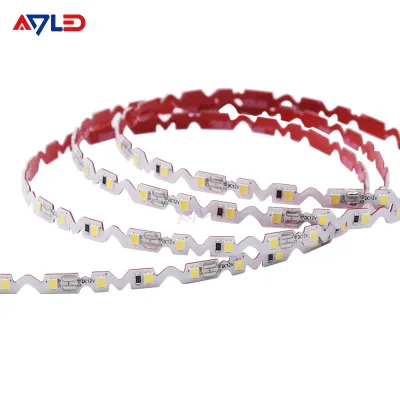
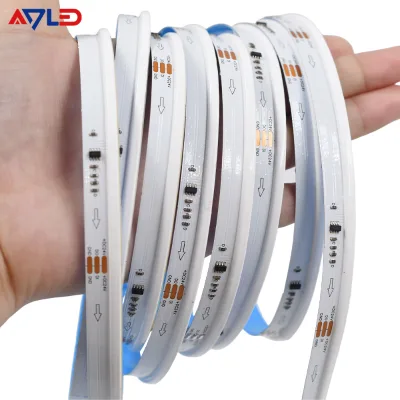
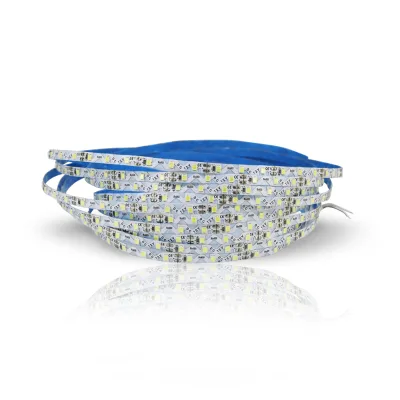
White Flexible COB LED Strip 420LEDs/m Programmable IC Side Light LED Strip 24V
$2.90 - $3.99
MOQ: 100 meters
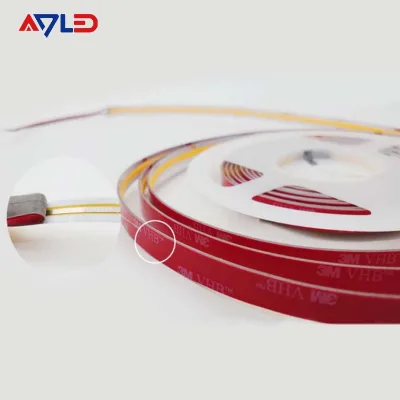
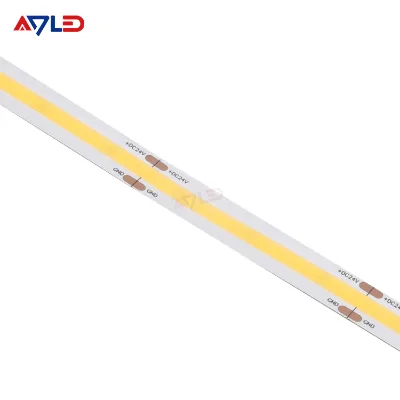
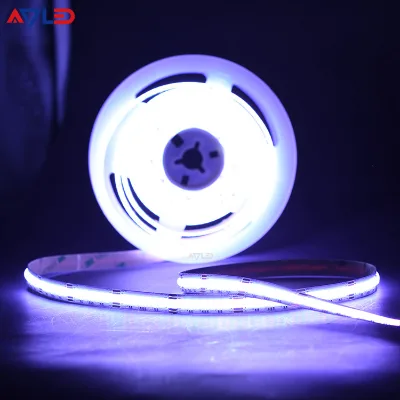
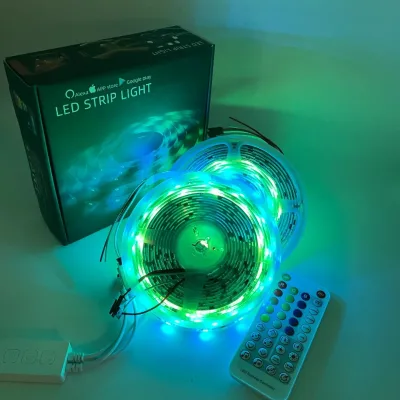
Led Strip Light 32ft Adjustable Rgb Led Strips Light 5m 10m 20m 50 Meters Led Strip 12v Rgb
$4.0431 - $4.3757
MOQ: 100 meters
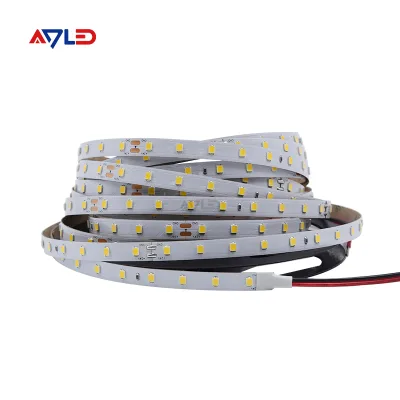

- Verified by SGS
- Manufacturer/Factory
- China Jiangsu
- Lead time23 days
- Avg. response≤ 5h
Main productsSMD/COB LED Strip Light, LED Neon Flex, LED Wall Washer Light, LED Alumium Profile, LED Rigid Bar Lights
Main marketsSouth America,Eastern Europe,Mid East,North America,Southeast Asia,Western Europe


$0.80 - $6.00
MOQ: 500 Meters

1020-1140lm/M Flexible LED Strip Lighting/Flexible LED Strip for Indoor Outdoor
$0.80 - $6.00
MOQ: 500 Meters


- Verified by SGS
- Combined
- China Guangdong
- Lead time15 days
- Avg. response≤ 2h
Main productsLED Wall Washer Light, LED Floodlight, Outdoor LED Spotlight, LED Inground Light, LED Underwater Light, LED Outline Linear Light, LED Downlight, LED Ceiling Light
Main marketsSoutheast Asia/ Mideast
Shenzhen Bond Optoelectronic Co., Ltd.
- Verified by TüVRheinland
- Manufacturer, Trading Company
- Lead time7 days
- Avg. response≤ 4h
Main productsLED Module, LED Signs, LED Pixel Light, Custom Neon Sign, LED Illuminated Sign
Main marketsNorth America(30%), Southeast Asia(25%), Mid East(20%)
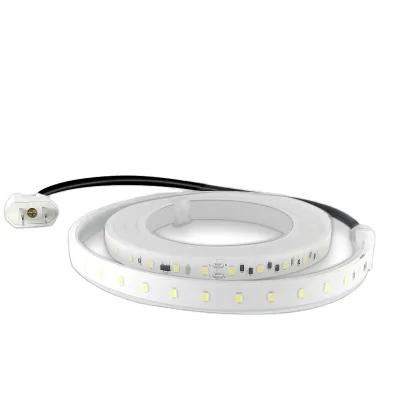
LED Strip LED Light Strip for Wooden Light
$0.50 - $0.80
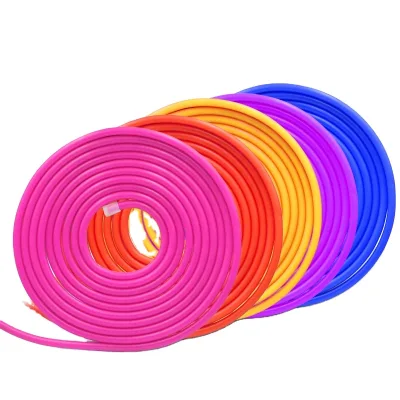
Neon Architectural Lighting LED Neon Strip
$0.45 - $2.00

Shenzhen Led Home Opto-Electronics Co., Ltd.
- Verified by TUVRHEINLAND
- Combined
- China Guangdong
- Lead time30 days
- Avg. response≤ 5h
Main productsLED Profile, LED Flexible Strip, LED Downlight, LED Linear Light, LED Neon Flex Strip, LED Rigid Strip, Slim Silicon LED Neon Flex, Silicon Extrusion Integrated LED Strip
Main marketsSoutheast Asia/ Mideast,Domestic,Europe,North America
Shenzhen Grilight Technology Co., Ltd.
- Verified by TüVRheinland
- Trading Company
- Lead time12 days
- Avg. response≤ 3h
Main productsLED Strip Light, LED Driver, LED Neon Light, LED Aluminum Profile, LED Power Supply
Main marketsNorth America(35%), Western Europe(20%), South America(15%)

$1.3347 - $1.3857
MOQ: 100 Minimum

$1.9369 - $1.9774
MOQ: 50 Minimum
Beien Construction (shandong) Co., Ltd.
- Verified by SGS Group
- Manufacturer, Trading Company
- Lead time14 days
- Avg. response≤ 2h
Main productsWooden Sound-absorbing Board, Polyester Sound-absorbing Board
Main marketsDomestic Market(100%)
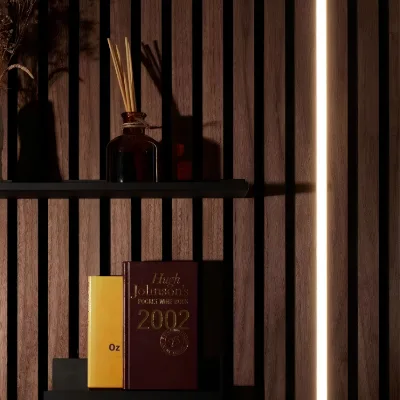
$24.4264 - $27.9167
MOQ: 10 pieces


- Manufacturer/Factory
- China Guangdong
- Lead time15 days
- Avg. response≤ 20h
Main productsFlexible LED Strip, LED Modules for Sign, LED Neon Light, RGB Controller, LED Driver, Rigid LED Strip, LED Dimmer, Aluminium LED Profile, Sign LED Tube
Main marketsSouth America,Eastern Europe,Mid East,North America,Southeast Asia,Eastern Asia,Oceania,Western Europe,Africa


120 LED/Meter Color Temperature Adjustable 2835 Flexible LED Strip Light
$0.50 - $1.20
MOQ: 100 Meters
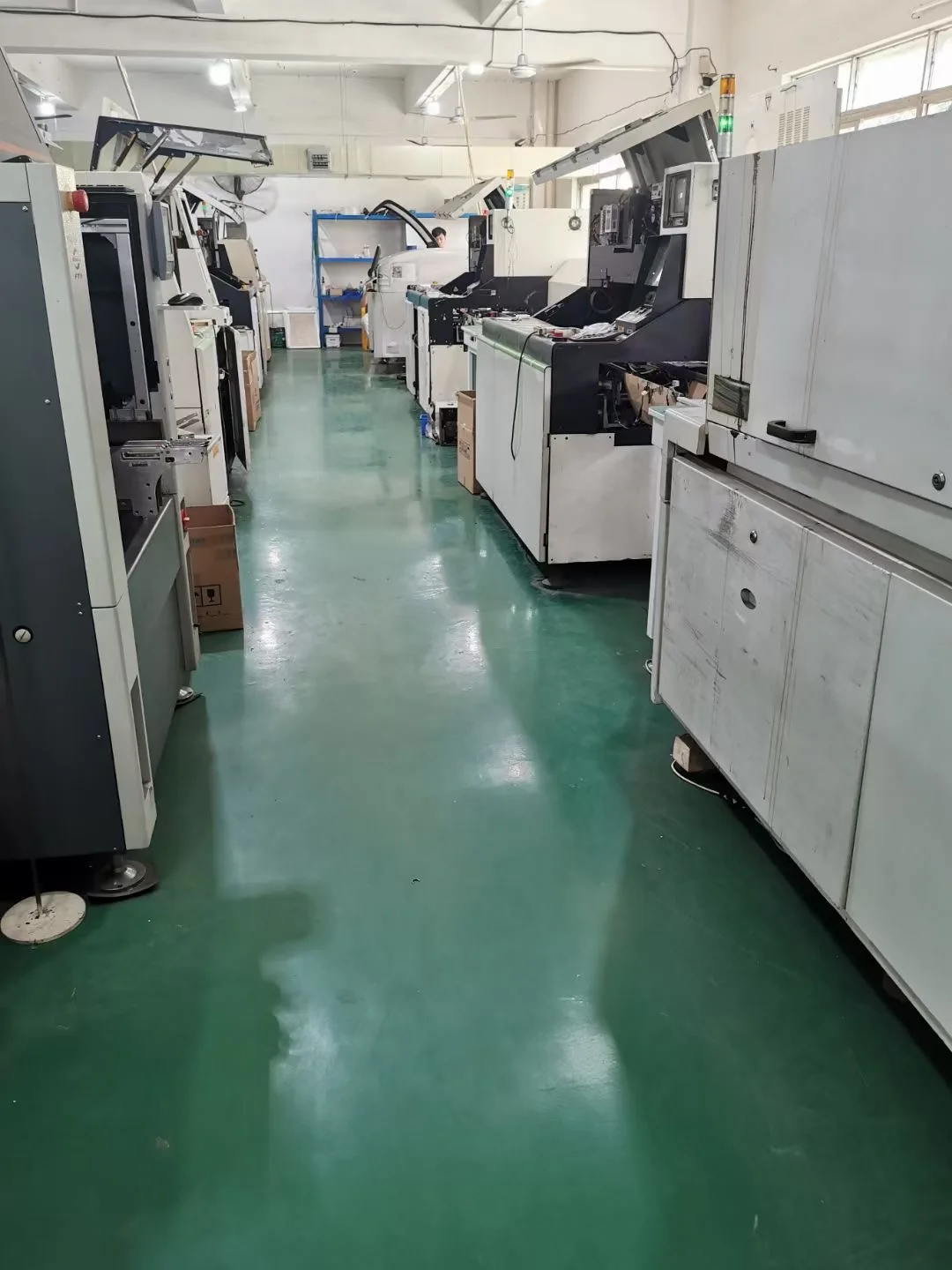
Zhongshan Hedihui Technology Co., Ltd.
- Trading Company
- Guangdong, China
- Lead time5 days
- Avg. response≤ 7h
Main productsneon light,emergency bulb,floodlight,led modules,strip light
Main marketsNorth America(50.00%), Mid East(30.00%), Eastern Asia(20.00%)

$1.0576 - $1.1804
MOQ: 20 meters
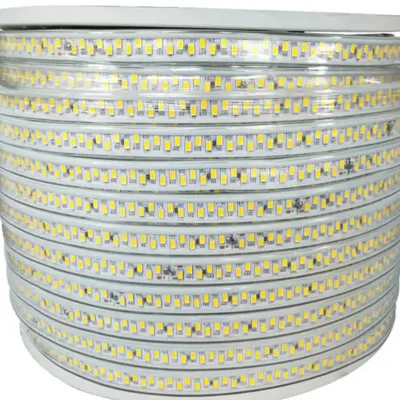
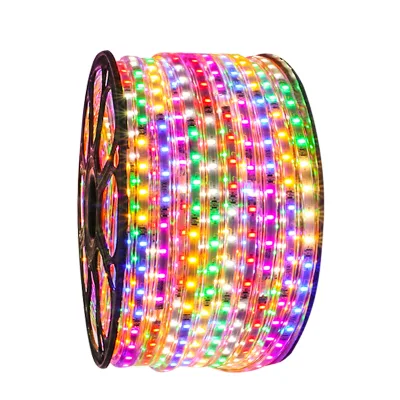
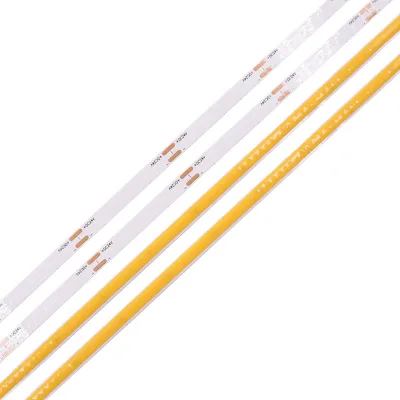
$1.468 - $1.883
MOQ: 10 meters
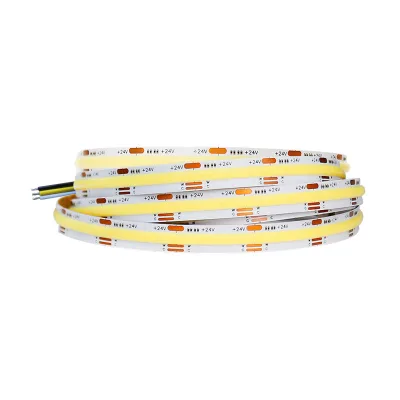
$2.3683 - $2.7818
MOQ: 10 meters
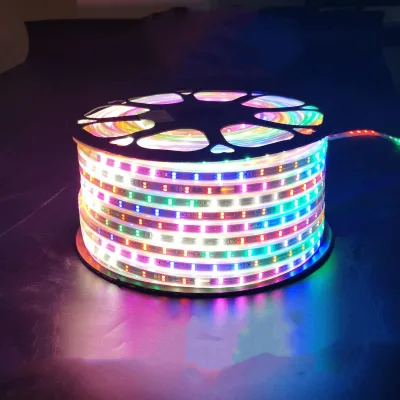
$0.349 - $0.4928
MOQ: 100 meters

Shanghai Yizhiniu Building Materials Trading Co., Ltd
- Verified by SGS
- Trading Company
- China Shanghai
- Lead time15 days
- Avg. response≤ 24h
Main productsFaucets, Door Handles, Taps, Hand Tools, Pneumatic Components, LED Lights/LED Taps, Chandelier, Engineering Pipes, Towel Rack, Electrical Conduits
Main marketsDomestic

Shenzhen Luk Technology Co., Ltd.
- Verified by SGS
- Manufacturer/Factory
- China Guangdong
- Lead time23 days
- Avg. response≤ 1h
Main productsLED Lighting, LED Strips, LED Modules, Neon Strip, Outdoor Lighting
Main marketsSouth America,Eastern Europe,Mid East,North America,Southeast Asia,Eastern Asia,Oceania,Western Europe,Africa


IP65 LED Strip/LED Flexible Strip/Neon Lights/LED-Light for Christmas Lights
$1.00 - $1.99
MOQ: 100 Pieces

LED Light Strip/LED Lighting/LED Strip Light/LED Strip Fixture for LED Decoration
$1.00 - $1.99
MOQ: 100 Pieces

LED Light Strip/LED outdoor Light/LED Strip Light/LED Strip Fixture for LED Decoration
$1.00 - $1.99
MOQ: 100 Pieces

Shenzhen Lightingman Technology Co., Ltd.
- Manufacturer, Trading Company
- Guangdong, China
- Lead time3 days
- Avg. response≤ 5h
Main productsLight Strips,Neon Lights,Linear Lights,Aluminum Profiles,Fantasy Light Strips
Main marketsEastern Asia(100.00%), Mid East(100.00%), Central America(100.00%), Oceania(100.00%), Africa(100.00%), Domestic Market(100.00%), Southern Europe(100.00%), South America(100.00%), South Asia(100.00%), Northern Europe(40.00%), Eastern Europe(25.00%), North America(20.00%), Southeast Asia(10.00%), Western Europe(5.00%)

Beauty (GD) Manufacturing Co., Limited
- Verified by TUVRHEINLAND
- Manufacturer/Factory
- China Guangdong
- Lead time23 days
- Avg. response≤ 7h
Main productsLED Strip Light
Main marketsSouth America,Eastern Europe,Mid East,North America,Southeast Asia,Eastern Asia,Oceania,Western Europe,Africa
Changsha Dengdu E-commerce Co., Ltd.
- Trading Company
- Hunan, China
- Lead time0 days
- Avg. response≤ 2h
Main productslighting
Main marketsNorth America(51.00%), Northern Europe(49.00%)
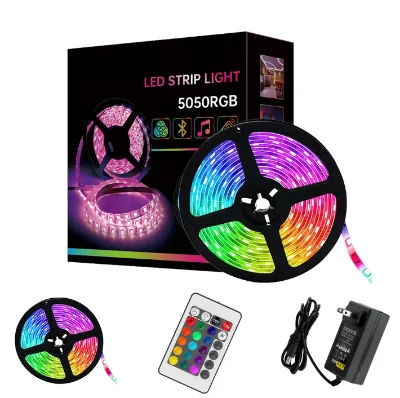
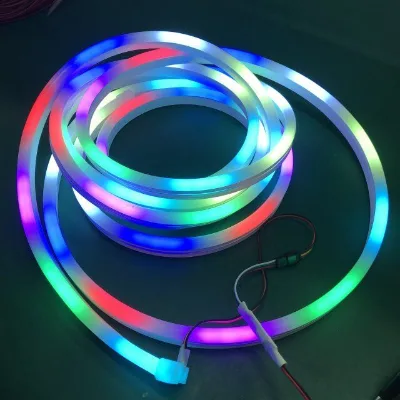
5050 RGB LED Strips Light Led Flex Tube Flexible Silicone Waterproof Digital RGB Light Strip
$10.483 - $12.5802
MOQ: 100 Minimum
Jiangmen Hezhongyi Technology Co., Ltd
- Manufacturer, Trading Company
- guangdong, China
- Lead time7 days
- Avg. response≤ 8h
Main productsLED STRIP LIGHT,POWER SUPPLY,SOLAR SYSTEM,LED COB STRIP,LED MODULES
Main marketsMid East(20.00%), Southeast Asia(16.00%), South America(15.00%), Eastern Asia(10.00%), South Asia(5.00%), Western Europe(5.00%), Eastern Europe(5.00%), North America(5.00%), Oceania(5.00%), Africa(5.00%), Central America(3.00%), Southern Europe(3.00%), Northern Europe(3.00%)
$0.37 - $0.48
MOQ: 100 meters

Zhongshan Xingrou Lighting Technology Co., Ltd
- Verified by SGS
- Combined
- China Guangdong
- Lead time15 days
- Avg. response≤ 9h
Main productsLED Strip Light, COB Strip Light, Flexible Neon Light Strip, LED Strip, LED Rope Light, LED Light Bar, LED Linear Light
Main marketsDomestic


2835-120d-6.8mm 220V~240V Strip Lights 120d LED Flexible Strip LED Strip
$0.18 - $0.24
MOQ: 1000 Meters


Flexible Dimmable LED Strip Light with 120LED for Custom Lighting Needs
$0.26 - $0.40
MOQ: 1000 Meters
- Manufacturer, Trading Company
- Guangdong, China
- Lead time4 days
- Avg. response≤ 2h
Main productsLed Strip
Main marketsWestern Europe(70.00%), North America(10.00%), Eastern Europe(10.00%), Domestic Market(10.00%)
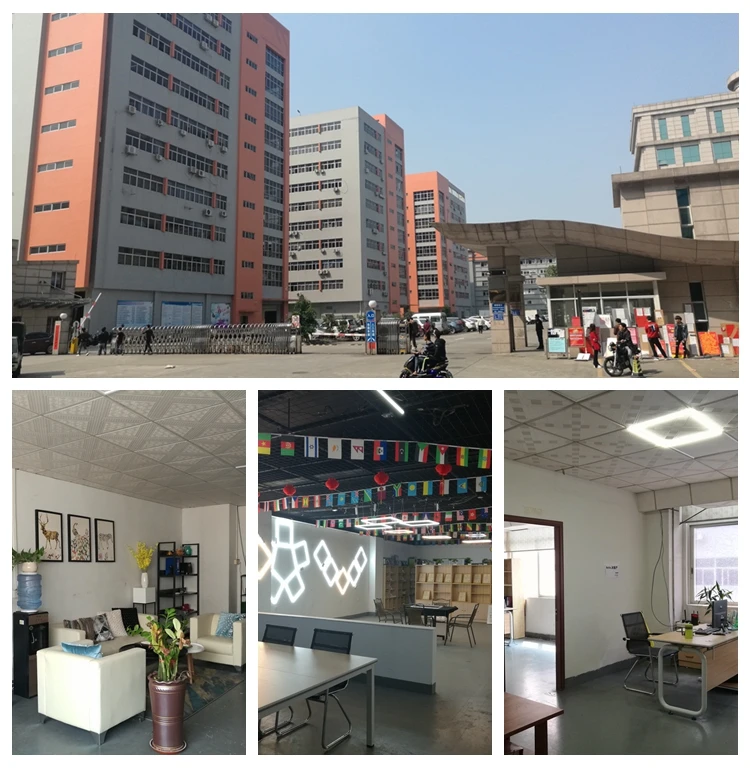
Meizhou Juncheng Technology Co., Ltd.
- Trading Company
- Guangdong, China
- Lead time7 days
- Avg. response≤ 4h
Main productsled strip light,led flex neon light,led solar light,led street light,led wall light
Main marketsEastern Europe(20.00%), South America(20.00%), North America(20.00%), Eastern Asia(5.00%), Mid East(5.00%), Central America(5.00%), Africa(5.00%), Southeast Asia(5.00%), Northern Europe(3.00%), Oceania(3.00%), Domestic Market(3.00%), Western Europe(2.00%), South Asia(2.00%), Southern Europe(2.00%)
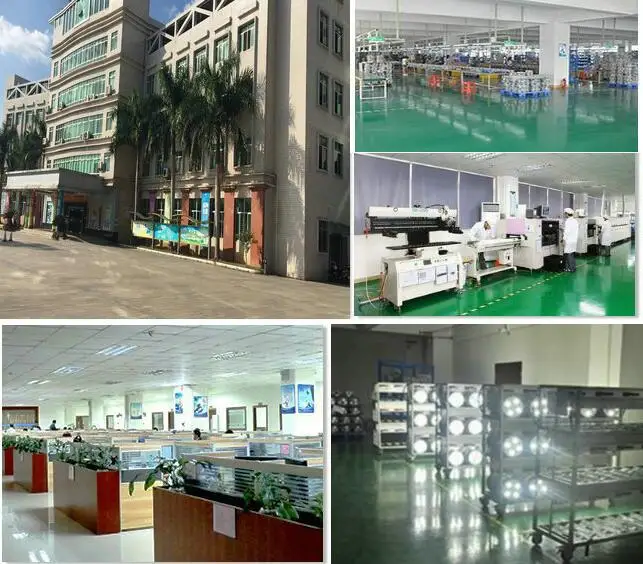
Green Lantern Optoelectronic Light Factory
- Manufacturer, Trading Company
- Guangdong, China
- Lead time7 days
- Avg. response≤ 7h
Main productscamping lanetern,head lamp,flashlight,led strip light,led night light
Main marketsWestern Europe(17.00%), Southern Europe(13.00%), Domestic Market(12.00%), Mid East(10.00%), Central America(9.00%), Northern Europe(8.00%), South America(8.00%), North America(7.00%), Eastern Asia(5.00%), Eastern Europe(5.00%), South Asia(2.00%), Africa(1.00%), Southeast Asia(1.00%)
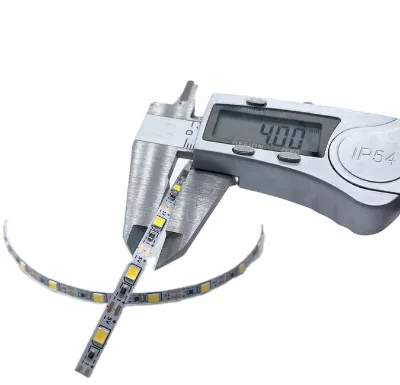
2835 Led Strip Light FLX 5V Led Strip Led Strip Light 3V 120LED/M 8MM 4MM
$0.8179 - $0.9318
MOQ: 25 meters
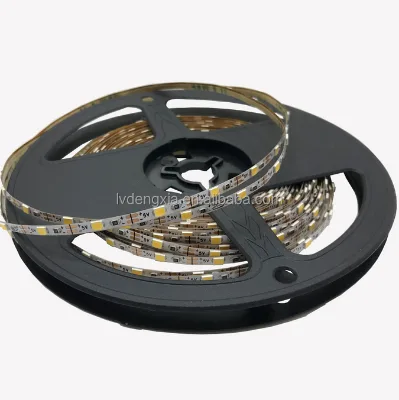
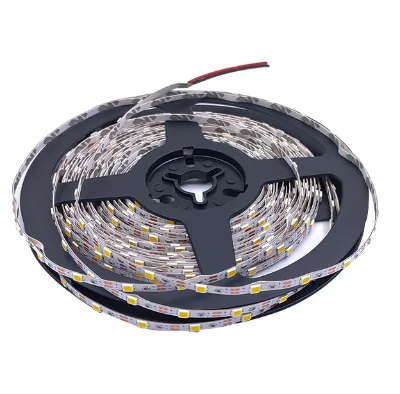

Shenzhen Star Sources Lighting Technology Co., Ltd.
- Manufacturer, Trading Company
- Guangdong, China
- Lead time20 days
- Avg. response≤ 5h
Main productsLED Lighting,LED Lam,LED Indoor & Outdoor Lamp,LED Table Lamp,Socket
Main marketsSouth America(40.00%), Western Europe(40.00%), Eastern Asia(8.00%), Mid East(7.00%), North America(3.00%), Central America(2.00%)
Huizhou Lyw Optoelectronics Co., Ltd.
- Verified by SGS Group
- Manufacturer, Trading Company
- Guangdong, China
- Lead time10 days
- Avg. response≤ 2h
Main productsLED Smart Strip Lights, LED Neon Lights, LED Rigid Light Bars, LED Cabinet Lights, LED Flexible Wall Washers
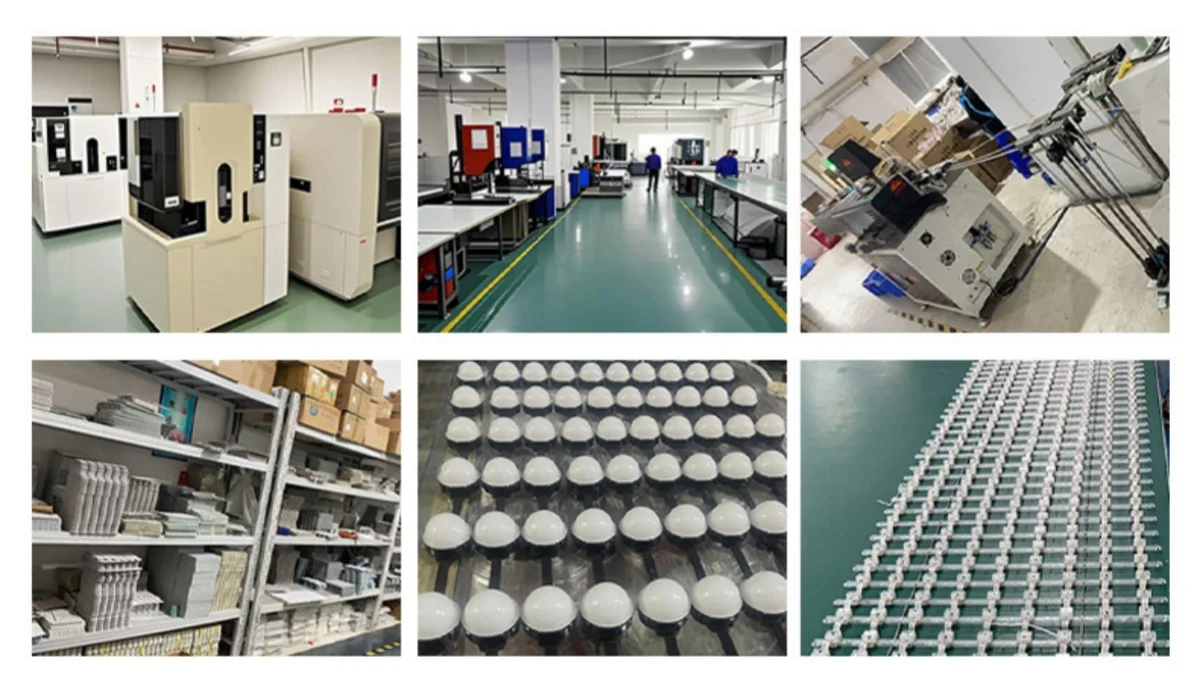
Shenzhen Lindeng Lighting Technology Co., Ltd.
- Manufacturer
- Guangdong, China
- Lead time15 days
- Avg. response≤ 3h
Main productsNeon LED Flex,Neon Sign Customize,LED Linear Light,LED Night Light,Smart LED Stair Lights
Main marketsEastern Europe(40.00%), Western Europe(30.00%), North America(25.00%), Southeast Asia(5.00%)
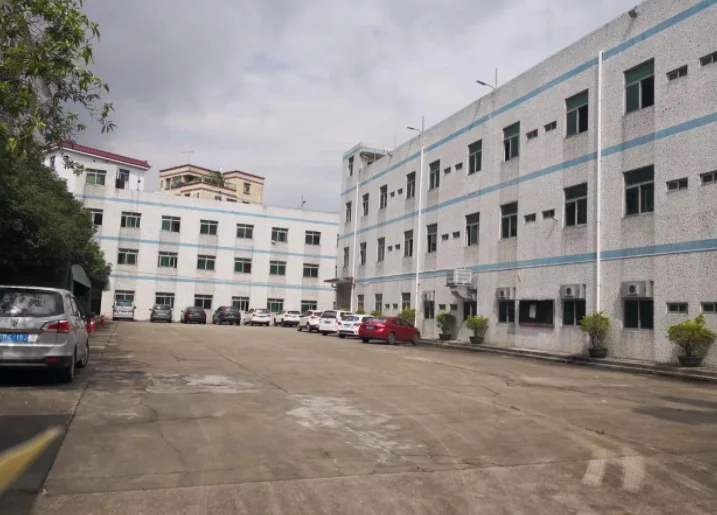
Shenzhen Gensheng Technology Co., Ltd.
- Manufacturer, Trading Company, Distributor/Wholesaler
- Guangdong, China
- Lead time20 days
- Avg. response≤ 8h
Main productsCommercial and Industrial Lighting,Indoor lighting,outdoor lighting,Smart strip light,holiday lighting
Main marketsNorth America(17.00%), South Asia(15.00%), Eastern Europe(10.00%), Oceania(9.00%), Southeast Asia(9.00%), Northern Europe(8.00%), Mid East(6.00%), Central America(5.00%), South America(5.00%), Domestic Market(5.00%), Western Europe(3.00%), Eastern Asia(3.00%), Africa(3.00%), Southern Europe(2.00%)
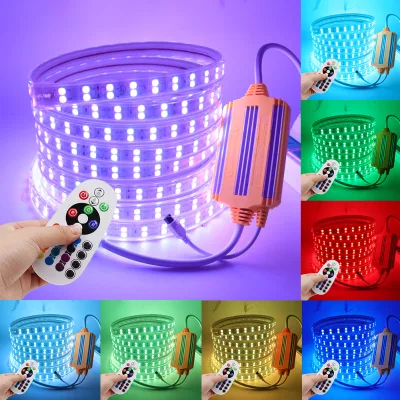
$0.60 - $1.65
MOQ: 100 Minimum

Shenzhen Ledodm Lighting Co., Ltd.
- Verified by Intertek
- Manufacturer, Trading Company
- Lead time15 days
- Avg. response≤ 2h
Main productsLED Strip Light, LED Neon Light, Rigid LED Strip
Main marketsNorth America(23%), Domestic Market(20%), Eastern Europe(15%)

Changzhou Wangkaiyue Lighting Technology Co., Ltd.
- Manufacturer/Factory
- China Jiangsu
- Lead time0 days
- Avg. response≤ 16h
Main productsGarden Light, LED Strip, Outdoor Lighting, Solar Garden Light, LED Outdoor Lighting, Solar Garden Lamp, Street Light, Street Lighting


Flexible LED Strip Light Suitable Flexible COB LED Strip Light for Outdoor Use
$1.50 - $7.00
MOQ: 100 Pieces

Flexible Strip Easy Installation Flexible COB LED Strip Light for Long Lifespan
$1.50 - $7.00
MOQ: 100 Pieces
- Verified by Intertek
- Manufacturer, Trading Company
- Lead time7 days
- Avg. response≤ 1h
Main productsCOB LED Strip, LED Strip Light, LED Module, Aluminium Profile
Main marketsNorth America(70%), Western Europe(10%), Southern Europe(8%)

Shenzhen GISIH Lighting Co., Ltd.
- Manufacturer/Factory
- China Guangdong
- Lead time15 days
- Avg. response≤ 2h
Main productsLED Display Special Lights, LED Ceiling Spotlight, LED Cabinet Spotlight, LED Track Light, LED Ceiling Light, LED Vertical Spotlight, LED Downlight, LED Strip Light, LED Showcase Lights
Main marketsSouth America,Eastern Europe,Mid East,North America,Southeast Asia,Eastern Asia,Oceania,Western Europe,Africa




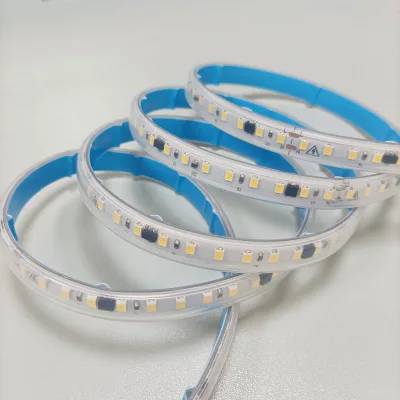
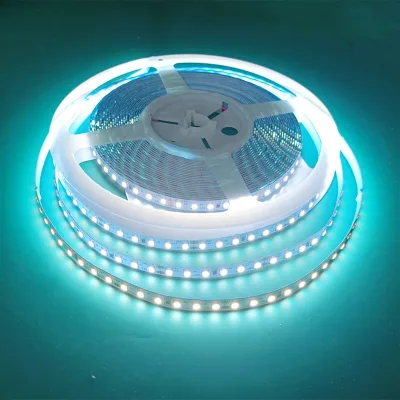
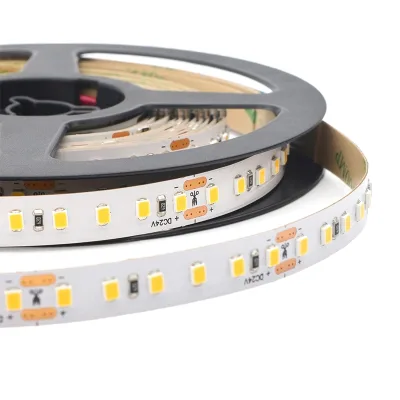
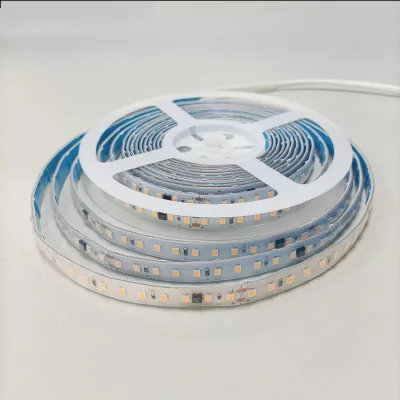



Comprehensive Sourcing Guide
Bendable Residential LED Light Strip Supplier Concentration and Factory Types
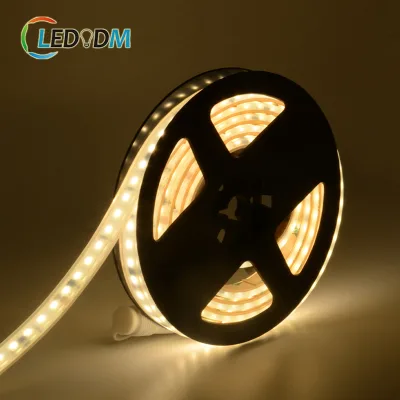
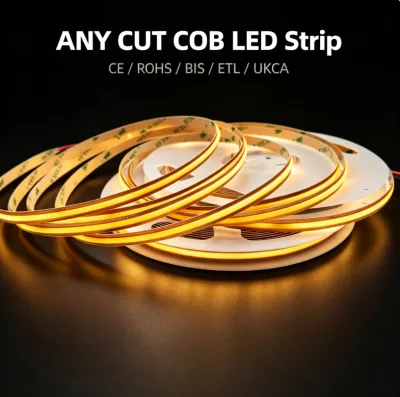
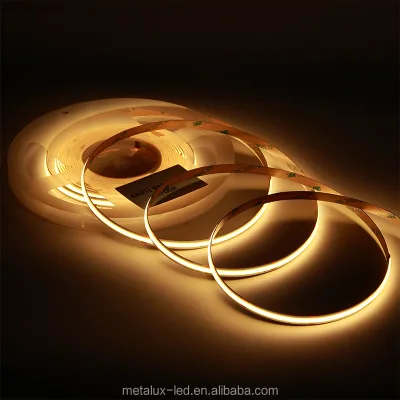
The current supplier landscape for bendable residential LED light strips is dominated by trading companies rather than direct manufacturers, a structural detail that significantly influences procurement strategy and communication channels. Buyers evaluating these suppliers must recognize that the primary entity type listed is a Trading Company, which acts as an intermediary between the factory floor and the international buyer. This configuration often provides access to a broader portfolio of products, such as LED Flexible Strips, LED Modules, Backlit LED Bars, Edge Lit LED Bars, and LED Neon Lights, all under one roof. For buyers seeking a single source for comprehensive lighting solutions, this aggregation of main products can streamline the sourcing process, allowing for consolidated shipping and unified customer service interactions. However, it also introduces a layer of complexity regarding direct factory communication, quality control oversight, and potential margin structures that differ from direct factory engagements.
Understanding the operational model of these trading companies is crucial for setting realistic expectations regarding customization and technical support. While these entities facilitate trade, their capabilities in research and development are often centered around sample processing, graphic processing, and customized on-demand services, as indicated by their stated capacity. This suggests that while they may not own the heavy machinery for raw material extrusion or SMD soldering, they possess the logistical and technical agility to handle specific design requests and rapid prototyping. Buyers should leverage this flexibility for residential projects that require unique form factors, such as the S-shape foldable strips or COB (Chip on Board) variants, which offer higher density and smoother light diffusion. The trading company model effectively bridges the gap between standardized mass production and the bespoke needs of residential interior design, provided the buyer clearly defines their technical requirements upfront to avoid miscommunication during the customization phase.
How to Verify Bendable Residential LED Light Strip Suppliers
Verification of suppliers in this category requires a multi-layered approach that prioritizes third-party validation and certification scrutiny over self-reported claims. A critical first step is to check for independent verification badges, such as the SGS Group verification observed in the current results, which provides a baseline of trust regarding the supplier’s business legitimacy and operational stability. Beyond basic business registration checks, buyers must rigorously examine the product certifications listed for specific items, as these documents are the primary evidence of compliance with international safety and environmental standards. The presence of certifications like RoHS, CE, UKCA, and Declaration of Conformity indicates that the supplier’s products meet specific regulatory requirements for the European and UK markets, which is essential for residential lighting products that will be installed in homes. Buyers should request copies of these certificates and verify their validity with the issuing bodies to ensure they are current and not expired or forged.
In addition to certifications, buyers should assess the supplier’s responsiveness and technical competence as indicators of their reliability. The response time metric, which can be as low as one hour in some cases, serves as a practical measure of the supplier’s operational efficiency and customer service quality. A rapid response often correlates with a well-organized internal team capable of handling inquiries, providing technical datasheets, and coordinating samples efficiently. Furthermore, buyers should evaluate the detailed product attributes provided, such as the Color Rendering Index (Ra), which is listed as 80 or 90 for various strips, and the Beam Angle, which ranges from 120° to 180°. These technical specifications are not just marketing points but critical data points for verifying that the supplier understands the application requirements of residential lighting. By cross-referencing these detailed attributes with the supplier’s ability to provide accurate and timely information, buyers can build a comprehensive profile of the supplier’s professionalism and capability before committing to any orders.
What to Compare Across Bendable Residential LED Light Strip Suppliers
When evaluating multiple suppliers for bendable residential LED light strips, buyers must systematically compare key operational and product dimensions to identify the best fit for their specific project needs. One of the most critical factors is the lead time, which is listed as 10 days in the current results, indicating the typical turnaround for production and preparation. This metric should be weighed against the buyer’s project timeline to ensure that delivery schedules are realistic and achievable. Additionally, the Minimum Order Quantity (MOQ) is a significant differentiator, with some suppliers requiring an MOQ of 100 units. Buyers with smaller residential projects or those testing new designs should prioritize suppliers with lower MOQs to minimize inventory risk and capital tie-up. Comparing these logistical constraints across different suppliers allows buyers to filter out those who are not aligned with their volume requirements and focus on partners who can accommodate their scale of operation.
Product specifications and pricing structures also require careful comparison to ensure value and quality alignment. Buyers should examine the LED density, which varies from 72 LEDs per meter to 480 LEDs per meter, and the corresponding power consumption, ranging from 7.2W/m to 12W/m. Higher density strips, such as the COB variants with 420 or 480 LEDs per meter, offer a more uniform light output but come at a higher price point, with prices ranging from approximately $2.06 to $3.99 per unit depending on the model and specifications. Buyers must balance the aesthetic requirements of their residential designs with the budget constraints, considering factors like the Color Temperature options (2700K to 6500K) and the IP Rating, which is listed as IP20 for some strips, indicating they are suitable for indoor use only. By creating a comparison matrix that includes lead time, MOQ, price, LED density, and certification status, buyers can make data-driven decisions that optimize both cost and performance for their specific sourcing needs.
Common Bendable Residential LED Light Strip Sourcing Risks
One of the primary risks in sourcing bendable residential LED light strips is the discrepancy between advertised specifications and actual product performance, particularly regarding durability and electrical safety. Buyers must be cautious of products with low IP ratings, such as IP20, which are not waterproof and are strictly for indoor use. If a buyer mistakenly orders these for areas with high humidity or potential moisture exposure, such as bathrooms or kitchens, the strips may fail prematurely, leading to customer complaints and returns. Additionally, the lifespan of the LEDs, often listed as 50,000 hours, is a theoretical maximum under ideal conditions. In real-world residential applications, factors like heat dissipation, voltage stability, and installation quality can significantly impact the actual lifespan. Buyers should verify the thermal management features of the strips, such as the use of aluminum profiles, to ensure that the heat generated by the LEDs is effectively dissipated, preventing premature degradation of the light output and color consistency.
Another significant risk is the variability in connectivity and control systems, which can complicate integration into smart home ecosystems. The current results show a mix of connectivity technologies, including Bluetooth, Wi-Fi, and remote control options, with some strips supporting dimming and others offering programmable IC features like WS2811. Buyers must ensure that the control systems they select are compatible with their existing smart home infrastructure or the specific requirements of their residential clients. Misalignment in control protocols can lead to installation failures and user frustration. Furthermore, the warranty terms, which are listed as 3 years for some products, provide a layer of protection, but buyers must understand the claims process and the supplier’s support structure. If a supplier has a poor track record or lacks clear warranty procedures, the theoretical protection offered by the warranty may be difficult to realize in practice. Buyers should prioritize suppliers with transparent warranty policies and responsive customer support to mitigate these operational risks.
Bendable Residential LED Light Strip Regional Sourcing and Logistics
The geographic origin of bendable residential LED light strips plays a crucial role in determining logistics costs, lead times, and regulatory compliance. The current supplier results indicate that the Place of Origin is Guangdong, China, a region known for its robust electronics manufacturing ecosystem and efficient supply chain infrastructure. Sourcing from this region offers access to a wide variety of products and competitive pricing, but buyers must also consider the implications of international shipping and customs clearance. The single package size and weight, such as 25x21x7 cm and 1.000 kg for some strips, or 52x36x30 cm and 0.150 kg for others, directly impact shipping costs and handling requirements. Buyers should calculate the total landed cost, including freight, insurance, and duties, to ensure that the final price remains competitive in their target market. Understanding the logistics nuances of sourcing from Guangdong can help buyers optimize their supply chain and avoid unexpected delays or costs.
Regulatory compliance is another critical aspect of regional sourcing, as different markets have varying requirements for imported electronic products. The presence of certifications like CE, UKCA, and RoHS indicates that the products from Guangdong are designed to meet European and UK standards, which is beneficial for buyers targeting these markets. However, buyers must also ensure that the products comply with local regulations in their specific country of import, such as FCC certification for the United States or other regional standards. The HS Code listed for some products, such as 9405409000, is essential for accurate customs classification and duty calculation. Buyers should work with their freight forwarders to ensure that the correct HS codes are used and that all necessary documentation is prepared in advance to facilitate smooth customs clearance. By proactively addressing these regional and logistical considerations, buyers can streamline the import process and ensure that their supply chain operates efficiently and compliantly.
Bendable Residential LED Light Strip Commercial Terms and Order Planning
Effective order planning for bendable residential LED light strips requires a clear understanding of commercial terms, payment structures, and inventory management strategies. Buyers should negotiate clear terms regarding payment methods, such as using escrow services to protect their funds until the goods are received and verified. This is particularly important when dealing with new suppliers or large orders, as it provides a layer of financial security and ensures that the supplier fulfills their obligations before payment is released. Additionally, buyers should establish clear communication channels for order tracking and updates, ensuring that they are informed of any potential delays or changes in production schedules. The lead time of 10 days, as observed in the current results, should be factored into the overall project timeline, allowing for buffer time for quality inspections and shipping. By planning orders well in advance and maintaining open communication with suppliers, buyers can minimize the risk of stockouts or project delays.
Inventory management is another critical component of order planning, as buyers must balance the need for sufficient stock with the risk of overstocking. The MOQ of 100 units, for example, requires buyers to assess their sales velocity and storage capacity to determine the optimal order quantity. Buyers should also consider the shelf life and storage conditions of the LED strips, as improper storage can lead to damage or degradation of the components. The warranty period of 3 years provides a guideline for inventory rotation, ensuring that older stock is sold before the warranty period expires. Furthermore, buyers should plan for accessories and complementary products, such as LED drivers, aluminum profiles, and dimmers, which are often sold separately but are essential for a complete lighting solution. By integrating these considerations into their order planning process, buyers can optimize their inventory levels, reduce holding costs, and ensure a steady supply of products to meet market demand.
FAQs
What certifications do bendable LED strips have?
These strips typically hold RoHS, CE, UKCA, and Declaration of Conformity certifications. Some products also display UL marks. Buyers should verify specific certificates for their target market to ensure compliance with local electrical safety and environmental regulations before placing bulk orders.
What is the typical lead time for orders?
The standard lead time for these products is approximately 10 days. This duration allows for sample processing and customized graphic handling. Buyers requiring urgent delivery should confirm exact timelines with the supplier, as production schedules may vary based on order volume and customization needs.
What is the minimum order quantity?
The minimum order quantity is 100 units. This threshold applies to standard bendable LED strip listings. Buyers seeking smaller quantities for prototyping should inquire about sample availability, as some suppliers offer sample processing services to accommodate initial testing requirements before committing to larger purchases.
What color temperatures are available?
Available color temperatures include 2700K, 3000K, 4000K, and 6500K. Some dynamic white options are also offered. These ranges allow for versatile residential lighting applications. Buyers should select the appropriate CCT based on their desired ambiance, ensuring compatibility with their existing lighting control systems.
What is the expected lifespan of these strips?
The expected lifespan is 50,000 hours. This duration ensures long-term reliability for residential installations. Buyers should consider proper heat dissipation and voltage stability to maximize this lifespan. Regular maintenance and adherence to manufacturer guidelines will help achieve the stated operational hours effectively.
What input voltages are supported?
These strips support DC12V and DC24V input voltages. The specific voltage depends on the model and length. Buyers must ensure their power supplies match the strip requirements to prevent damage. Using the correct voltage ensures optimal performance and safety for the installed lighting system.