Source Boat Trailer Wheel Hub for Marine, Utility, and Cargo Use
Compare 30 verified listings for Boat Trailer Wheel Hub components including steel and alloy options. Buyers can evaluate axle specifications, payload capacities, and certifications like ISO and DOT for marine and utility applications.
Key considerations
Products List
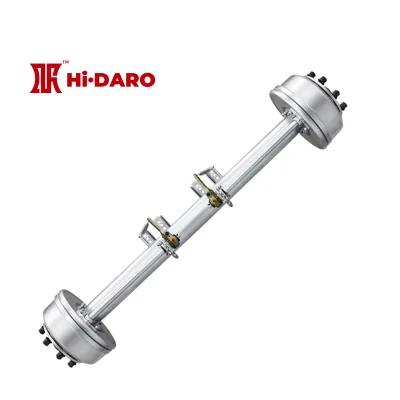
Trailer Hub Wheel Hub 10 Ton Axle with Tire Trailer Kit Boat Trailer Axles
$320.00 - $366.00
MOQ: 50 pieces


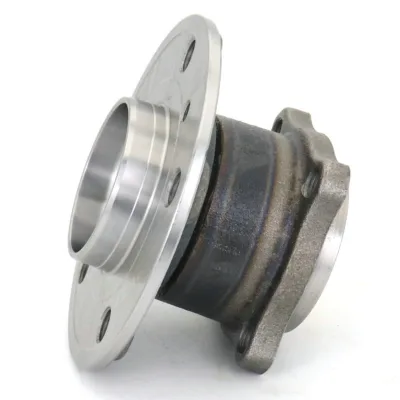


Quality Trailer Axle 10 Bolt Wheel Hub for Boat Semi Trailer Truck Parts
$40.00 - $46.00
MOQ: 280 Pieces


Forged Trailer Boat Trailer Spindle and 5 Bolt Galvanized Hub for 3500 Lb Axles
$5.00 - $8.00
MOQ: 500 Pieces
Comprehensive Sourcing Guide
Strategic Sourcing Guide for Boat Trailer Wheel Hubs
Understanding Technical Specifications and Component Variability
When sourcing boat trailer wheel hubs, buyers must navigate a complex landscape of technical specifications that vary significantly based on the intended vessel size, payload requirements, and environmental exposure. The core component, the wheel hub, serves as the critical interface between the rotating wheel assembly and the stationary trailer axle. In the context of boat trailers, which often operate in corrosive marine environments, the material composition and dimensional tolerances are paramount. Available data indicates that manufacturers utilize a diverse range of materials, including steel, aluminum, and alloy constructions. Steel hubs are frequently observed for their robustness in high-load scenarios, while aluminum and alloy options are often selected for their weight reduction properties, which can be beneficial for smaller boat trailers where fuel efficiency and towing dynamics are prioritized.
Dimensional accuracy is another non-negotiable aspect of the procurement process. The wheel hub diameter is a primary specification that dictates compatibility with the wheel rim and the axle spindle. Market observations show a wide spectrum of diameters, ranging from less than 16 inches to sizes extending up to 20 inches. This variance necessitates that buyers verify the exact diameter required for their specific trailer model before placing an order. Furthermore, the axle tube dimensions, such as the 127mm specification observed in certain listings, must align precisely with the hub's internal bore to ensure a secure fit. The track width, often standardized at 1840mm in certain configurations, also influences the overall stability of the trailer. Buyers should treat these numerical values as reference points for specific product lines rather than universal standards, as customizations are frequently available to meet unique trailer geometries.
The braking system integration is equally critical for boat trailers, which often carry heavy loads requiring reliable stopping power. Specifications for brake components, such as the 410*150mm dimensions, indicate the size of the brake assembly that the hub must accommodate. Additionally, the air chamber center distance, observed at 365mm in some configurations, is a vital measurement for ensuring proper alignment with the trailer's suspension and braking architecture. The bolt pattern, specifically the 8xM20x1.5 ISO standard, defines the fastening requirements for the wheel to the hub. Deviations in bolt count, thread pitch, or diameter can lead to catastrophic failure under load. Therefore, a thorough review of these mechanical interfaces is essential before finalizing any procurement decision.
Compliance, Certification, and Regulatory Standards
Navigating the regulatory landscape for boat trailer components requires a rigorous understanding of international and regional certification standards. The safety and reliability of wheel hubs are not merely matters of performance but of legal compliance, particularly when transporting goods across borders or operating in regulated markets. The supply chain for these components often references multiple certification bodies, including ISO, DOT, and VIA. The presence of ISO certification suggests adherence to international quality management systems, ensuring that the manufacturing processes are consistent and reliable. However, the specific nature of the ISO standard (e.g., ISO 9001 for quality management versus ISO 14001 for environmental management) should be verified by the buyer, as the term "ISO" alone is a broad descriptor.
For markets in North America, the Department of Transportation (DOT) certification is a critical benchmark. Products listing DOT compliance indicate that they meet specific federal safety standards regarding material strength, durability, and performance under stress. This is particularly relevant for boat trailers used on public roads, where non-compliant components can lead to legal liabilities and safety hazards. Similarly, the VIA certification, often associated with vehicle equipment standards, adds another layer of assurance regarding the component's suitability for vehicular applications. Buyers must be cautious, as the presence of multiple certifications (ISO, DOT, VIA) in a single product listing may indicate a product line that covers various market requirements, but it does not guarantee that every specific SKU within that line holds all listed certifications.
It is imperative for buyers to request specific certification documentation rather than relying on marketing claims. The verification process should include checking the validity of the certificates against the issuing body's database and ensuring that the certification scope explicitly covers the manufacturing of wheel hubs and related axle components. Furthermore, the origin of the product, often cited as Shandong, China, or generally China, does not inherently dictate the quality or compliance level. Instead, the focus should remain on the documented evidence of compliance provided by the supplier. Buyers should also consider local regulations that may exceed international standards, such as specific corrosion resistance requirements for marine environments, which might not be explicitly covered by general DOT or ISO certifications.
Cost Drivers and Pricing Dynamics in the Supply Chain
The pricing of boat trailer wheel hubs is influenced by a multitude of factors, ranging from raw material costs to logistical complexities and order volume. The observed price range in the market spans from $0.10 to $1,000 USD, a variance that reflects the diversity of product types, from simple replacement hubs to complete axle assemblies with integrated braking systems. Several key drivers contribute to this wide spectrum. The primary material cost is a significant factor; hubs made from high-grade steel or specialized alloys will naturally command a higher price than those made from standard carbon steel or basic aluminum. The manufacturing process also plays a role, with finishing techniques such as chrome plating or black coating adding value and cost due to the additional labor and chemical treatments required.
Order volume, or the Minimum Order Quantity (MOQ), is another critical determinant of unit pricing. The market data indicates an MOQ range from 1 to 1,000 units. Buyers purchasing small quantities, often for repair or prototyping purposes, will face higher per-unit costs due to the fixed costs of production setup and logistics. Conversely, bulk purchasers can leverage economies of scale to reduce the unit price significantly. The packaging method, whether carton, pallet, or bulk, also impacts the final cost. Palletized shipping, while more secure and efficient for large orders, may incur additional handling fees compared to bulk shipments.
Logistics and origin location are further cost drivers. Products originating from specific manufacturing hubs like Shandong, China, benefit from established supply chains and lower labor costs, but international shipping fees, tariffs, and insurance must be factored into the total landed cost. The single gross weight of certain components, such as the 180.000 kg observed for specific packages, highlights the heavy nature of these items, which directly influences freight charges. Buyers should conduct a total cost of ownership analysis that includes not just the unit price but also shipping, duties, and potential inventory holding costs. Understanding these dynamics allows procurement teams to negotiate more effectively and select suppliers that offer the best value proposition based on their specific volume requirements and logistical capabilities.
Typical Applications and Load Capacity Considerations
Boat trailer wheel hubs are designed for a specific set of applications, primarily serving the marine transport industry where durability and resistance to water exposure are essential. The primary application is for trailers used to transport boats, ranging from small personal watercraft to large yachts. The suitability of a hub for a specific application is largely determined by its load capacity. Market specifications indicate a maximum payload capacity of 8 tons for certain heavy-duty models, while other configurations may be designed for lighter loads. This variation means that buyers must carefully match the hub's rated capacity to the gross weight of the boat and trailer combination to prevent structural failure.
The drive wheel configuration is another factor that influences application suitability. While boat trailers are typically towed and do not have a drive wheel in the traditional sense, the terminology in the supply chain sometimes references FWD, RWD, or 4WD configurations, which may refer to the axle's design or compatibility with specific towing vehicles. For boat trailers, the focus is usually on the axle's ability to support the load and the hub's ability to facilitate smooth rotation under static and dynamic conditions. The type of wheel application, explicitly listed as "Trailer Use," confirms that these components are engineered for the unique stresses of towing, including braking forces and cornering loads.
Furthermore, the customization options available in the market allow for tailoring hubs to specific boat trailer designs. Whether it is adjusting the track width, modifying the bolt pattern, or selecting a specific material for corrosion resistance, customization ensures that the hub fits the exact requirements of the trailer. The model numbers, such as DRT08 or W11X20, serve as identifiers for these specific configurations. Buyers should verify that the chosen model number aligns with the physical dimensions and load requirements of their specific boat trailer. Misalignment in these areas can lead to premature wear, safety hazards, and increased maintenance costs.
Supplier Evaluation and Quality Assurance Protocols
Evaluating suppliers for boat trailer wheel hubs requires a multi-faceted approach that goes beyond simple price comparisons. Buyers should assess the supplier's production capabilities, quality control processes, and track record in the industry. The availability of customization services is a strong indicator of a supplier's flexibility and technical competence. Suppliers that offer custom solutions are often better equipped to handle unique requirements, such as specific bolt patterns or material specifications, which are common in the marine industry. Additionally, the packaging standards, whether using cartons, pallets, or bulk methods, reflect the supplier's attention to detail and commitment to protecting the product during transit.
Quality assurance protocols are critical for ensuring the longevity and safety of the wheel hubs. Buyers should inquire about the supplier's internal testing procedures, including load testing, corrosion resistance testing, and dimensional accuracy checks. While specific test results may not always be publicly available, a reputable supplier will be transparent about their quality control measures and willing to provide documentation upon request. The presence of certifications like ISO, DOT, and VIA is a positive signal, but it should be complemented by a review of the supplier's audit history and customer feedback.
The geographical location of the supplier, such as Shandong, China, can also be a factor in the evaluation process. Proximity to manufacturing hubs often indicates access to a robust supply chain and skilled labor force. However, buyers should also consider the logistical implications of sourcing from this region, including lead times and shipping reliability. Establishing a clear communication channel with the supplier is essential for resolving any issues that may arise during the procurement process. A supplier that is responsive and transparent about their capabilities and limitations is more likely to deliver a high-quality product that meets the buyer's expectations.
Long-Term Procurement Strategies and Maintenance Planning
Sourcing boat trailer wheel hubs is not a one-time transaction but part of a long-term procurement strategy that involves ongoing maintenance and replacement planning. The marine environment is harsh, and components are subject to continuous exposure to water, salt, and varying temperatures. Therefore, buyers should prioritize suppliers who offer durable products with proven resistance to corrosion and wear. The material choice, whether steel, aluminum, or alloy, plays a significant role in the lifespan of the hub. Buyers should consider the total cost of ownership, which includes the initial purchase price, maintenance costs, and the frequency of replacement.
Establishing a relationship with a reliable supplier can lead to better pricing, priority service, and access to the latest product innovations. Buyers should also consider the availability of spare parts and the ease of replacement. A standardized product line with widely available components can simplify the maintenance process and reduce downtime. Additionally, buyers should stay informed about industry trends and technological advancements that may improve the performance and durability of wheel hubs. This proactive approach ensures that the procurement strategy remains aligned with the evolving needs of the boat trailer industry.
In conclusion, sourcing boat trailer wheel hubs requires a comprehensive understanding of technical specifications, regulatory compliance, cost drivers, and supplier capabilities. By carefully evaluating these factors and adopting a long-term procurement strategy, buyers can ensure the safety, reliability, and efficiency of their boat trailer operations. The complexity of the market demands a disciplined approach, where every decision is backed by evidence and aligned with the specific needs of the application.
FAQs
What certifications are available for boat trailer wheel hubs?
Available certifications include ISO, DOT, and VIA. These standards ensure compliance with international quality management and North American safety regulations for vehicular equipment used in marine environments.
Which materials are used to manufacture these wheel hubs?
Manufacturers utilize steel, aluminum, and alloy materials. Steel offers robustness for high-load scenarios, while aluminum and alloy options provide weight reduction benefits for smaller boat trailers.
How large is the wheel hub diameter for these products?
Wheel hub diameters range from less than 16 inches up to 20 inches. Buyers must verify the exact diameter required for their specific trailer model to ensure compatibility with the wheel rim.
Can buyers request customization for specific trailer geometries?
Yes, customization is available to meet unique trailer geometries. Suppliers can adjust track widths, bolt patterns, and materials to ensure the hub fits the exact requirements of the specific boat trailer design.
What is the maximum payload capacity for heavy-duty models?
Certain heavy-duty models support a maximum payload of 8 tons. Buyers must match this capacity to the gross weight of the boat and trailer combination to prevent structural failure during transport.
Where are these boat trailer wheel hubs typically manufactured?
Products originate from Shandong, China, or generally China. This location benefits from established supply chains, though international shipping fees and tariffs must be factored into the total landed cost.