Source Boat Switch for Marine, Vehicle, and Machinery
Source 30 Boat Switch options from verified suppliers. Compare specifications like IP67 protection, custom sizes, and materials including plastic for marine, vehicle, and machinery applications.
Key considerations
Products List


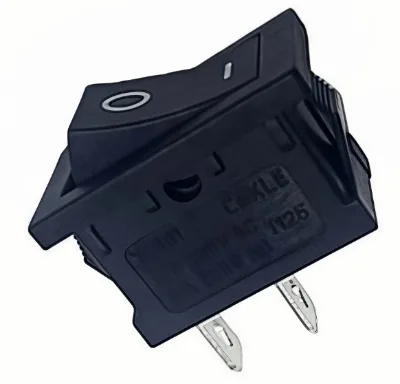
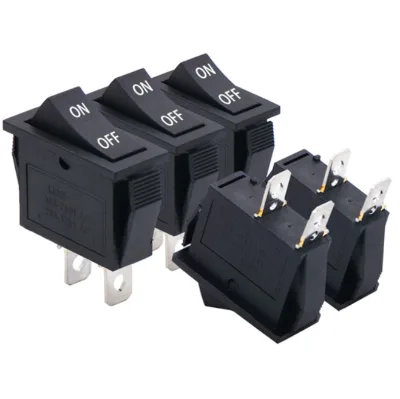
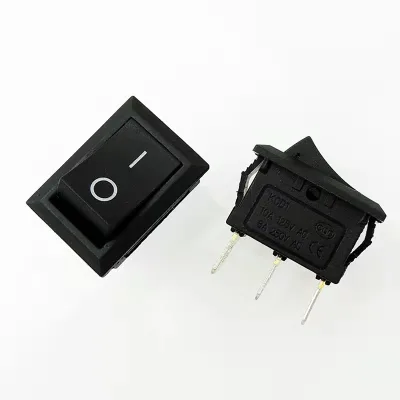
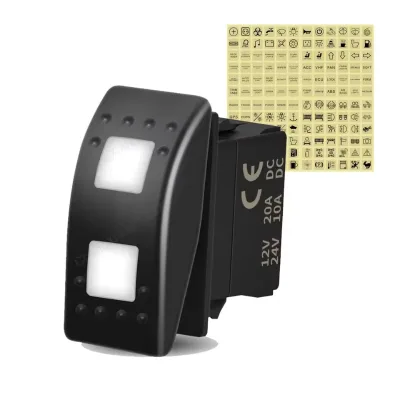
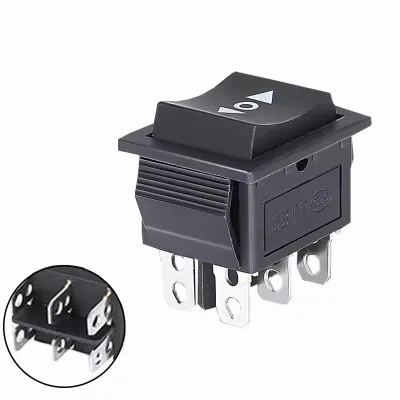
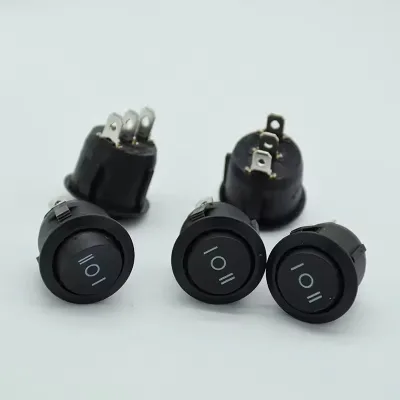
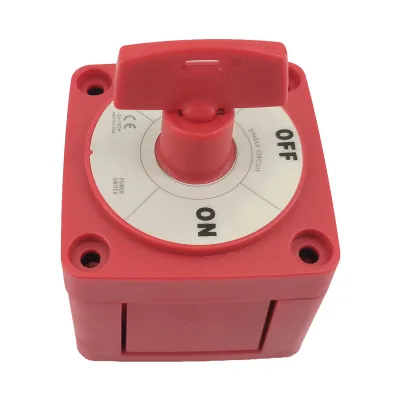
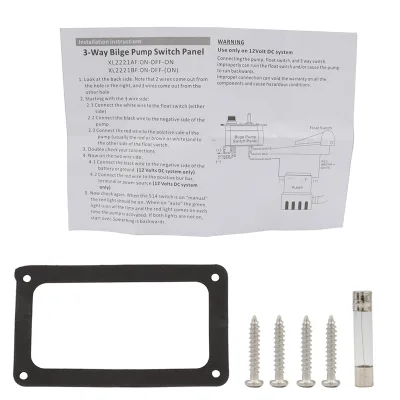
Black 6 Pin Rocker Switch 16A 250VAC on on Marine Boat Switch Rocker Switch
$1.50 - $2.50
MOQ: 1000 Pieces




Comprehensive Sourcing Guide
Strategic Sourcing Guide for Boat Switches
Understanding Technical Specifications and Variability
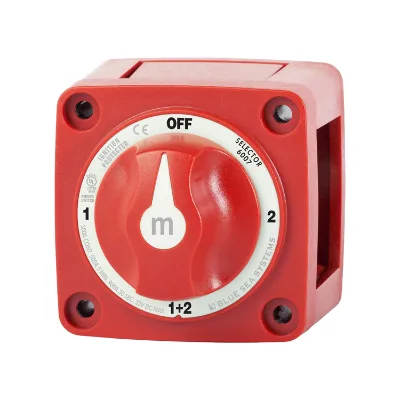
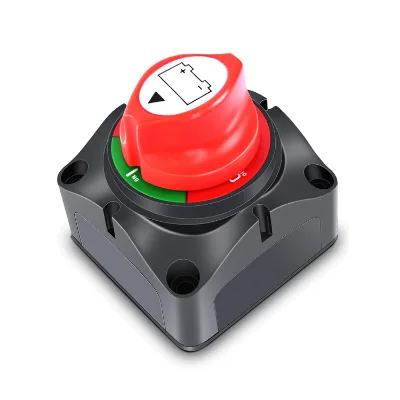
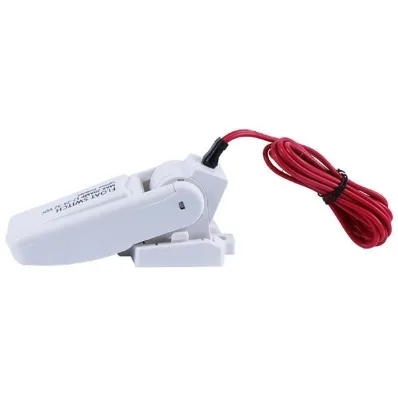
When sourcing boat switches, buyers must first navigate a complex landscape of technical specifications that vary significantly between product listings. The core keyword "Boat Switch" encompasses a diverse range of components, from simple push-button units to complex multi-circuit control panels. Based on observed market data, the physical form factor is a primary differentiator. Specifications indicate that products may be categorized by their size, with some listings explicitly noting "Ultra Small Size" while others adhere to "Standard" dimensions. For instance, specific model identifiers such as KR2-12-203 and KR2-11-201B suggest a standardized naming convention, yet the physical dimensions associated with these models can differ, with observed standards ranging from 3225 to 4324 millimeters.
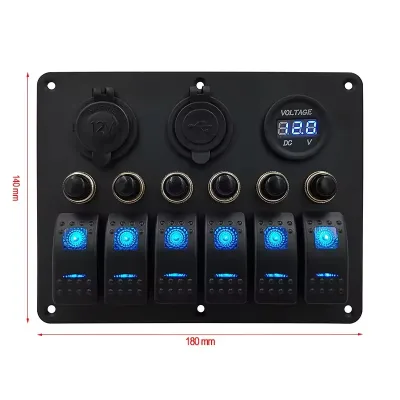
The electrical and mechanical properties are equally critical. The "Breaking Form" is a vital specification, with market observations showing both "Single Type" and "Double Control Switch" configurations. This distinction determines the number of circuits the switch can manage simultaneously. Furthermore, the "Number of Switch" attribute highlights the complexity of the unit, ranging from single-pole to multi-gang arrangements. The "Position" attribute, observed at a value of 6, indicates the physical arrangement of buttons or the number of operational states, which is essential for panel design. Buyers must verify if the switch is designed for "Micro-Current" applications or if it supports higher load capacities, as this directly impacts the safety and longevity of the marine electrical system.
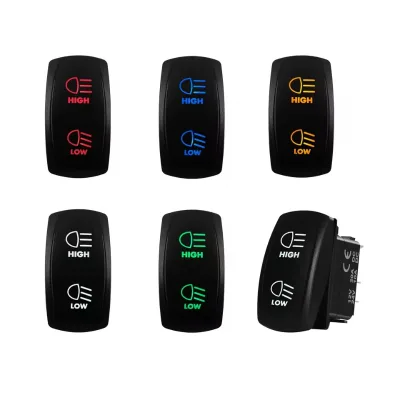
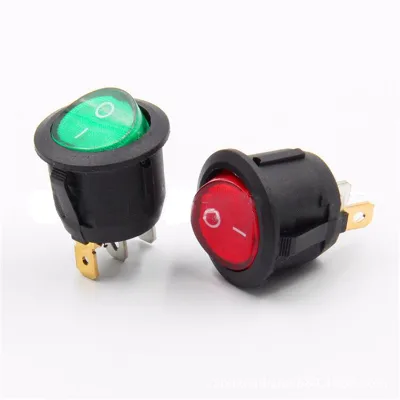
Material composition is another non-negotiable specification. The majority of observed products utilize "Plastic" as the primary material for the housing, which offers a balance of weight and durability. The surface finish is described as "Smooth," which aids in cleaning and prevents the accumulation of salt residue. However, the presence of a lamp is a variable feature; some units are listed as "Without Lamp" while others include "With Lamp" functionality, indicating an integrated illumination system for low-light operation. The color options are also restricted, with "Red" and "Black" being the dominant choices observed in the current market inventory.
Compliance and Certification Verification
In the marine industry, compliance is not merely a regulatory formality but a fundamental safety requirement. When evaluating potential suppliers, buyers must rigorously verify the certification status of the boat switches. The market data reveals a mix of certifications, including ISO, RoHS, CE, and CCC. The presence of ISO certification suggests adherence to international management system standards, while RoHS compliance indicates the product is free from specific hazardous substances, which is crucial for environmental and health safety. The CE mark is frequently observed, signaling conformity with health, safety, and environmental protection standards for products sold within the European Economic Area. Additionally, the CCC mark is noted, which is a mandatory certification for products sold in China.
It is imperative for buyers to understand that the presence of a certification label on a product listing does not guarantee that every unit in a batch holds that status. The "Low-confidence background" regarding CE certification serves as a reminder that verification must be active, not passive. Buyers should request valid, up-to-date certification documents directly from the supplier rather than relying solely on the product page. Furthermore, the "Environment" specification, noted as "﹤250℃," provides a thermal limit that must be respected during installation and operation. This temperature rating is a critical safety parameter that prevents the switch from melting or degrading under high-load conditions or in hot engine compartments.
The "Protection Level" is another critical compliance metric. An observed "IP67" rating indicates a high degree of protection against dust and temporary immersion in water, which is essential for marine environments where exposure to saltwater and humidity is constant. However, not all switches in the market carry this specific rating. Buyers must confirm the IP rating for each specific model, as lower ratings may lead to premature failure in wet conditions. The "Waterproof" attribute is also listed, but without a specific IP number, this claim requires independent verification through testing or detailed product datasheets.
Cost Drivers and Pricing Structures
The pricing of boat switches is influenced by a combination of technical complexity, material quality, and order volume. The observed price range in the market spans from $0.05 to $15.99 USD, reflecting the vast difference between basic single-pole switches and complex, illuminated, multi-function units. The lower end of the spectrum typically corresponds to simple, non-illuminated switches with basic plastic housings and standard dimensions. In contrast, the higher price points are associated with units featuring integrated lamps, higher protection ratings like IP67, and specialized models designed for specific marine applications.
Minimum Order Quantity (MOQ) is a significant cost driver in the procurement process. The observed MOQ range is extensive, varying from 1 to 1000 units. This flexibility allows buyers to tailor their purchasing strategy based on their immediate needs. Small-scale projects or prototyping efforts can be accommodated with an MOQ of 1, while large-scale fleet installations may require bulk orders to achieve economies of scale. The "Selling Units" attribute, observed as "Single item," suggests that some suppliers offer flexibility for smaller orders, which can be advantageous for initial sampling or replacement parts.
Customization is a key factor that can impact cost. The "Customization" attribute is marked as "Available," indicating that suppliers can modify standard designs to meet specific requirements. This could include custom colors, specific labeling, or unique electrical configurations. While customization adds value, it often comes with a higher unit cost and potentially longer lead times. Buyers should also consider the "Sample" availability, which is noted as "Yes" in the market data. Obtaining samples before committing to a large order is a prudent financial strategy to validate quality and functionality, though the cost of samples should be factored into the overall budget.
Typical Applications and Usage Scenarios
Boat switches are designed for a wide array of applications beyond just marine vessels. The "Usage" attribute lists diverse sectors including "Toys," "Electrical Appliance," "Machinery," "Communication," "Vehicle," "Digital Products," and "Marine." While the core keyword is "Boat Switch," the versatility of these components allows them to be used in various contexts. In the marine sector specifically, the "Type" is explicitly identified as "Boat Switch," confirming their intended use for controlling onboard systems such as lights, pumps, bilge blowers, and navigation equipment.
The "Condition" of the products varies, with both "Used" and "New" items available in the market. For critical marine applications, "New" condition is strongly recommended to ensure reliability and safety. Used switches may pose risks regarding internal corrosion, worn contacts, or degraded insulation, which could lead to electrical failures in a demanding environment. The "Brand Name" Xinxing is observed in the listings, suggesting that established manufacturers are present in the market, though buyers should remain cautious and verify the reputation of any brand before purchase.
The "Product Name" is consistently listed as "Switch," but the specific application context is defined by the "Kind" attribute, which includes "Customized" options. This implies that the switches can be tailored for specific vessel types or operational requirements. For example, a switch designed for a high-speed boat may have different vibration resistance requirements compared to one for a leisure cruiser. The "Surface" finish being "Smooth" is particularly relevant for marine applications, as it facilitates easy cleaning and reduces the risk of corrosion buildup in saltwater environments.
Supplier Evaluation and Origin Analysis
Evaluating suppliers requires a careful analysis of their geographic origins and production capabilities. The "Location" data indicates that products originate from various regions in China, including Ningbo, Shandong, and Zhejiang (specifically Wenzhou). These regions are known for their manufacturing clusters, particularly in electrical components and plastics. Ningbo and Wenzhou are historically significant hubs for electrical manufacturing, suggesting a mature supply chain for boat switches. However, the presence of multiple origins also means that quality control standards may vary between different factories.
When assessing a supplier, buyers should look for evidence of consistent production quality and adherence to the "Standard" specifications observed in the market. The "prod_standard" values, such as 3225 and 4324, serve as benchmarks for physical dimensions, but buyers must ensure that the supplier can consistently meet these tolerances. The "prod_packing" methods, which include "Carton," "Blister," and "Box," are also indicators of the supplier's attention to detail. Proper packaging is essential to prevent damage during shipping, especially for delicate components like illuminated switches with glass or plastic lenses.
The "Sample" availability is a strong indicator of a supplier's confidence in their product and their willingness to engage in a transparent procurement process. A supplier that readily provides samples is more likely to be responsive to quality concerns and technical queries. Additionally, the "Kind" attribute being "Customized" suggests that the supplier has the engineering capacity to adapt products to specific buyer needs. Buyers should verify the supplier's ability to handle customization requests, including lead times and minimum order requirements for custom runs.
Quality Control and Long-Term Procurement
Quality control is paramount when sourcing boat switches, given the harsh conditions of marine environments. The "Protection Level" of IP67 is a critical benchmark, but it must be verified through third-party testing or detailed certification documents. Buyers should also inspect the "Breaking Capacity," which is noted as "Micro-Current" in some listings. This specification is crucial for determining the switch's ability to handle the inrush current of motors and other high-load devices without failing. For applications involving higher currents, buyers must ensure the switch is rated appropriately to prevent arcing and contact welding.
The "Condition" of the product, whether "New" or "Used," is a primary quality indicator. For long-term procurement, only "New" switches should be considered to ensure maximum lifespan and reliability. The "Material" of "Plastic" is standard, but the quality of the plastic and its resistance to UV degradation and salt spray are critical factors. Buyers should request material safety data sheets (MSDS) or specific polymer grades to verify resistance to environmental stressors.
Long-term procurement considerations also include the availability of spare parts and the consistency of the supply chain. The "prod_model" numbers, such as KR2-12-203 and wk-201, serve as unique identifiers that should be maintained across orders to ensure consistency. Buyers should establish a long-term relationship with suppliers who can guarantee the continued availability of these specific models. The "Standard" attribute, while generic, should be cross-referenced with industry standards to ensure the product meets the necessary performance criteria for the intended application.
Finally, the "Selling Units" attribute, observed as "Single item," offers flexibility for ongoing maintenance and replacement. However, for large fleets, bulk purchasing agreements may offer better pricing and supply security. Buyers should balance the need for immediate availability with the cost benefits of bulk orders, keeping in mind the "MOQ" range of 1 to 1000. By maintaining a rigorous quality control process and selecting suppliers with a proven track record in the marine industry, buyers can ensure the reliability and safety of their Boat Switch installations.
FAQs
What certifications do boat switches typically hold?
Boat switches often carry ISO, RoHS, CE, and CCC certifications. These marks indicate compliance with international management standards and safety regulations for hazardous substances, ensuring the product meets specific environmental and health requirements for marine use.
Can boat switches be customized for specific needs?
Yes, customization is available for boat switches to meet unique requirements. Buyers can request modifications to colors, labeling, or electrical configurations, though this may affect unit costs and lead times compared to standard inventory items.
What is the typical price range for boat switches?
The price range for boat switches spans from 0.05 to 15.99 USD. Basic non-illuminated units cost less, while complex models with lamps and high protection ratings like IP67 command higher prices depending on their technical specifications and material quality.
Which locations manufacture these boat switches?
Manufacturing locations include Ningbo, Shandong, and Zhejiang in China. These regions are established hubs for electrical components, offering a mature supply chain for boat switches with varying production capabilities and quality control standards across different factories.
What is the minimum order quantity for boat switches?
Minimum order quantities range from 1 to 1000 units. This flexibility allows buyers to order single items for prototyping or samples, while larger fleet installations can benefit from bulk orders to achieve better economies of scale.
How are boat switches protected against water damage?
Many boat switches feature an IP67 protection level, ensuring resistance to dust and temporary water immersion. Some listings also specify waterproof attributes, though buyers should verify specific IP ratings to ensure reliability in harsh marine environments.
What materials are used to construct boat switches?
Plastic is the primary material used for the housing of most boat switches. This material offers a balance of weight and durability, often featuring a smooth surface finish to facilitate cleaning and prevent salt residue accumulation in marine settings.