Source Body and Face Oil for Massage, Skincare, and Wellness
Explore 30 listings for Body and Face Oil, including compound essential oils and cosmetic white oil. Compare OEM/ODM suppliers offering pure grade raw materials with features like anti-aging and firming. Source customized formulations for dry skin and body applications from verified manufacturers.
Key considerations
Products List

Whitening Oil Turmeric Dark Spot Removal Face & Body Soothing Massage Oil
$0.95 - $2.50
MOQ: 48 Pieces


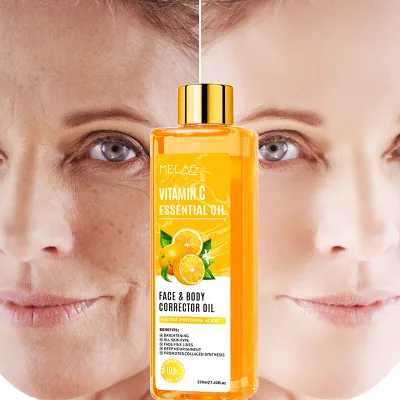


Beauty Cosmetics Skin Care Body Oil Relax Joints Muscles Body Massage Oil
$2.75 - $3.65
MOQ: 50 Pieces

Beauty Cosmetics Skin Care Natural Ingredients Moisturizing Baby Body Oil
$2.20 - $3.85
MOQ: 100 Pieces

Beauty Cosmetics Skin Care Body Massage Oil Serum Anti Wrinkles Mark Oil
$2.50 - $3.85
MOQ: 100 Pieces




Comprehensive Sourcing Guide
Body and Face Oil Sourcing Guide
Buyers must first distinguish between cosmetic-grade essential oils and industrial-grade base oils, as the supplied data reveals a wide spectrum of product types ranging from specialized massage formulations to bulk raw materials. The observed listings include specific attributes like "Flowers" as raw material and "Extraction" methods for cosmetic applications, while other entries list "Paraffin Oil" or "Naphthenic Oil" intended for building materials or fuel. This divergence requires a precise definition of the intended end-use before engaging with suppliers, as a manufacturer of body massage oil cannot simply substitute a product intended for candle manufacturing without risking product failure.
Procurement teams should verify the specific "Grade Separation" and "Purity" claims against the intended application, noting that some listings specify "Pure Grade" or "99.9%" purity while others describe "III Grade Hydrogenation" or "Deeply Refined" processes. The presence of "Customized" fragrance and "Private Customized Packaging" options suggests flexibility for cosmetic brands, whereas bulk "Drum" or "IBC Tank" packaging indicates a focus on industrial volume. Understanding these distinctions ensures that the sourcing strategy aligns with the specific regulatory and functional requirements of the final product, whether it is a high-end facial serum or a raw material for tire production.
Product Scope and Observed Listing Signals
The market signals indicate a strong presence of "Compound Essential Oil" products designed for specific skin concerns such as "Anti-Aging," "Anti-Wrinkle," and "Breast Enhancers," alongside general "Body Massage Oil" formulations. These products typically feature "Customized" fragrances and are marketed for "Dry Skin" types, with applications extending to "Face-lift" and "Acne Treatment." Buyers should scrutinize the "Feature" lists to ensure they match their brand positioning, as the same supplier may offer items with vastly different claims, from "Weight Loss" to "Callus Remover," depending on the specific formulation and target demographic.
In contrast, the data also highlights industrial applications where the product serves as a "Base" or "Intermediate" for "Building Materials," "Fuel," or "Rubber Tire" industries. These listings often specify "Paraffin Oil" or "Cosmetic White Oil" with "Crystal Clear" appearances and "Odorless" characteristics, stored in large "Drum" or "Flexitank" containers. The "Usage" field explicitly separates cosmetic needs from industrial raw material requirements, meaning a buyer seeking a facial oil must filter out listings intended for "Wrapper Industries" or "Candle" production to avoid compliance issues and functional mismatches in the final consumer product.
Technical Specifications to Verify
Technical verification must begin with the physical state and viscosity of the oil, as the data lists "Viscosity" and "Density" as key technique data points alongside "Oil Content" as a chief constituent. Buyers should request specific test results for these parameters to ensure the oil flows correctly in their manufacturing equipment, particularly since some listings mention "High Temperature Resistance" which may be critical for processing stability. The "Form" is consistently listed as "Liquid" or "Oil," but the specific "Color" variations, such as "Colorless" or "+30," require confirmation to match the aesthetic expectations of the final cosmetic or industrial product.
Storage conditions and packaging integrity are equally critical technical factors, with listings specifying "Cool Dry Place" for cosmetic oils and "Room Temperature" storage for others. The "Production Methods" vary from "Distillation" to "Deeply Refined" processes, which directly impact the chemical profile and shelf life of the product. Buyers must verify that the "Packaging" method, whether "Carton," "Drum," or "IBC Tank," protects the oil from oxidation and contamination during transit, especially given the "Eco-Friendly" claims that may imply specific material constraints on the packaging itself.
Compliance and Safety Documentation
Safety documentation is paramount when sourcing oils for direct skin application, and the observed listings frequently cite "MSDS" and "GMP" certifications as standard requirements. These documents are essential for verifying that the product meets international safety standards for cosmetic ingredients, particularly when the oil is intended for sensitive areas like the face or for treating conditions like "Dark Circles" and "Acne." Buyers should ensure that the "Certification" provided is current and covers the specific batch being purchased, as the absence of these documents could lead to regulatory rejection in key markets like the EU or the US.
For industrial applications, the compliance landscape shifts toward material safety data sheets that address flammability and environmental impact, especially for products used in "Fuel" or "Rubber Tire" manufacturing. The "EEC" and "CE / EU" certifications mentioned in the data suggest that some suppliers are prepared to meet European regulatory frameworks, which is a significant advantage for exporters. However, buyers must confirm that these certifications apply to the specific "Grade" and "Processing Stage" of the oil, as a product certified for cosmetic use may not automatically qualify for industrial applications without additional testing and documentation.
Cost Drivers and Commercial Terms
The cost structure for body and face oils is heavily influenced by the "Raw Material" source and the complexity of the "Extraction" or "Distillation" process. Listings showing "Flowers" as the raw material typically command higher prices due to the labor-intensive nature of extraction compared to petroleum-derived "Paraffin Oil" or "Naphthenic Oil." Additionally, the "Customization" of fragrance and "Private Customized Packaging" adds a premium to the base cost, as these services require dedicated production lines and quality control measures that are not present in standard bulk commodity trading.
Commercial terms vary significantly based on the "Supply Type," with "OEM/ODM" capabilities often requiring higher Minimum Order Quantities (MOQ) to justify the setup costs. The observed MOQ range of 1 to 3000 units suggests that buyers can access small batches for testing but must plan for larger volumes to achieve optimal pricing. Buyers should also consider the "Standard" specifications, such as "200ml" for retail or "170kg" for bulk, as these define the unit economics and logistics costs, ensuring that the total landed cost aligns with the projected profit margins for the final product.
Supplier Qualification and Quality Control
Supplier qualification should prioritize those offering "OEM/ODM" services with a proven track record in "Customization," as this indicates the flexibility to adapt formulations for specific skin types or market requirements. The presence of "High" class ratings and "Eco-Friendly" attributes in the data suggests a focus on quality and sustainability, but buyers must verify these claims through third-party audits or sample testing. It is crucial to assess the supplier's ability to maintain consistency across batches, especially when dealing with natural ingredients like "Flowers" where seasonal variations can affect the final product quality.
Quality control protocols must be established to verify the "Purity" and "Appearance" of the oil, ensuring it meets the "Crystal Clear" and "Odorless" standards where applicable. Buyers should implement a rigorous sampling process to test for "Viscosity" and "Density" before accepting large shipments, as these physical properties are critical for product performance. Additionally, verifying the "Storage" conditions at the supplier's facility is essential to prevent degradation, ensuring that the oil remains stable from the point of production to the final delivery at the buyer's warehouse.
Long-Term Procurement Checks
Long-term procurement success depends on establishing a robust relationship with suppliers who can consistently deliver "Customized" products that meet evolving market demands. Buyers should regularly review the "Feature" lists and "Application" data to ensure the supplier's portfolio remains aligned with current consumer trends, such as the growing demand for "Anti-Aging" and "Firming" solutions. Continuous communication regarding changes in "Raw Material" availability or "Production Methods" will help mitigate supply chain disruptions and ensure that the product quality remains consistent over time.
Regular audits of the supplier's "Certification" status and "Quality Control" processes are necessary to maintain compliance with international standards. Buyers should schedule periodic reviews of the "Technical Data" and "Specification" sheets to verify that the product continues to meet the required "Standard" and "Grade" levels. By maintaining a proactive approach to supplier management, buyers can ensure a steady supply of high-quality body and face oils that support their brand reputation and meet the rigorous expectations of their target markets.
FAQs
How do I choose the right Body and Face Oil for dry skin?
For dry skin, look for oils made from flower-based raw materials with an extraction method and a compound essential oil formulation. Confirm the product lists dry skin compatibility, moisturizing or firming features, and a viscosity profile suited to massage. Request samples to verify absorption and fragrance before committing to a bulk order or customized packaging.
What certifications should I verify before sourcing Body and Face Oil?
Check that suppliers can provide MSDS documentation and GMP compliance as a minimum baseline. Some listings also reference CE, EEC, or CE / EU certification, so confirm which apply to your destination market. Always request current certificate copies, verify they match the exact product grade, and confirm the documented certification scope covers cosmetic white oil or essential oil production.
Which packaging options are available for bulk Body and Face Oil orders?
Bulk orders are commonly packed in drums, IBC tanks, flexitanks, or liquid containers, with standard sizes ranging from 170kg to 850kg and up to 20 ton lots. Smaller retail formats include 200ml bottles in carton packing. Many suppliers accept private customized packaging and OEM or ODM arrangements, so specify your labeling and volume needs during negotiation.
Can suppliers customize the fragrance and formulation of Body and Face Oil?
Yes, customization is generally available, with fragrance listed as customizable and OEM or ODM supply accepted. You can typically request specific fragrance profiles, functional features such as anti-aging or whitening claims, and private branded packaging. Provide your formulation brief early, confirm minimum order requirements for custom runs, and request samples to validate the blend before production.
What is the typical storage requirement for Body and Face Oil?
Body massage oils should be stored in a cool dry place, while cosmetic white oil base products are generally stored at room temperature. Keep containers sealed away from direct sunlight and heat sources to preserve oil quality and viscosity. Confirm the supplier's storage guidance for the specific grade you purchase, since compound essential oils and refined base oils may differ.
How do purity grades differ between Body and Face Oil products?
Listings reference pure grade material and refined white oil with purity stated at 99.9 percent, crystal clear and odorless in appearance. Grade distinctions often reflect processing stages, such as hydrogenation and deep refinement levels. Choose higher refinement for facial applications and cosmetic use, and request technical data like viscosity and density to match the grade to your formulation needs.
What features can Body and Face Oil formulations target?
Commonly listed features include weight loss support, whitening, breast enhancement, anti-puffiness, dark circle reduction, face-lift, acne treatment, callus removal, anti-aging, anti-wrinkle, and firming. Not every product carries all claims, so review each listing's feature set carefully. Confirm that any marketing claims you adopt are supported by the supplier's documentation and permitted in your destination market.
Which specifications should I confirm before ordering cosmetic white oil?
Confirm the product model, such as 26 grade, the processing stage, color, and the intended usage category. Ask for technique data covering viscosity and density, the chief constituents or oil content, and packaging format options. Clarify whether the material suits cosmetic, industrial, or intermediate base applications, since the same category spans raw materials, fuels, and candle industries.