Source BOD Sensor for Automotive, Industrial, and Home Applications
Explore 30 verified BOD Sensor options from Guangdong suppliers. Buyers can compare specifications like photoelectric and piezoelectric principles, IP ratings, and certifications to find the right component for automotive, industrial, or home automation projects.
Key considerations
Products List
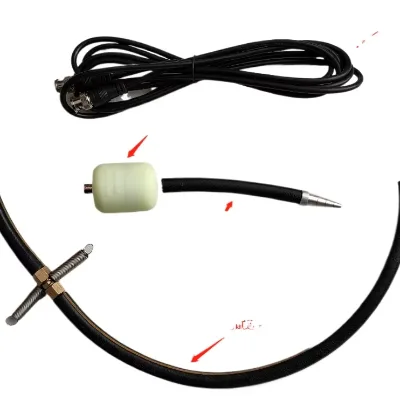


$30.00 - $60.00
MOQ: 10 Pieces


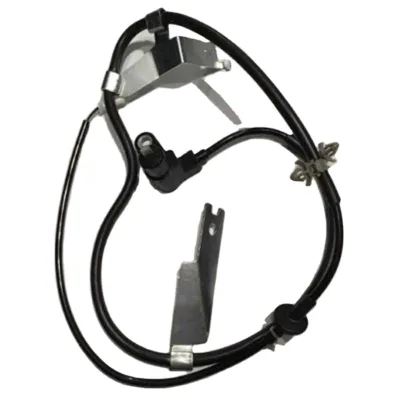
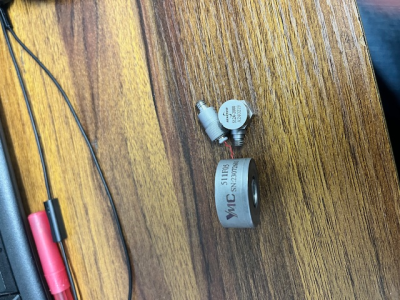


Negotiable
MOQ: 1 Pieces

Comprehensive Sourcing Guide
Strategic Sourcing Guide for Body Sensor Components
Understanding the Technical Landscape of Body Sensors
When initiating a procurement strategy for body sensors, buyers must first navigate a complex array of technical architectures and functional principles. The market does not offer a monolithic product; rather, it presents a spectrum of technologies designed for specific detection mechanisms. Based on current industry observations, the core functional principles include photoelectric and piezoelectric systems. Photoelectric sensors typically rely on light interruption or reflection to detect presence, making them suitable for applications requiring non-contact detection. Conversely, piezoelectric sensors utilize the mechanical stress generated by physical movement to generate an electrical signal, a principle often cited in motion detection contexts.
The form factor and output capabilities are equally critical. Buyers should evaluate whether the application requires a single or double beam configuration, as this dictates the sensitivity and coverage area of the sensor. For instance, double-beam setups often provide enhanced security or precision in detection zones compared to single-beam variants. The output signal type is another pivotal specification; digital output sensors are prevalent in modern automation, offering clear on/off states that integrate easily with programmable logic controllers (PLCs) and microcontrollers. Furthermore, the physical dimensions and weight are essential for integration into compact assemblies. Observed specifications indicate dimensions such as 1414645mm and weights around 180g, though these vary significantly by model.
The choice of material also influences performance. Aluminum and steel are common construction materials, offering durability against environmental stressors. The IP rating is a crucial metric for environmental resistance; an IP67 rating, for example, indicates a device that is dust-tight and capable of withstanding temporary immersion in water, which is vital for outdoor or harsh industrial environments. Buyers must verify these attributes against their specific operational requirements, as the "Standard" designation alone does not guarantee suitability for all conditions.
Compliance, Certification, and Regulatory Standards
Navigating the regulatory landscape is a non-negotiable aspect of sourcing body sensors, particularly when components are destined for international markets. The supply chain for these components is heavily concentrated in specific manufacturing hubs, with Guangdong and Shenzhen in China emerging as primary origins. This geographic concentration often correlates with specific certification profiles that buyers must scrutinize.
The most frequently observed certifications in the current market include CE and ISO standards. The CE mark indicates conformity with health, safety, and environmental protection standards for products sold within the European Economic Area. In addition to CE, ISO 9001 is a common quality management standard, suggesting that the manufacturer adheres to consistent quality control processes. Some suppliers may also list ISO/TS standards, which are specific to the automotive industry, indicating a higher level of rigor in their manufacturing protocols. Other certifications like ROHS, SGS, and ICTI may appear, reflecting compliance with environmental restrictions on hazardous substances and social accountability standards.
However, buyers must exercise caution. While "CE" and "ISO" are frequently listed, the specific scope of these certifications varies. A product labeled with "Standard" may refer to a generic internal standard rather than a recognized international norm. It is imperative to request valid certification documents rather than relying solely on product descriptions. The "Standard" attribute listed in some contexts may simply denote a baseline product configuration rather than a certified compliance level. Similarly, the mention of "EN71" suggests compliance with safety standards for toys, which may be irrelevant for industrial or automotive sensors unless the application specifically involves consumer goods.
Buyers should verify the exact model numbers against their certification claims. For example, a model like "U501-A" or "DL8S" might carry specific certifications that differ from a generic "szmrs-" series. The absence of a specific certification in the listing does not necessarily mean the product is non-compliant, but it does require direct verification with the supplier. The "Main Market" data often lists regions such as North America, Western Europe, and Southeast Asia, which can serve as a proxy for the regulatory environments the supplier is accustomed to serving, but this is not a substitute for official documentation.
Cost Drivers and Pricing Dynamics
The pricing structure for body sensors is influenced by a multitude of factors, ranging from technical complexity to order volume. The observed price range in the market is exceptionally wide, spanning from approximately $0.10 to $955.88 USD. This vast disparity indicates that the term "body sensor" encompasses everything from simple, low-cost detection switches to highly specialized, precision-engineered units with advanced features.
The primary cost driver is the technical specification. Sensors with dual-beam capabilities, digital output, and robust IP ratings (such as IP67) generally command higher prices than basic single-beam, analog, or lower-rated units. The material composition also plays a significant role; sensors constructed from high-grade aluminum or specialized steel alloys will cost more than those using standard plastics or lower-grade metals. Additionally, the inclusion of customization options, such as specific cable lengths (e.g., 2.5m) or unique color finishes like Black or Silver Grey, can add to the unit cost.
Order Volume is the second major determinant of price. The Minimum Order Quantity (MOQ) observed in the market ranges from 1 unit to 5,000 units. Suppliers often offer tiered pricing structures where the unit cost decreases significantly as the order volume increases. For buyers with low-volume needs, the cost per unit will be higher, reflecting the setup and handling costs for small batches. Conversely, high-volume buyers can leverage economies of scale to secure more competitive rates. The "Single item" selling unit suggests that some suppliers are flexible for prototyping or small-scale testing, while others may enforce strict MOQs for production runs.
Packaging requirements also impact the final cost. Standard packaging, such as "Standard Carton Case" or "Carton," is typically included in the base price. However, specialized packaging like "Bubble Bag and Carton Box" or "One Piece in an OPP Bag" may incur additional charges if requested. Customized packaging solutions, often requested for branding or specific logistics needs, will further increase the overall procurement cost. Buyers must balance the need for protective packaging against the budget constraints, ensuring that the packaging meets the requirements for safe transit without incurring unnecessary expenses.
Typical Applications and Industry Use Cases
Body sensors are integral to a diverse range of industries, each with unique operational demands. The versatility of these components allows them to be deployed in everything from consumer electronics to heavy industrial machinery. One of the most prominent applications is in the automotive sector. Sensors designed for auto parts, such as those with the function "for Auto Part," are critical for vehicle safety and performance. These may include position sensors for brake systems or motion sensors for airbag deployment mechanisms. The "Brake System" classification and "Position: Front" designation highlight specific use cases where precision and reliability are paramount.
In the realm of automation and security, photoelectric and microwave sensor switches are widely used. These devices are essential for automatic doors, lighting control systems, and security alarms. The "Microwave Sensor Switch" type, for instance, is often employed in smart home applications to detect motion and trigger lighting or ventilation systems. The "Output: Motion Sensor or Light Sensor" capability suggests dual functionality, allowing a single device to serve multiple purposes in a building management system.
Industrial manufacturing also relies heavily on these sensors for process control. Piezoelectric sensors are frequently used in machinery to detect vibrations or mechanical stress, providing real-time data for predictive maintenance. The "Measuring Shaft Quantities: Single" attribute points to applications in rotary machinery where precise measurement of shaft movement is required. Furthermore, the "Accuracy Grade: 0.1g" specification indicates that some sensors are designed for high-precision weighing or measurement tasks, which are critical in pharmaceutical or food processing industries.
The "Usage: Position Sensor" category underscores the importance of spatial awareness in automated systems. Whether it is determining the position of a robotic arm or monitoring the status of a conveyor belt, these sensors provide the necessary feedback loop for efficient operation. The wide range of applications, from "South America" to "Northern Europe," demonstrates the global demand for these components across various economic sectors.
Supplier Evaluation and Selection Criteria
Selecting the right supplier is a critical step in the procurement process, requiring a thorough evaluation of their capabilities, reliability, and compliance. The first criterion is the verification of the supplier's origin and production capacity. With the majority of suppliers located in Guangdong and Shenzhen, China, buyers should assess the logistical implications of sourcing from these regions. The "Place of Origin" and "prod_origin" fields provide the necessary geographic context, but buyers must also consider the supplier's ability to meet lead times and handle volume fluctuations.
Certification verification is another essential step. Buyers should request copies of valid CE, ISO 9001, and other relevant certificates to ensure they are dealing with a legitimate and compliant manufacturer. The presence of "ISO/TSISOMain Market" in the listing suggests a focus on automotive standards, which is a positive indicator for suppliers targeting the automotive sector. However, buyers must confirm that the certifications apply to the specific models being purchased, as certifications are often model-specific.
The supplier's customization capabilities are also a key differentiator. The "Customization: Available" attribute indicates that some suppliers are willing to tailor products to specific requirements, such as custom cable lengths, colors, or packaging. This flexibility is valuable for buyers with unique application needs. Conversely, suppliers offering "Non-Customized" options may be better suited for standard, high-volume orders where cost efficiency is the primary goal.
Quality assurance processes should be scrutinized. The "Quality: Super" attribute, while subjective, suggests a commitment to high standards. Buyers should inquire about the supplier's internal quality control measures, including testing procedures for IP ratings, durability, and signal accuracy. The "Standard Carton Case" and "Bubble Bag and Carton Box" packaging options indicate attention to product protection during transit, which is a sign of a mature supply chain.
Quality Control and Long-Term Procurement Considerations
Ensuring consistent quality over the lifecycle of a procurement relationship is vital for long-term success. Buyers should implement a robust quality control (QC) strategy that includes pre-shipment inspections and ongoing performance monitoring. The "IP Rating" and "Dimension" specifications must be verified against the actual delivered goods to ensure they meet the required tolerances. Any deviation from the specified dimensions, such as the 1414645mm standard, could indicate a production issue that affects fit and function.
Long-term procurement considerations also involve supply chain resilience. The wide range of MOQs (1-5000) suggests that suppliers have varying levels of flexibility. Buyers should assess the supplier's ability to scale production up or down in response to market demand. The "Lead Time" and "MOQ" values, while not explicitly provided in the data, are critical factors that buyers must negotiate and clarify before placing orders. A supplier with a high MOQ may offer lower unit costs but could pose a risk if demand fluctuates.
Sustainability and environmental compliance are increasingly important in procurement strategies. Certifications like ROHS and EN71 indicate a commitment to environmental standards, which can be a deciding factor for buyers targeting eco-conscious markets. The "Standard" and "CE" certifications also play a role in ensuring that the products do not contain hazardous materials, aligning with global regulatory trends.
Finally, buyers should establish clear communication channels with suppliers to address any issues promptly. The "Customized" and "Non-Customized" options highlight the need for clear specifications to avoid misunderstandings. By maintaining a proactive approach to quality control and supplier management, buyers can mitigate risks and ensure a steady supply of high-quality body sensors for their operations. The diverse range of products, from simple switches to complex sensors, requires a tailored approach to procurement that balances technical requirements, cost, and reliability.
FAQs
What certifications do bod sensors typically have?
Common certifications include CE, ISO 9001, and ISO/TS standards. Some listings also mention ROHS, SGS, and ICTI, but buyers must verify specific model compliance rather than relying on generic labels.
Which sensor principles are available for bod sensors?
Available principles include photoelectric and piezoelectric systems. Photoelectric types detect presence via light, while piezoelectric types use mechanical stress, with options for single or double beam configurations.
Can bod sensors be customized for specific needs?
Customization is available for certain models, including cable length and color options like black or silver grey. However, some products are listed as non-customized, requiring verification of the specific model's flexibility.
What is the typical price range for bod sensors?
Prices range widely from 0.10 to 955.88 USD depending on complexity and features. Higher costs often correlate with advanced specifications like IP67 ratings, digital outputs, or specialized materials like aluminum or steel.
Where are BOD Sensor manufacturers primarily located?
Manufacturers are primarily located in Guangdong and Shenzhen, China. This geographic concentration often correlates with specific certification profiles and supply chain capabilities for international markets.
What is the minimum order quantity for bod sensors?
Minimum order quantities range from 1 to 5000 units depending on the supplier. Lower MOQs allow for prototyping, while higher volumes often secure better pricing through economies of scale.