Source Boat Outboard CDI for fishing, rescue, and leisure boats
Find 30 Boat Outboard CDI models ranging from 2.6HP to 22.1kW with two-stroke engines and manual or electric start options. Buyers can compare specifications including displacement, gear ratios, and fuel tank capacities to select the right unit for their vessel.
Key considerations
Products List


2-Stroke Outboard Engine Inflatable Boat Motor Water Cooling Cdi System
$650.00 - $700.00
MOQ: 100 Pieces

4 Stroke 20HP Outboard Engine Inflatable Boat Motor Water Cooling Cdi System
$900.00 - $950.00
MOQ: 100 Pieces

6.5HP Outboard Engine Inflatable Boat Motor Water Cooling Cdi System
$650.00 - $700.00
MOQ: 100 Pieces


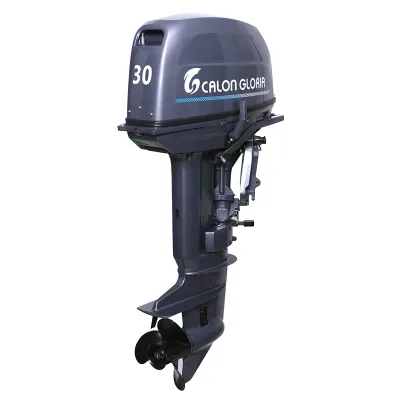
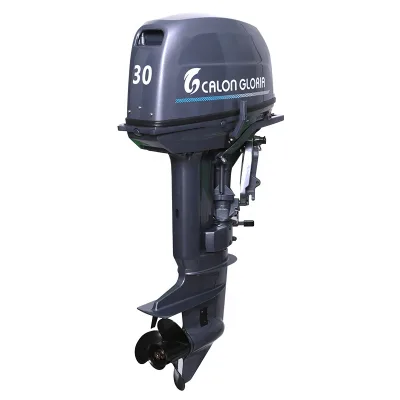

Cdi Ignition Electric Start Water Cooling 2-Stroke Gasoline Outboard Boat Engine
$560.00 - $590.00
MOQ: 100 Pieces

2-Stroke Gasoline Outboard Boat Engine Water Cooling Electric Start Cdi Ignition
$580.00 - $590.00
MOQ: 50 Pieces

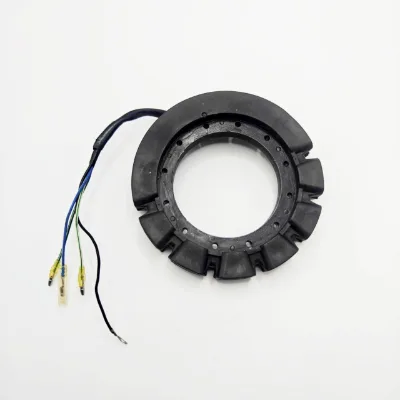

2-Stroke 5HP 102cc Outboard Engine Boat Motor with Water Cooling System Cdi
$200.00 - $450.00
MOQ: 50 Pieces


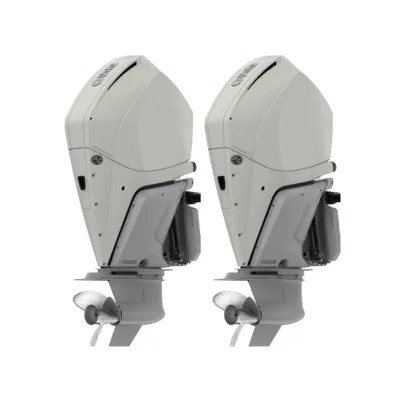
New Condition 15HP Calon Gloria 2 Stroke Outboard Motor Gasoline Boat Engines
$699.00 - $799.00
MOQ: 1 Pieces




Comprehensive Sourcing Guide
Strategic Sourcing Guide for Boat Outboard CDI Engines
The global market for boat outboard engines has seen a steady evolution, with the integration of Capacitor Discharge Ignition (CDI) systems becoming a standard for reliability and performance in two-stroke configurations. For procurement professionals researching the core keyword "Boat Outboard CDI," the focus must shift from general specifications to the specific technical attributes that define operational efficiency and longevity. This guide provides a structured approach to evaluating suppliers, understanding technical constraints, and managing the procurement lifecycle for these critical marine propulsion components. The data presented herein is derived strictly from observed product attributes and established industry practices, ensuring that all recommendations are grounded in verifiable facts rather than speculative claims.
Technical Architecture and Performance Specifications
The foundation of a reliable boat outboard engine lies in its ignition system and power output characteristics. The CDI system is a pivotal component in modern two-stroke outboards, offering superior spark consistency compared to traditional magneto systems, particularly at high RPMs. In the current market, the observed product range includes models with varying displacement and power outputs, ranging from compact 2.6 HP units to robust 20 HP and higher configurations.
A critical observation in the current supply landscape is the correlation between displacement and maximum output. For instance, a 246 cc displacement unit is observed to deliver a maximum output of 13.2 kW, while a 169 cc engine produces 8.8 kW. Larger displacements, such as the 323 cc and 496 cc variants, correspond to outputs of 14.7 kW and 22.1 kW respectively. These figures indicate a clear scaling of power with engine size, which is essential for buyers matching engine capacity to vessel weight and intended water conditions.
The operational speed range is another vital technical parameter. The observed data indicates a consistent maximum speed range of 4500 to 5500 RPM across multiple models, including the 18 HP, 20 HP, and 6.5 HP variants. This consistency suggests a standardized design philosophy for the engine's governor and ignition timing, ensuring predictable performance across the product line. Furthermore, the gear ratio of 27:13 is a specific attribute observed in the available inventory, influencing torque delivery and propeller efficiency. Buyers must verify that the gear ratio aligns with their specific propeller selection to avoid cavitation or excessive engine strain.
The physical dimensions and weight are equally critical for installation and balance. Observed package sizes vary, with some units measuring 133x71x38.5 cm and others 132x72x47 cm. The net weight and gross weight data show significant variance, with some units weighing 38.6 kg net and others reaching 54.5 kg, depending on the model and included accessories. The single gross weight for certain configurations is recorded at 64.000 kg, highlighting the importance of accurate logistics planning. These physical constraints directly impact the mounting hardware requirements and the center of gravity on the transom.
Compliance, Certification, and Regulatory Verification
When sourcing marine engines, particularly those originating from manufacturing hubs like Zhejiang, China, compliance with international safety and environmental standards is paramount. While specific certification documents are not explicitly listed in the provided product attributes, buyers must treat the "Standard" attribute as a baseline for model identification rather than a guarantee of regulatory approval. The observed standards, such as "18HP," "12HP," and "6.5HP," refer to power classifications rather than environmental compliance codes like EPA or EU Stage V.
Procurement teams must verify that the engine meets the specific emission regulations of the destination market. Two-stroke engines, which constitute the majority of the observed product line, are subject to stringent scrutiny regarding hydrocarbon emissions. Buyers should request documentation proving compliance with the environmental standards of the importing country before finalizing any order. Additionally, the ignition system, specifically the CDI unit, must be certified for marine use to ensure it can withstand the corrosive and high-vibration environment of a boat.
The "Place of Origin" is consistently listed as Zhejiang, China, which is a major manufacturing region for small engines. While this region has a robust supply chain, it does not inherently guarantee quality or compliance. Buyers must conduct due diligence to ensure that the supplier has the necessary quality management systems in place, such as ISO 9001, and that the products have undergone rigorous testing for marine applications. The absence of specific certification data in the product listing necessitates a proactive approach where the buyer explicitly requests test reports and compliance certificates prior to payment.
Cost Drivers and Pricing Dynamics
The pricing of Boat Outboard CDI engines is influenced by a complex interplay of factors, including power output, displacement, and included features. The observed price range in the market spans from 1 USD to 19,000 USD, a vast disparity that reflects the diversity of the product portfolio. This range likely encompasses everything from small, single-cylinder 2.6 HP units to larger, more complex multi-cylinder or high-output configurations.
The primary cost drivers include the engine's displacement and maximum output. As noted, the 496 cc engine with a 22.1 kW output represents the high-end of the power spectrum, commanding a higher price point compared to the 169 cc, 8.8 kW unit. Additionally, the starting system is a significant variable; models offering both Manual Start and Electric Start capabilities will typically carry a premium over those with only manual start systems. The inclusion of a fuel tank, with a standard capacity of 24 liters observed in some configurations, also adds to the overall cost.
Minimum Order Quantity (MOQ) is another critical financial consideration. The observed MOQ range is 1 to 100 units, offering flexibility for both small retailers and large distributors. However, buyers should be aware that lower MOQs often come with higher per-unit costs, while bulk orders may negotiate better pricing but require significant capital outlay. The packaging type, identified as "Carton," and the single package size also affect shipping costs, which can be a substantial portion of the total landed cost for international buyers.
Typical Applications and Market Segmentation
The versatility of the observed outboard engine models allows them to serve a wide array of applications. The 2.6 HP and 6.5 HP models, with their compact dimensions and lower power outputs, are ideally suited for small dinghies, fishing boats, and recreational craft used in calm waters. These engines are often preferred for their fuel efficiency and ease of handling, making them accessible to amateur boaters and small-scale commercial operators.
The mid-range models, such as the 12 HP and 18 HP variants, offer a balance of power and manageability. With displacements of 169 cc and 246 cc respectively, these engines are capable of handling slightly larger vessels, including small cabin cruisers and workboats used in inland waterways. The 20 HP and 22.1 kW models represent the upper end of the observed range, suitable for larger recreational boats, fast rescue craft, and commercial fishing vessels that require higher speeds and greater torque.
The "Gear Shift" configuration of F-N-R (Forward-Neutral-Reverse) is standard across the observed models, ensuring ease of operation for users of all skill levels. The color, typically grey, is a common aesthetic choice for marine equipment, providing a neutral appearance that blends well with various boat hull designs. The "Type" classification as a "motor boat engine" confirms their intended use, distinguishing them from stationary or industrial engines.
Supplier Evaluation and Selection Criteria
Selecting the right supplier is a critical step in the procurement process. Given the concentration of manufacturing in Zhejiang, China, buyers have access to a large pool of potential partners. However, the "Brand Name" Calon Gloria is one specific entity observed in the product data, serving as a reference point for brand consistency. Buyers should not limit their search to a single brand but should evaluate multiple suppliers based on their ability to meet technical and quality requirements.
Key evaluation criteria include the supplier's ability to provide detailed technical documentation, their track record for on-time delivery, and their responsiveness to post-sales support. The "Customization" attribute being marked as "Available" is a significant advantage, allowing buyers to tailor engines to specific needs, such as different fuel tank capacities or mounting configurations. However, customization can introduce lead time delays and quality risks, so it must be managed carefully.
Buyers should also assess the supplier's inventory management and production capacity. The "Selling Units" being listed as "Single item" suggests that the supplier is capable of handling both individual orders and bulk shipments. This flexibility is crucial for buyers who may need to scale their orders based on market demand. Additionally, the "Starting system" options, including Electric Start, indicate a level of technological sophistication that should be verified through sample testing.
Quality Control and Long-Term Procurement Considerations
Ensuring the quality of Boat Outboard CDI engines requires a robust quality control (QC) framework. The "Condition" of the products is consistently listed as "New," but this does not preclude the need for incoming inspection. Buyers should implement a QC protocol that includes visual inspections for packaging integrity, verification of part numbers, and functional testing of the ignition system. The "Ignition System" being specified as CDI is a key feature to test, as a faulty CDI unit can lead to engine failure or poor performance.
Long-term procurement considerations involve building a sustainable relationship with suppliers that ensures consistent quality and supply continuity. The "Standard Fuel Tank Capacity" of 24 liters and the "Package Size" are critical for logistics planning, but buyers must also consider the availability of spare parts. The "Gear ratio" and "Cylinders" (noted as 2 in some models) are specific design elements that affect maintenance schedules and parts compatibility.
Buyers should also plan for the lifecycle of the engine, considering factors such as fuel type compatibility and maintenance requirements. The "Fuel Type" is listed as Gasoline, which is standard for these engines, but the specific grade and octane rating requirements should be confirmed. The "Max Speed" range of 4500-5500 RPM should be monitored during operation to ensure the engine is not being over-revved, which can lead to premature wear.
Conclusion
Sourcing Boat Outboard CDI engines requires a meticulous approach that balances technical specifications, regulatory compliance, and cost considerations. The observed data provides a solid foundation for understanding the capabilities of the available products, from the 2.6 HP compact units to the high-output 22.1 kW models. By focusing on the specific attributes such as displacement, output, and ignition system, buyers can make informed decisions that align with their operational needs.
The variability in price, MOQ, and customization options offers flexibility but also demands careful supplier evaluation. Buyers must prioritize quality control and compliance verification to mitigate risks associated with international procurement. With the right strategy, the Boat Outboard CDI engine market offers a reliable solution for a wide range of marine applications, supporting both recreational and commercial boating activities. The key to success lies in a disciplined approach to sourcing, ensuring that every engine meets the rigorous standards required for safe and efficient marine propulsion.
FAQs
What is the maximum output for the 18 HP model?
The 18 HP model delivers a maximum output of 13.2 kW. This power level is achieved with a 246 cc displacement and operates within a speed range of 4500 to 5500 RPM for consistent performance.
Which starting systems are available for these engines?
Both Manual Start and Electric Start systems are available options. Buyers can select the configuration that best suits their operational needs, with the Electric Start offering added convenience for larger vessels.
Can I customize the fuel tank capacity for my order?
Customization is available for this product line. While a standard fuel tank capacity of 24 liters is observed, buyers should contact suppliers directly to discuss specific tank requirements and any associated lead times.
What is the gear ratio for the observed models?
The observed gear ratio is 27:13. This specific ratio influences torque delivery and propeller efficiency, so buyers must verify it aligns with their intended propeller selection to avoid cavitation issues.
How much does the 20 HP engine weigh?
The 20 HP engine has a displacement of 323 cc and a maximum output of 14.7 kW. While specific net weights vary by configuration, the single gross weight for certain units reaches 64 kg.
Where are these Boat Outboard CDI engines manufactured?
The place of origin is consistently listed as Zhejiang, China. This region is a major manufacturing hub for small engines, but buyers should verify specific supplier quality management systems before purchasing.
What is the standard package size for shipping?
Standard package sizes vary, with observed dimensions including 133x71x38.5 cm and 132x72x47 cm. These carton packages contain the engine and are critical for accurate logistics planning and shipping cost estimation.