Source Body Sunscreen for face, daily care, and travel
Find 30 Body Sunscreen options from verified manufacturers in Guangdong, China. Compare SPF ratings, formulations, and OEM services for face and body applications.
Key considerations
Products List
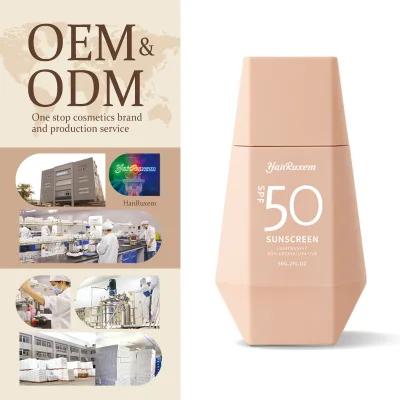
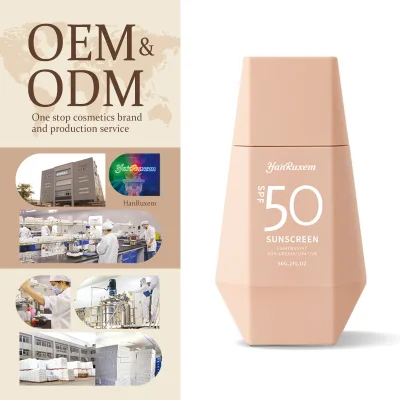
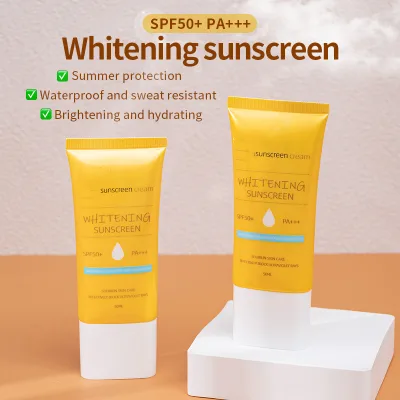
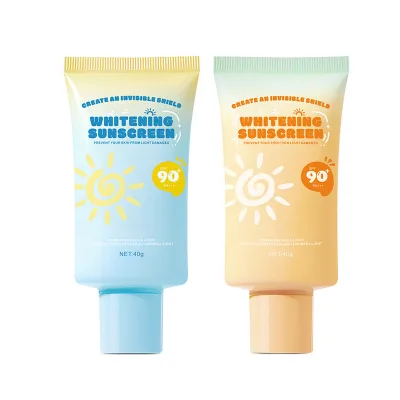
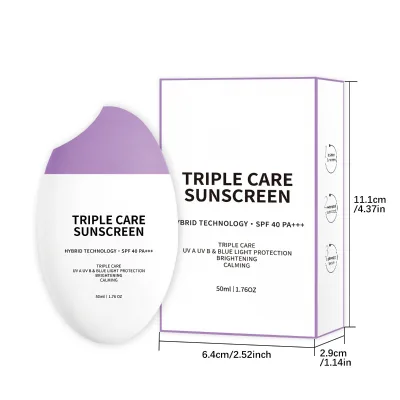
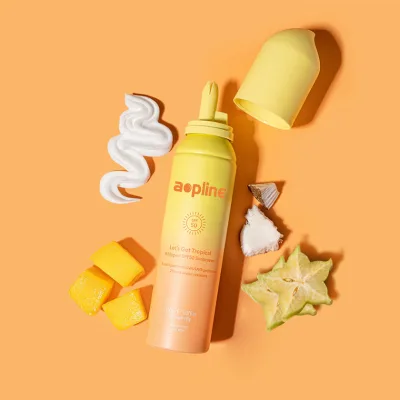


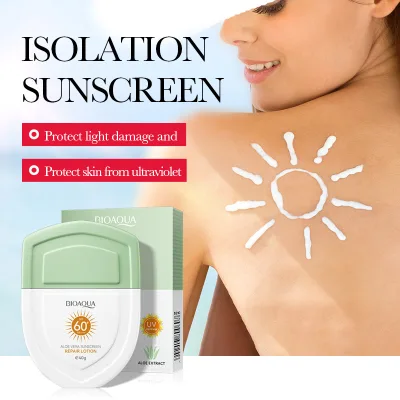
UV Outdoor Sunscreen Refreshing Breathable Non-Greasy Facial Body Sunscreen
$0.80 - $2.50
MOQ: 1000 Pieces

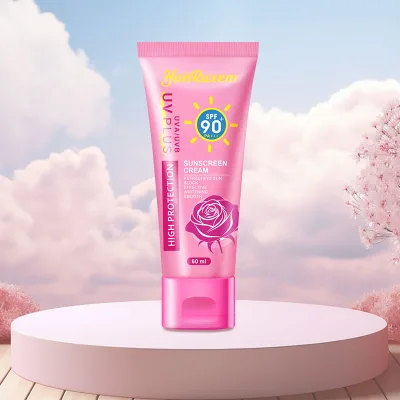
SPF 90 Prevent Sunburn Sunblock Body Sunscreen Spray Cream Lotion Sunscreen
$0.80 - $2.50
MOQ: 30000 Pieces


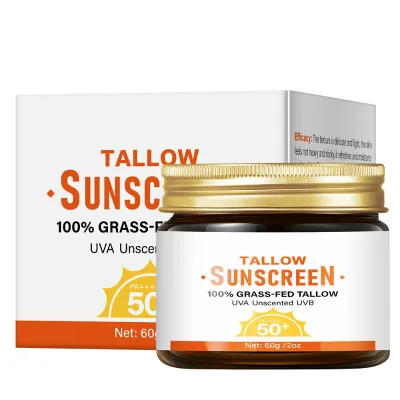
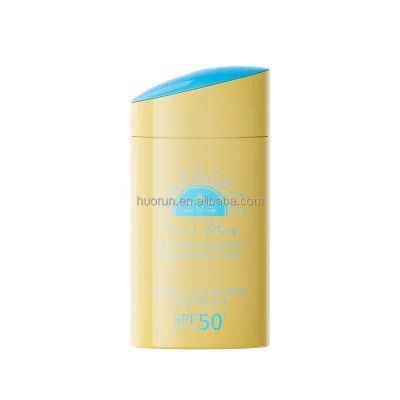
Sunscreen Cream Natural Sun Protection Organic Private Label Wholesale SPF 50
$0.90 - $1.00
MOQ: 10000 Pieces



Comprehensive Sourcing Guide
Strategic Sourcing Guide for Body Sunscreen Procurement
The global demand for Body Sunscreen has intensified as consumers prioritize skin health and long-term protection against ultraviolet radiation. For B2B buyers, navigating this sector requires a rigorous understanding of product formulations, regulatory landscapes, and supply chain dynamics. This guide synthesizes available market data to provide a disciplined framework for sourcing Body Sunscreen, focusing on technical specifications, compliance verification, and supplier evaluation strategies. The objective is to equip procurement professionals with the evidence necessary to make informed decisions without relying on unverified claims or speculative market data.
Technical Specifications and Formulation Analysis
Understanding the physical and chemical attributes of Body Sunscreen is the first step in defining procurement requirements. The market offers a diverse range of formulations, primarily categorized by texture and delivery mechanism. Current observations indicate that body sunscreens are available in cream and gel forms, each serving different consumer preferences and application scenarios. Cream-based products, often characterized by a white or pink hue, are frequently associated with higher opacity and a moisturizing finish, making them suitable for dry skin types. Conversely, gel formulations offer a lighter texture that absorbs quickly, appealing to users seeking non-greasy protection.
Volume customization is a critical technical variable in this sector. Standard offerings often include capacities of 50g and 60g, though the ability to customize volume is a common feature for private label projects. The packaging dimensions also vary significantly, with single package sizes ranging from 10x10x10 cm to 10x10x20 cm, influencing logistics costs and shelf display potential. Ingredients play a pivotal role in product efficacy and safety. Common components observed in the market include glycerine for hydration, alongside herbal and vegan formulations that cater to specific ethical and dermatological needs. Some products highlight protein as a main ingredient, suggesting a focus on skin barrier support.
The efficacy of these products is often quantified through Sun Protection Factor (SPF) and Protection Grade of UVA (PA) ratings. Data indicates the presence of products with SPF50 and SPF23 ratings, alongside PA+++ classifications. These numerical values are not merely marketing tools but essential technical specifications that dictate the level of UV protection provided. Buyers must ensure that the selected SPF and PA values align with the target market's regulatory requirements and consumer expectations. Furthermore, the functional attributes of Body Sunscreen extend beyond protection; many products are designed to brighten and moisturize the skin, offering a multi-functional approach to daily skincare.
Regulatory Compliance and Certification Verification
Compliance is the backbone of successful B2B procurement in the cosmetics industry. While specific certification names are not universally standardized across all regions, buyers must verify that suppliers adhere to rigorous quality management systems. The supply chain for Body Sunscreen often originates from manufacturing hubs in regions like Guangdong, China, where a concentration of OEM and ODM facilities exists. However, the location of origin does not guarantee compliance; it is the specific adherence to international standards that matters.
Buyers should prioritize suppliers who can demonstrate a robust quality assurance process. Key areas of verification include the shelf life of the product, which is typically observed to be around two years. This duration must be clearly stated on the packaging and supported by stability testing data. Additionally, the "High Quality" designation often seen in product listings is a qualitative claim that requires objective validation through third-party testing reports. These reports should cover microbial limits, heavy metal content, and the stability of active ingredients under various temperature conditions.
Certification checks should also extend to the ingredients themselves. The presence of vegan and herbal ingredients implies specific sourcing and processing standards that must be documented. For products targeting all skin types, including sensitive skin, the absence of harmful irritants is paramount. Buyers must request ingredient safety assessments and ensure that the formulation complies with the regulations of the destination market, whether it be the European Union, the United States, or Asia-Pacific regions. The ability to provide a Certificate of Analysis (CoA) for each batch is a fundamental requirement for maintaining compliance and ensuring product safety.
Cost Drivers and Pricing Dynamics
The pricing of Body Sunscreen is influenced by a complex interplay of factors, including formulation complexity, packaging materials, order volume, and customization requirements. The observed price range in the market spans from $0.10 to $3.29 per unit, reflecting the diversity of product tiers available. This wide variance is largely driven by the Minimum Order Quantity (MOQ) and the level of service provided by the supplier.
MOQs are a significant cost driver, with observed ranges extending from as low as 1 unit to as high as 30,000 units. Suppliers offering lower MOQs, such as 1,000 or 5,000 units, often cater to smaller brands or startups, but this flexibility may come at a higher per-unit cost. Conversely, larger orders typically benefit from economies of scale, reducing the unit price. The service model also impacts cost; OEM and ODM services, which include private labeling and custom formulation, generally command a premium compared to standard off-the-shelf products.
Packaging and volume customization further influence the final cost. Products with custom volumes, such as 50g or 60g, may require specific molding and filling processes that differ from standard sizes. The color of the product, whether white or pink, and the inclusion of fragrances or specific scents can also affect production costs. Buyers must carefully evaluate the trade-off between customization and cost efficiency. While a unique formulation or packaging design can differentiate a brand in the market, it may increase the initial investment and lead time. A detailed cost-benefit analysis is essential to determine the optimal balance between product uniqueness and profitability.
Typical Applications and Market Segmentation
Body Sunscreen serves a broad spectrum of applications, ranging from daily skincare routines to specialized outdoor activities. The primary application areas include the face and body, with formulations often designed to be versatile enough for both uses. This dual-application capability is a key selling point for products targeting consumers who prefer a streamlined skincare regimen. The gender segmentation is also inclusive, with products marketed as suitable for females, males, and unisex audiences.
The functional attributes of Body Sunscreen extend beyond simple UV protection. Many products are formulated to provide additional benefits such as moisturizing, brightening, and hydrating the skin. These multi-functional claims are particularly appealing to consumers in the daily skincare market, where the demand for products that offer both protection and treatment is high. The "Sunscreen Protection Moisturizing Hydrating Brightening" efficacy profile observed in the market highlights this trend toward holistic skincare solutions.
In terms of usage scenarios, Body Sunscreen is essential for outdoor activities, beach vacations, and daily commutes in sunny climates. The high SPF ratings, such as SPF50, are particularly relevant for extended sun exposure, while lower SPF options like SPF23 may be suitable for indoor use or short outdoor excursions. The form of the product, whether cream or gel, also dictates its application context. Creams are often preferred for dry skin or colder climates, while gels are favored for hot, humid environments due to their cooling and non-greasy properties. Understanding these application nuances is crucial for buyers aiming to target specific market segments effectively.
Supplier Evaluation and Sourcing Strategy
Selecting the right supplier is a critical decision that impacts product quality, delivery reliability, and brand reputation. The market features a mix of suppliers offering OEM and ODM services, with some highlighting their status as "OEM Foundry" providers. When evaluating potential partners, buyers should focus on several key criteria: manufacturing capacity, technical expertise, and service flexibility.
The ability to handle customized orders is a significant advantage for suppliers. This includes the capacity to adjust volume, color, and formulation to meet specific brand requirements. Suppliers with a track record of serving diverse clients, including those with specific ingredient preferences like herbal or vegan formulations, are generally more reliable. The model numbers associated with different product lines, such as hrx-0303 or 1011, can serve as reference points for evaluating the supplier's product range and technical capabilities.
Service levels are another critical factor. Suppliers offering private label services must be able to manage the entire process from formulation to packaging and labeling. This includes ensuring that the final product meets all regulatory requirements and quality standards. Buyers should also assess the supplier's responsiveness and communication channels, as these factors can significantly impact the speed and efficiency of the procurement process. A supplier with a proven track record of delivering high-quality products on time is essential for maintaining a competitive edge in the market.
Quality Control and Long-Term Procurement Considerations
Maintaining consistent quality is paramount in the Body Sunscreen sector. Buyers must implement a robust quality control (QC) framework that covers all stages of production, from raw material sourcing to final product packaging. The shelf life of two years, as observed in the market, requires strict adherence to storage and handling protocols to ensure product stability. Regular testing for microbial contamination, ingredient integrity, and packaging integrity is essential to prevent product failures and protect consumer health.
Long-term procurement considerations involve building a sustainable relationship with suppliers. This includes establishing clear communication channels, defining quality standards, and agreeing on performance metrics. Buyers should also consider the scalability of the supply chain, ensuring that the supplier can meet increasing demand as the brand grows. The ability to adjust MOQs and production volumes flexibly is a valuable asset for managing inventory and cash flow.
Furthermore, buyers should stay informed about evolving regulatory requirements and market trends. The cosmetics industry is subject to frequent changes in regulations, and suppliers must be agile enough to adapt to these changes. By maintaining a proactive approach to quality control and supplier management, buyers can ensure the long-term success and reliability of their Body Sunscreen procurement strategy. The ultimate goal is to deliver high-quality, compliant products that meet consumer expectations and drive brand growth.
FAQs
What volume options are available for Body Sunscreen?
Standard volumes include 50g and 60g with customization options available. Buyers can request specific capacities to match their packaging needs while maintaining the cream or gel form.
Which SPF ratings are offered for Body Sunscreen products?
Products feature SPF ratings such as SPF50 and SPF23 to meet different protection levels. The PA+++ rating is also available for enhanced UVA protection in various formulations.
Can I order Body Sunscreen with a low minimum order quantity?
Yes, minimum order quantities range from 1 to 30,000 units depending on the supplier. Specific listings show MOQs of 1,000 or 5,000 units for customized private label services.
What ingredients are commonly used in Body Sunscreen formulations?
Common ingredients include glycerine for moisturizing, alongside herbal and vegan components. Some formulations also list protein as a main ingredient to support skin barrier health.
How long is the shelf life of Body Sunscreen products?
The typical shelf life is two years from the date of manufacture. This duration requires strict adherence to storage protocols to ensure stability and safety before use.
Which packaging dimensions are standard for Body Sunscreen units?
Single package sizes typically range from 10x10x10 cm to 10x10x20 cm. These dimensions influence logistics costs and shelf display potential for bulk orders.