Source Bodycon Mesh Maxi Dress with Cowl Neck for parties, events, and photoshoots
Compare 30 listings for the Bodycon Mesh Maxi Dress with Cowl Neck featuring various styles like casual, knitted, and holiday designs. Buyers can evaluate options with different sleeve lengths, waist types, and customization availability from Chinese manufacturers.
Key considerations
Products List


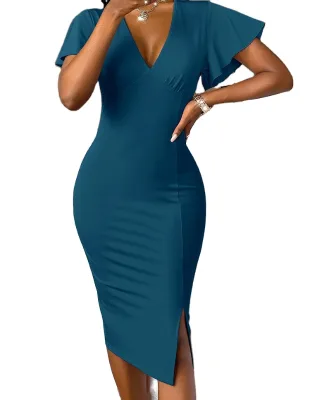


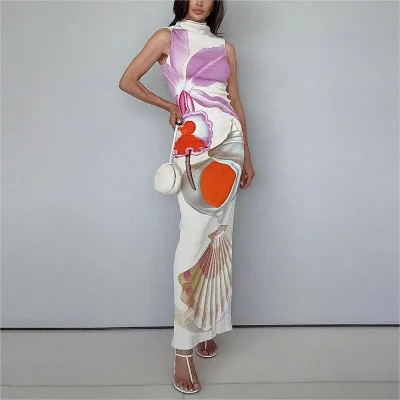


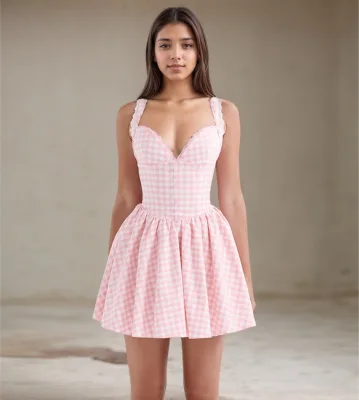
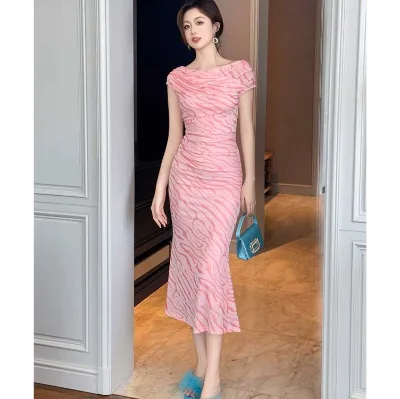


Comprehensive Sourcing Guide
Strategic Sourcing Guide for Bodycon Mesh Maxi Dresses with Cowl Necks
The global apparel market offers a vast array of evening and party wear, yet sourcing a specific silhouette like a bodycon mesh maxi dress with a cowl neck requires a disciplined approach to verify technical feasibility and supply chain reliability. Buyers often encounter conflicting product attributes in online catalogs, where a single listing may claim multiple, mutually exclusive features. To navigate this, procurement teams must rely on verified data points rather than marketing copy. This guide outlines the critical evaluation steps for sourcing this specific garment type, focusing on the intersection of design complexity, material science, and supplier capability.
Technical Specification Verification and Design Feasibility
The core challenge in sourcing a bodycon mesh maxi dress with a cowl neck lies in reconciling the structural requirements of the fabric with the desired silhouette. A "bodycon" fit implies a tight, form-fitting cut that requires high elasticity, while a "maxi" length necessitates significant fabric yardage and careful draping to avoid bulk. The "mesh" component introduces a sheer, open-knit texture that must maintain structural integrity without sagging. Furthermore, a "cowl neck" is a draped neckline that relies on specific fabric weight and drape characteristics to hang correctly; stiff or overly rigid fabrics will fail to create the intended soft folds.
When reviewing supplier data, buyers must scrutinize the listed attributes for consistency. For instance, a product listing might claim a "Sleeveless" design with a "V-Necked" collar, which is a common variation, but a true cowl neck requires a specific cut that differs from a standard V-neck. In the context of the available market data, we observe a wide variance in sleeve types, ranging from "Sleeveless" to "Long Sleeve" and "Short Sleeve." A buyer seeking a specific cowl neck style must verify that the supplier's pattern cutting allows for the necessary excess fabric at the neckline. Additionally, the "Bodycon" requirement often conflicts with listings that specify a "Loose" style or "Midi" length. A true maxi dress typically falls under the "Long" specification, whereas "Midi" and "Short" lengths represent different market segments.
Buyers should also examine the material composition. The ideal fabric for this garment is a blend that offers stretch and recovery. Data from the current market shows materials such as "Polyester" and "Polyester/Elastane" are common. The inclusion of Elastane is critical for the bodycon fit, providing the necessary stretch to hug the body. Conversely, "Cotton" or "Knitted" styles without elastane may not provide the tight fit required for a bodycon silhouette. The "Mesh" aspect is often achieved through specific knitting techniques, which may be listed under "Technics" as "Embroidered" or other specialized methods, though buyers must confirm that the mesh structure is suitable for a cowl drape.
Material Composition and Fabric Performance Standards
Selecting the correct fabric is the single most important factor in the quality of a bodycon mesh maxi dress. The fabric must balance sheer aesthetics with opacity and durability. In the supply chain, the standard "Polyester/Elastane" blend is frequently cited as a primary material for such garments. This combination allows for the creation of a mesh that is lightweight yet possesses the elasticity needed for a bodycon fit. However, buyers must verify the specific ratio of elastane to polyester, as a low elastane content will result in a garment that loses its shape after a few wears.
The "Standard" attribute in supplier listings often refers to the fabric composition or a specific industry standard. For example, some listings may indicate a "Polyester/Elastane" standard, while others might list a numerical code like "30305," which could refer to thread count or fabric density. Buyers should treat these numerical values as observations of specific product batches rather than universal standards. When sourcing, the focus should be on the fabric's "Technics." If a listing mentions "Embroidered" techniques, the buyer must assess whether the embroidery adds weight to the mesh, potentially causing the cowl neck to droop unevenly or the bodycon fit to become rigid.
Furthermore, the "Pattern" attribute varies significantly, with options including "Plaid," "Letters," "Multicolor," and "Other." A mesh dress often relies on the texture of the fabric rather than a printed pattern to create visual interest. If a buyer requires a specific pattern, they must ensure the mesh construction can support the printing or embroidery without compromising the sheer quality. The "Color" attribute is also critical; listings indicate options for "Multicolor" or "Customizable" colors. For a cowl neck design, color consistency is vital, as the draping of the fabric can reveal different shades or sheens depending on the lighting and angle. Buyers should request physical swatches to verify that the mesh color remains consistent across the draped sections of the cowl neck.
Compliance, Certification, and Regulatory Checks
In the B2B apparel sector, compliance is not merely a formality but a prerequisite for market access. While specific certification names are not always listed in every product description, buyers must verify that the supplier adheres to international safety and quality standards. The "Standard" attribute in some listings, such as "Polyester/Elastane," may imply adherence to specific material safety protocols, but this should not be assumed without documentation.
For garments intended for "Youth" or general "Daily" and "Party" occasions, compliance with flammability standards, chemical restrictions (such as REACH or CPSIA), and labeling requirements is essential. The "OEM" (Original Equipment Manufacturer) attribute indicates that the supplier is capable of producing private-label goods, which often requires stricter adherence to the buyer's specific compliance protocols. Buyers should explicitly request test reports for flammability, colorfastness, and shrinkage before placing an order.
The "Product Origin" is listed as "China" in many cases, which is a major manufacturing hub. However, the country of origin does not guarantee compliance. Buyers must ensure that the supplier has a robust quality management system in place. This includes verifying that the "Packing" methods, such as "Polybag" or "Carton," meet international shipping standards and do not introduce contaminants to the garment. Additionally, if the garment is intended for export to specific regions, buyers must check for any region-specific certifications regarding textile dyes and finishing agents. The "Customization" attribute suggests that suppliers can adapt to specific requirements, but this customization must include compliance adjustments, such as changing dyes to meet specific regional regulations.
Cost Drivers and Pricing Structure Analysis
Understanding the cost drivers for a bodycon mesh maxi dress with a cowl neck is essential for budgeting and negotiation. The primary cost factors include the complexity of the pattern cutting, the quality of the mesh fabric, and the labor intensity of the construction. A cowl neck requires precise cutting and sewing to ensure the drape is symmetrical and aesthetically pleasing, which increases labor costs compared to a standard straight-cut dress. The "Bodycon" fit also demands high precision in grading and sizing to ensure a consistent fit across all sizes.
The "MOQ" (Minimum Order Quantity) is a significant variable in pricing. Market data shows a wide range, from as low as 2 units to as high as 10,000 units. A listing with an MOQ of 10,000 units suggests a focus on large-scale production, which typically results in a lower unit cost but requires a larger capital outlay. Conversely, a lower MOQ allows for smaller batches but may come with a higher per-unit price due to setup costs. Buyers must balance their inventory needs with the cost implications of the MOQ.
The "Style" and "Type" of the garment also influence pricing. A "Casual" style may be priced differently than a "Holiday" or "Party" style, depending on the perceived value and the complexity of the design. The "Length" is another factor; a "Long" maxi dress requires more fabric than a "Short" or "Midi" dress, directly impacting the material cost. Additionally, the "Pattern" and "Color" customization options can add to the cost. If a buyer requests a "Customizable" color or a specific "Plaid" pattern, the supplier may charge a premium for the setup and material sourcing.
Supplier Evaluation and Capacity Assessment
Evaluating suppliers for this specific product type requires a deep dive into their technical capabilities and production history. The "Model" numbers listed in supplier data, such as "XH-004" or "Dresses-010N," serve as unique identifiers for specific product lines. Buyers should use these model numbers to track the supplier's consistency and track record. A supplier with a diverse range of models, including "Slim" and "Loose" styles, demonstrates versatility, but the buyer must ensure the supplier has specific expertise in the "Bodycon" and "Mesh" categories.
The "OEM" and "Customization" attributes are strong indicators of a supplier's flexibility. A supplier that offers "OEM" services is likely capable of adapting to the buyer's specific design requirements, including the cowl neck cut and mesh fabric selection. However, buyers should verify the supplier's capacity to handle the "Lead Time" associated with custom orders. While specific lead times are not provided in the data, the complexity of the design suggests that custom orders will require more time than standard stock items.
Buyers should also assess the supplier's "Packing" capabilities. Listings mention "Polybag" and "Carton" packing, which are standard, but for high-end mesh dresses, additional protective measures may be necessary to prevent snagging or damage during transit. The "Product Origin" being "China" is a common factor, but buyers should verify the specific factory location and its proximity to ports to minimize logistics costs.
Quality Control Protocols and Inspection Standards
Implementing a rigorous quality control (QC) protocol is essential to ensure that the final product meets the buyer's expectations. The "Technics" attribute, such as "Embroidered," requires specific inspection points to ensure that the stitching is secure and does not compromise the mesh structure. For a cowl neck, the QC process should focus on the symmetry of the drape and the consistency of the neckline shape.
The "Size" attribute, often listed as "Free Size" or specific measurements, must be verified against the buyer's size chart. A "Bodycon" dress with a "Free Size" claim may not fit all body types uniformly, so buyers should request detailed size specifications. The "Material" composition must also be verified through lab testing to ensure it matches the supplier's claims. For example, if the listing states "Polyester/Elastane," the buyer should confirm the percentage of elastane to ensure the garment retains its shape.
Inspection should also cover the "Pattern" and "Color" consistency. A "Multicolor" or "Plaid" pattern must be aligned correctly, especially in a mesh fabric where misalignment is more visible. The "Front Fly" attribute, listed as "Pullover," indicates that the dress is designed to be pulled on without a zipper, which requires careful attention to the elasticity and fit of the garment. Buyers should conduct a "Pre-Production" sample inspection to verify the cowl neck drape and bodycon fit before authorizing mass production.
Long-Term Procurement Considerations and Relationship Management
Building a long-term relationship with a reliable supplier is crucial for the success of ongoing apparel procurement. The "Customization" and "OEM" capabilities of the supplier should be leveraged to create a unique product line that differentiates the buyer in the market. However, this requires clear communication and a shared understanding of quality standards.
Buyers should consider the "Season" attributes of the product. Listings indicate "Summer" and "Spring/Summer" as common seasons for such dresses. This suggests that the product may have a limited sales window, and buyers must plan their inventory accordingly to avoid overstocking. The "Occasion" attributes, such as "Daily," "Party," and "Holiday," also influence the product's lifecycle and demand.
Finally, buyers should maintain a proactive approach to supplier management. Regular audits, performance reviews, and open communication channels are essential to ensure that the supplier continues to meet the buyer's evolving needs. By focusing on technical specifications, material quality, and compliance, buyers can successfully source high-quality bodycon mesh maxi dresses with cowl necks that meet the demands of the modern fashion market.
FAQs
How can I customize the color for this dress?
You can request customizable colors for the dress as indicated in the product attributes. This option allows buyers to specify unique color requirements beyond standard multicolor or plaid patterns to match specific brand needs.
What is the minimum order quantity for these dresses?
The minimum order quantity varies significantly, ranging from 2 to 1000 units depending on the specific supplier and model. Some listings indicate a high MOQ of 10,000 units for large-scale production runs.
Which materials are used for the fabric composition?
The dresses are primarily made from Polyester or Polyester/Elastane blends. Some variations also utilize Cotton or Knitted styles, though Elastane is critical for achieving the necessary stretch for a bodycon fit.
Can I find suppliers offering OEM services for this item?
Yes, several suppliers explicitly offer OEM services for this product type. This capability allows buyers to produce private-label goods while adhering to specific design and compliance requirements.
What is the typical lead time for custom orders?
Specific lead times are not provided in the current product data, but custom orders generally require more time than standard stock items. Buyers should verify the exact timeline with the supplier based on their capacity and customization needs.
How are the dresses packaged for shipping?
The standard packaging includes individual polybags, often placed inside cartons for bulk shipping. Some listings specify that each item is packed in a polybag to ensure protection during transit.
What styles are available for this dress type?
Available styles include Casual, Loose, Knitted, and Holiday types. The product attributes also list variations such as Slim models and different sleeve lengths ranging from sleeveless to long sleeve.