Source Body Oil for Face Lift, Anti-Aging, and Firming
Find 30 Body Oil options from Chinese manufacturers offering OEM/ODM services. Compare features like anti-aging, firming, and deep moisturizing for all skin types with customizable packaging and certifications.
Key considerations
Products List


Custom Anti Cellulite Oil Slimming Massage Oil Body Fat Burning Massage Oil
$1.76 - $2.11
MOQ: 3000 Pieces

Pure Slimming Essential Oil with 100% Natural Ingredients for Body Care
$1.12 - $1.89
MOQ: 3000 Pieces

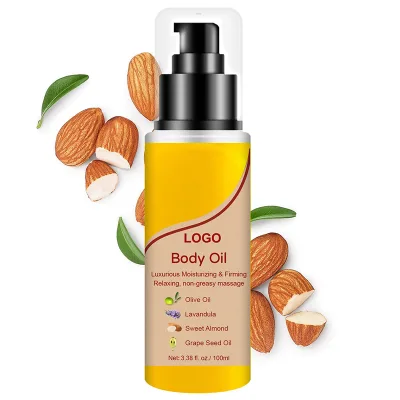

Beauty Cosmetics Skin Care Body Oil Relax Joints Muscles Body Massage Oil
$2.75 - $3.65
MOQ: 50 Pieces


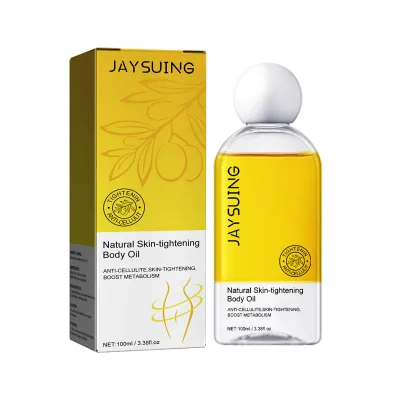


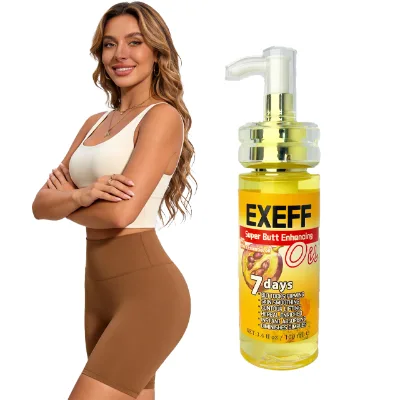
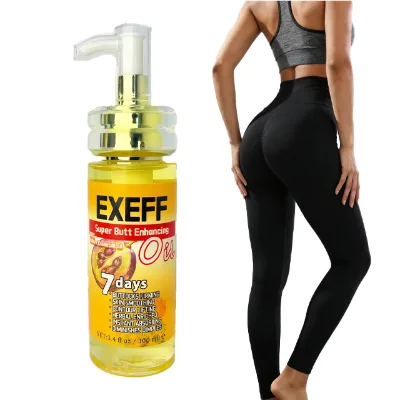
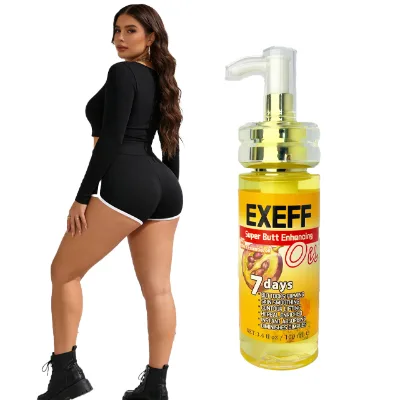
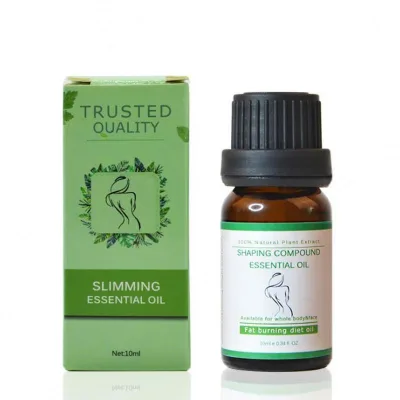
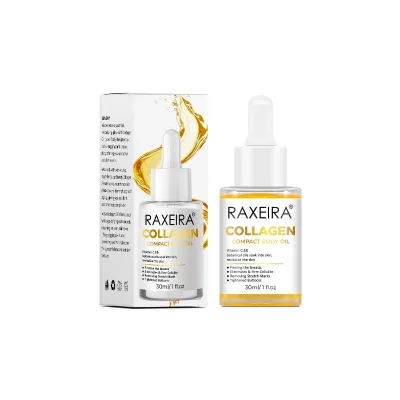
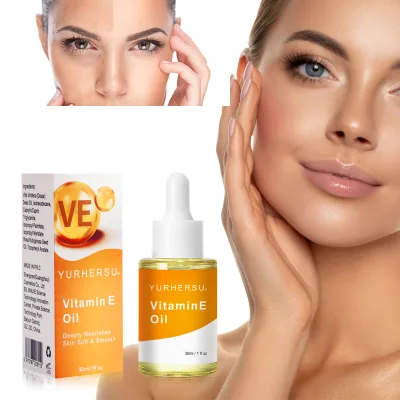

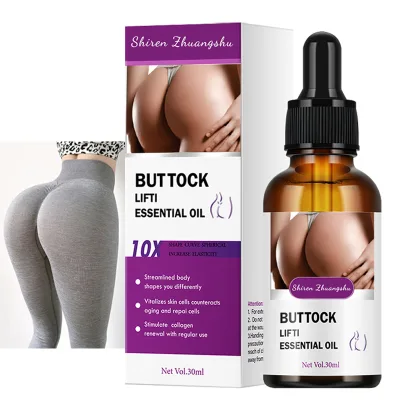
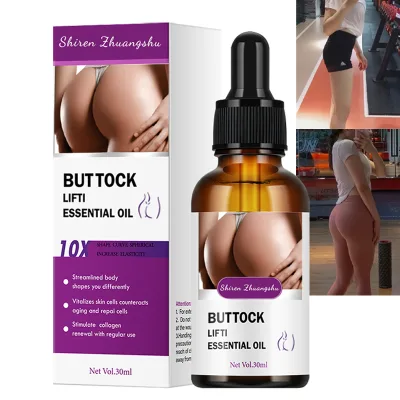
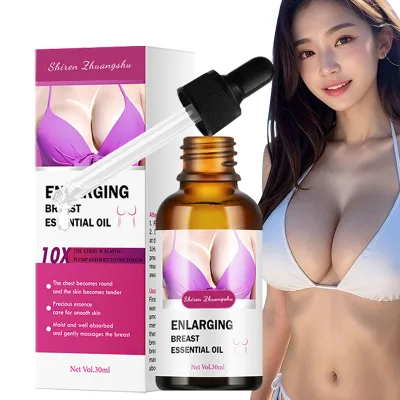
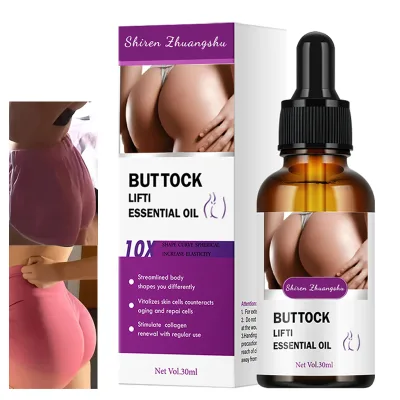
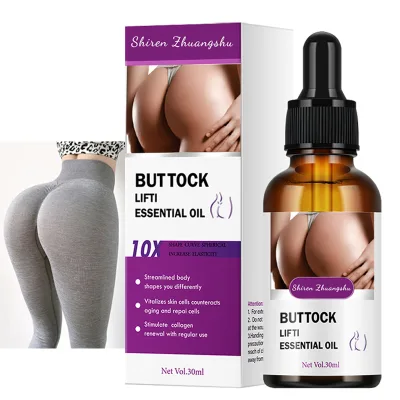
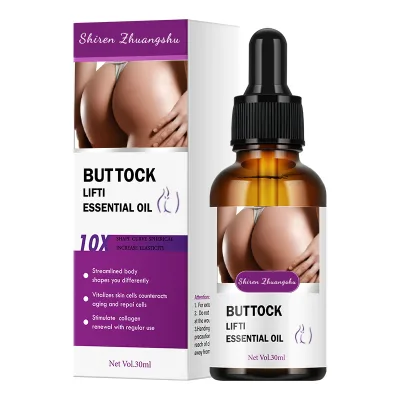


Comprehensive Sourcing Guide
Body Oil Sourcing Guide
Sourcing Body Oil requires a strategic balance between cosmetic efficacy, regulatory compliance, and supply chain reliability. This guide provides evidence-based procurement advice for buyers evaluating Body Oil products, focusing on verified attributes, technical specifications, and commercial terms observed in current market listings. The objective is to equip procurement teams with the knowledge to assess suppliers effectively, ensuring that selected partners meet quality standards and business requirements without relying on unverified claims.
The Body Oil category encompasses a diverse range of formulations, from pure essential oil blends to compound moisturizing oils designed for specific skin types. Buyers must distinguish between products marketed for general moisturizing and those targeting specific concerns such as anti-aging, firming, or dark circle reduction. Understanding the distinction between these product types is critical for aligning procurement with brand positioning and consumer expectations, particularly when considering private label or OEM opportunities.
Product Scope and Observed Listing Signals
The observed market for Body Oil reveals a wide price range, typically spanning from $0.65 to $99 per unit, reflecting significant variation in ingredient quality, packaging complexity, and brand positioning. This disparity suggests that buyers should not equate lower prices with inferior quality alone, but rather investigate the cost structure, including raw material sourcing and packaging customization. High-end listings often feature premium ingredients like rose or specialized essential oil blends, while more affordable options may focus on basic moisturizing functions using common carrier oils.
Listing signals indicate that customization is a primary driver in this category, with many suppliers offering OEM/ODM services and private customized packaging. The availability of customization extends to branding, logo placement, and even formulation adjustments, allowing buyers to tailor products to specific market niches. However, buyers must verify the extent of these customization options, as some suppliers may limit changes to packaging only, while others offer full formulation flexibility. Understanding these capabilities early in the sourcing process helps in selecting partners that align with long-term brand strategies.
Technical Specifications to Verify
Technical verification begins with the raw materials and formulation composition, which directly impact product efficacy and stability. Listings indicate the use of various raw materials, including flowers, seeds, and specific oils such as jojoba, olive, sweet almond, and grape seed oil. Buyers should request detailed ingredient lists and verify the grade of separation, with pure grade formulations often commanding higher value due to their concentrated potency and purity. Additionally, the method of extraction, such as cold-pressing or solvent extraction, should be confirmed to ensure it aligns with quality expectations and regulatory requirements.
Packaging and volume specifications are equally critical, with observed standards ranging from 30ml to 250ml, and specific models like MO, BO, SBO, and SO indicating different product variants. Buyers must verify the physical weight and net content to ensure consistency, as discrepancies can lead to customer dissatisfaction and regulatory issues. The shelf life, typically observed at three years, should be validated through stability testing, and the product’s physical properties, such as color and odor, should be specified to maintain brand consistency across batches.
Compliance and Safety Documentation
Compliance is non-negotiable in the Body Oil sector, with certifications such as MSDS, GMP, and CE serving as baseline indicators of supplier capability. Buyers must verify that these certifications are current and applicable to the specific product type and target market, as requirements vary significantly between regions. For instance, CE certification is crucial for products sold in the European Union, while GMP ensures that manufacturing processes adhere to good manufacturing practices, reducing the risk of contamination and ensuring product consistency.
Safety documentation should also include detailed Material Safety Data Sheets (MSDS) that outline the chemical composition, handling precautions, and first-aid measures. Buyers should request these documents for each product variant to ensure that all ingredients are properly declared and that the product meets local regulatory standards. Additionally, verifying the origin of raw materials, such as flowers and seeds, can help assess the sustainability and ethical sourcing practices of the supplier, which is increasingly important to consumers and regulators alike.
Cost Drivers and Commercial Terms
Cost drivers in Body Oil procurement include raw material costs, packaging expenses, and customization fees, all of which can significantly impact the final price. Buyers should analyze the cost structure to understand how each component contributes to the overall price, particularly when negotiating with suppliers who offer OEM/ODM services. The minimum order quantity (MOQ) is another critical factor, with observed ranges from 1 to 5000 pieces, allowing for flexibility in initial orders but potentially increasing per-unit costs for smaller quantities.
Commercial terms such as delivery time, payment terms, and return policies should be clearly defined in contracts to mitigate risks. Observed delivery times range from 15 to 30 days, which buyers should factor into their inventory planning and supply chain logistics. It is essential to negotiate favorable payment terms, such as partial payments or escrow services, to protect against non-delivery or quality issues. Additionally, understanding the supplier’s policy on defects and returns can provide a safety net for unexpected challenges during production or distribution.
Supplier Qualification and Quality Control
Supplier qualification involves a thorough assessment of manufacturing capabilities, quality control processes, and past performance. Buyers should request evidence of the supplier’s production capacity, including equipment, workforce, and facility conditions, to ensure they can meet volume requirements and maintain consistent quality. Quality control measures, such as in-process inspections and final product testing, should be verified to ensure that the supplier adheres to strict standards and can identify and rectify issues before shipment.
Past performance and references from other clients can provide valuable insights into the supplier’s reliability and responsiveness. Buyers should seek testimonials or case studies that demonstrate the supplier’s ability to deliver on time, meet quality expectations, and handle customization requests effectively. Additionally, conducting on-site audits or third-party inspections can provide a more comprehensive understanding of the supplier’s operations and help identify potential risks or areas for improvement.
Long-Term Procurement Checks
Long-term procurement success depends on establishing a robust relationship with suppliers that prioritizes continuous improvement and adaptability. Buyers should implement regular performance reviews to assess supplier adherence to quality standards, delivery timelines, and communication effectiveness. These reviews should include feedback from internal stakeholders, such as marketing and sales teams, to ensure that the product meets market demands and brand expectations.
As market trends and regulatory requirements evolve, buyers must remain vigilant in updating their sourcing strategies and supplier qualifications. This includes staying informed about new certifications, ingredient restrictions, and consumer preferences that may impact product development and marketing. By maintaining a proactive approach to supplier management and quality assurance, buyers can ensure that their Body Oil products remain competitive, compliant, and aligned with long-term business goals.
FAQs
What certifications do the body oils have?
The body oils are certified with MSDS, GMP, and CE standards. These certifications ensure the products meet safety and quality requirements for international trade and cosmetic applications.
Can I get custom packaging for these oils?
Yes, private customized packaging and private logo services are available for these body oils. Buyers can request specific branding and packaging designs to match their unique market needs.
What is the minimum order quantity for these products?
The minimum order quantity is 1000 pieces for standard orders. However, some listings indicate a flexible range starting from 1 unit up to 5000 units depending on the specific supplier terms.
How long does delivery take for these oils?
The delivery time typically ranges from 15 to 30 days after order confirmation. This lead time applies to the manufacturing and shipping process from the origin in Guangdong, China.
Which ingredients are used in these body oils?
The oils contain natural ingredients such as Jojoba Oil, Olive Oil, Sweet Almond, and Grape Seed Oil. Some variants also feature Rose as a key ingredient for specific skin benefits.
What are the main features of these body oils?
Key features include anti-aging, anti-wrinkle, firming, and deep moisturizing effects. They are designed to improve skin texture, reduce puffiness, and provide a relaxing experience for all skin types.
Are these oils suitable for all skin types?
Yes, the body oils are formulated to be suitable for all skin types. They offer fast absorption and nourishment for dry skin while providing firming and lifting benefits.