Source Bolt-On Front Bumper for Trucks, Cars, and Repairs
Compare 30 listings for a bolt-on front bumper designed for trucks and cars. These new plastic parts feature excellent fitment, CE certification, and OEM compatibility for repair purposes with a 12-month warranty.
Key considerations
Products List


Comprehensive Sourcing Guide
Strategic Sourcing Guide for Bolt-On Front Bumpers
Understanding Technical Specifications and Fitment Requirements
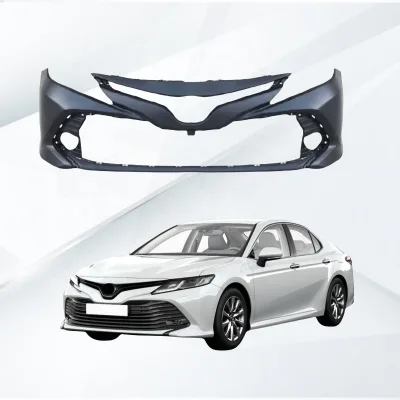
When sourcing a bolt-on front bumper, the primary objective is to secure a component that integrates seamlessly with the vehicle's existing chassis without requiring complex fabrication. The technical foundation of this procurement process relies heavily on verifying the "Bolt-On" attachment type, which implies a direct replacement strategy using existing mounting points. In the context of heavy-duty or commercial vehicle applications, such as those identified in current market listings for truck bumpers, the fitment is often described as "Excellent Fitment," suggesting a high degree of precision in manufacturing tolerances.
Buyers must rigorously examine the model number compatibility, as these components are rarely universal. Specific listings indicate model ranges such as "2018-2021," which dictates the exact year and generation of the vehicle for which the part is designed. The "OE NO." (Original Equipment Number) serves as the critical verification metric; for instance, the number "521190X936" is a specific identifier that must match the vehicle's factory records to ensure structural alignment. Furthermore, the physical dimensions are paramount. The standard size and specific package dimensions, such as "88X75X55 cm," influence not only the shipping logistics but also the internal packaging density required to prevent damage during transit.
Material composition is another non-negotiable specification. The predominant material observed in this category is "Plastic," which offers a balance of durability and weight reduction compared to metal alternatives. This material choice is particularly relevant for "Front Bumper" applications where impact absorption is necessary. The color is typically standardized to "Black," aligning with the "OEM" (Original Equipment Manufacturer) style to maintain the vehicle's aesthetic integrity. Additionally, the inclusion of "Screws" as items included in the package is a significant logistical advantage, reducing the need for separate hardware procurement. However, buyers must confirm if the "Bumper Cut-Outs" align with specific vehicle features, such as "Fog Light" placements, to avoid post-purchase modification needs.
Compliance, Certification, and Regulatory Standards
Navigating the regulatory landscape for automotive parts requires a clear understanding of the certifications that validate product safety and quality. In the global market, particularly for components originating from manufacturing hubs in China, certifications act as a proxy for manufacturing rigor. The presence of "CE" certification is a common indicator that the product meets European health, safety, and environmental protection standards. Some listings further specify "ISO" certification, which suggests adherence to international quality management systems, although the specific ISO standard (e.g., ISO 9001) should be verified against the supplier's actual documentation rather than assumed.
The "Quality" attribute is frequently highlighted as "100% Tested" or "High-Quality." While these are marketing terms, they imply a commitment to internal quality control processes. For a bolt-on bumper, this testing likely involves dimensional checks to ensure the "Standard" size matches the vehicle's requirements and structural integrity tests to verify the plastic material can withstand typical road impacts. The "Warranty" period, often cited as "12 Months," provides a contractual safety net for buyers, indicating the supplier's confidence in the product's longevity.
It is crucial for buyers to distinguish between the product's origin and the certification body. While the "Place of Origin" is listed as "Guangdong, China" or "Guangzhou, China," the certifications themselves are issued by independent or international bodies. Buyers should request copies of the actual certificates rather than relying solely on the product page listing. The "Certification" field often lists "CE" and "ISO," but the specific scope of these certifications must be confirmed to ensure they cover the specific manufacturing process and material composition of the bumper. Additionally, the "Standard" field may reference packaging standards like "0.07CBM" or volume ratios like "1:10," which are logistical metrics rather than safety standards, but they reflect the supplier's attention to detail in packing and shipping.
Cost Drivers and Pricing Dynamics
The pricing structure for bolt-on front bumpers is influenced by a complex interplay of material costs, manufacturing complexity, and logistics. The observed price range in the market is vast, spanning from $0.01 to $200,000. This extreme variance indicates that the keyword "bolt-on front bumper" encompasses a wide spectrum of products, from small electronic accessories or toy components to full-scale, heavy-duty truck replacement parts. For a genuine automotive bumper, the price is likely to be on the higher end of this spectrum, driven by the cost of high-grade plastic, the precision of the molding process, and the inclusion of hardware like screws.
Several specific factors drive the final cost. The "Material" cost is a primary driver; while plastic is generally less expensive than metal, the grade of plastic (e.g., ABS, polypropylene) affects durability and price. The "Single gross weight" of 9.9 kg for a bumper package is a significant factor in shipping costs, as freight charges are often calculated based on weight or volumetric weight. The "Single package size" of 88X75X55 cm further complicates logistics, as bulky items incur higher freight rates and require specialized handling.
The "MOQ" (Minimum Order Quantity) is another critical cost driver. The observed range of 1 to 1000 units allows for flexibility, but the specific "prod_prop.MOQ" of "1-10 SETS" suggests that small batch orders are feasible for testing or small fleet repairs. However, larger orders may benefit from economies of scale, reducing the unit price. The "Payment" terms, typically "T/T" (Telegraphic Transfer), also influence the financial dynamics, as they affect cash flow and potential discounts for early payment. Buyers must also consider the "Delivery time" of 7-10 days, which, while relatively short, impacts the total cost of ownership if the part is needed urgently for fleet downtime.
Typical Applications and Vehicle Compatibility
The application of bolt-on front bumpers is highly specific, with distinct requirements for different vehicle classes. The primary application identified in the market data is for "Truck" and "Car" categories. For trucks, the bumper serves a dual purpose: protecting the vehicle's front end from minor collisions and providing a mounting point for auxiliary equipment. The "Position" is strictly defined as the "Front Bumper," ensuring it aligns with the vehicle's grille and lighting systems.
Compatibility is the most critical factor in application. The "Universal Fitment" attribute is explicitly listed as "No," meaning these parts are not one-size-fits-all. Instead, they are designed for specific models, such as those indicated by the "Model Number: 2018-2021" or specific OEM codes like "X03-28030046." This specificity ensures that the "Bolt-On" mechanism functions correctly without modification. The "Purpose" is clearly stated as "for replace/repair," indicating that these parts are intended to restore the vehicle to its original condition rather than for aesthetic customization or performance enhancement.
The "Style" is described as "OEM," which implies that the design, color, and finish are intended to match the factory-original specifications. This is particularly important for commercial fleets where uniformity is required for branding and safety compliance. The "Color: Black" is a standard choice that matches most vehicle front ends, but buyers should verify if custom colors are available, as "Customization: Available" is noted in the product attributes. The "Suitable for: Adult" attribute, while seemingly generic, likely refers to the intended user demographic for the vehicle or the handling requirements of the part during installation.
Supplier Evaluation and Verification Protocols
Evaluating a supplier for automotive parts requires a multi-dimensional approach that goes beyond the basic product listing. The "Brand Name" "YBJ" is one identifier, but buyers should not rely solely on brand recognition. Instead, they must verify the supplier's capability to deliver consistent quality and adhere to the stated specifications. The "Place of Origin" being "Guangdong, China" or "Guangzhou, China" places the supplier in a major manufacturing hub, which is advantageous for supply chain efficiency but requires due diligence regarding the specific factory's reputation and capacity.
Key verification steps include confirming the "Quality: 100% Tested" claim through third-party inspection reports or requesting samples for pre-shipment testing. The "Warranty: 12 Months" is a strong indicator of supplier confidence, but buyers should review the terms and conditions to understand what is covered, such as material defects versus shipping damage. The "Payment: T/T" term is standard, but buyers should negotiate terms that protect their interests, such as partial payments upon shipment or inspection.
The "Customization: Available" attribute suggests flexibility, but buyers must clarify the scope of customization. Does this include color, logo placement, or structural modifications? The "Items Included: Screws" is a positive sign, but the quality and quantity of these hardware components must be verified to ensure they are compatible with the vehicle's existing threads and materials. The "prod_packing" method, described as "EPE and Bubble Bag," is essential for protecting the plastic bumper during transit, and buyers should ensure this packaging is robust enough to prevent damage, especially given the "Single gross weight" of 9.9 kg.
Quality Control and Long-Term Procurement Considerations
Maintaining consistent quality in long-term procurement requires a robust quality control (QC) framework. The "Quality: High-Quality" and "100% Tested" attributes are starting points, but buyers must implement their own QC protocols. This includes verifying the "Material: Plastic" grade and ensuring it meets the required impact resistance standards. The "Standard" field, which may reference "0.07CBM" or "1:10," should be interpreted as packaging and volume standards, but buyers should also request technical data sheets that detail the material properties, such as tensile strength and UV resistance.
Long-term procurement considerations involve building a relationship with a supplier who can consistently meet the "7-10 Days" delivery time. This lead time is critical for minimizing vehicle downtime in commercial fleets. Buyers should also consider the "Selling Units: Single item" aspect, which allows for flexible ordering but may increase per-unit costs compared to bulk orders. The "Type: Electronic Accessories" and "Electronics: Sounding IC Box" attributes found in some listings suggest that the market includes a mix of mechanical and electronic components, and buyers must ensure they are sourcing the correct type of bumper for their specific needs.
The "Hardware: Ring" and "Mobile Phone Rope: Lifting Rope" attributes indicate that some listings may include additional accessories, which could be relevant for specific applications. However, for a standard front bumper, the focus should remain on the structural integrity and fitment. The "Vinyl: Whistle" and "Orientation: L" attributes highlight the diversity of products in the search results, and buyers must carefully filter these to ensure they are sourcing a genuine automotive bumper and not a toy or accessory.
Strategic Procurement and Risk Mitigation
To mitigate risks in sourcing bolt-on front bumpers, buyers should adopt a strategic approach that emphasizes verification and documentation. The "OE NO.: 521190X936" is a critical piece of information that must be cross-referenced with the vehicle's service manual. Any discrepancy in the model number or OE number can lead to fitment issues, rendering the part unusable. The "Application: Car" and "Application: Truck" distinctions are vital, as the engineering requirements for these vehicle types differ significantly.
Buyers should also consider the "Customization: Available" option as a risk mitigation strategy. If the standard "Black" color or "OEM" style does not meet specific fleet requirements, the ability to customize can prevent the need for post-purchase modifications. The "Package: Neutral Parking(Or Customized)" option offers flexibility in branding and logistics, allowing buyers to choose between generic packaging or custom branding based on their distribution needs.
Finally, the "Lead time" of 7-10 days is a key performance indicator for supplier reliability. Buyers should monitor this metric over time to ensure consistency. The "Single gross weight" and "Single package size" are also critical for logistics planning, as they affect shipping costs and warehouse space. By focusing on these tangible metrics and verifying the "Certification: CE" and "ISO" claims, buyers can make informed decisions that balance cost, quality, and reliability in the procurement of bolt-on front bumpers.
FAQs
What is the material composition of the bolt-on front bumper?
The bumper is constructed from durable plastic to balance weight and impact absorption. This material choice supports the OEM style and black color while ensuring the part meets standard size requirements for the specified vehicle models.
Which certification validates the safety and quality of this bumper?
The product carries CE certification and ISO certification to indicate compliance with international standards. These marks suggest adherence to safety and quality management systems, though buyers should verify specific documentation for their region.
How long is the delivery time for this bolt-on front bumper?
The standard delivery time is between 7 to 10 days after order confirmation. This lead time applies to the production and shipping process for the single item package containing the bumper and included screws.
Can I customize the color or design of the front bumper?
Customization is available for this product, allowing for specific color or design adjustments beyond the standard black OEM finish. Buyers should confirm the scope of customization with the supplier before placing an order.
What is the minimum order quantity for purchasing this bumper?
The minimum order quantity ranges from 1 to 10 sets depending on the specific supplier arrangement. This flexibility allows buyers to order single items for replacement or small batches for fleet repairs.
Which vehicle models does this bumper fit according to the specifications?
The bumper is designed for specific models covering the 2018 to 2021 range and matches OE number 521190X936. It is not universal and requires verification of the exact model number and application type for trucks or cars.
What warranty coverage is provided for the bolt-on front bumper?
A 12-month warranty is provided to cover potential defects in material or workmanship. This warranty period offers buyers a contractual safety net, assuming the product is installed correctly and used for its intended replace or repair purpose.