Source BPA Free Airtight Kitchen Canisters for Coffee, Tea, and Herbs
Compare 30 listings of BPA Free Airtight Kitchen Canisters designed for coffee beans, tea leaves, and herbs. Buyers can evaluate stainless steel and plastic options with freshness preservation features and customizable branding from suppliers in Taiwan; compare the available evidence and request quotations based on your requirements.
Key considerations
Products List
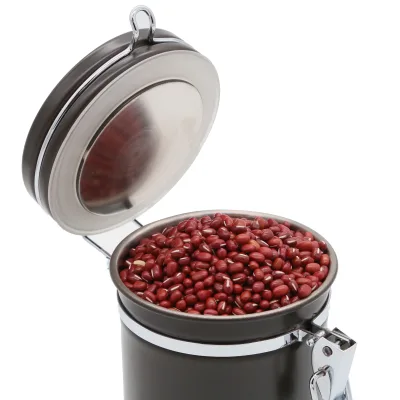


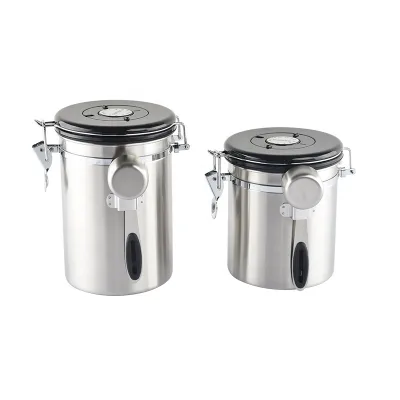
Stainless Steel Jar Airtight Durable Moisture Proof Canister Kitchen Metal Food Storage
$1.20 - $1.49
MOQ: 200 pieces
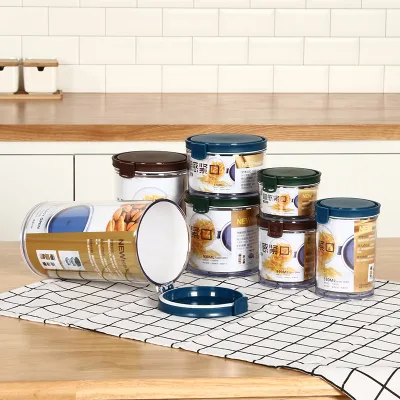


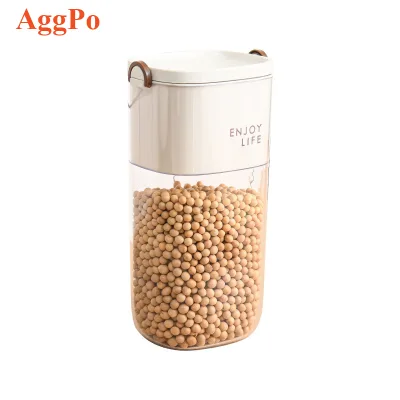
Vacuum Airtight Coffee Bean Container Jar Food Coffee Kitchen Storage Canister
$0.21 - $0.42
MOQ: 10000 Pieces






Comprehensive Sourcing Guide
BPA Free Airtight Kitchen Canisters Sourcing Guide
Procuring BPA-free airtight kitchen canisters requires a nuanced understanding of material science and supply chain transparency, particularly when targeting health-conscious markets. Buyers must distinguish between true BPA-free certifications and generic marketing claims, ensuring that the polymer or metal components used in manufacturing do not leach harmful substances into stored goods. The observed market data indicates a diverse range of options, from stainless steel cylinders to plastic storage boxes, each presenting unique challenges regarding seal integrity and long-term durability. Sourcing decisions should prioritize suppliers who provide clear material composition statements, as the absence of Bisphenol A is a critical baseline for food safety compliance in many international jurisdictions.
The functional design of these containers extends beyond simple storage, often incorporating features like freshness preservation and specialized closures for coffee beans, tea leaves, or herbs. Observations from current listings reveal a strong emphasis on minimalist and countryside styles, suggesting that aesthetic appeal is as important as utility for many end-users. Buyers should evaluate how the physical dimensions, such as the observed diameter of 9.5cm and height of 16.5cm for specific models, align with their retail packaging and shelf-space requirements. Understanding these physical constraints early in the sourcing process helps prevent logistical bottlenecks and ensures that the final product meets both functional and visual expectations of the target demographic.
Product Scope and Observed Listing Signals
The current market landscape for airtight kitchen canisters displays a wide variance in material composition, with listings highlighting both stainless steel and plastic options. Stainless steel variants, often described as 18-8 grade, offer robust durability and eco-friendly safety profiles, appealing to consumers seeking long-term sustainability. Conversely, plastic models are frequently marketed with specific capacity ranges, such as 1000-2000ml, and feature multifunctional designs that cater to diverse storage needs. Buyers must carefully cross-reference these material claims with actual product specifications, as some listings may conflate different product types under a single keyword, leading to potential mismatches in quality expectations and performance outcomes.
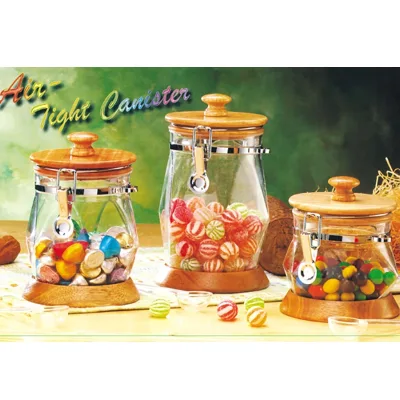
Color and style options are highly diversified, ranging from standard silver and beige to more distinctive choices like camouflage patterns, wooden textures, and dark brown finishes. This variety suggests that suppliers are targeting niche aesthetic preferences, including minimalist and countryside styles, which can influence purchasing decisions in home and hospitality sectors. The observed single package sizes and gross weights provide critical data for logistics planning, with some items weighing up to 1.000 kg per unit. Procurement teams should analyze these physical attributes to determine optimal shipping methods and packaging strategies, ensuring that the aesthetic and functional promises made in listings are consistently delivered across large orders.
Technical Specifications to Verify
Verifying the precise technical specifications of airtight canisters is essential to ensure they meet the rigorous demands of food storage applications. Buyers should confirm the exact dimensions, such as the observed 22.50x12.50x14.00 cm single package size, to ensure compatibility with existing storage systems and retail displays. The capacity of these containers, often listed in grams or milliliters, must be accurately measured to prevent underfilling or overfilling issues during production. Additionally, the shape of the container, whether cylindrical, rectangular, or round, impacts stacking efficiency and space utilization, making it a critical factor for warehouse management and retail shelving optimization.
Seal integrity is another paramount technical aspect that requires thorough verification, as the primary function of these canisters is freshness preservation. Buyers should inquire about the specific mechanisms used to achieve airtight conditions, such as silicone gaskets or locking lids, and request samples to test the seal under various conditions. The material thickness and quality, particularly for stainless steel models, should be assessed to ensure resistance to corrosion and deformation. Furthermore, the availability of customization options, including logo printing and color variations, should be clarified to ensure that the supplier can meet specific branding requirements without compromising the structural integrity of the product.
Compliance and Safety Documentation
Ensuring that airtight kitchen canisters comply with international food safety standards is a non-negotiable aspect of the procurement process. Buyers must request comprehensive documentation that verifies the BPA-free status of all plastic components, as well as the food-grade certification of any metal parts. This documentation should include test reports from accredited laboratories, confirming that the materials do not leach harmful substances into food products under normal usage conditions. The absence of such documentation poses significant legal and reputational risks, particularly in markets with stringent regulatory frameworks regarding food contact materials.
In addition to material safety, buyers should verify that the manufacturing processes adhere to recognized quality management standards. This includes checking for certifications related to hygiene, production consistency, and environmental responsibility, which are increasingly important to consumers and retailers. The observed emphasis on eco-friendly and healthy advantages in product listings suggests that suppliers may hold relevant environmental certifications, which can be leveraged in marketing efforts. Procurement teams should establish a clear protocol for reviewing and validating these compliance documents before placing any orders, ensuring that all products meet the highest safety and quality benchmarks.
Cost Drivers and Commercial Terms
The cost structure of airtight kitchen canisters is influenced by several key factors, including material selection, manufacturing complexity, and order volume. Stainless steel models, while durable and premium, typically carry higher production costs compared to their plastic counterparts, which can be mass-produced more efficiently. Buyers should analyze the price ranges observed in the market, noting that costs can vary significantly based on the level of customization and the specific features offered, such as advanced sealing mechanisms or unique aesthetic designs. Understanding these cost drivers allows procurement teams to negotiate more effectively and align their budgets with the desired product quality and features.
Commercial terms, including minimum order quantities (MOQ) and lead times, play a crucial role in the overall procurement strategy. The observed MOQ ranges, from as low as 2 pieces to as high as 10,000, offer flexibility for both small-scale retailers and large distributors. Buyers should assess their inventory needs and cash flow constraints to determine the optimal order size, balancing the benefits of bulk discounts against the risks of overstocking. Additionally, clear communication regarding production lead times and shipping schedules is essential to avoid delays and ensure timely delivery to customers, particularly for seasonal or promotional campaigns.
Supplier Qualification and Quality Control
Selecting a reliable supplier for airtight kitchen canisters requires a thorough evaluation of their production capabilities and quality control processes. Buyers should verify the supplier’s experience in manufacturing food storage products, paying close attention to their track record for consistency and reliability. The ability to provide samples for testing is a critical indicator of a supplier’s confidence in their product quality and their willingness to engage in a transparent procurement process. Additionally, suppliers should have robust quality assurance protocols in place, including regular inspections and testing procedures, to ensure that every batch meets the specified standards.
Communication and responsiveness are also key indicators of a supplier’s professionalism and commitment to customer satisfaction. Buyers should assess how quickly and clearly the supplier responds to inquiries, particularly regarding technical specifications and customization options. A supplier that provides detailed information and proactive support is more likely to deliver a smooth procurement experience. Furthermore, the availability of after-sales support and the ability to handle issues such as defects or delays are important considerations. Establishing a strong relationship with a qualified supplier can lead to long-term benefits, including better pricing, priority production, and improved product quality.
Long-Term Procurement Checks
Maintaining a successful long-term procurement strategy for airtight kitchen canisters involves continuous monitoring of supplier performance and market trends. Buyers should regularly review supplier metrics, such as on-time delivery rates, product defect rates, and responsiveness to issues, to ensure that the partnership remains beneficial. Periodic audits of the supplier’s production facilities and quality control processes can help identify potential risks and areas for improvement. Additionally, staying informed about changes in material costs, regulatory requirements, and consumer preferences allows buyers to adapt their sourcing strategies proactively, ensuring that they remain competitive in the market.
Feedback from end-users and retail partners is invaluable for refining product specifications and improving overall satisfaction. Buyers should establish channels for collecting and analyzing this feedback, using it to guide future purchasing decisions and supplier negotiations. This iterative process helps ensure that the products offered continue to meet the evolving needs of the market. Furthermore, exploring opportunities for product innovation, such as new materials or enhanced features, can provide a competitive edge. By maintaining a flexible and informed approach to procurement, buyers can build a resilient supply chain that supports long-term business growth and success.
FAQs
What material are the airtight kitchen canisters made of?
The canisters are constructed from stainless steel, specifically 18-8 grade, ensuring durability and safety for food storage. Some listings also indicate plastic options are available. This material choice supports the freshness preservation feature required for storing coffee beans, tea leaves, and herbs effectively in various kitchen environments.
Can I customize the logo on these food storage containers?
Yes, logo customization is available for these stainless steel and plastic canisters. Buyers can request specific branding on the cylindrical or rectangular containers. This service applies to orders meeting the minimum quantity requirements, allowing businesses to brand products for home, hotel, or restaurant use with their unique identity.
What is the minimum order quantity for these storage jars?
The minimum order quantity starts at 2 pieces for individual items. However, bulk orders may require up to 10,000 pieces depending on the specific supplier and product configuration. This flexible MOQ allows small businesses to test the market while accommodating larger commercial needs for kitchen storage solutions.
Which sizes are available for these airtight food containers?
Available sizes include a cylindrical model with a diameter of 9.5cm and height of 16.5cm, holding approximately 260 grams. Other options range from 1000 to 2000ml capacity. These dimensions support various storage needs for dried foods, spices, and coffee beans in compact kitchen spaces.
How do these canisters preserve food freshness effectively?
These containers feature airtight seals designed specifically for freshness preservation. The stainless steel construction and secure lids prevent air and moisture from entering, keeping coffee beans, tea, and herbs fresh longer. This functional design ensures the contents remain safe and healthy for extended periods in home or commercial kitchens.
What colors are available for these kitchen storage canisters?
Buyers can choose from multiple colors including green, beige, silver, red, yellow, gray, and camouflage patterns. Wooden and dark brown finishes are also offered. These aesthetic options allow users to match the canisters to their specific kitchen decor while maintaining the essential airtight functionality for food storage.
Where are these food storage canisters manufactured?
The primary place of origin for these stainless steel and plastic canisters is Taiwan, China. This location is known for producing high-quality kitchenware. The products are designed for use in homes, hotels, and restaurants, ensuring reliable performance and adherence to safety standards for food contact materials.