Source Breathable Anti-Slip Women Dress Shoes for office, events, travel
Find 30 options for Breathable Anti-Slip Women Dress Shoes featuring rubber soles, EVA insoles, and customizable designs. Buyers can compare materials like synthetic or genuine leather, heel heights, and OEM capabilities across verified listings.
Key considerations
Products List


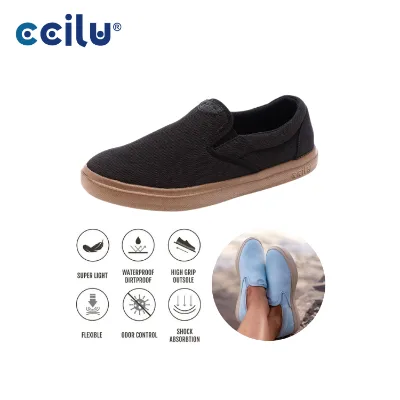
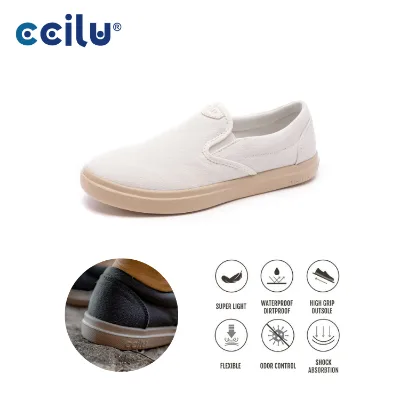


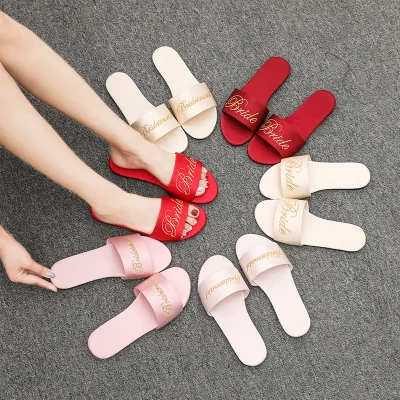


Comprehensive Sourcing Guide
Strategic Sourcing Guide for Breathable Anti-Slip Women's Dress Shoes
Understanding Product Attributes and Technical Specifications
When sourcing breathable anti-slip women's dress shoes, buyers must first distinguish between the functional requirements of the footwear and the aesthetic specifications that define the "dress" category. The core keyword implies a product that balances formal appearance with safety and comfort features. Based on available market data, the target product category encompasses women's dress shoes characterized by specific heel heights, typically ranging from low (1-3cm) to mid-height (3-5cm). This range ensures the footwear remains suitable for professional environments while providing the necessary stability for daily wear.
The construction of these shoes often involves a combination of materials designed to meet both durability and breathability standards. The upper materials frequently cited include imitated leather, synthetic leather, and genuine leather. For buyers prioritizing sustainability, specific supply chains offer linings made from coffee yarn and rPET yarn derived from recycled plastic bottles, a detail that aligns with modern corporate social responsibility goals. The outsole material is consistently identified as rubber, which is a critical component for achieving the "anti-slip" requirement. The anti-slip functionality is often engineered through specific patterns on the sole, such as anti-slip patterns, rather than relying solely on the rubber compound itself.
Breathability is a key performance attribute for this category. While the outer shell may be leather or synthetic, the internal construction plays a vital role in air circulation. The insole material is frequently noted as EVA (Ethylene-Vinyl Acetate), which not only contributes to the shoe's structural integrity but also offers shock absorption properties. This combination of EVA foam and breathable linings helps manage foot temperature and moisture, a crucial factor for dress shoes worn for extended periods. The available color palette for these products typically includes neutral tones such as black, beige, off-white, and ivory, with some variations offering blue options. The toe style varies between sharp and closed designs, allowing buyers to select the specific silhouette that matches their client's brand identity.
Compliance, Certification, and Safety Standards Verification
In the B2B procurement of safety-oriented footwear, verifying compliance with relevant standards is a non-negotiable step. While specific certification documents like ASTM F2892 may appear in general industry backgrounds, buyers must treat such references as background context rather than guaranteed product attributes. The actual product listings do not explicitly confirm that every unit meets specific international safety test results or certifications. Therefore, the procurement strategy must focus on verification protocols rather than assuming compliance based on marketing claims.
Buyers should request specific test reports from suppliers to validate the "anti-slip" and "breathable" claims. The presence of an anti-slip pattern on the sole is a design feature, but it does not automatically equate to a certified slip-resistance rating. Procurement teams should ask for data from standardized testing laboratories that measure the coefficient of friction under various conditions, such as wet or oily surfaces. Similarly, the claim of breathability should be supported by moisture vapor transmission rate (MVTR) data if the buyer has strict comfort requirements for their end-users.
Regarding material safety, the use of genuine leather, synthetic leather, and recycled yarns (rPET) introduces different compliance considerations. Buyers must ensure that the dyes and finishing agents used on the leather and synthetic materials comply with the chemical regulations of the destination market, such as REACH in Europe or TSCA in the United States. The sourcing guide emphasizes that while the product origin is identified as Chengdu, China, the specific manufacturing facility's compliance status must be verified on a per-supplier basis. The "Quality Guarantee" period of 90 days after shipment is a standard commercial term, but it does not replace the need for pre-shipment quality inspections and material safety certifications.
Cost Drivers and Pricing Dynamics
The pricing structure for breathable anti-slip women's dress shoes is influenced by a complex interplay of material costs, customization levels, and order volume. The observed listed price range in the market spans from $1.50 to $30.00 USD. This wide variance indicates that the final unit cost is highly dependent on the specific configuration of the shoe. Lower-priced units typically utilize synthetic leather uppers and standard EVA insoles, while higher-priced units may incorporate genuine leather linings, advanced recycled materials, or more complex manufacturing processes.
Material selection is a primary cost driver. The transition from imitated leather to genuine leather or the inclusion of specialized recycled yarns for the lining will significantly increase the bill of materials. Furthermore, the complexity of the anti-slip pattern on the rubber outsole can affect molding costs. Shoes with more intricate tread designs or those requiring specialized rubber compounds for enhanced grip may command a premium.
Customization is another significant factor influencing cost. The market data confirms that OEM (Original Equipment Manufacturer) and ODM (Original Design Manufacturer) services are available. Buyers requesting custom branding, specific color combinations beyond the standard black and beige, or unique packaging solutions will incur additional costs. The "Clients Logo" feature is explicitly available, but the setup fees and per-unit cost for logo application vary by supplier and order quantity.
Order volume plays a critical role in the final price per unit. The observed Minimum Order Quantity (MOQ) ranges from 1 to 3,000 units. Suppliers offering an MOQ of 1 are likely targeting sample orders or very small boutique runs, which carry a higher per-unit cost due to the lack of economies of scale. Conversely, orders approaching the 3,000-unit threshold can leverage bulk material purchasing and optimized production lines, resulting in prices closer to the lower end of the observed range. Buyers must balance the need for customization and quality against the financial benefits of larger order volumes.
Typical Applications and Use Cases
The functional attributes of breathable anti-slip women's dress shoes make them suitable for a diverse range of professional and semi-formal applications. The primary use case is in the corporate and service sectors where employees are required to wear formal attire but spend significant time on their feet. The combination of a dress shoe aesthetic with a mid or low heel height ensures the footwear is appropriate for office environments, retail stores, and hospitality venues.
The anti-slip design is particularly valuable in environments where floor surfaces may become slick due to spills, cleaning, or weather conditions. This includes restaurants, hospitals, and retail environments where safety is a priority. The breathable nature of the shoe, facilitated by the EVA insole and moisture-wicking linings, addresses the comfort needs of workers who stand for long shifts. The shock absorption provided by the EVA foam further reduces fatigue, making these shoes ideal for healthcare workers, teachers, and service industry staff.
Additionally, the availability of OEM and ODM designs allows these shoes to be branded for specific corporate uniforms. Companies looking to project a professional image while ensuring employee safety can utilize these shoes as part of a uniform program. The neutral color options (black, beige, ivory) ensure that the shoes can be easily integrated into various dress codes. The "Not Stock" status of some listings suggests that these products are often produced to order, allowing for tailored solutions for specific corporate clients rather than generic mass-market distribution.
Supplier Evaluation and Selection Criteria
Selecting the right supplier requires a rigorous evaluation process that goes beyond the basic product listing. Buyers should prioritize suppliers who demonstrate transparency in their production capabilities and material sourcing. The origin of the products is identified as Chengdu, China, a region known for its footwear manufacturing. However, the specific factory's capacity, quality control systems, and ethical labor practices must be verified independently.
Key evaluation criteria include the supplier's ability to handle customization requests. Since the product line supports OEM and ODM designs, buyers should assess the supplier's design team and their ability to translate specific requirements into production-ready samples. The availability of the "Clients Logo" feature indicates a willingness to collaborate, but the quality of the logo application and the durability of the branding must be tested.
The supplier's quality assurance protocols are equally important. While a 90-day quality guarantee after shipment is a standard offering, buyers should inquire about the internal quality control measures taken during production. This includes in-process inspections and final random sampling. The supplier should be able to provide documentation regarding their material sourcing, particularly for claims involving recycled materials like rPET yarn.
Communication and responsiveness are also critical factors. Given the "Not Stock" nature of many listings, the lead time and the ability to meet production schedules are vital. Buyers should request a detailed production timeline and assess the supplier's flexibility in handling changes or rush orders. The MOQ flexibility, ranging from 1 to 3,000 units, suggests that suppliers may be willing to negotiate based on the buyer's specific needs, but this should be confirmed during the negotiation phase.
Quality Control and Long-Term Procurement Considerations
Implementing a robust quality control (QC) strategy is essential for ensuring that the sourced footwear meets the expected standards of performance and durability. Given the specific attributes of the product, such as the rubber outsole and EVA insole, QC checks should focus on the integrity of the bonding between the upper and the sole, the consistency of the anti-slip pattern, and the durability of the breathable lining.
Pre-shipment inspections should verify that the shoe dimensions, including the size run (typically 35# to 41# or 36# to 41#), match the order specifications. Buyers must also check the packaging, as the standard packing is "One Pair Each Box." Ensuring that the packaging is sturdy enough to protect the shoes during transit is crucial, especially for international shipments. The product standards, such as the dimensions 301810 or 29139CM, refer to the packaging or product specifications and should be verified to ensure they meet the buyer's logistical requirements.
For long-term procurement, building a strategic partnership with the supplier is more beneficial than transactional buying. Buyers should consider the supplier's capacity for continuous improvement and their ability to adapt to changing market trends, such as the increasing demand for sustainable materials. The availability of recycled yarns suggests that suppliers are already exploring eco-friendly options, and buyers can leverage this to enhance their own sustainability goals.
Establishing clear communication channels and regular review meetings can help maintain quality standards over time. Buyers should also consider the total cost of ownership, including potential returns or replacements due to quality issues. The 90-day quality guarantee provides a safety net, but proactive quality management is necessary to minimize disruptions. By focusing on technical specifications, compliance verification, and supplier reliability, buyers can secure a steady supply of high-quality breathable anti-slip women's dress shoes that meet the demands of their end-users.
Comparative Analysis of Product Configurations
To assist buyers in making informed decisions, the following table summarizes the key variations found in the market for breathable anti-slip women's dress shoes. This comparison highlights the differences in materials, specifications, and customization options that influence the final product selection.
| Feature | Configuration A | Configuration B | Configuration C |
|---|---|---|---|
| Upper Material | Imitated Leather | Synthetic Leather | Genuine Leather |
| Lining Material | Standard | Coffee yarn / rPET | Genuine Leather |
| Insole Material | EVA | EVA Foam | EVA |
| Outsole Material | Rubber | Rubber | Rubber |
| Heel Height | Mid (3-5cm) | Low (1-3cm) | Mid (3-5cm) |
| Toe Style | Sharp | Closed | Closed |
| Color Options | Black, White, Beige | Black, Beige | Black, Beige, Ivory |
| Customization | OEM & ODM | OEM & ODM | OEM & ODM |
| Typical MOQ | 1 - 3000 | 1 - 3000 | 1 - 3000 |
| Origin | Chengdu, China | Chengdu, China | Chengdu, China |
This table illustrates that while the core functional elements (rubber outsole, EVA insole) remain consistent, the choice of upper and lining materials significantly impacts the product's positioning, cost, and sustainability profile. Buyers should select the configuration that best aligns with their specific brand values and budget constraints.
FAQs
What customization options are available for these shoes?
OEM and ODM customization services are available for these dress shoes. Buyers can request specific designs, client logos, and color variations beyond the standard black and beige options to match their brand identity.
Which heel heights are offered for women's dress shoes?
The product listings offer both low heel heights ranging from 1 to 3 centimeters and mid heel heights between 3 and 5 centimeters. This range ensures stability and suitability for professional environments while maintaining a formal dress shoe aesthetic.
Can I find breathable shoes with recycled lining materials?
Yes, some listings specify linings made from coffee yarn and rPET yarn derived from recycled plastic bottles. These sustainable materials are combined with EVA insoles to provide breathability and shock absorption for extended wear.
What is the minimum order quantity for these products?
The minimum order quantity ranges from 1 unit to 3,000 units depending on the supplier and specific configuration. Lower MOQs are available for sample orders, while larger volumes may secure better pricing and production efficiency.
Where are these breathable anti-slip shoes manufactured?
The products originate from Chengdu, China, a region known for footwear manufacturing. Buyers should verify specific factory compliance and quality control protocols as the origin is a general location rather than a single guaranteed facility.
What materials are used for the shoe uppers and soles?
Upper materials include imitated leather, synthetic leather, and genuine leather options. The outsoles are consistently made of rubber featuring anti-slip patterns to ensure safety and durability in various professional environments.