Source Breathable Anti Smashing Safety Helmet for Construction, Mining, and Power
Find 30 options for a Breathable Anti Smashing Safety Helmet designed for industrial use. Buyers can compare models with CE certification, adjustable sizes, and customizable logos across various applications including construction, mining, and electric power industries.
Key considerations
Products List

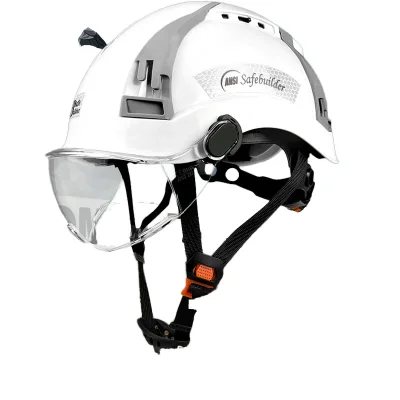
Anti-Smashing Protective Construction Summer Breathable Rescue Safety Helmet
$4.90 - $5.80
MOQ: 200 pieces




Comprehensive Sourcing Guide
Breathable Anti Smashing Safety Helmet Sourcing Guide
Selecting the right head protection requires balancing rigorous impact resistance with thermal comfort, particularly in high-temperature or physically demanding environments. The "Breathable Anti Smashing Safety Helmet" category addresses this dual need by combining structural integrity designed to dissipate kinetic energy with ventilation systems that promote airflow. Buyers must recognize that these attributes are not mutually exclusive; rather, they represent a sophisticated engineering balance where the helmet’s shell and suspension system work in tandem to protect the wearer without causing heat stress. This guide provides a structured approach to evaluating products that meet these specific performance criteria, ensuring that procurement decisions are grounded in verifiable technical data and commercial reality.
The procurement landscape for these helmets is diverse, with manufacturers offering various configurations to suit different industrial sectors. From construction sites to electrical power industries, the demand for headgear that offers both protection and comfort is consistent. However, not all helmets labeled as "breathable" or "anti-smashing" meet the same rigorous standards. Buyers need to navigate a market where product names may vary, but the underlying safety requirements remain constant. This guide focuses on helping procurement professionals identify key differentiators, verify critical specifications, and establish clear commercial terms to secure reliable supply chains for personal protective equipment (PPE).
Product Scope and Observed Listing Signals
The observed market signals indicate a wide range of product variations, with prices ranging from $0.8 to $100 USD and minimum order quantities (MOQs) spanning from 1 to 1000 pieces. This broad spectrum suggests that buyers can find options for both small-scale trials and large-scale industrial deployments. The presence of customizable logos and colors, such as white, blue, red, and yellow, indicates that many suppliers offer branding services, which is crucial for corporate identity and site visibility. Additionally, the availability of different types, including Y-type, T-type, V-type, and I-type suspensions, allows buyers to select the specific fit and comfort level required for their workforce.
Weight is a significant differentiator in this category, with observed weights ranging from 0.45kg to 1kg, and some products specifically highlighting a lightweight feature around 400-550g. Lighter helmets are often preferred for long-duration wear to reduce neck strain, but buyers must ensure that reduced weight does not compromise impact resistance. The materials used, primarily ABS, HDPE, and PE, play a critical role in determining both the weight and the durability of the helmet. Buyers should pay close attention to the material specifications, as ABS generally offers higher impact resistance compared to PE, while HDPE provides a balance of cost and performance.
Technical Specifications to Verify
When evaluating technical specifications, the size range is a critical factor to ensure proper fit and protection. Observed sizes range from 52-63cm and 53-63cm, with some products specifying a hoop size of 57-60cm. It is essential to verify that the helmet’s adjustable size range accommodates the head circumferences of your entire workforce. An improper fit can not only cause discomfort but also compromise the helmet’s ability to stay in place during an impact. Buyers should request detailed sizing charts from suppliers and consider ordering samples to test the fit on a representative sample of employees.
The suspension system type, such as Y-type, T-type, V-type, or I-type, significantly affects comfort and stability. Y-type and T-type suspensions are common in many listings, offering different points of contact with the head to distribute weight and impact forces. Additionally, features like breathability and anti-smashing capabilities must be verified through specific design elements, such as ventilation holes and robust shell construction. Buyers should inquire about the specific engineering behind these features, such as the number and placement of ventilation holes, and how they contribute to airflow without weakening the structural integrity of the helmet.
Compliance and Safety Documentation
Compliance with international and regional safety standards is non-negotiable for safety helmets. Observed certifications include CE, EN 397, ANSI Z89.1 Type I Class C, and GB 2811. These standards define the minimum requirements for impact absorption, penetration resistance, and flame resistance. Buyers must ensure that the helmets they procure are certified to the specific standards required by their local regulations and industry best practices. For instance, EN 397 is the European standard for industrial safety helmets, while ANSI Z89.1 is the American standard. GB 2811 is the Chinese national standard.
It is crucial to verify the validity and scope of these certifications. Buyers should request copies of the test reports and certificates from accredited laboratories. The certification should cover the specific model and material of the helmet being purchased. Additionally, buyers should check if the certification includes lateral impact protection and chin strap retention, which are critical for comprehensive head protection. Misinterpretation of certification labels can lead to purchasing helmets that do not meet the necessary safety requirements for the intended application.
Cost Drivers and Commercial Terms
The cost of safety helmets is influenced by several factors, including material quality, certification level, customization options, and order volume. The observed price range of $0.8 to $100 USD reflects these variations. Lower-priced helmets may use basic materials and lack extensive customization or premium certifications, while higher-priced options may offer advanced features, such as enhanced ventilation, superior impact resistance, and branded packaging. Buyers should align their budget with their safety requirements, avoiding the temptation to choose the lowest price if it compromises on critical safety features.
Commercial terms, such as MOQ and packing details, also impact the total cost of ownership. Observed MOQs range from 20 to 1000 pieces, with packing typically done in cartons of 20 pieces. Buyers should negotiate terms that align with their inventory management strategies and cash flow. Additionally, customization costs, such as logo printing and color selection, may incur additional fees. It is important to clarify these costs upfront to avoid unexpected expenses. Buyers should also consider the lead time for production and delivery, especially for large orders or customized products.
Supplier Qualification and Quality Control
Supplier qualification is a critical step in ensuring the reliability and consistency of safety helmet supplies. Buyers should verify the supplier’s manufacturing capabilities, quality control processes, and track record. Suppliers located in regions like Zhejiang, Fujian, and Jiangsu in China are common sources for these products. Buyers should request information about the supplier’s production facilities, including equipment and testing capabilities. Additionally, buyers should check for any relevant business licenses and export qualifications.
Quality control measures should be clearly defined and agreed upon before placing orders. This includes pre-production samples, in-process inspections, and final random inspections. Buyers should specify the acceptance criteria for defects, such as cracks, discoloration, or improper fit. It is also advisable to conduct periodic audits of the supplier’s quality management system. By establishing a robust quality control framework, buyers can minimize the risk of receiving substandard products and ensure that the helmets meet the required safety and performance standards.
Long-Term Procurement Checks
Long-term procurement success depends on continuous monitoring and evaluation of supplier performance and product quality. Buyers should establish key performance indicators (KPIs) to track metrics such as on-time delivery, defect rates, and customer satisfaction. Regular feedback from end-users, such as construction workers and electricians, is invaluable for identifying any issues with comfort, durability, or fit. This feedback loop allows buyers to make informed decisions about continuing or adjusting their procurement strategy.
Additionally, buyers should stay updated on changes in safety standards and regulations. As technology and materials evolve, new standards may emerge that require updates to existing procurement specifications. Buyers should engage with suppliers to discuss potential improvements and innovations in helmet design and materials. By maintaining a proactive approach to supplier management and product evaluation, buyers can ensure that their workforce is protected by the best available safety equipment, while also optimizing costs and operational efficiency.
FAQs
What certifications do these safety helmets hold?
These helmets hold CE certificates and meet EN 397 and ANSI Z89.1 Type I Class C standards. This ensures they comply with international safety requirements for industrial head protection in various environments.
Can I customize the logo on the helmet?
Yes, customized logos are accepted for these safety helmets. Buyers can request specific branding to be applied to the product, allowing for corporate identity integration on the protective gear.
What is the minimum order quantity for these helmets?
The minimum order quantity is 20 pieces per carton. This low MOQ allows buyers to test the product quality before committing to larger bulk orders for their specific project needs.
Which materials are used to make these helmets?
These helmets are constructed from ABS, HDPE, or PE materials. These durable plastics provide the necessary impact resistance and insulation required for construction and industrial safety applications.
How adjustable is the size of the helmet?
The helmet features an adjustable size ranging from 52 to 63 centimeters. This wide range ensures a secure and comfortable fit for most adult head sizes in various industrial settings.
What are the key features of this safety helmet?
Key features include being lightweight, breathable, and anti-smashing. These attributes ensure comfort during long shifts while providing essential protection against falling objects and electrical hazards.
Where are these helmets manufactured?
These helmets are manufactured in China, specifically in provinces like Zhejiang, Fujian, and Jiangsu. This location allows for efficient production and shipping to international markets.