Source Breathable Bamboo Fiber Polo Shirt for Golf, Daily, Outdoor
Compare 30 Breathable Bamboo Fiber Polo Shirt options from verified suppliers. Buyers can evaluate customization, materials, and pricing for golf, daily wear, and outdoor activities. These listings include various styles like vintage and casual designs with short sleeves and breathable features suitable for summer use.
Key considerations
Products List


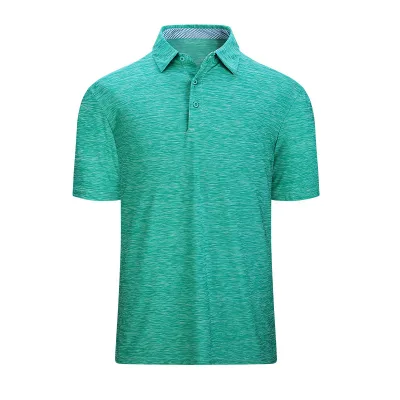


Golf Polo Shirt Men's Flamingo Pattern Custom Logo Polyester Spandex Cool
$5.60 - $6.80
MOQ: 100 Pieces


Comprehensive Sourcing Guide
Breathable Bamboo Fiber Polo Shirt Sourcing Guide
Sourcing breathable bamboo fiber polo shirts requires a nuanced understanding of material properties and manufacturing capabilities. While the core keyword highlights bamboo fiber, the observed product data indicates a diverse inventory that includes cotton, polyester, and blended fabrics. Buyers must carefully distinguish between genuine bamboo viscose and synthetic alternatives to ensure the product meets specific comfort and sustainability goals. The available customization options, including OEM and ODM support, allow for tailored designs, but the base material composition varies significantly across different supplier listings.
The observed market signals reveal a wide range of styles, from casual vintage looks to professional business attire. Key attributes such as short sleeves, polo necks, and plain or printed patterns are common, with sizes ranging from S to 4XL. Buyers should verify the exact fiber content for each SKU, as some listings specify 100% polyester or cotton rather than bamboo. This variation impacts the breathability, moisture-wicking capabilities, and overall feel of the garment, making it essential to request physical samples before committing to large orders.
Product Scope and Observed Listing Signals
The current market offers a broad spectrum of polo shirts with varying material compositions and design features. Observed listings include models with plain, solid color, and printed patterns, catering to diverse aesthetic preferences. The age group is primarily adults, with styles suitable for outdoor activities, daily wear, and going out. Customization is widely available, allowing buyers to specify colors, logos, and designs. However, the presence of both cotton and polyester options in the data suggests that "bamboo fiber" may not be the sole material offered by all suppliers, requiring careful filtering during the sourcing process.
Functional attributes such as breathability, softness, and comfort are frequently highlighted across listings. The technical construction is predominantly knitted, with short sleeves and normal sleeve shapes being standard. Collar styles vary between polo necks and O-necks, offering versatility for different brand identities. The observed price range of 0.7 to 18 USD reflects significant differences in quality, material, and order volume. Buyers should note that while customization is supported, the specific implementation of custom logos and colors may depend on the supplier’s printing capabilities, such as digital printing, screen printing, or embroidery.
Technical Specifications to Verify
Verifying technical specifications is critical to ensuring the polo shirts meet performance expectations. Buyers must confirm the exact fabric composition, as listings show variations including cotton, polyester, and potentially bamboo blends. The weight, GSM, and knit structure significantly influence breathability and durability. It is essential to request detailed fabric specifications from suppliers, including fiber content percentages and any treatment processes applied to enhance moisture-wicking or softness. Without precise data, buyers risk receiving products that do not align with their quality standards or customer expectations.
Packaging and labeling requirements also play a crucial role in the final product presentation. Observed packing methods include individual poly bags, with some items fit into boxes, and others packed in cartons. Standard carton dimensions of 40x30x2 cm have been noted, but these may vary based on order quantity and supplier logistics. Buyers should verify the inclusion of labels, hangtags, and other accessories to ensure brand consistency. Additionally, confirming the size chart accuracy is vital, as sizes ranging from S to 4XL may have different fit profiles across different manufacturers.
Compliance and Safety Documentation
Compliance and safety documentation are essential for importing apparel, particularly when targeting regulated markets. While some background information mentions OEKO-TEX and GOTS standards, these should be treated as potential certifications rather than guaranteed attributes for every product. Buyers must request valid test reports and certificates from suppliers to verify that the fabrics and dyes meet specific safety requirements. This includes checking for harmful substances, colorfastness, and shrinkage resistance. Relying on supplier claims without documented proof can lead to compliance issues and potential recalls.
Environmental and social compliance is increasingly important in the apparel industry. Buyers should inquire about the supplier’s adherence to labor standards and environmental management systems. Although specific certifications are not confirmed in the observed data, requesting information on factory audits and ethical sourcing practices is advisable. This due diligence helps mitigate reputational risks and ensures that the supply chain aligns with corporate social responsibility goals. Buyers should also verify that any printed or embroidered logos comply with local labeling laws and safety regulations.
Cost Drivers and Commercial Terms
Cost drivers for breathable bamboo fiber polo shirts include material quality, customization complexity, and order volume. The observed MOQ range of 20 to 1500 pieces indicates flexibility for small and large orders, but pricing varies significantly. Lower prices may correspond to simpler designs and standard materials, while higher prices reflect custom logos, premium fabrics, and intricate printing techniques. Buyers should analyze the cost breakdown to understand how factors like fabric type, printing method, and packaging affect the final unit price. Negotiating volume discounts and clarifying payment terms can help optimize overall procurement costs.
Commercial terms such as lead times and shipping methods also impact the total cost of ownership. Sample order lead times of 7 days are supported, but bulk production times may vary. Buyers should confirm production schedules and shipping options, including express, air, or sea freight. Understanding the Incoterms and associated logistics costs is crucial for accurate budgeting. Additionally, buyers should inquire about any hidden fees, such as mold charges for custom designs or additional costs for rush orders. Clear communication of commercial terms helps avoid unexpected expenses and ensures smooth transaction processes.
Supplier Qualification and Quality Control
Supplier qualification involves assessing manufacturing capabilities, quality control processes, and past performance. Buyers should verify the supplier’s experience in producing polo shirts and their ability to handle custom orders. Requesting references and reviewing past client feedback can provide insights into reliability and product consistency. It is also important to evaluate the supplier’s quality control measures, including in-line inspections and final random inspections. A robust QC process ensures that defects are identified and corrected before shipment, reducing the risk of receiving substandard products.
Factory audits and on-site visits, if possible, offer valuable insights into production conditions and management practices. Buyers should check for proper equipment, skilled labor, and organized workflow. Additionally, verifying the supplier’s ability to meet specific technical requirements, such as fabric sourcing and printing capabilities, is essential. Establishing clear communication channels and regular updates during production helps maintain oversight and address any issues promptly. Building a strong relationship with qualified suppliers fosters trust and ensures consistent quality in future orders.
Long-Term Procurement Checks
Long-term procurement checks focus on maintaining supplier performance and adapting to market changes. Regularly reviewing supplier metrics, such as on-time delivery rates, defect rates, and responsiveness, helps identify potential issues early. Buyers should conduct periodic audits and performance evaluations to ensure continued compliance with quality and ethical standards. Staying informed about industry trends and material innovations allows buyers to make informed decisions about product development and sourcing strategies. Continuous improvement initiatives with suppliers can lead to better products and more efficient processes.
Building a diversified supplier base mitigates risks associated with single-source dependencies. Buyers should explore multiple suppliers for similar products to ensure supply chain resilience. Regularly updating product specifications and requirements based on customer feedback and market demands keeps the product line competitive. Establishing clear contracts and service level agreements with suppliers provides a framework for accountability and dispute resolution. By prioritizing long-term relationships and strategic sourcing, buyers can achieve sustainable growth and maintain high standards of product quality.
FAQs
Can I customize the logo on these polo shirts?
Yes, you can add a custom logo to these polo shirts. The product supports OEM and ODM services with options for custom logo printing. You may choose from various printing methods to ensure your brand stands out on the garment.
What sizes are available for the polo shirts?
The polo shirts are available in sizes ranging from S to 4XL. This wide size range ensures a proper fit for most adult buyers. You can select the specific size that best matches your target demographic or customer requirements.
How long does it take to get a sample order?
A sample order can be completed within 7 days. This quick lead time allows you to evaluate the product quality before placing a larger bulk order. It is an efficient way to verify the customization and fabric details.
What materials are used to make these polo shirts?
The polo shirts are made from cotton and 100% polyester fiber materials. These fabrics offer comfort, softness, and breathability for daily wear. The material choice ensures durability while maintaining a casual and vintage style suitable for various occasions.
Can I order these shirts with custom colors?
Yes, custom colors are acceptable for these polo shirts. You can request single colors or specific custom color options to match your brand identity. The product supports customization to meet your specific design and color requirements.
What is the minimum order quantity for these shirts?
The minimum order quantity ranges from 20 to 1500 pieces depending on the specific product model. This flexible MOQ allows buyers to start with smaller quantities or scale up for larger projects. Check the specific model details for exact requirements.
Where are these polo shirts manufactured?
These polo shirts are manufactured in China, specifically in the Shandong region. The origin ensures access to established textile production capabilities. Buyers can expect reliable sourcing from this known manufacturing hub for apparel.